






























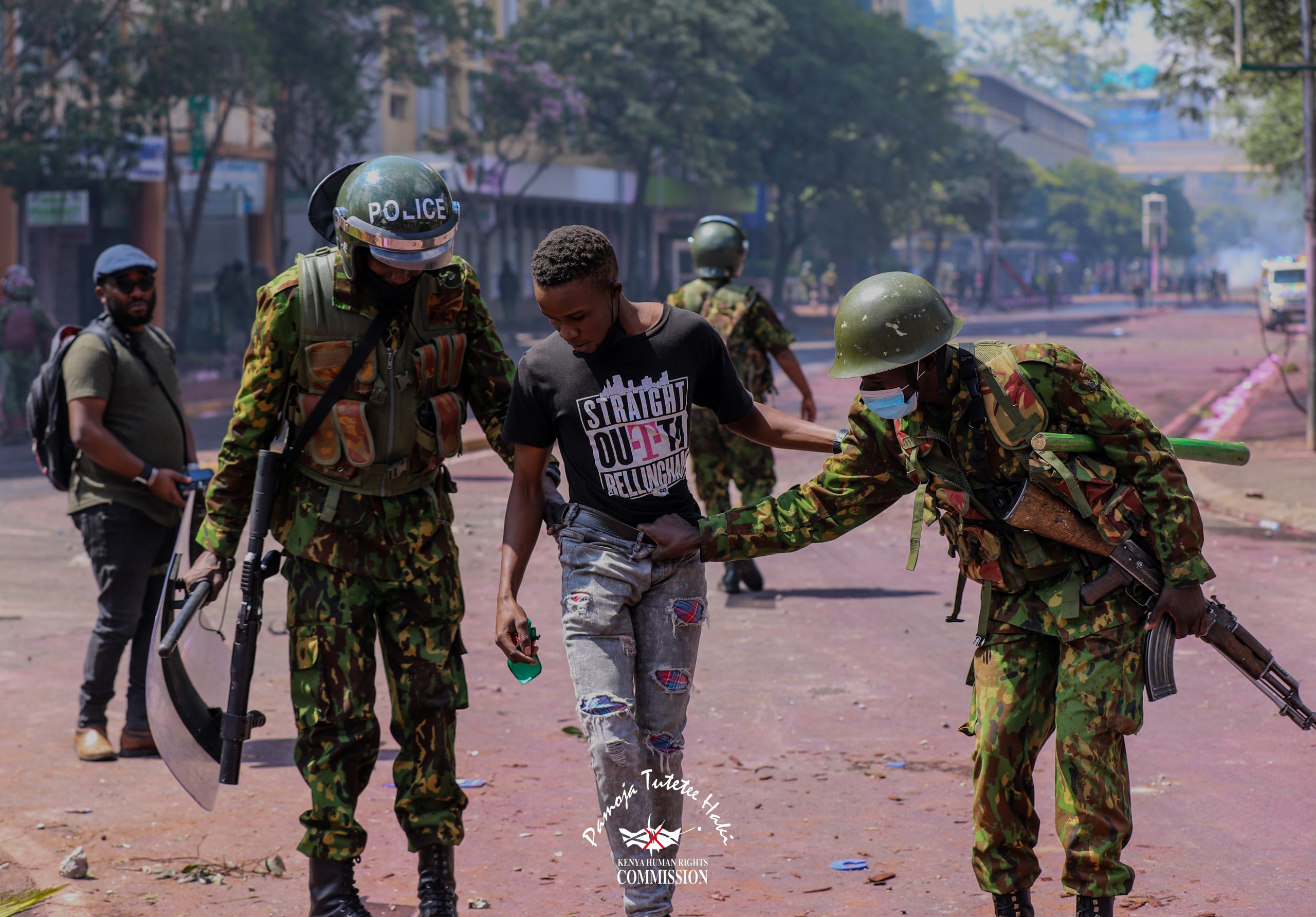
- Kenya’s policing challenge lies not in choosing between security and accountability, but in embedding both within a professional, rights-respecting framework that earns public trust.
- Historical legacies, resource gaps, political interference, and weak oversight have perpetuated impunity, undermining both police effectiveness and community safety.
- Sustainable reform demands integrated approaches: training, resources, independent oversight, and community engagement where accountability strengthens, rather than constrains, operational excellence.
The paradox confronting Kenya’s security architecture lies not in choosing between effective policing and rigorous oversight, but in reconciling both within a framework that honors constitutional imperatives while acknowledging operational realities. The National Police Service, emerging from decades marred by extrajudicial killings, forced disappearances, and political instrumentalization, now operates under the 2010 Constitution’s vision of a professional, accountable force serving the people rather than political masters. Notwithstanding implementation reveals a more complex terrain where constitutional aspirations collide with institutional inertia, resource constraints, and the persistent specter of impunity that has historically defined state security apparatus. Between 2007 and 2023, the Independent Policing Oversight Authority documented over 2,400 deaths attributed to police action, with conviction rates hovering below 3%, suggesting that systemic accountability mechanisms remain aspirational rather than operational. This tension demands neither wholesale condemnation nor uncritical deference, but rather a nuanced examination of how democratic societies balance the coercive power necessary for order with the constraints essential for liberty. The challenge is rendered more acute by Kenya’s position at the intersection of multiple security threats from terrorism to organized crime that test the limits of restrained policing while communities demand both protection and protection from their protectors.
Constitutional architecture provides Kenya with robust theoretical frameworks for police accountability, yet translating these principles into practice exposes structural deficiencies that compromise both oversight and operational capacity. Article 244 of the Constitution mandates police professionalism, discipline, and accountability while respecting human rights, creating normative standards against which performance can be measured. The establishment of IPOA in 2011, armed with powers to investigate deaths and serious injuries resulting from police action, represented a watershed moment in civilian oversight of security forces. However, prosecutorial discretion vested in the Office of the Director of Public Prosecutions has become a chokepoint where accountability aspirations dissipate; of 1,856 cases forwarded by IPOA between 2012 and 2022, only 147 resulted in prosecution and merely 42 in convictions.
This attrition rate cannot be attributed solely to evidentiary deficiencies but reflects deeper institutional resistance, inadequate witness protection, and systemic reluctance to criminalize police conduct even when prima facie evidence exists. Simultaneously, the Internal Affairs Unit within the police force operates with minimal independence, often investigating colleagues with whom they share command structures and professional loyalties, creating inherent conflicts that undermine credibility. The National Police Service Commission’s mandate to promote ethics and integrity competes with its responsibility for appointments and discipline, generating tensions between accountability and maintaining force morale in an already under-resourced and demoralized service.
Historical context illuminates why Kenyan communities approach police with mixture of dependence and distrust, a duality rooted in colonial origins and perpetuated through post-independence political manipulation. The Kenya Police Force, established in 1906 primarily to protect settler interests and suppress indigenous resistance, inherited organizational cultures prioritizing control over service, obedience over initiative, and political loyalty over professional standards. Post-independence governments, despite rhetorical commitments to reform, consistently deployed police as instruments of political control rather than public service, most egregiously during the 2007-2008 post-election violence when officers killed over 1,300 citizens.
The TJRC Report documented systematic patterns of police involvement in extrajudicial executions, torture, and forced disappearances spanning decades, creating institutional memory of impunity that persists despite constitutional transformation. This history manifests in contemporary policing culture where accountability mechanisms are perceived as threats rather than safeguards, where officers view oversight as persecution rather than professionalization, and where command structures incentivize results over processes. Yet this same history demonstrates why robust oversight remains non-negotiable; without external constraint, the tendency toward abuse reasserts itself with tragic regularity, as evidenced by COVID-19 enforcement that killed at least fifteen Kenyans through excessive force within weeks of lockdown implementation. The historical record refutes arguments that accountability compromises effectiveness; rather, it suggests that effectiveness divorced from accountability inevitably degenerates into oppression.
Resource constraints compound accountability challenges by creating operational environments where constitutional policing becomes materially difficult even when officers possess requisite commitment and training. Kenya’s police-to-citizen ratio stands at approximately 1:1,150, significantly below the United Nations recommended ratio of 1:450, resulting in chronic understaffing that stretches capacity beyond sustainable limits. Inadequate equipment from vehicles to communication systems to forensic capabilities forces officers into reactive rather than preventive postures, undermining community policing models that research demonstrates reduce both crime and police misconduct. Training budgets averaging less than 0.5% of the police budget leave officers unprepared for complex scenarios requiring de-escalation, crowd management without lethal force, or evidence-based investigation rather than coerced confessions.
When officers lack non-lethal alternatives, possess minimal crisis intervention skills, and operate under commanders judged primarily on crime statistics rather than rights compliance, accountability mechanisms address symptoms while underlying conditions remain unaddressed. This creates perverse dynamics where oversight bodies document patterns of abuse while the National Police Service argues, with partial justification, that accountability without capacity-building ensures failure. The 2020 audit revealing that 47% of police stations lacked functional detention facilities meeting constitutional standards illustrates how resource deficits directly translate into rights violations, complicating attribution of blame between individual malfeasance and systemic failure.
Political interference represents perhaps the most corrosive threat to both police professionalism and genuine accountability, manifesting through appointment processes, operational directives, and selective enforcement that subordinate constitutional obligations to partisan interests. Despite constitutional provisions for merit-based appointment and operational independence, successive administrations have demonstrated persistent inclination to treat security apparatus as political instruments, appointing loyalists regardless of professional qualifications and issuing directives that prioritize regime security over public safety. The 2017 elections saw police implicated in at least sixty-seven deaths during demonstrations, with subsequent investigations stalled amid political pressure, while officers reporting political interference faced transfers or disciplinary proceedings. This political capture operates through multiple mechanisms: budgetary allocations that keep police dependent on executive goodwill, informal command channels that bypass formal accountability structures, and implicit understandings that aggressive enforcement against opposition garners career advancement while restraint invites marginalization.
Accountability mechanisms prove ineffectual against politically protected misconduct; when IPOA investigations implicate senior officers connected to political elites, prosecutorial reluctance and evidentiary obstacles mysteriously proliferate. Nonetheless political neutrality remains achievable within proper institutional design; comparative examples from Botswana and Namibia demonstrate that constitutional protections coupled with genuine independence in appointments and operations can insulate police from partisan manipulation. The challenge lies not in technical provisions Kenya’s constitutional framework already contains these but in political will to respect boundaries between legitimate policy direction and operational interference.
Community relations constitute both the foundation for effective policing and the measure of accountability’s success, yet Kenya’s police-community dynamics remain trapped in cycles of mutual suspicion that undermine security outcomes for all parties. Survey data from Afrobarometer indicates that only 38% of Kenyans express trust in police, while 64% report concerns about police corruption, creating environments where communities withhold cooperation essential for crime prevention and investigation. This distrust reflects lived experience; in informal settlements where police presence often manifests through extortion rather than protection, residents develop parallel security arrangements through vigilante groups that themselves generate rights concerns and violence. The breakdown of police legitimacy creates operational inefficiencies where even well-intentioned officers struggle to obtain witness cooperation, intelligence flows dry up, and communities become policing deserts where criminals operate with impunity.
Accountability mechanisms designed without community participation risk perpetuating these dynamics; when oversight focuses exclusively on disciplinary processes without addressing service delivery failures, communities see accountability as bureaucratic exercise rather than genuine responsiveness. Conversely, community-oriented accountability models piloted in Kiambu and Nakuru demonstrate that participatory oversight where community policing committees monitor performance, mediate complaints, and collaborate on priorities can simultaneously improve service delivery and reduce misconduct. These models suggest that effective accountability extends beyond punishing wrongdoing to include mechanisms ensuring police responsiveness to community needs, transparency in operations, and partnership in safety production.
Training and professional development emerge as critical intersections where accountability requirements and operational capacity can achieve synthesis rather than conflict, provided investment matches ambition. Contemporary policing demands sophisticated skillsets spanning legal knowledge, cultural competency, technological proficiency, and psychological resilience, yet Kenya’s training infrastructure remains oriented toward paramilitary models emphasizing obedience and force over judgment and service. The National Police Training Curriculum, revised in 2015, incorporates human rights modules, but these constitute less than 8% of training hours compared to firearms and drill that dominate schedules. This imbalance reflects and reinforces occupational cultures viewing accountability as constraint rather than professional standard; when training emphasizes compliance over critical thinking, officers internalize accountability as external imposition rather than intrinsic obligation.
Conversely, jurisdictions integrating accountability principles throughout training where scenario-based exercises require justifying force decisions, where promotion depends partly on rights compliance records, where peer culture valorizes de-escalation over domination demonstrate that professionalization and accountability reinforce rather than contradict each other. Kenya’s National Police Service Commission has proposed competency-based advancement tied partially to disciplinary records and community feedback, but implementation remains inconsistent and under-resourced. Investment in continuous professional development addressing implicit bias, crisis intervention, investigative techniques, and community engagement could transform accountability from retrospective punishment to prospective capability-building, creating institutional cultures where rights-respecting policing reflects professional excellence rather than external constraint.
Technology presents dual possibilities for enhancing accountability while augmenting operational capacity, though implementation requires careful attention to privacy rights, digital divides, and potential for technological systems to embed rather than eliminate bias. Body-worn cameras, deployed experimentally in Nairobi and Mombasa since 2019, provide objective documentation of police-public interactions that can exonerate officers from false accusations while providing evidence for misconduct investigations, creating accountability mechanisms that protect both citizens and ethical officers. Digital case management systems piloted in select stations demonstrate potential for reducing arbitrary detention by making custody records transparent and auditable, while also improving investigative efficiency through better information management.
However, technological solutions risk becoming accountability theater without complementary institutional reforms; body camera footage proves useful only when policies mandate activation, preserve integrity, and ensure timely review, while digital systems remain vulnerable to manipulation absent independent oversight and technical safeguards. Moreover, technology acquisition often diverts resources from human capital development, creating scenarios where forces possess sophisticated equipment but lack personnel capable of leveraging it effectively. The proliferation of surveillance technologies from CCTV networks to facial recognition raises additional concerns about mass surveillance capabilities that could enable political repression absent robust data protection frameworks and judicial oversight. Kenya’s 2019 Data Protection Act provides foundation for regulating technological surveillance, but implementation gaps and capacity deficits in the Data Protection Commissioner’s office leave enforcement aspirational, illustrating that technological accountability depends on broader institutional ecosystems.
International obligations and comparative best practices offer frameworks for elevating Kenya’s police accountability beyond minimum constitutional compliance toward excellence that enhances both rights protection and security outcomes. As signatory to the International Covenant on Civil and Political Rights, the Convention Against Torture, and the African Charter on Human and Peoples’ Rights, Kenya bears binding obligations to prevent, investigate, and punish police abuse while ensuring remedy for victims. The UN Basic Principles on the Use of Force and Firearms provide detailed guidance on proportionality, necessity, and accountability that should inform operational policies and training curricula, heretofore incorporation remains incomplete and enforcement sporadic.
Comparative examination reveals that effective accountability systems share common elements: independent investigation of police misconduct insulated from political interference; swift, certain prosecution that treats police criminality as aggravated rather than excusable; victim-centered processes providing remedy and recognition; and preventive measures addressing systemic causes of abuse. South Africa’s Independent Police Investigative Directorate, despite limitations, demonstrates institutional design separating investigation from prosecution while maintaining investigative capacity through dedicated resources and specialized training. Scotland’s emphasis on preventive ethics training and organizational culture transformation illustrates that changing police behavior requires addressing informal norms alongside formal rules. Kenya’s challenge lies not in identifying best practices these are well-documented but in adapting international standards to local contexts while maintaining fidelity to underlying principles, and mobilizing political will to implement reforms that may discomfort powerful interests.
Legal frameworks provide necessary but insufficient conditions for accountability; effectiveness depends on implementation ecosystems comprising competent personnel, adequate resources, political commitment, and societal engagement. Kenya possesses constitutional provisions and statutory mechanisms IPOA, the National Police Service Commission, Internal Affairs that on paper provide comprehensive accountability architecture, hitherto performance gaps persist. IPOA’s limited budget restricts investigations to fraction of cases warranting attention, while lack of witness protection programs enables intimidation that sabotages prosecutions. The Director of Public Prosecutions exercises discretion under minimal oversight, creating accountability vacuum where decisions not to prosecute police require no public justification or independent review.
Judicial delays mean that cases reaching trial often span five to seven years, by which time witnesses have disappeared, evidence has degraded, and public attention has moved elsewhere, creating de facto impunity through process failure rather than formal exoneration. Addressing these implementation deficits requires multi-pronged interventions: strengthening IPOA’s budget and capacity to match its mandate; establishing independent prosecutorial review for police cases; creating specialized police accountability courts to accelerate trials; implementing comprehensive witness protection; and mandating public reporting on accountability outcomes. These reforms need not compromise operational capacity; indeed, by creating credible accountability, they can enhance police legitimacy and community cooperation that improve crime control. The question is whether Kenya’s political system can sustain reforms that challenge entrenched interests and require sustained investment in oversight infrastructure.
There is an urgent need to reject false dichotomies between security and rights, operational capacity and accountability, recognizing instead that sustainable security depends on police legitimacy earned through constitutional compliance and community trust. Kenya’s experience demonstrates that accountability deficits ultimately undermine security outcomes; when communities distrust police, crime flourishes in reporting voids, vigilantism proliferates, and social cohesion frays. Conversely, reforms integrating accountability with capacity-building demonstrate synergistic potential; community policing initiatives combining oversight with service improvement show reduced crime alongside fewer complaints. What emerges from analysis is vision of professional policing where accountability mechanisms function not as external constraints but as integral components of operational excellence, where officers view rights compliance as professional standard and community trust as operational asset.
This vision requires comprehensive transformation spanning recruitment emphasizing service orientation over authoritarian dispositions; training integrating human rights throughout rather than treating them as appendix; command structures rewarding problem-solving and de-escalation rather than arrest numbers; accountability systems focused equally on prevention and punishment; and political culture respecting operational independence while maintaining legitimate democratic oversight. International evidence demonstrates achievability of such transformation, but success depends on sustained commitment spanning electoral cycles, resource investment matching rhetorical ambition, and societal consensus that police serve rather than dominate communities. Kenya possesses constitutional framework, institutional foundations, and emerging best practices to realize this vision; what remains is political will to prioritize long-term transformation over short-term expediency, and societal engagement to hold institutions accountable for constitutional delivery. The choice is not between effective policing and rigorous accountability, but between professional service respecting rights and authoritarian control breeding resistance between democracy’s promise and its betrayal.
YOU MAY ALSO LIKE: The Democratic Cornerstone: A Constitutional Analysis of Article 37 of Kenya’s Constitution
The writer is a social commentator