














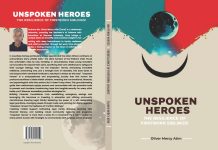












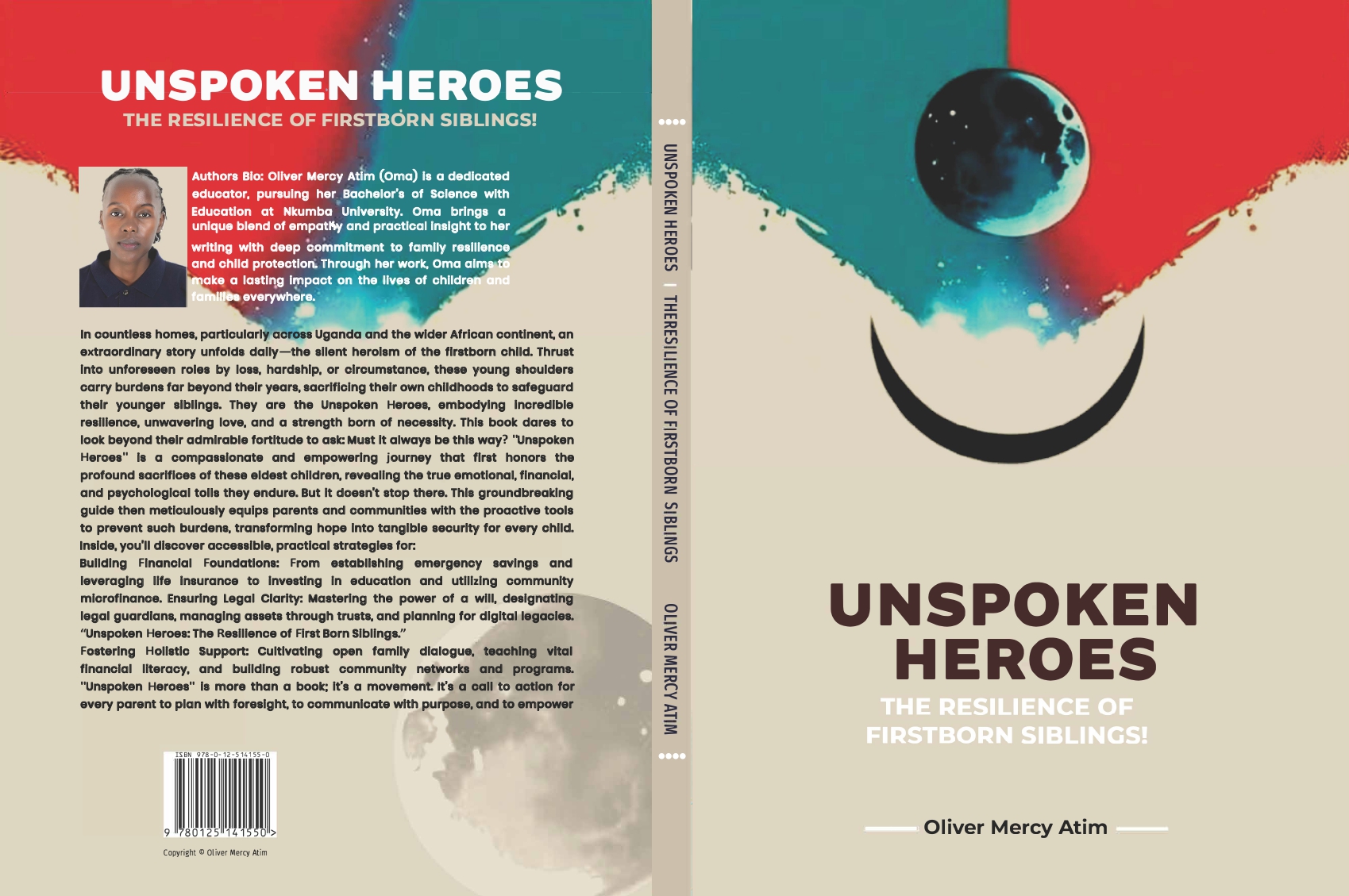
- Author: Oliver Mercy Atim
- Country: Uganda
- Publication Year: 2025
- Pages: 208
- Cost: UGX50,000 KES1,800 $15
- Reviewer: Elijah Nyaanga
I may never stand on a stage or have my name written in bold, but every life I have touched, every sacrifice I have made, and every silent battle I have fought is my legacy. That is what it means to be a hero, even when the world is not watching.
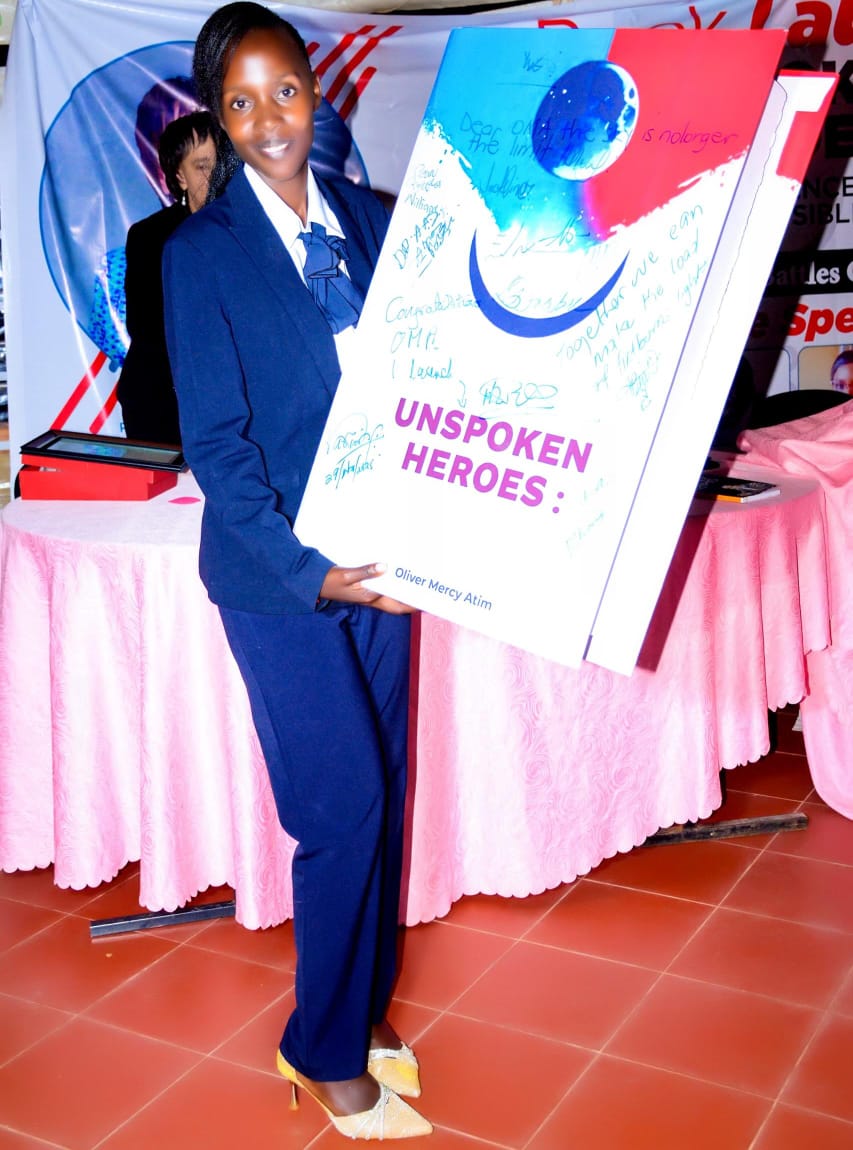
Oliver Mercy Atim, author of the Unspoken Heroes: The Resilience of Firstborn Siblings.
A Profound Tribute to Quiet Strength, Sacrifice, and Everyday Courage
In a literary landscape often dominated by stories of celebrated success and visible achievement, Unspoken Heroes: The Resilience of Firstborn Siblings emerges as a deeply reflective and socially urgent work that shifts attention to the quiet, often overlooked struggles within the family unit. Oliver Mercy Atim, commonly known as OMA, crafts a compelling narrative that is both personal and universal, shedding light on the hidden burdens carried by firstborn children across Africa and beyond.
From the outset, the book situates itself as more than a memoir or a sociological reflection. It is a tribute, a call to action, and a mirror held up to society. The dedication sets the tone by honoring firstborn siblings who, by circumstance rather than choice, assume parental responsibilities at a tender age. These are individuals who sacrifice their childhood to provide stability, care, and hope for their families. This framing is crucial as it immediately establishes the emotional and thematic depth that runs throughout the book.
The foreword reinforces the significance of the subject matter by highlighting the prevalence of such realities within African societies. It underscores the silent heroism that unfolds within homes, where children become providers, protectors, and emotional anchors in the absence of parents. This contextual grounding prepares the reader for a journey that is as enlightening as it is unsettling.
In the preface, Atim introduces her personal story, offering an intimate lens through which the broader narrative unfolds. Her experiences as a firstborn in a financially constrained household provide authenticity and emotional resonance. She writes not as a distant observer but as someone who has lived the reality she describes, making the book both credible and relatable.
The introduction, aptly titled The Unseen Burden, expands the conversation by situating the experiences of firstborns within a broader socio economic and cultural context. It challenges the romanticized notion of childhood by exposing the harsh realities faced by many children who are thrust into adulthood prematurely. The loss of parents, poverty, and societal instability are identified as key drivers of this phenomenon, forcing young individuals to become heads of households without preparation or support.
Chapter One delves into the tangible realities of this burden. It paints a vivid picture of interrupted childhoods marked by financial strain and relentless responsibility. The narrative captures the daily struggles of balancing education, caregiving, and survival, revealing the immense pressure placed on young shoulders. This chapter lays a strong foundation for understanding the depth of sacrifice involved.
Chapter Two shifts focus to the internal world of these firstborn caregivers. It explores the psychological and emotional toll of their responsibilities, highlighting issues such as loneliness, guilt, stress, and identity loss. The chapter is particularly powerful in its depiction of hidden trauma, emphasizing how these individuals often suppress their pain to maintain stability within their families. This insight adds a critical dimension to the discourse, reminding readers that resilience often comes at a significant cost.
In Chapter Three, the narrative takes a more hopeful turn by examining the strength of sibling relationships. Titled The Power of Siblings Love, it celebrates the bonds that emerge from shared adversity. Despite the hardships, these relationships become sources of support, motivation, and emotional sustenance. The chapter underscores the idea that even in the most challenging circumstances, love and unity can thrive.
Chapter Four builds on this theme by focusing on resilience and adaptability. It highlights the ingenuity and determination of firstborns who find ways to navigate their circumstances. The chapter acknowledges their ability to create moments of joy and purpose despite overwhelming challenges, presenting resilience not as an abstract concept but as a lived experience.
Chapter Five marks a significant shift from analysis to action. Titled Averting the Burden, it calls for proactive parental planning as a means of preventing such situations. The chapter argues that while the resilience of firstborns is admirable, it should not be relied upon as a solution. Instead, it advocates for financial planning, legal preparedness, and open communication within families. This practical approach elevates the book from a narrative of suffering to a guide for change.
Chapter Six and Chapter Seven continue this forward looking perspective by exploring strategies for support and intervention. These chapters emphasize the role of communities, institutions, and policy frameworks in addressing the challenges faced by firstborn caregivers. They call for a collective response that goes beyond individual families, highlighting the need for systemic solutions.
Chapter Eight brings the book to a thoughtful conclusion by focusing on communication, financial literacy, and mentorship. It underscores the importance of preparing children for life through open dialogue and practical skills. The chapter also highlights the role of community networks and mentorship programs in providing guidance and support, reinforcing the idea that raising a child is a collective responsibility.
Beyond its chapter by chapter exploration, the book is rich with testimonials and reflections that validate its themes. Readers from diverse backgrounds resonate with its message, affirming its relevance and impact. These voices add depth to the narrative, demonstrating that the experiences described are not isolated but widely shared.
What sets this book apart is its ability to balance emotional storytelling with practical insight. It does not merely document suffering but seeks to inspire change. It challenges parents, policymakers, and communities to rethink their roles and responsibilities, advocating for a more proactive and compassionate approach to family life.

Why Scholar Media Africa Recommends This Book
Scholar Media Africa strongly recommends Unspoken Heroes: The Resilience of Firstborn Siblings because it aligns with the organization’s commitment to empowerment, education, and social transformation. The book addresses a critical yet underexplored issue that affects millions of families across Africa. It provides not only awareness but also actionable solutions, making it a valuable resource for both reflection and implementation.
The book resonates with key themes of leadership, resilience, and responsibility, which are central to Africa’s development discourse. By highlighting the experiences of firstborn siblings, it offers a unique perspective on leadership that begins within the family. It challenges readers to recognize and nurture this form of leadership rather than exploit it.
Who Should Read This Book
This book is essential reading for parents and guardians who seek to secure the future of their children through intentional planning. It is equally valuable for policymakers and community leaders who are involved in shaping social support systems. Educators, counselors, and development practitioners will find it insightful for understanding the lived realities of many young people.
Young adults, especially firstborns, will find in it a voice that validates their experiences and affirms their resilience. At the same time, younger siblings and peers will gain a deeper appreciation of the sacrifices made by those who often go unrecognized.
Ultimately, Unspoken Heroes is a powerful reminder that behind many stable families are young individuals who have carried extraordinary burdens. By bringing their stories to light, Oliver Mercy Atim not only honors their sacrifices but also calls on society to ensure that future generations are free to experience childhood as it should be.
YOU MAY ALSO LIKE: BOOK REVIEW: Beyond the Dark Clouds