




























- Chess plays a vital role in developing discipline, focus, and strategic thinking among young learners, equipping them with skills that extend beyond the classroom.
- Exposure to competition helps build confidence, resilience, and critical decision-making skills, enabling learners to perform effectively under pressure.
- Co-curricular activities are essential in shaping well-rounded, self-driven individuals, supporting holistic growth alongside academic development.
Sports play a vital role in shaping discipline, confidence, and critical thinking among young people. From a young age, participation in competitive activities teaches learners how to make decisions under pressure, remain focused, and develop resilience in both success and failure. While many often-associate sports with physical activities such as football and athletics, the impact of competition extends far beyond the field, influencing how young minds think, react, and grow.
Among these is chess, a mind sport that continues to gain recognition for its ability to sharpen concentration, strategy, and decision-making skills. Its growing popularity among young learners reflects a shift towards activities that challenge not only physical ability but also mental strength.
This was clearly demonstrated during a recent chess tournament held at JoyGardens, where young players from different schools and clubs came together to compete, learn, and experience the true essence of sport beyond physical play.
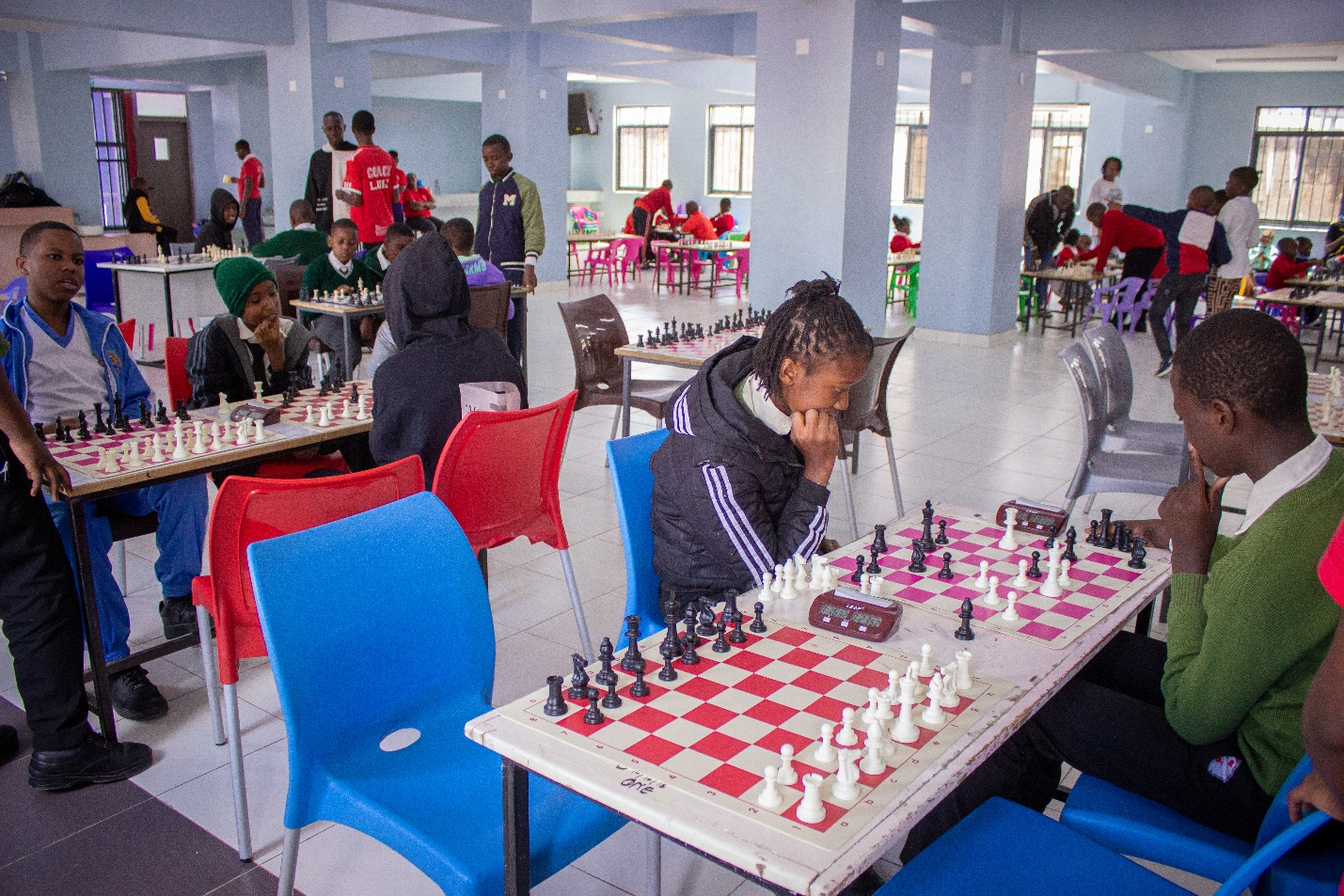
The tournament, held on March 7, 2026 at JoyGardens, brought together young players from different schools and chess clubs across Nairobi County, creating a vibrant and competitive environment. Played under the Swiss system format with six rounds, each participant was given 25 minutes per game, challenging them to think critically and make quick decisions under pressure. The event attracted players of varying ages and experience levels, including a remarkable three-year-old, the youngest participant in the competition. For some schools, this marked their first exposure to a chess tournament, and the tension was evident as players adjusted to the demands of competitive play while striving to perform their best.
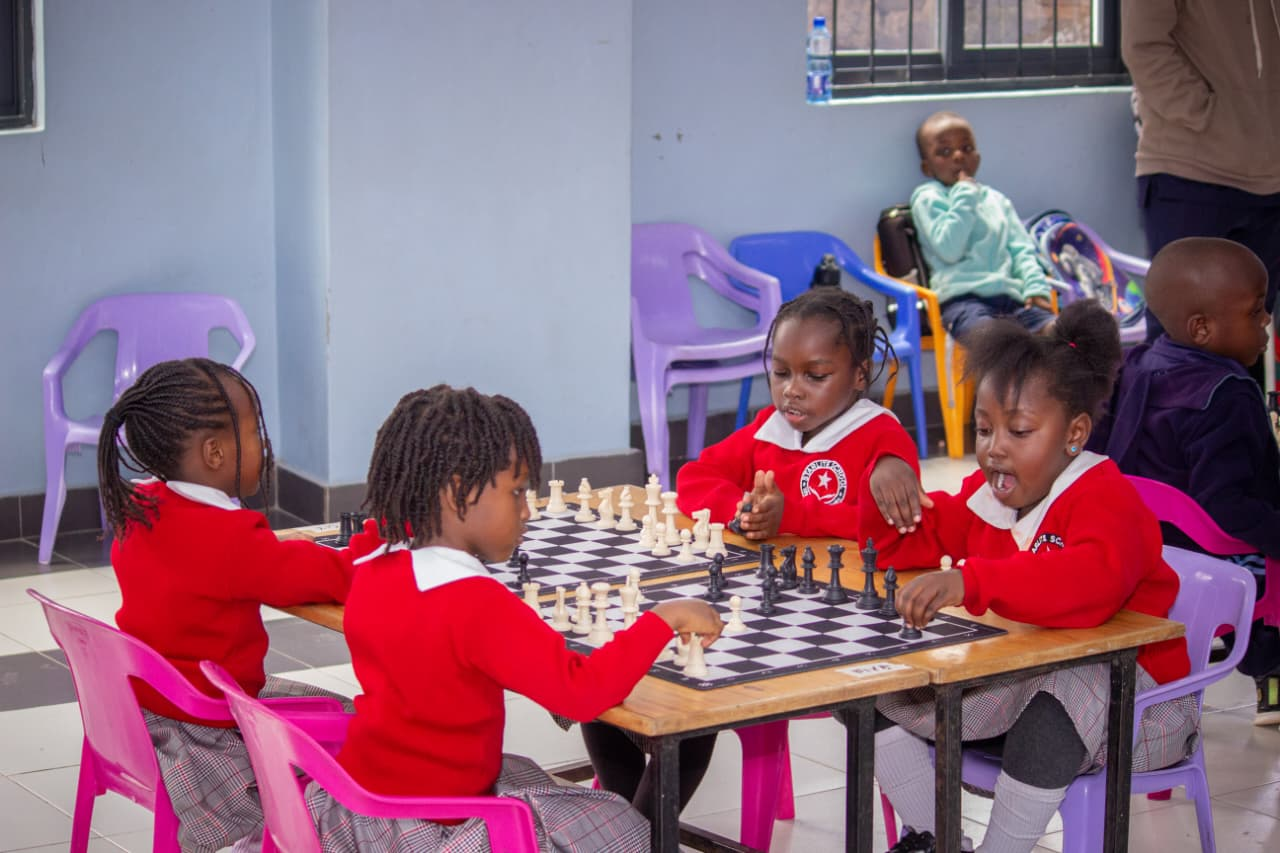
Before the start of the first round, the tournament officially commenced with a brief opening ceremony. The Chief Arbiter, FIDE Arbiter (FA) Linda Nyaruai, welcomed all the players and emphasized that the tournament was not only about competition but also about learning and having fun. She reminded participants to adhere strictly to the rules of chess, highlighting key regulations such as illegal moves and proper conduct during games. Her remarks helped set the tone for the tournament, ensuring that players understood both the expectations and the spirit of fair play before the matches began.
The first round began promptly at 9:00 a.m., with all players already settled after carefully checking the pairings and taking their assigned seats. A deep silence filled the room, as each participant remained focused, determined to avoid an early loss. As the clocks started ticking, the games officially commenced, and the only sounds that could be heard were the soft movements of chess pieces across the boards. From time to time, hands would rise quietly in the air, signaling for an arbiter’s attention, adding to the intensity and discipline that defined the competition from the very first move.As the rounds progressed, the intensity of the competition became more evident. Players who had started confidently began to slow down, spending more time analyzing their positions as the pressure increased. The ticking of the clocks grew louder in the quiet room, and in some matches, time began to run out, forcing players to make quicker decisions. Some leaned forward in deep concentration, while others hesitated before making crucial moves, aware that a single mistake could cost them the game. The tension was visible, especially among first-time participants, as they adjusted to the demands of competitive play.
Beyond the competition itself, the tournament also provided a valuable learning experience for both players and spectators. Parents who had accompanied their children had the opportunity to witness firsthand the level of focus, discipline, and mental strength required in chess. For many, it was a new perspective on the game, as they observed the intensity and seriousness with which the young players approached each round.
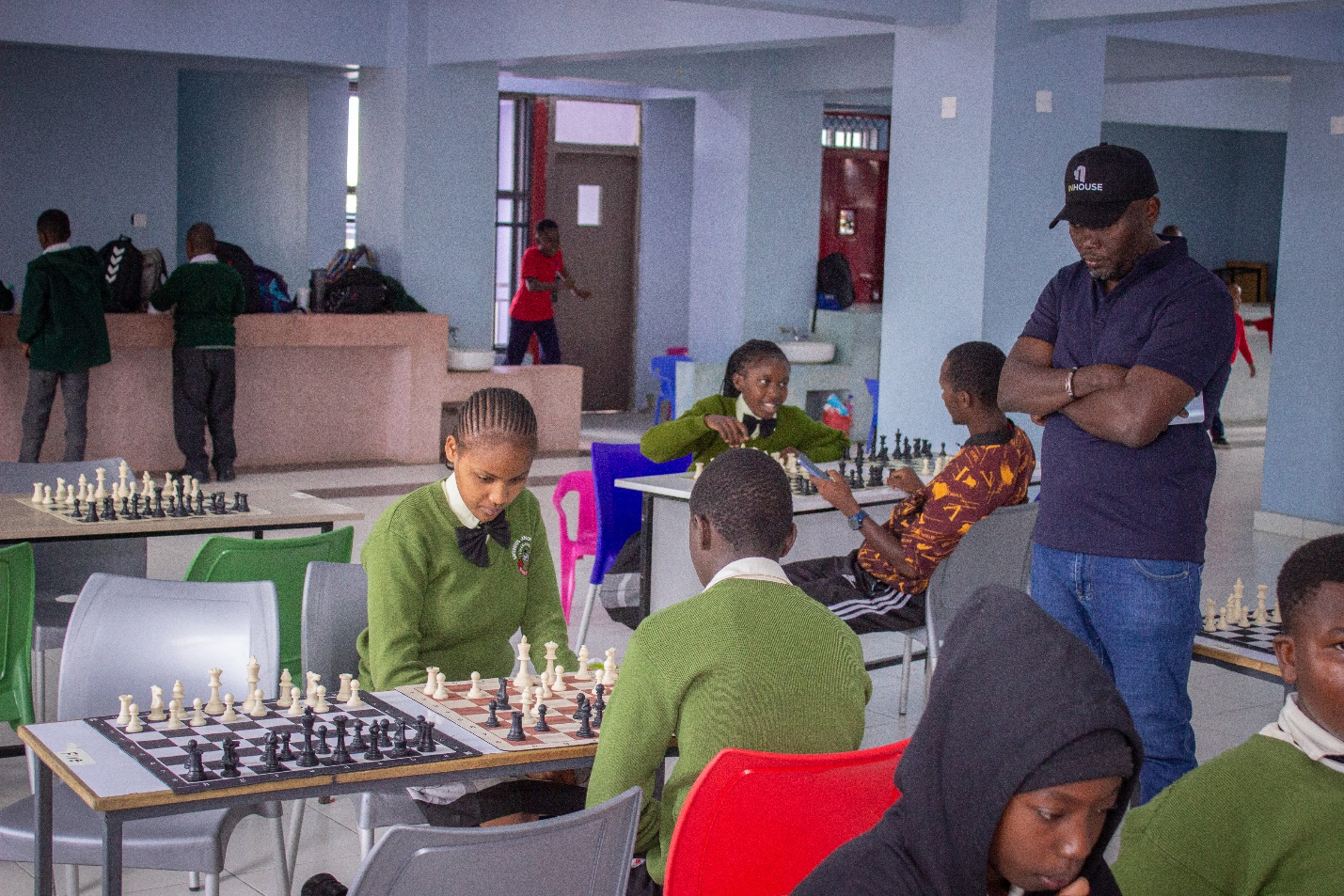
Speaking during the event, Baba Ethan Azizi shared his experience supporting his child’s chess journey. He noted that when Ethan first started playing, he was not very strong in the game, but through consistent training and practice, he has shown significant improvement. “He has improved so much that nowadays I even fear playing with him,” he said, highlighting the impact of dedication and continuous learning.
From a coaching perspective, Coach Luis of Safewings Schools described the tournament as a new and challenging experience for his team. He explained that this was the first time he had brought his players to such a competition, and the pressure was evident among them. “They are tense because they are facing players who have participated in many tournaments before. It is a new environment for them, and they are still adjusting,” he noted.For the players, the emotions were even more intense.
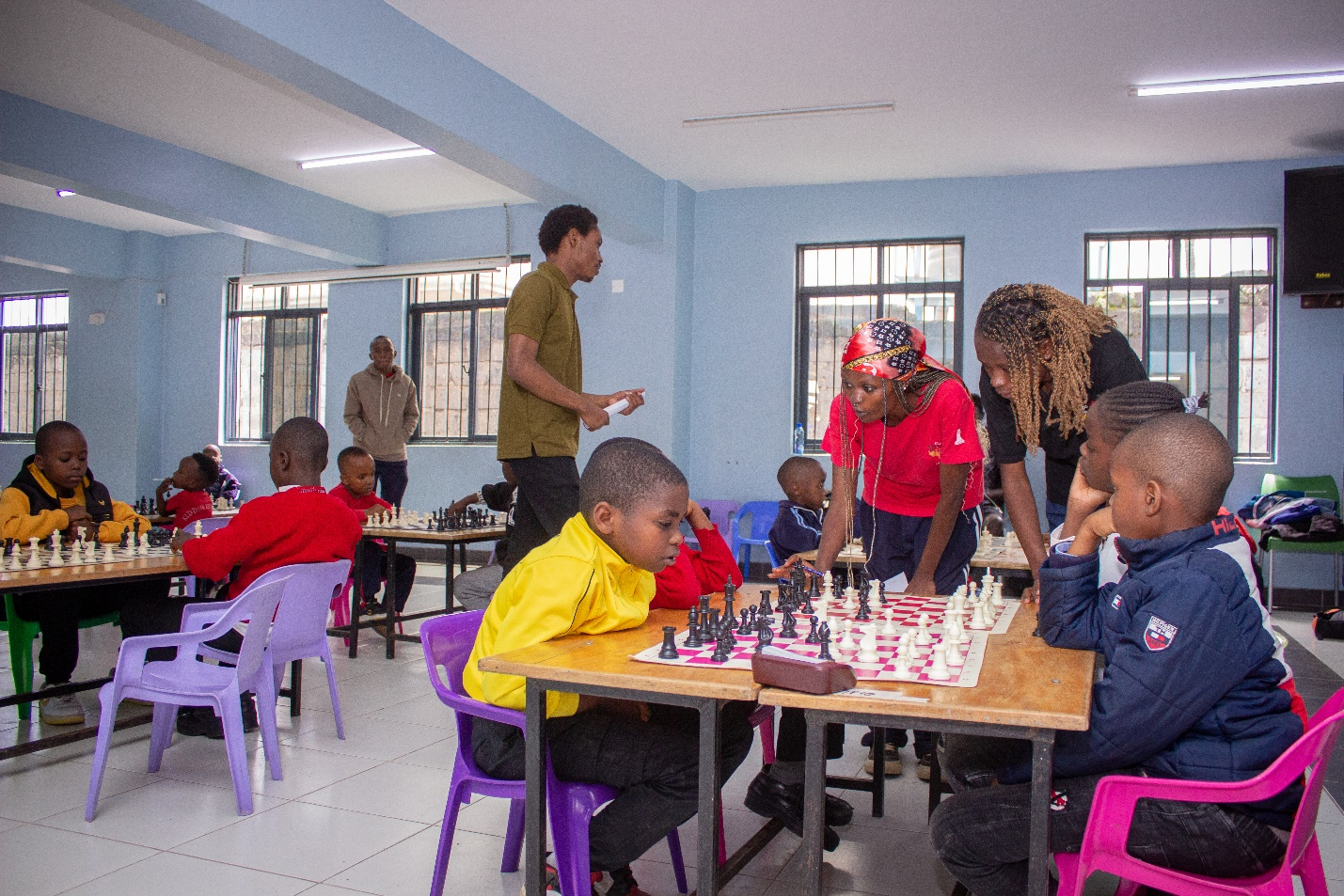
Harvey Muuo, one of the participants, shared that despite having taken part in previous tournaments, this particular event felt different. Being organized by his own chess club and held in his school, the pressure to perform was much higher.
“I am really tense,” he admitted. “This is not my first or second tournament, but this one feels more intense because it is happening in my school. I want to win so that I can be proud of myself, make my dad proud for supporting me, and also make my school proud.”
He further added, “You don’t know the joy that comes with getting an award, especially when the school recognizes you in front of other students. It is always the best feeling, and that is why I really want to win.”
As the tournament approached its final rounds, the atmosphere became even more competitive. Every move carried greater significance, and players grew more cautious, carefully calculating their decisions. Despite the pressure, the spirit of sportsmanship remained strong, with players shaking hands before and after each game, showing respect for one another regardless of the outcome.
As the tournament director, addressed both students and parents on the importance of co-curricular activities, especially in the context of the Competency-Based Education (CBE) system currently being implemented in schools.
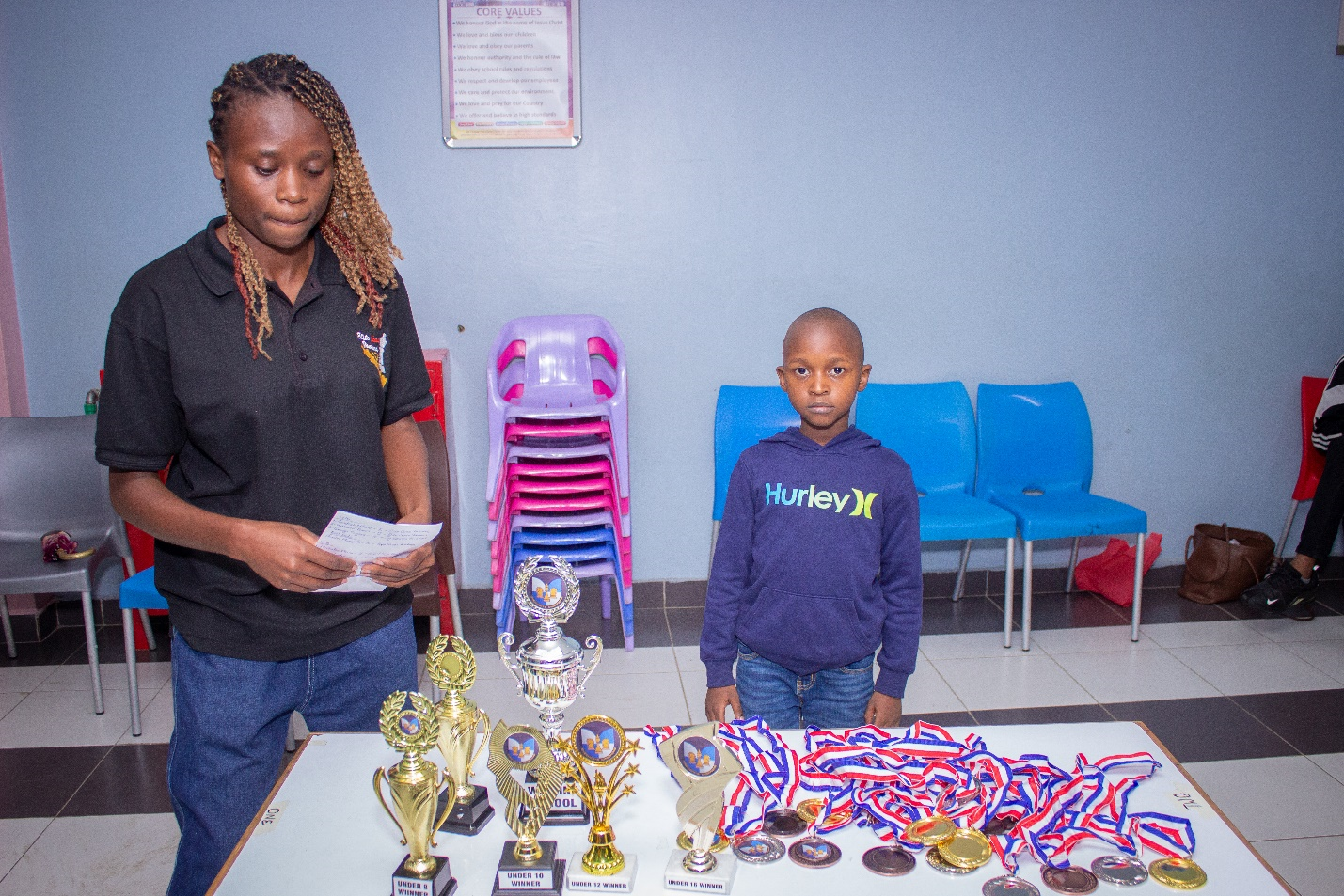
She highlighted that participation in tournaments is not merely about learning a game but about developing essential life skills such as problem-solving, decision-making, focus, and resilience skills that CBE emphasizes for holistic learning.
She stressed to schools the importance of allowing learners to take part in competitions. According to her, “Training alone, without opportunities to compete, limits the value of these activities. Learners must be given the chance to apply their skills in real events to fully benefit from the training they receive.”
Speaking to parents, she addressed a common concern: forcing children into activities they do not enjoy. She encouraged parents to let children pursue what they love, rather than pressuring them to follow what their peers’ children are doing. “Every child has unique talents,” she explained. “If we force them into activities that are not aligned with their interests, it stops being fun and becomes an obligation. True growth and enjoyment come when children are motivated by their own passion, not by parental pressure.”
Through these remarks, she reinforced the importance of giving learners both the freedom to pursue their interests and the platforms to challenge themselves, nurturing a generation that is not only skilled but also confident, creative, and resilient.
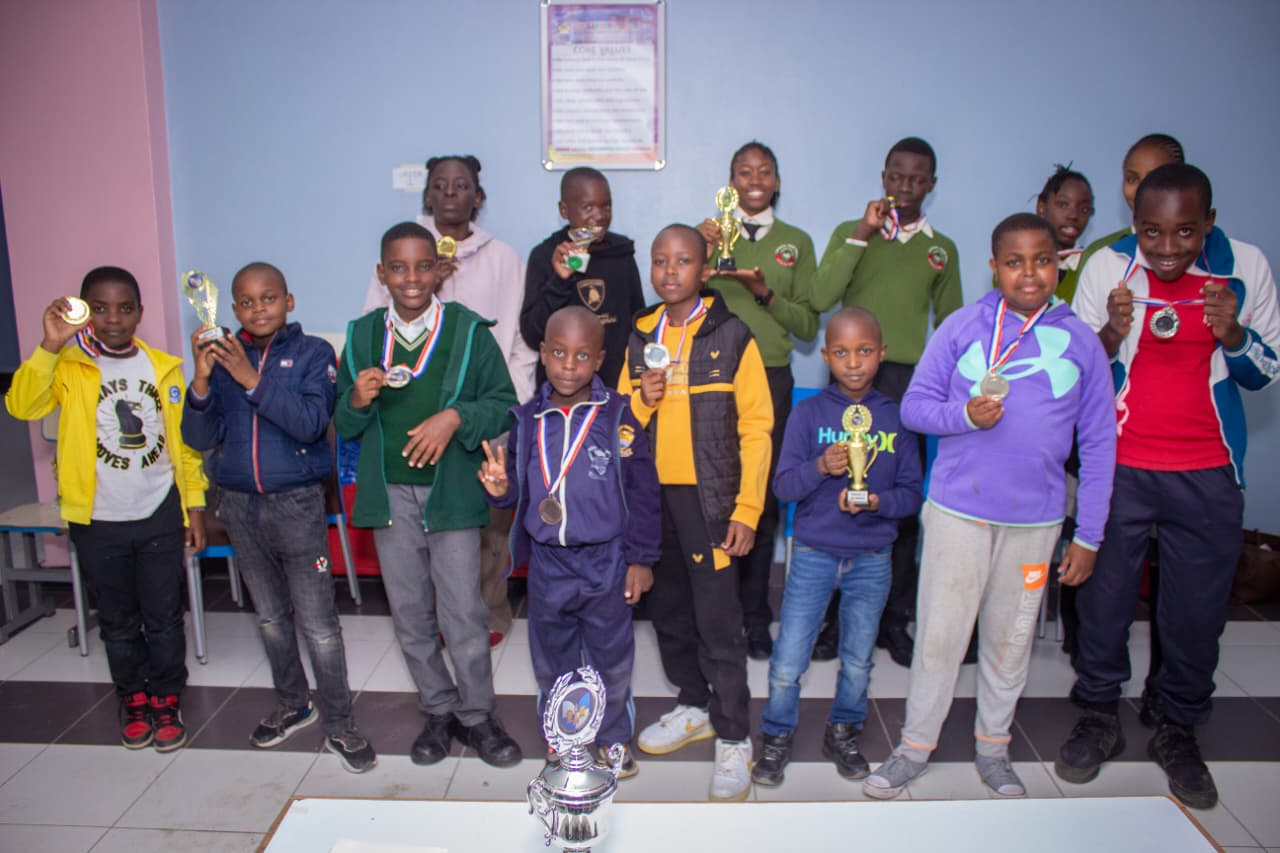
By the end of the day, it was clear that the tournament had achieved more than just crowning winners. It had provided a platform for young learners to challenge themselves, showcase their talents, and develop critical life skills that go beyond the chessboard. From focus and strategic thinking to resilience under pressure, each participant walked away with experiences that will serve them well both academically and personally.
The tournament also underscored the importance of supporting learners in pursuing activities they are genuinely passionate about. With guidance from schools, encouragement from parents, and the dedication of coaches, events like these contribute to shaping a generation of confident, disciplined, and creative young people.
As chess continues to gain popularity in Nairobi and beyond, tournaments such as this one at JoyGardens serve as a reminder that education and co-curricular activities go hand in hand. For the young players, the day was more than just a competition it was a celebration of learning, growth, and the joy of pursuing something they love.
YOU MAY ALSO READ: Checkmate moves beyond the board; the Gift of Chess Mentorship
Unlocking Strategic Excellence: Lessons from “How Life Imitates Chess” Book by Garry Kasparov