





























- Serjeant-at-Arms are the unseen guardians of Parliament, keeping order, security, and protocol at the heart of legislative operations.
- The 3rd National Serjeant-at-Arms Conference highlighted their evolving role in tackling modern challenges, including technology and misinformation.
- Investing in their training and collaboration strengthens Kenya’s democracy, ensuring Parliament remains resilient and effective.
Many people associate Parliament with heated debates, powerful speeches, and lawmakers making critical decisions. What often goes unnoticed is the team working behind the scenes to ensure that every sitting runs smoothly, securely, and with order. One of the most commonly misunderstood roles within this system is that of the Serjeant-at-Arms.
For many, the position is seen as largely ceremonial often reduced to the image of an officer carrying the mace into the chamber at the start of a sitting. While this tradition remains an important symbol of authority and order, it represents only a small fraction of what Serjeant-at-Arms actually do. In reality, these officers form the backbone of legislative operations, playing a crucial role in maintaining the structure, discipline, and security that allow Parliament to function effectively.
Serjeant-at-Arms are responsible for maintaining order and decorum within parliamentary chambers, ensuring that proceedings are conducted in a respectful and structured manner. They manage security within parliamentary precincts, control access to restricted areas, and respond to disruptions when they arise. Their role also extends to enforcing parliamentary protocol, supporting the smooth flow of sessions, and safeguarding institutional assets. In environments that are often politically dynamic, their work requires a high level of neutrality, discipline, and professionalism.
As governance systems continue to evolve, so too has the role of the Serjeant-at-Arms. Today, these officers are not only custodians of order but also key players in addressing emerging challenges such as technological risks, misinformation, and complex security threats. This transformation reflects the growing need for legislative institutions to adapt to a rapidly changing environment while maintaining their core values of transparency, accountability, and public trust.
It is within this context that Kenya convened the 3rd National Serjeant-at-Arms Conference, held from 26th to 29th March 2026 in Machakos County. The conference brought together Serjeant-at-Arms officers from the National Assembly, Senate, and all 47 County Assemblies, alongside representatives from security agencies, academia, and international legislative institutions. The gathering served as a platform to strengthen collaboration, share knowledge, and explore strategies aimed at enhancing the effectiveness of legislative support systems.
Anchored on the theme “Future-Proofing Legislative Support Functions in Times of Change,” the conference focused on equipping Serjeant-at-Arms with the skills and tools needed to navigate modern challenges. Throughout the sessions, participants engaged in discussions that reflected both their experience and the realities they face in their day-to-day work. There was a strong emphasis on adaptability, innovation, and the importance of staying ahead of emerging risks.
As discussions unfolded, participants examined a range of issues affecting legislative institutions today. Political tensions, increased public activism, and the rapid spread of information through digital platforms were identified as key factors influencing parliamentary operations. These challenges have made the role of Serjeant-at-Arms more complex, requiring them to balance traditional responsibilities with new and evolving demands.
The issue of misinformation and disinformation emerged as a significant concern. With the rise of social media, false narratives can spread quickly, potentially inciting unrest or undermining confidence in institutions. Participants emphasized the need for greater awareness and capacity building in managing such risks, recognizing that maintaining order now extends beyond physical spaces into the digital sphere.
Technology, while offering numerous benefits, was also discussed as a double-edged sword. Advances in surveillance, communication, and record-keeping have improved efficiency within legislative institutions. However, these same tools can be exploited if not properly managed. The conference highlighted the importance of equipping Serjeant-at-Arms with the knowledge and skills to leverage technology effectively while safeguarding the integrity of parliamentary processes.
The conference also provided an opportunity to reflect on past experiences, including incidents that have tested the resilience of legislative institutions. These reflections were approached with a forward-looking perspective, focusing on lessons learned and how they can inform stronger systems moving forward. There was a shared understanding that preparedness, coordination, and continuous learning are essential in building resilient institutions.
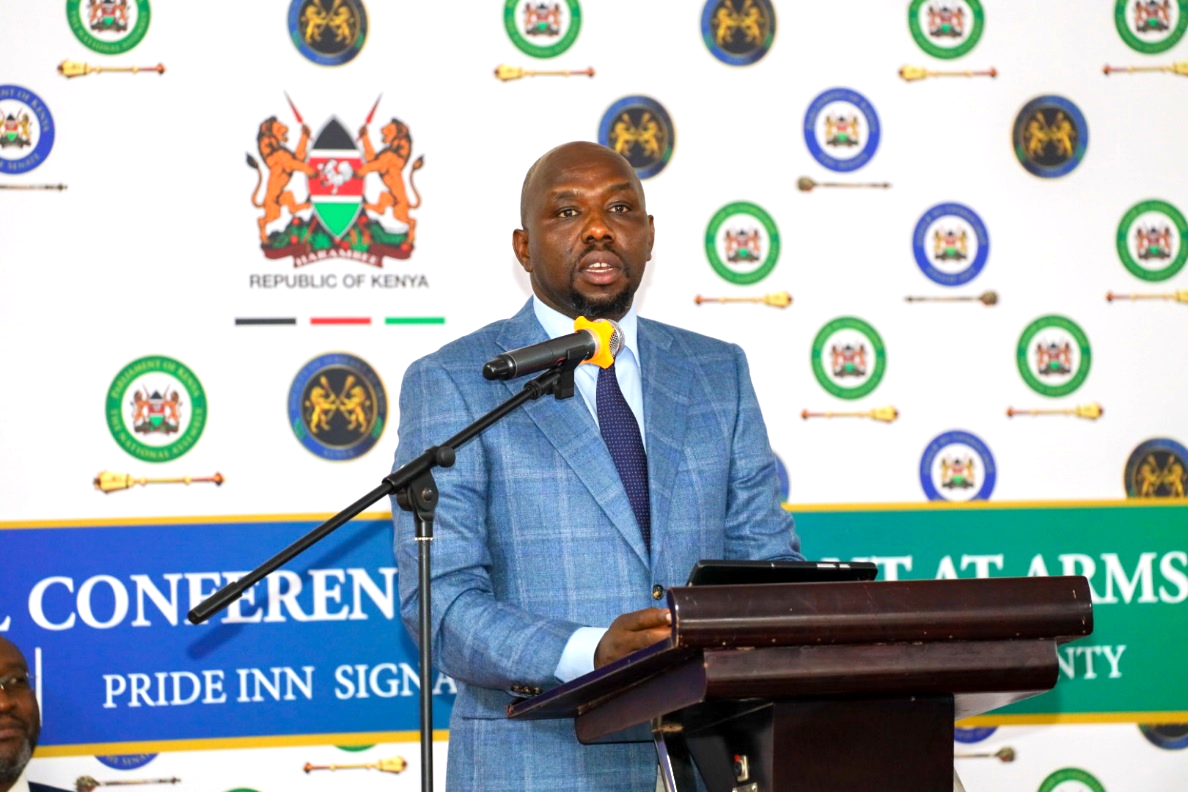
While speaking to the Serjeant-at-Arms, Interior Cabinet Secretary Kipchumba Murkomen emphasized the importance of strengthening security frameworks and enhancing professional capacity. His remarks reinforced the idea that the effectiveness of Parliament depends not only on elected leaders but also on the systems and personnel that support its operations. He called for closer collaboration between Serjeant-at-Arms and other security agencies, as well as the adoption of advanced training programs to address emerging threats.
Clerk of the Senate Jeremiah Nyegenye, while addressing participants, highlighted the importance of discipline, integrity, and neutrality in the execution of duties. He noted that the credibility of legislative institutions is closely tied to the professionalism of those who support them. Clerk of the National Assembly Samuel Njoroge echoed these sentiments, commending Serjeant-at-Arms for their commitment to maintaining order and enabling effective legislative processes.
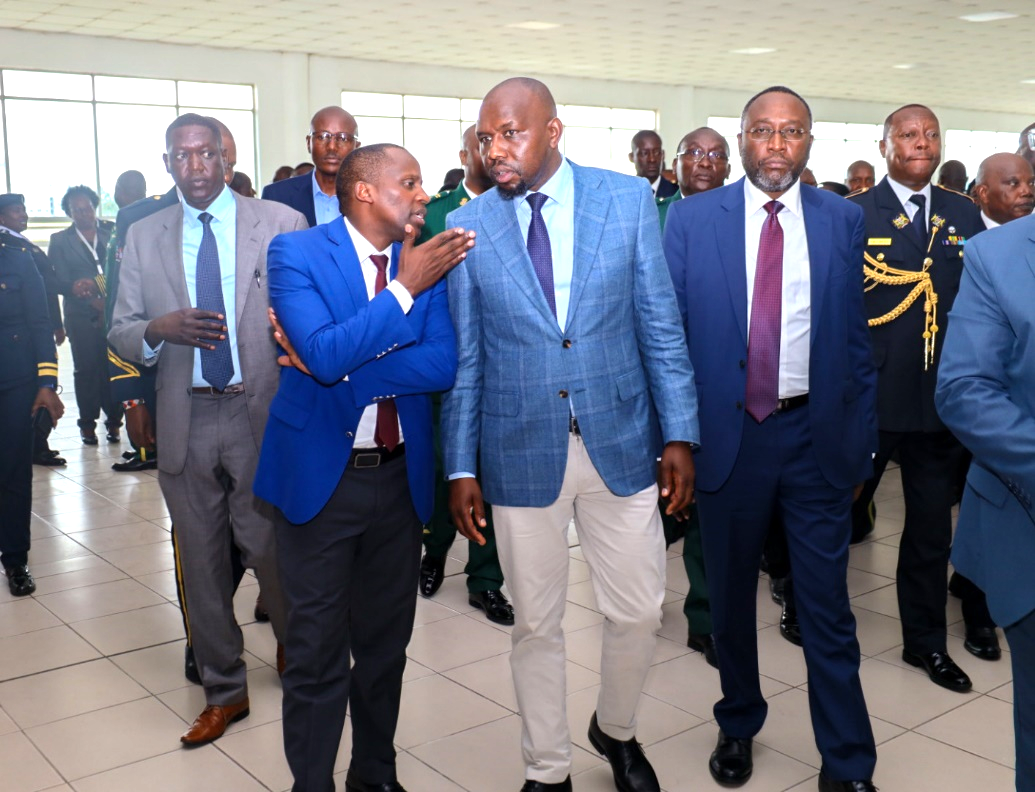
Beyond the formal sessions, the conference created space for interaction and collaboration among participants. Officers from different regions shared experiences, exchanged ideas, and explored practical solutions to common challenges. These engagements fostered a sense of unity and reinforced the importance of teamwork in strengthening legislative support systems.
Workshops and panel discussions provided practical insights into areas such as crisis management, security coordination, and protocol enforcement. Participants actively engaged in these sessions, contributing their perspectives and learning from one another. This exchange of knowledge is expected to play a key role in enhancing the effectiveness of Serjeant-at-Arms across the country.
The significance of the conference extends beyond the professional development of the officers. Strong legislative support systems are essential for effective governance, as they ensure that parliamentary institutions can operate without disruption. By investing in the capacity and professionalism of Serjeant-at-Arms, Kenya is strengthening the foundation of its democracy and reinforcing public confidence in its institutions.
The conference also built on insights from previous gatherings held in 2014 and 2019, which emphasized the need for standardized operational frameworks and greater recognition of the Serjeant-at-Arms function. By continuing this dialogue, Kenya is demonstrating a long-term commitment to improving legislative support systems and adapting to the changing demands of governance.
As the conference drew to a close, participants outlined practical steps aimed at enhancing coordination, strengthening security measures, and promoting continuous professional development. There was a shared sense of purpose, with officers expressing commitment to applying the knowledge gained in their respective institutions.
In concluding remarks, the focus remained on building systems that are sustainable and resilient. The message was clear: strong institutions are built through continuous effort, collaboration, and a commitment to excellence. The role of Serjeant-at-Arms, often unseen by the public, is central to this process.
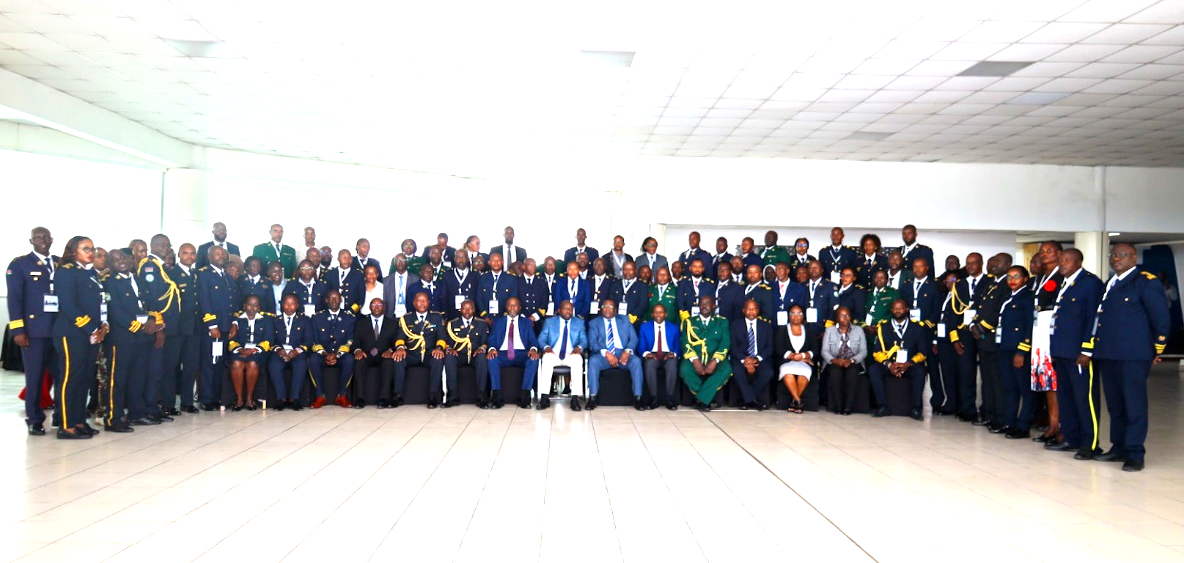
The 3rd National Serjeant-at-Arms Conference served as a powerful reminder that the strength of Parliament lies not only in its visible proceedings but also in the systems and people working behind the scenes. Serjeant-at-Arms remain at the heart of this effort, ensuring that legislative institutions operate with order, security, and dignity.
As Kenya continues to evolve, the importance of these officers will only grow. Through ongoing training, collaboration, and dedication to professionalism, the Serjeant-at-Arms are helping to build a legislative system that is prepared for the future. Their work stands as a testament to the critical role played by those who ensure that democracy functions smoothly, even when their contributions are not always seen.
YOU MAY ALSO LIKE: Broken Choices: Why Most Kenya’s Best Never Make It to Parliament