































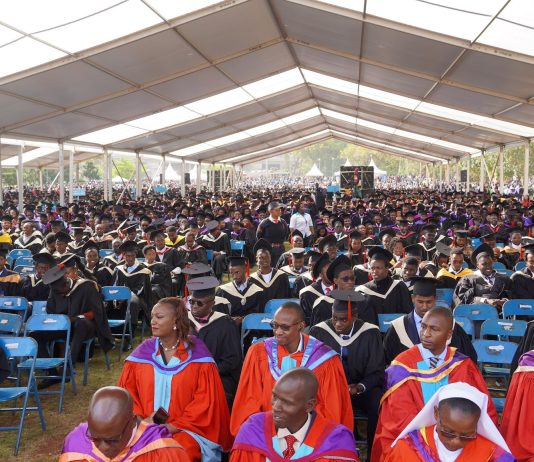
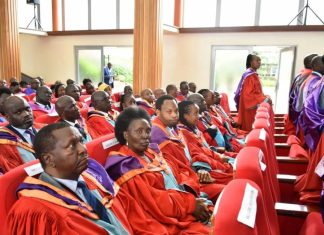
Tetrahedron Temptation: Why Kenya Must Be Careful Not to Confuse Competency with Higher Learning
A strong education system must balance competency, academic inquiry, and innovation while preserving the distinct purpose and value of each learning pathway
Sustainable education reforms should be grounded in sound policy, institutional readiness, and quality...

Professorial Truancy Undermining Academic Leadership in University Senates
Strong institutions are built through active leadership, shared responsibility, and a commitment to excellence in governance.
Sustainable progress depends on experienced leaders who remain engaged, contribute their knowledge, and support sound decision making.
True leadership is...
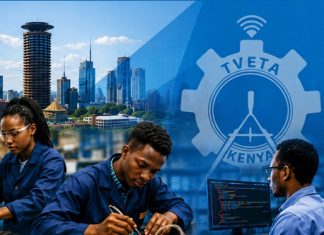
Technical Universities and TVET: Kenya Needs Integration, Not Separation
Kenya needs a more integrated and collaborative education system rather than a divide between universities and TVET institutions.
Strengthening technical education requires addressing systemic challenges, not merely changing institutional structures.
Quality, innovation, and industry relevance should...

Kenya’s Schools Need Quality Assurance Audits, Not Inspection Visits
Kenya's education system cannot achieve excellence, accountability, and learner success without a robust quality assurance framework that goes beyond routine inspections to embrace comprehensive, evidence-based audits.
Effective quality assurance is not merely an administrative exercise;...
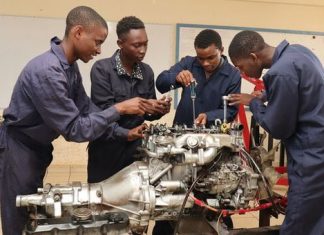
Kenya’s Universities Should Exit TVET Space and Refocus on Degree Training
Kenya’s universities must return to their core mandate of teaching, research, innovation, and degree training, while allowing specialized TVET institutions to lead in practical skills development and technical education.
The declining enrolment, weak financial returns,...

Reimagining Kenya’s Qualifications Landscape: Inside the First National Qualifications Conference
Kenya’s future competitiveness will depend not only on expanding access to education, but on ensuring that qualifications remain relevant, skills based, adaptable, and aligned with the realities of a rapidly changing global economy.
The First...

Grade 12 is Enough: Don’t Extend CBE to University Education
Competency Based Education is highly effective at the basic education level but is not suitable as a full model for university learning.
Universities play a distinct role in fostering critical thinking theoretical understanding and knowledge...
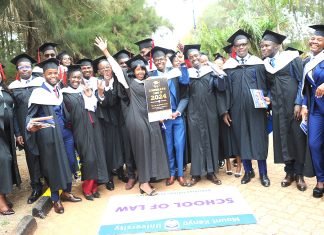
Professional Bodies Overriding Academia: The Quiet Crisis in Universities
The growing influence of professional bodies over academic decisions is quietly reshaping universities, risking the erosion of academic autonomy and scholarly standards.
When professional registration begins to outweigh academic qualifications, universities drift from centers of...
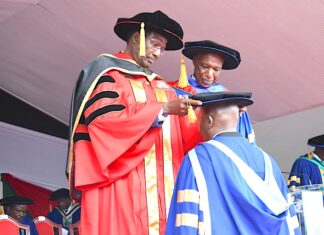
The Legitimacy of Non-PhDs as Academic Staff in Universities
The growing reliance on non-PhD teaching staff signals a gradual shift away from the core academic standards and research-driven mission that define universities.
Turning transitional academic roles into permanent positions risks weakening teaching quality, limiting...

Rethinking Quality Assurance in Kenyan Universities
Kenya’s rapid expansion of universities has outpaced investment in quality assurance systems, infrastructure, staffing, and research capacity, resulting in persistent gaps that undermine graduate preparedness and global competitiveness.
Although frameworks like CUE and IUCEA exist,...