






























Prof. Maurice Oduor Okoth

Prof. Okoth is a Professor of Chemistry at University of Eldoret, a former Vice-Chancellor, and a Higher Education expert and Quality Assurance Consultant. Contact: okothmdo@gmail.com
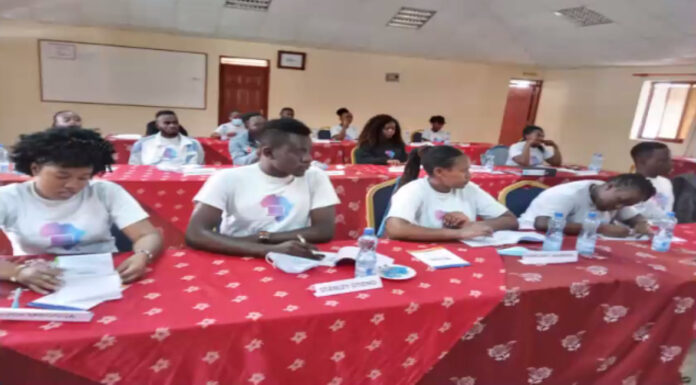
Artificial Intelligence is transforming academic research, making it imperative for universities to establish clear ethical guidelines that distinguish responsible AI assistance from academic misconduct.
As AI becomes increasingly integrated into postgraduate education, institutions must update their academic integrity policies to safeguard originality, critical thinking, and the credibility of university qualifications.
Rather than banning AI, universities should promote its transparent and responsible...

Abuse of power by Heads of Departments and Deans can weaken academic integrity, fairness, and institutional performance.
Academic goonism promotes favoritism, intimidation, and corruption, harming staff, students, and the quality of higher education.
Greater transparency, accountability, and ethical leadership are essential to strengthen governance and protect academic excellence.
When discussions about governance failures in universities/colleges arise, public attention is often directed toward...
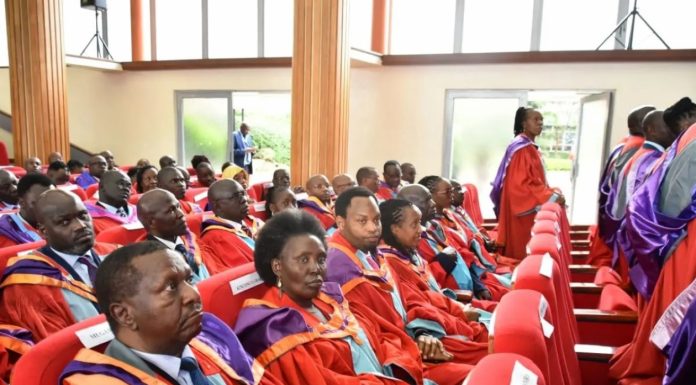
A strong education system must balance competency, academic inquiry, and innovation while preserving the distinct purpose and value of each learning pathway
Sustainable education reforms should be grounded in sound policy, institutional readiness, and quality assurance rather than driven by appealing theoretical models alone.
National progress depends on strengthening both vocational and university education in complementary ways that foster excellence, research,...

Strong institutions are built through active leadership, shared responsibility, and a commitment to excellence in governance.
Sustainable progress depends on experienced leaders who remain engaged, contribute their knowledge, and support sound decision making.
True leadership is demonstrated not only by professional achievement but also by continued service, accountability, and commitment to the success of the institution.
When governance challenges emerge in universities,...

Kenya needs a more integrated and collaborative education system rather than a divide between universities and TVET institutions.
Strengthening technical education requires addressing systemic challenges, not merely changing institutional structures.
Quality, innovation, and industry relevance should remain central to both university and TVET education.
The article published in Scholar Media Africa on June 9, 2026, titled “Apex TVET Institutions Should Become Technical...

Kenya's education system cannot achieve excellence, accountability, and learner success without a robust quality assurance framework that goes beyond routine inspections to embrace comprehensive, evidence-based audits.
Effective quality assurance is not merely an administrative exercise; it is a critical safeguard against corruption, inefficiency, poor governance, and declining educational standards in our schools.
The future of basic education in Kenya depends on...
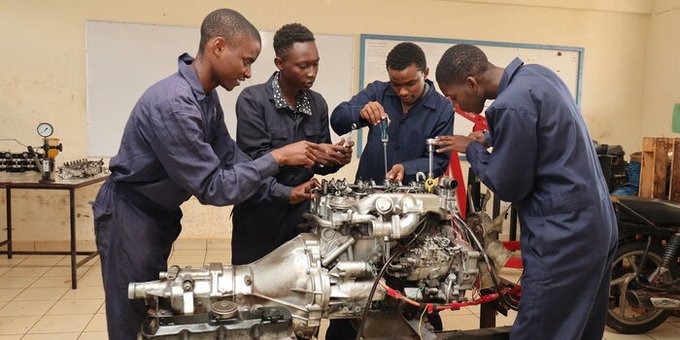
Kenya’s universities must return to their core mandate of teaching, research, innovation, and degree training, while allowing specialized TVET institutions to lead in practical skills development and technical education.
The declining enrolment, weak financial returns, and limited competitiveness of university-owned TVET institutes demonstrate that specialization, not institutional expansion, is the key to a stronger and more sustainable higher education system.
For...

Kenya’s future competitiveness will depend not only on expanding access to education, but on ensuring that qualifications remain relevant, skills based, adaptable, and aligned with the realities of a rapidly changing global economy.
The First National Qualifications Conference highlighted the growing need to recognize lifelong learning, practical competencies, digital transformation, and informal sector skills as essential pillars of inclusive national...

Competency Based Education is highly effective at the basic education level but is not suitable as a full model for university learning.
Universities play a distinct role in fostering critical thinking theoretical understanding and knowledge creation which cannot be reduced to measurable competencies.
Kenya should allow Competency Based Education to end at Grade 12 while adopting a balanced and flexible approach...

The growing influence of professional bodies over academic decisions is quietly reshaping universities, risking the erosion of academic autonomy and scholarly standards.
When professional registration begins to outweigh academic qualifications, universities drift from centers of knowledge and innovation toward mere training institutions.
Safeguarding the future of higher education requires a clear balance where academic regulators uphold standards, professional bodies offer guidance,...