



















- Maternal health outcomes continue to improve when governments and partners invest in strengthening healthcare systems and expanding access to essential services.
- Sustained investment in health infrastructure, equipment, and collaborative partnerships is critical in reducing preventable deaths among mothers and newborns.
- Effective community participation alongside coordinated healthcare delivery plays a key role in improving survival rates and overall public health outcomes.
In many parts of Kenya, childbirth has long walked a thin line between hope and heartbreak. For thousands of expectant mothers, the joy of carrying life for nine months has too often ended in tragedy on the delivery bed or even before reaching one.
With a national maternal mortality ratio still standing at 355 deaths per 100,000 live births, the country continues to lose an estimated 6,000 women annually, about 16 lives every single day. Behind these numbers are stories of families shattered, dreams deferred, and a healthcare system under strain.
Yet, in the quiet hills of Vihiga County, a different story is emerging, one of deliberate action, strategic investment, and measurable transformation.
A County Turning the Tide
Vihiga County is steadily positioning itself as a model for maternal and newborn health in Kenya. Through focused interventions and strengthened healthcare systems, the county has reduced its maternal mortality rate from a high of 531 per 100,000 live births to an estimated range of 75 to 122.
This remarkable progress is not accidental. It is the result of sustained efforts to promote skilled facility deliveries, empower community health structures, and invest in modern medical infrastructure.
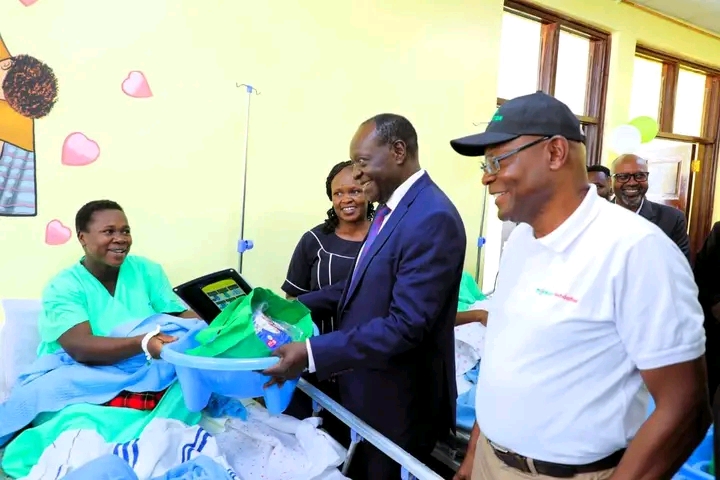
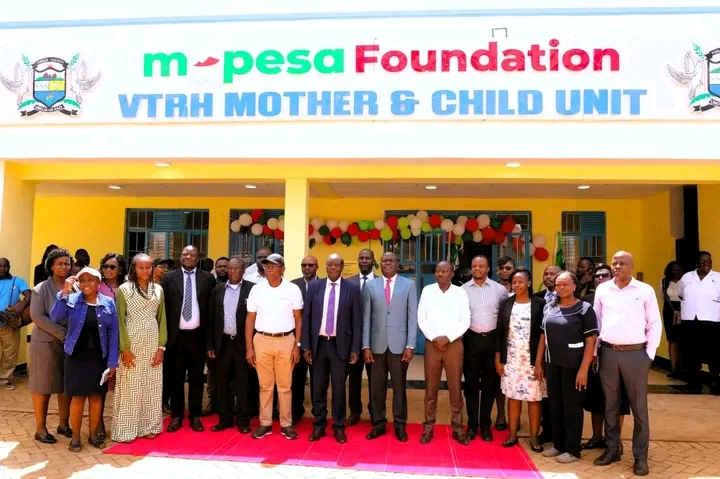
At the heart of this transformation stands the newly established Mother and Child Unit at Vihiga Teaching and Referral Hospital (VTRH), a Sh60 million investment fully funded by the M Pesa Foundation.
Infrastructure That Saves Lives
Launched in December 2025 through a partnership between the County Government of Vihiga and the M Pesa Foundation, the facility became operational on December 21, 2025. In just a short period, it has already begun to shift outcomes in maternal and neonatal care.
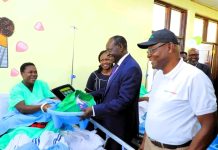
Designed as a comprehensive care hub, the unit features a 40 bed capacity, a fully equipped caesarean theatre, a three bed delivery room, a 12 bed antenatal ward, a 20 bed postnatal ward, and an eight bed newborn unit. It also includes essential support infrastructure such as a pharmacy, nursing station, and reception area.
More than just a building, it represents access, dignity, and a second chance at life for both mothers and their newborns.
Leadership, Partnerships, and Community Power
Speaking during its launch, Vihiga Governor Wilber Ottichilo emphasized that strengthening healthcare delivery is fundamental to securing the future.
Equally critical has been the role of Community Health Promoters (CHPs), who continue to bridge the gap between households and health facilities. Their grassroots mobilization has significantly reduced home deliveries, once a major contributor to maternal deaths.
The M Pesa Foundation, through its chairman Joseph Ogutu, reaffirmed its commitment to long term health system strengthening. Beyond infrastructure, the Foundation is supporting capacity building through partnerships with Amref Health Africa, targeting continuous training for frontline health workers across multiple counties.
Plans are also underway to introduce telemedicine services, expanding access to quality care and specialist support, particularly in underserved areas.
Technology and Equipment: Strengthening the Frontline
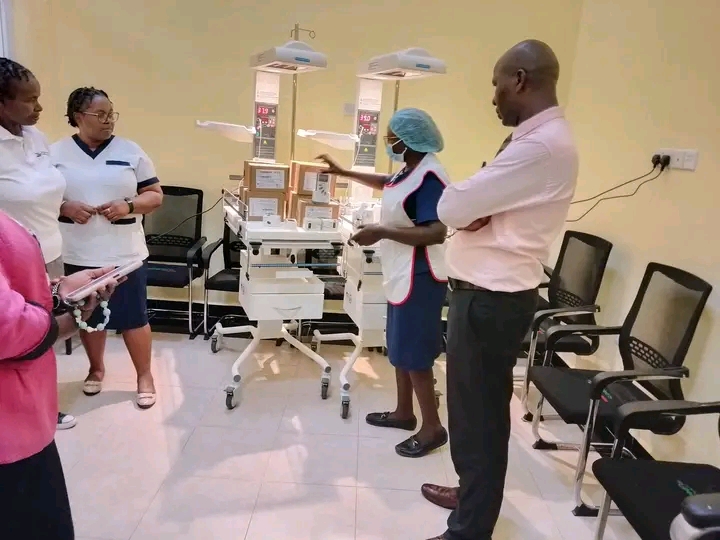
The impact of the Mother and Child Unit is further amplified by contributions from MOMENTUM Country and Global Leadership, which has equipped the facility with critical neonatal care tools.
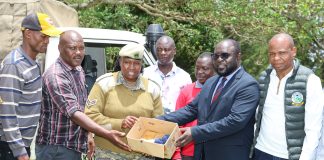
These include radiant warmers, air compressive nebulizers, finger and neonatal pulse oximeters, equipment essential in managing complications among newborns and reducing mortality among children under five.
Additional support from the Fistula Foundation has strengthened maternal care services, ensuring that women suffering from childbirth related complications receive timely and dignified treatment.
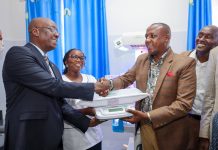
“This support marks a significant step toward enhancing the quality of care for mothers and newborns,” noted VTRH CEO Titus Mumia during the handover ceremony.
Beyond Birth: Addressing Broader Health Challenges
The facility is also becoming a center for broader maternal and child health education. During recent engagements, medical experts highlighted the growing concern of sickle cell disease, a genetic blood disorder affecting thousands across Africa.
Led by Dr Briyan Dudi and Dr Charles Karari, healthcare teams conducted sessions on managing acute chest syndrome, one of the most severe complications associated with the condition. Their insights underscored the need for early diagnosis, continuous care, and integrated health responses.
A Model for Kenya and Beyond
Vihiga’s progress offers more than a local success story, it provides a blueprint for counties across Kenya and the continent. It demonstrates that reducing maternal mortality is not an abstract ambition, but an achievable goal when leadership, partnerships, and community systems align.
The Bigger Picture
At its core, this is a story about restoring trust in healthcare systems. It is about ensuring that no woman has to choose between giving life and risking her own. It is about turning statistics into survival and survival into thriving communities.
As Kenya continues its journey toward universal health coverage, Vihiga County stands as a powerful reminder that transformation is possible, and that with the right investments, every birth can be a story of hope rather than loss.
YOU MAY ALSO LIKE: Vihiga’s Quiet Health Revolution: How a County Facility Is Edging Toward Level Five Status