























- Many researchers have found that African scholars face various challenges, including limited access to networking, curriculum gaps and knowledge of publication processes.
- General researchers also need to know who their work partner is in their work with researching platforms and grants being open to create an open opportunity for all to grab.
- The capacities for research in Africa remain low at the individual and institutional levels.
The impact of evidence for decision-making is greatly boosted by the participation of local scholars who best identify with the research and can push for the address of the needs and development in their locality.
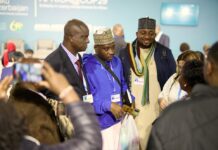
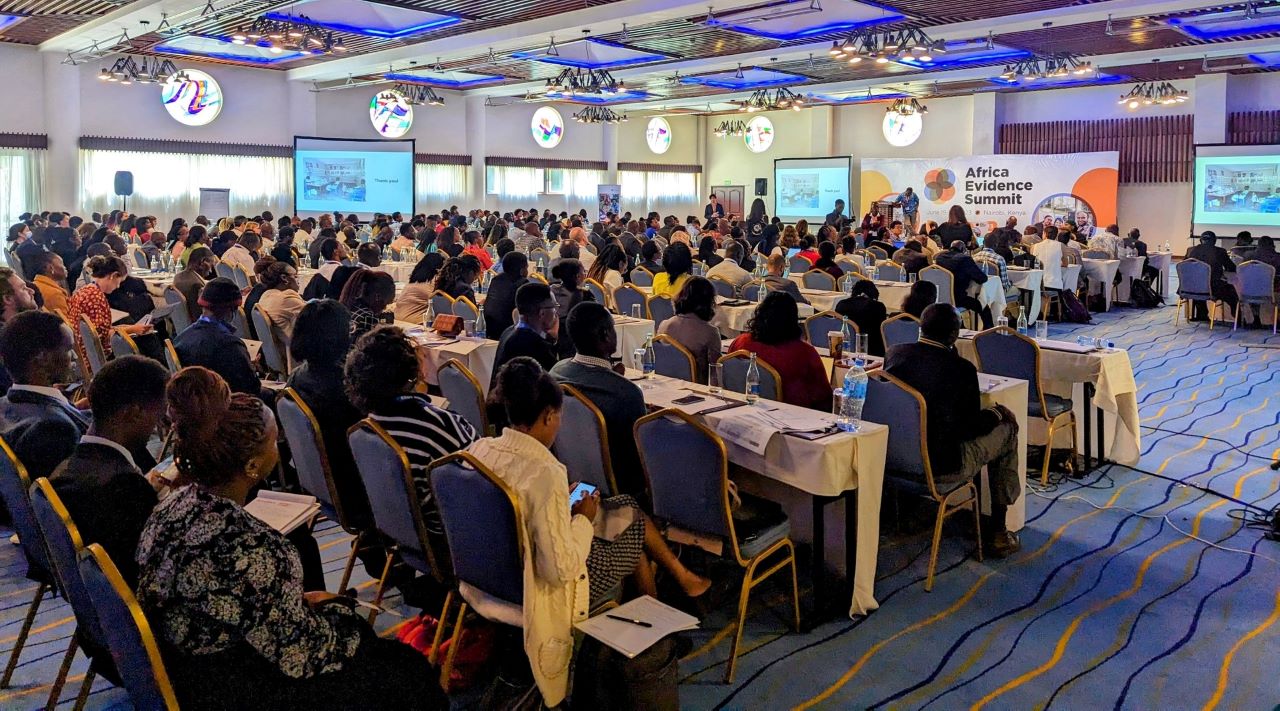
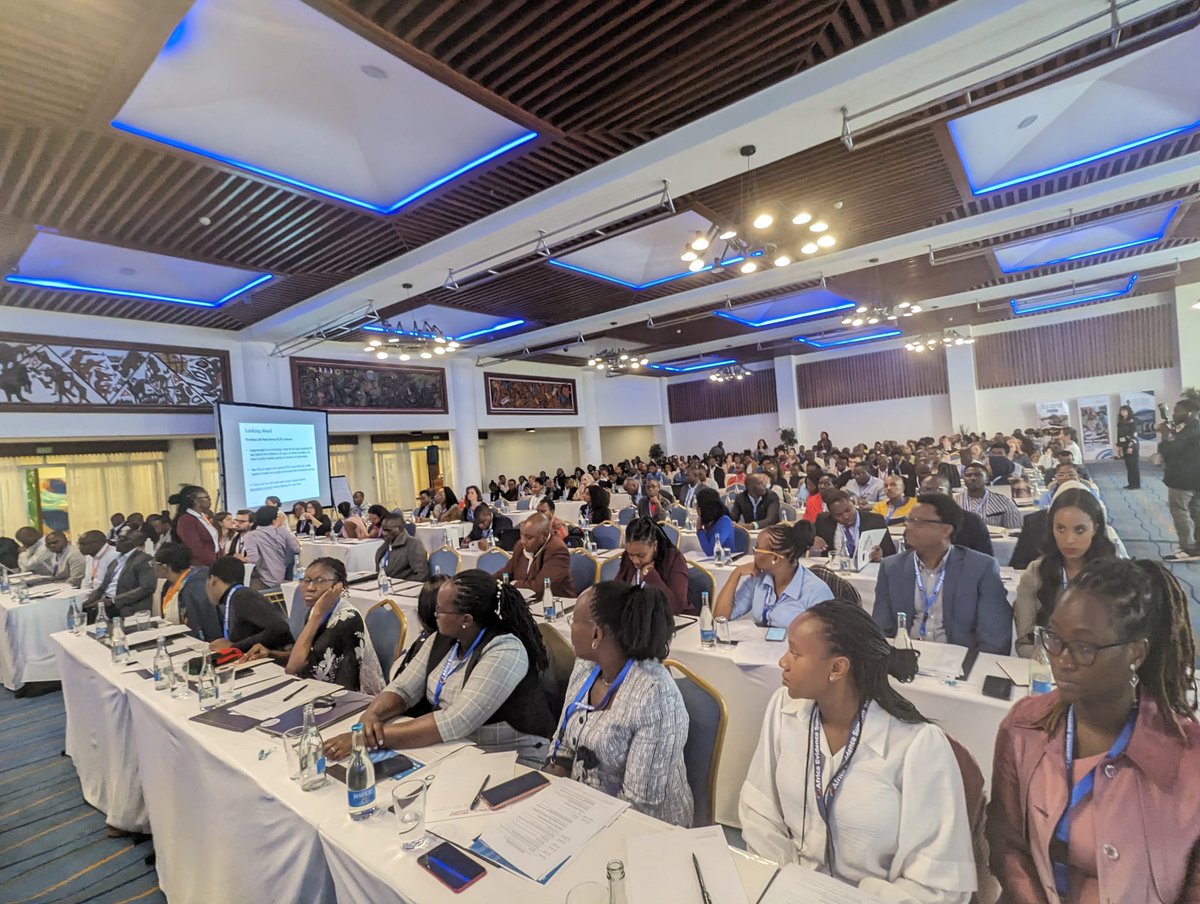
The Center for Effective Global Action (CEGA), in partnership with The Network of Impact Evaluation Researchers in Africa (NIERA), recently hosted the 11th Annual Africa Evidence Summit in Nairobi, Kenya.
This event brought together researchers from East and West Africa to discuss ways of advancing evidence-informed decision-making on the continent.
For two days, experts in the health, education, and governance sectors shared insights from their work, exploring how to translate research into actionable policy recommendations.
Collaboration is key in trying to avoid repeating an already done work and also in bringing out key issues as you will not like to work alone through teamwork as a researcher.
Need for collaboration
One key theme from the summit was the importance of maximum collaboration across borders and sectors in research.
Many of the speakers emphasized the need to work together to bridge the gap in evidence gap maps.
“Many of us have seen these statistics that the publication gap is large between African scholars and scholars from high-income countries.
Many researchers have found that African scholars face various challenges, including limited access to networking, curriculum gaps and knowledge of publication processes,” Chelsea Downs, Project manager for CEGA, commented in her remark address.
According to a 2018 study by Maya Ranganath, scientific output in Sub-Saharan Africa grew by nearly 40% between 2012 and 2016, yet only 1% of the world research output was actually done by African scholars.
The number of collaborations between the Northern and Southern researchers has increased in recent years, but nearly 75% of development journals were written by researchers who are not based in the Global South.
Southern-based research is 48% less cited than the Northern counterpart; more than half of the 439 editors from development journals are from two countries that’s the United States and the United Kingdom.
With these findings, it is believed that collaborative research could make African research work better, be more useful and impactful, and it’s more worth it to fight for equity in knowledge production.
CEGA
For the past twelve years, CEGA has prioritized justice, equity, diversity, and inclusion in their center’s operations and activities.
They’ve created several programs, most of which are through collaboration with their partners and with major portfolios in their programs, right now coming from East and West Africa.
In enhancing collaboration, CEGA provides scholarships to scholars from East and West Africa to study rigorous evaluation research methods and work with mentors at the University of California, Berkeley, and recently remotely and also at Northwestern University.
After the fellowship, they fund scholars to conduct research, disseminate their findings to policymakers and, importantly, train others in their home institutions.
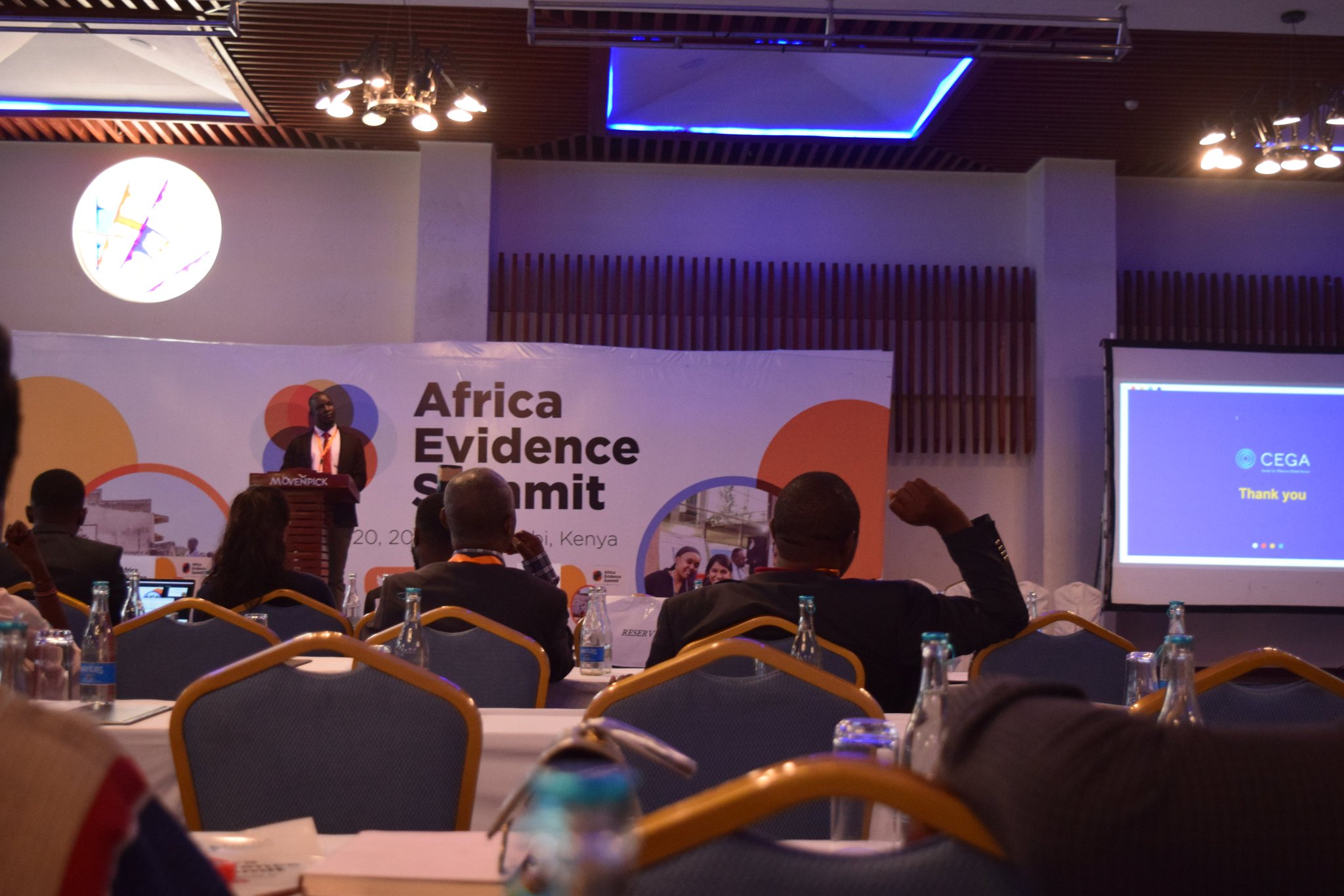
“Our governance is not good at implementation even though they are very good at making policies.
Therefore, it is our responsibility to continuously engage in policymaking decisions to make the policies a reality,” Lusungu Kacheche, Ag. Head, Oxfam Liason Office to the African Union, confirmed.
Many who were present at the summit were African scholars who are extremely busy; part of the scholarship is to free up their time to really focus on the research for a couple of months.
A total of 65 researchers have been trained so far through our East Africa Social Science Translation Collaborative (EASST) and Development Impact West Africa (DIWA), both of which are programs under the organization and through collaboration with the Working Group in Africa Political Economy (WGAPE).
Lingering concerns
But while the organization is doing this work, many questions still remain, mainly, what are the best ways to support African scholars?
How are the incentives different from African universities for publishing? How and to what extent do policymakers value the research produced by local scholars differently from foreign scholars?
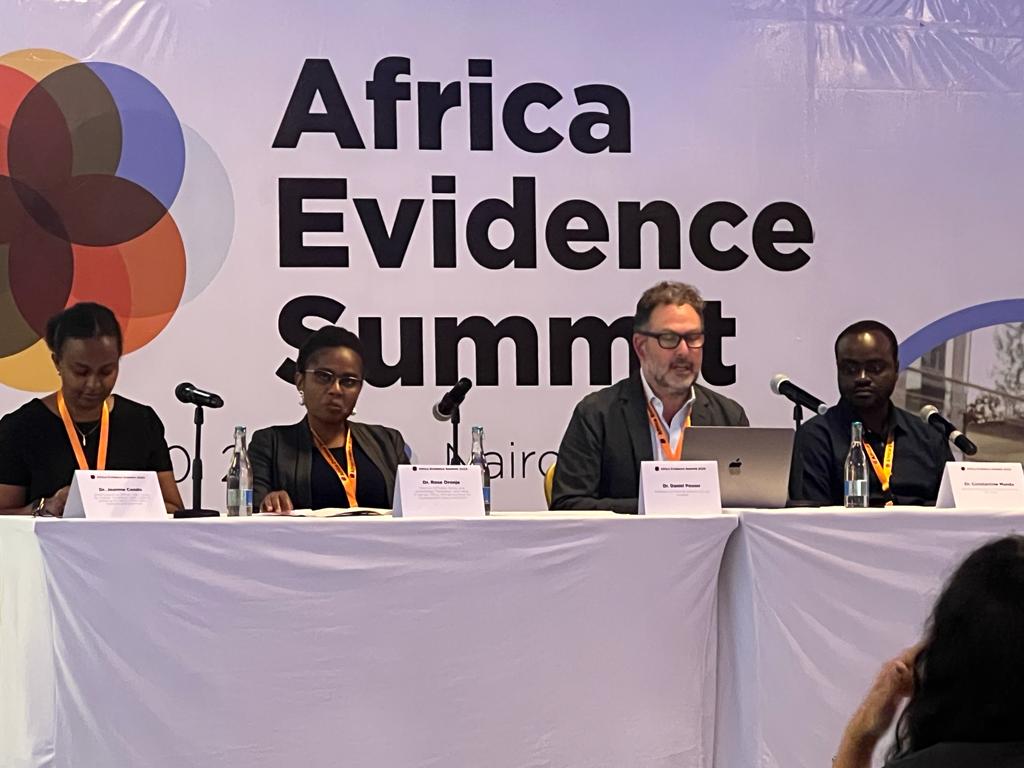
How do we best promote collaboration?
How can various actors, including universities, African government, NGO’s and think tanks, best work together to support a more inclusive evidence ecosystem?
Using these questions as a guiding cost CEGA and NIERA were prompted to start a collaboration for inclusive research which was introduced in the last year’s summer.
CEGA exposed this question through research studies that are jointly led by CEGA and NIERA researchers and will conduct advocacy and stakeholders’ mobilization once the study is completed.
Promoting African research
One of the most important components in advancing the inclusion of African researchers and development researchers is promoting the publication of their research in widely-read peer review journals.
Addressing various incentives for African researchers to publish and not to publish, ways to remove the barriers to publications and policy translation are among several other challenges that African scholars face.
“Evidence suggests that Global South scholars have a low submission rate and are more likely to have their papers rejected before review, although further evidence suggests the same scholars are equally likely to have their work accepted conditional on being sent for reviews.
The point is the underrepresentation of African voices in the development literature. Is it a normal problem?” Daniel Posner, a professor of International Development at The University of California, Los Angeles, posed to the panel as a moderator.
The need to address these problems calls for an understanding of where they’re coming from because that’s where the solution lies.
The capacities for research in the continent remain low at the individual and institutional levels.
The research infrastructures in the continent and the level of investment remain low.
These very low submission rates and few publications reflect the limited resources and insufficient investment in Africa.
Changing the narrative
“If we are going to move from where we are and get more submissions from African researchers, we need more investment in research. That ensures there is research infrastructure,” said Dr. Rose Oronje.
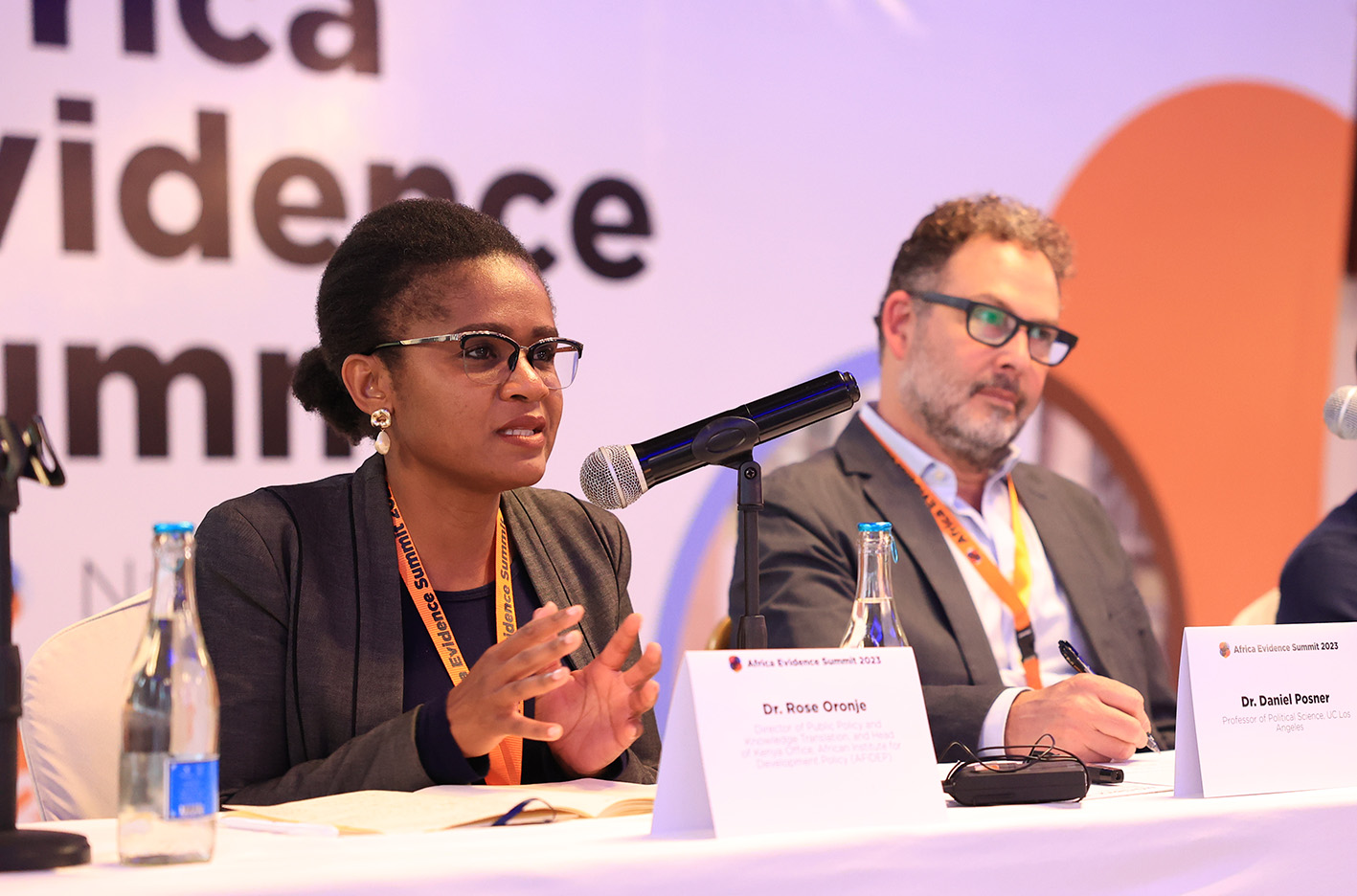
She is the Director for Public Policy and Knowledge Translation and Head of the Kenya office of the African Institute for Development Policy (AFIDEP).
Researchers from the Global South should not only consider publishing but also consolidate findings into policies and actions.
Research organizations need to bring different approaches, accepting to be the editors in the different journals and an understanding of the language of different journals with their importance too.
General researchers also need to know who their work partner is in their work with researching platforms and grants being open to create an open opportunity for all to grab.
YOU CAN ALSO READ: EMSK 8th International Conference: Research, the Magic Button to 21st Century Education Systems
Finally, we can never do this ourselves; we need to bring policymakers on board to try to pull the government as well to be part of the conversation to understand the research and it’s findings, and have the papers published