






























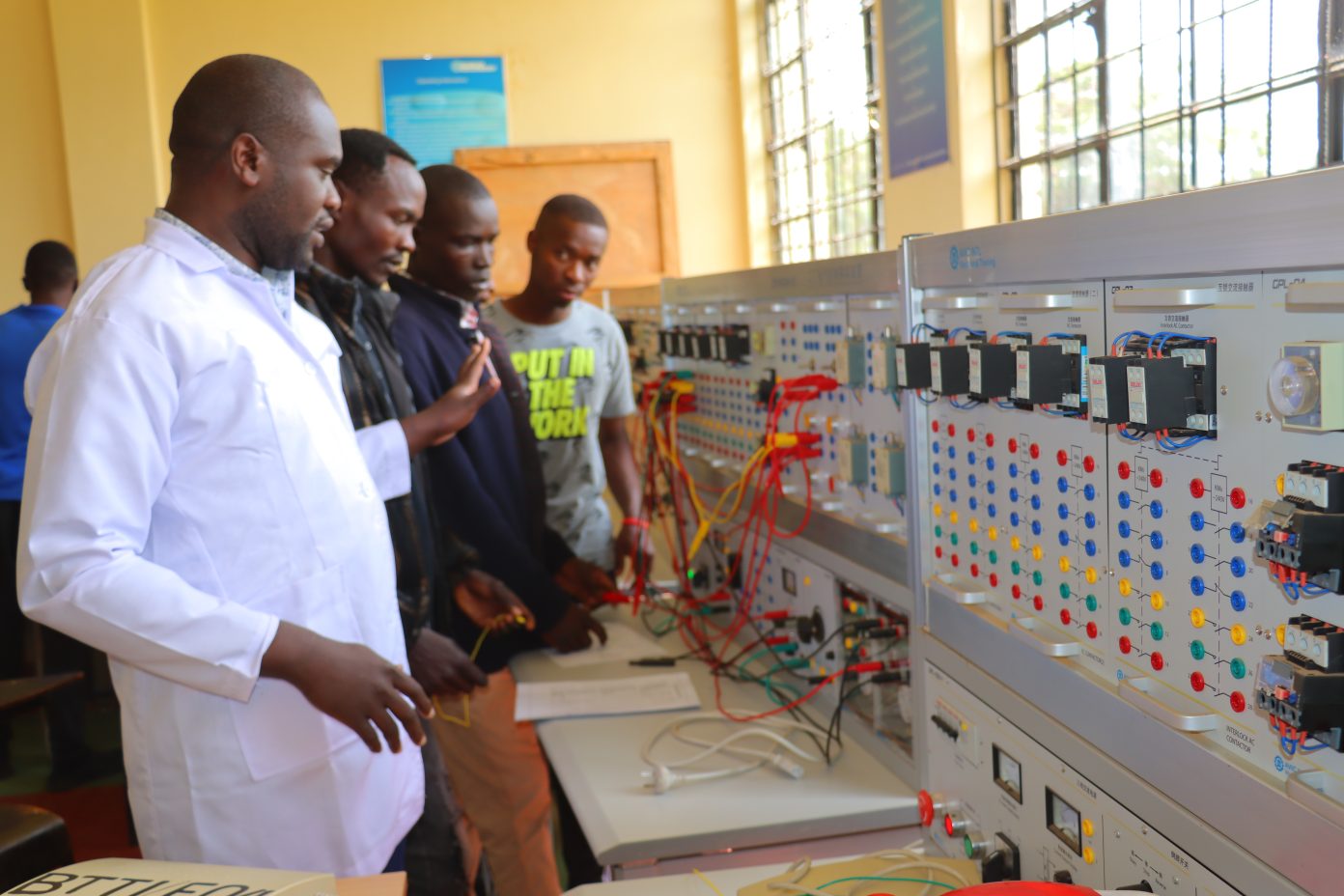
- Quality assurance in Africa’s TVET sector must evolve from a narrow compliance-based system to an outcome-driven approach that prioritizes real workplace competencies, industry collaboration, and continuous improvement in training.
- The growing diversity of TVET providers, including public institutions, private colleges, and informal apprenticeship systems, requires flexible quality assurance frameworks that recognize different training contexts while maintaining credible and consistent standards.
- Strengthening quality assurance through industry engagement, recognition of prior learning, digital monitoring systems, and investment in trainer development is essential for aligning vocational training with labour market needs and supporting Africa’s economic transformation.
Across Africa, technical and vocational education and training (TVET) has shifted from the periphery of education policy to a central pillar of national development strategies. Governments increasingly recognize that vocational training is essential for addressing youth unemployment, strengthening industrial capacity, and equipping young people with practical skills for modern economies. As the sector expands, however, an important question emerges: how can countries ensure that the training provided is relevant, credible, and of consistently high quality?
Addressing this question requires a fundamental rethinking of quality assurance within the TVET ecosystem. Traditionally, quality assurance has been viewed mainly as a regulatory function focused on inspections and compliance with minimum standards. While regulation remains important, the demands of today’s skills-driven economies call for a broader approach. Quality assurance must move beyond checking institutional compliance and instead support continuous improvement in training, stronger industry partnerships, and the development of practical competencies among graduates.
The vocational training landscape across Africa has grown rapidly in recent years. Public technical institutions have expanded significantly, while private providers, faith-based organizations, and community training centres have emerged to increase access to skills development. At the same time, informal apprenticeship systems continue to play a major role in skills transmission, particularly in sectors such as construction, automotive repair, tailoring, and carpentry.
Kenya offers a clear example of this diversified TVET ecosystem. The country’s skills development framework includes National Polytechnics, Technical Training Institutes (TTIs), Technical and Vocational Colleges (TVCs), Vocational Training Centres (VTCs), private TVET institutions, specialized technical institutes, industry training centres, and informal apprenticeship pathways. Each of these plays a distinct role in preparing learners for different segments of the labour market.
While this diversity expands opportunities for learners, it also creates challenges for maintaining consistent training standards. In many African countries, responsibility for skills development is distributed across several ministries, including education, labour, youth affairs, and industry. Each institution often operates under different priorities and regulatory frameworks. As a result, the quality of training tend to vary considerably between institutions and regions.
Existing quality assurance systems often struggle to respond effectively to these complexities. Many regulatory frameworks were originally designed for traditional academic institutions rather than practical, competency-based training environments. Consequently, evaluation processes tend to emphasize inputs such as infrastructure, documentation, and staff qualifications. Although these elements are important, they do not necessarily guarantee effective skills training.
A well-equipped workshop or comprehensive policy manual does not automatically translate into competent graduates. Employers frequently note that many vocational graduates still require additional training before they can perform effectively in the workplace. This indicates a deeper structural issue: quality assurance systems sometimes prioritize compliance with administrative requirements instead of measuring the actual competencies learners acquire.
Another limitation is the relatively weak involvement of industry in evaluating training quality. Employers are often consulted during curriculum development or advisory meetings, but their participation in quality assurance processes is usually limited. In vocational education, however, the workplace is the ultimate testing ground for whether training has been successful.
Without strong employer participation, training programmes risk drifting away from real labour market needs. Technologies, tools, and production methods change rapidly, yet curricula in some institutions may remain unchanged for several years. This gap can leave graduates with outdated skills and reduce the credibility of vocational qualifications.
The situation is further complicated by the significant role played by informal training systems across the continent. Informal apprenticeships remain one of the most important channels for skills acquisition in many African economies. Master artisans train large numbers of young people in practical trades, often through long-established traditions of mentorship and hands-on learning.
Despite their importance, these informal training pathways rarely fall within formal quality assurance frameworks. As a result, many individuals develop valuable skills but receive no recognized certification. This disconnect creates a paradox: capable workers exist, yet their competencies remain invisible within national qualifications systems.
One approach to addressing this challenge is the recognition of prior learning (RPL). RPL systems assess and formally certify skills acquired outside traditional educational settings. By validating the competencies of individuals trained through informal apprenticeships, RPL can connect informal learning with national qualification frameworks. This not only enhances mobility for skilled workers but also encourages alignment between informal training practices and recognized standards.
More broadly, quality assurance frameworks must shift their focus from institutional inputs toward measurable outcomes. Instead of concentrating primarily on facilities or documentation, regulators should examine whether graduates can demonstrate the skills required in real workplaces. Competency-based assessment, practical examinations, and workplace evaluations can provide more reliable indicators of training effectiveness.
Another important consideration is the need for flexible quality assurance models that recognize the diversity of training providers. Not all institutions serve the same purpose or operate under similar conditions. A small community training centre in a rural area cannot reasonably be assessed using the same criteria applied to a large national technical institute.
Differentiated quality assurance approaches can support innovation and inclusion while still protecting training standards. Smaller community providers may require lighter regulatory frameworks that emphasize mentorship and practical outcomes, while advanced technical institutes may undergo more rigorous evaluations linked to industry benchmarks and research capacity.
Industry engagement must also become a core component of quality assurance systems. Employers should contribute to defining occupational standards, participate in competency assessments, and help validate training programmes. In some cases, companies can collaborate directly with training institutions by providing workplace learning opportunities, modern equipment, and expert instructors.
Such partnerships benefit both sides. Training institutions gain access to current technologies and professional practices, while employers benefit from graduates who are better prepared to meet workplace expectations. Strong collaboration also helps ensure that training programmes evolve in line with economic and technological changes.
Technology offers additional opportunities to modernize quality assurance processes. Digital platforms can streamline accreditation procedures, enable electronic documentation, and support the collection of performance data across institutions. For instance, graduate tracer studies that once relied on manual surveys can now be conducted through mobile platforms, allowing regulators to track employment outcomes more efficiently.
Digital systems also support risk-based approaches to regulation. Instead of relying exclusively on periodic inspections, regulators can monitor key indicators such as completion rates, employment outcomes, and employer feedback. Institutions that demonstrate consistent performance may require less frequent oversight, while those facing challenges can receive targeted guidance and support.
However, technological tools alone will not resolve the deeper issues facing quality assurance systems. Institutional capacity remains a major concern. Many quality assurance agencies across Africa operate with limited staffing and resources despite overseeing rapidly expanding education sectors. Strengthening these institutions—particularly by developing inspectors and evaluators with expertise in vocational training—is essential for effective oversight.
Equally important is the professional development of trainers. The effectiveness of any training system ultimately depends on the competence of its instructors. Opportunities for trainers to gain industry exposure, update technical knowledge, and strengthen teaching skills are critical for improving training quality. In many cases, investment in trainer development may have a greater impact than investment in additional buildings or equipment.
Ultimately, strengthening quality assurance in vocational education requires sustained political commitment. Expanding access to training without safeguarding quality risks undermining public confidence in the entire system. When graduates struggle to find employment despite holding qualifications, both learners and employers begin to question the value of vocational education.
Africa’s demographic trends make this issue particularly urgent. Millions of young people enter the labour market each year seeking meaningful work and opportunities for economic advancement. Effective vocational training systems can play a decisive role in addressing this challenge—but only if the skills they deliver align with labour market needs.
Quality assurance must therefore evolve into a strategic tool for economic development rather than remaining a purely bureaucratic process. Policymakers must ensure that quality frameworks are closely aligned with labour market intelligence and emerging economic opportunities.
Reimagining quality assurance in Africa’s TVET ecosystem is not simply an administrative reform. It is an investment in human capital and a critical component of the continent’s long-term economic transformation. By placing competence, collaboration, and innovation at the centre of quality systems, African countries can strengthen vocational institutions and ensure that training genuinely prepares young people for the opportunities and challenges of the future.
YOU MAY ALSO READ: Leadership in Schools is the Missing Link in Kenya’s Education Reforms
The Author is a Professor of Chemistry at University of Eldoret, a former Vice-Chancellor, and a Higher Education expert and Quality Assurance Consultant. Contact: okothmdo@gmail.com