





















- Kenya is transforming its education system by investing in teachers, timely funding, and strategic reforms to ensure every learner has access to quality and relevant learning opportunities.
- CS Julius Ogamba emphasizes that schools must be strengthened based on capacity and performance, while smaller institutions are supported thoughtfully, ensuring resources benefit the greatest number of students.
- Education in Kenya must rise above politics, with government, legislators, parents, and communities working together to create safe, empowering, and future-ready learning environments for all children.
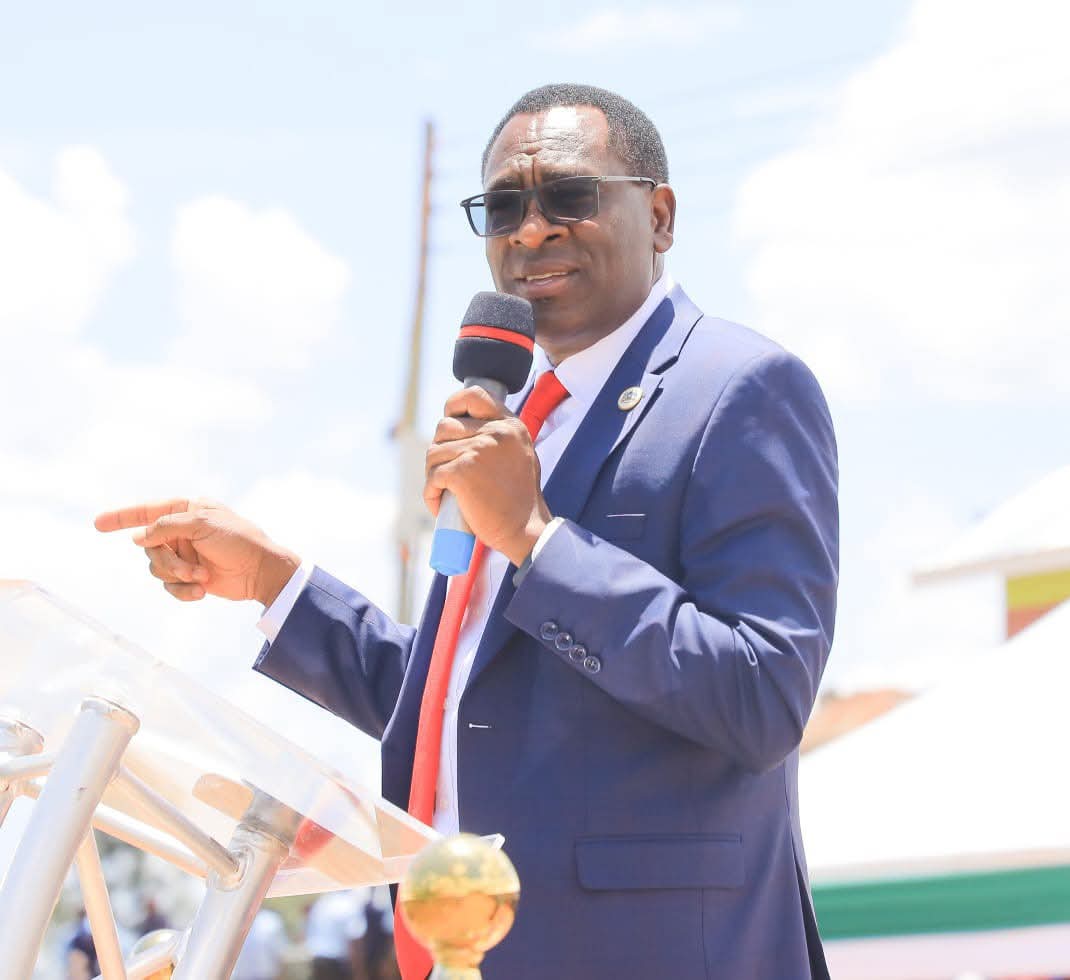
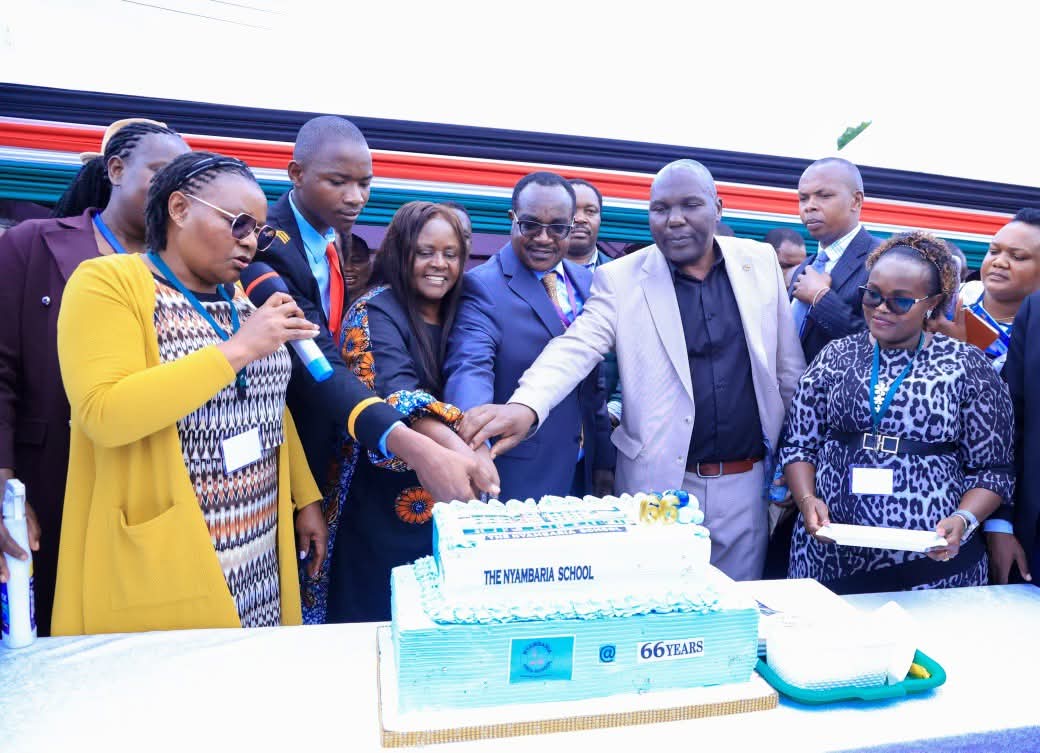
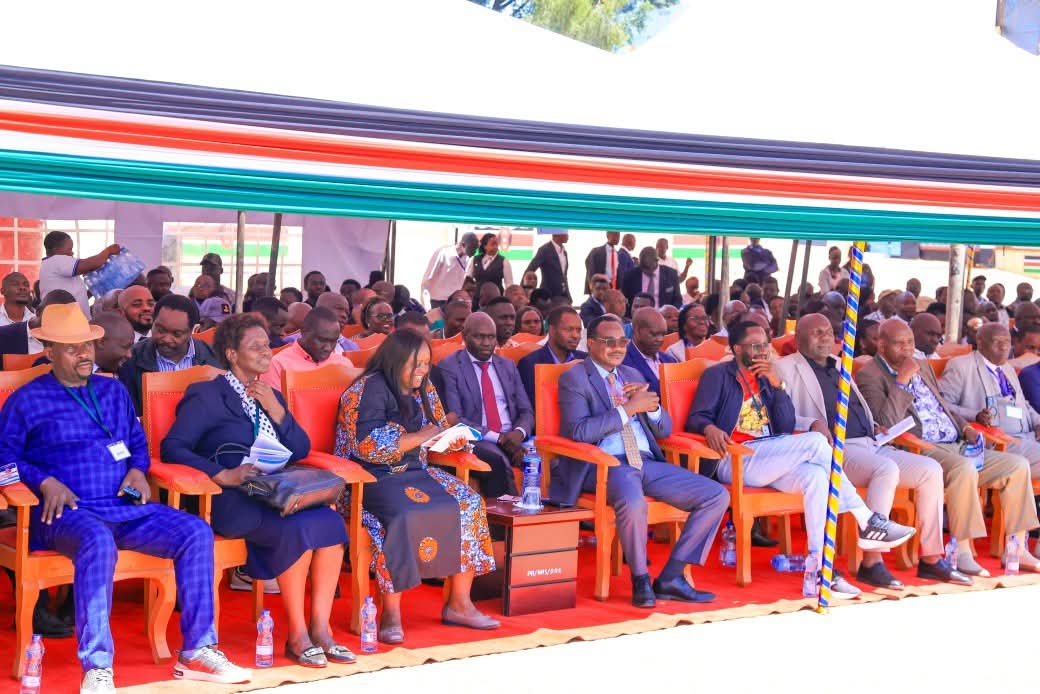
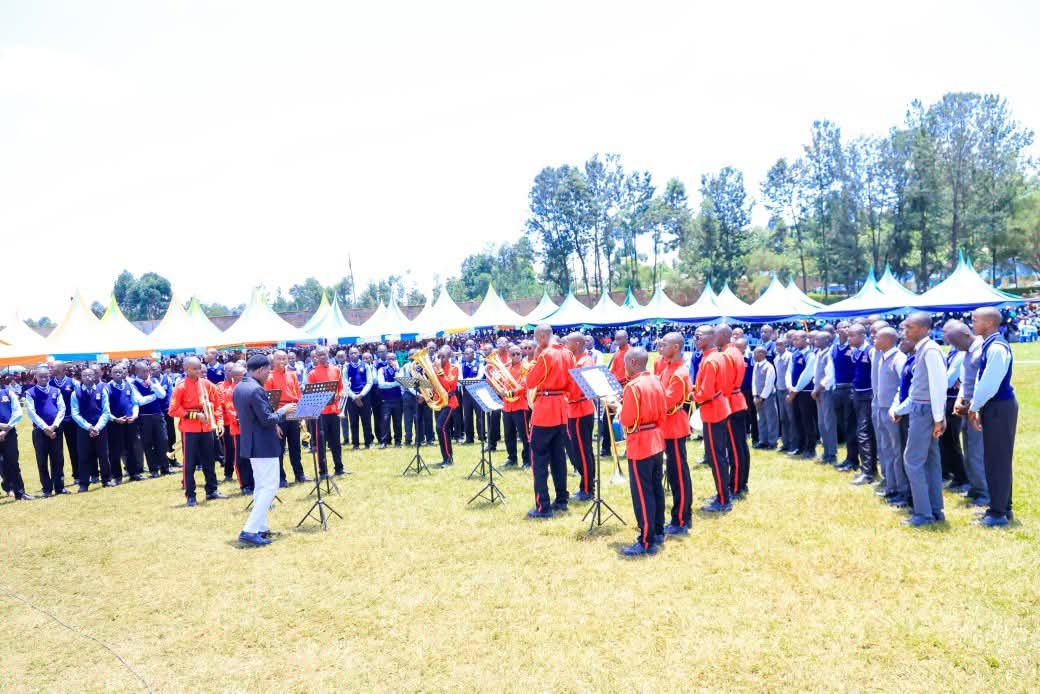
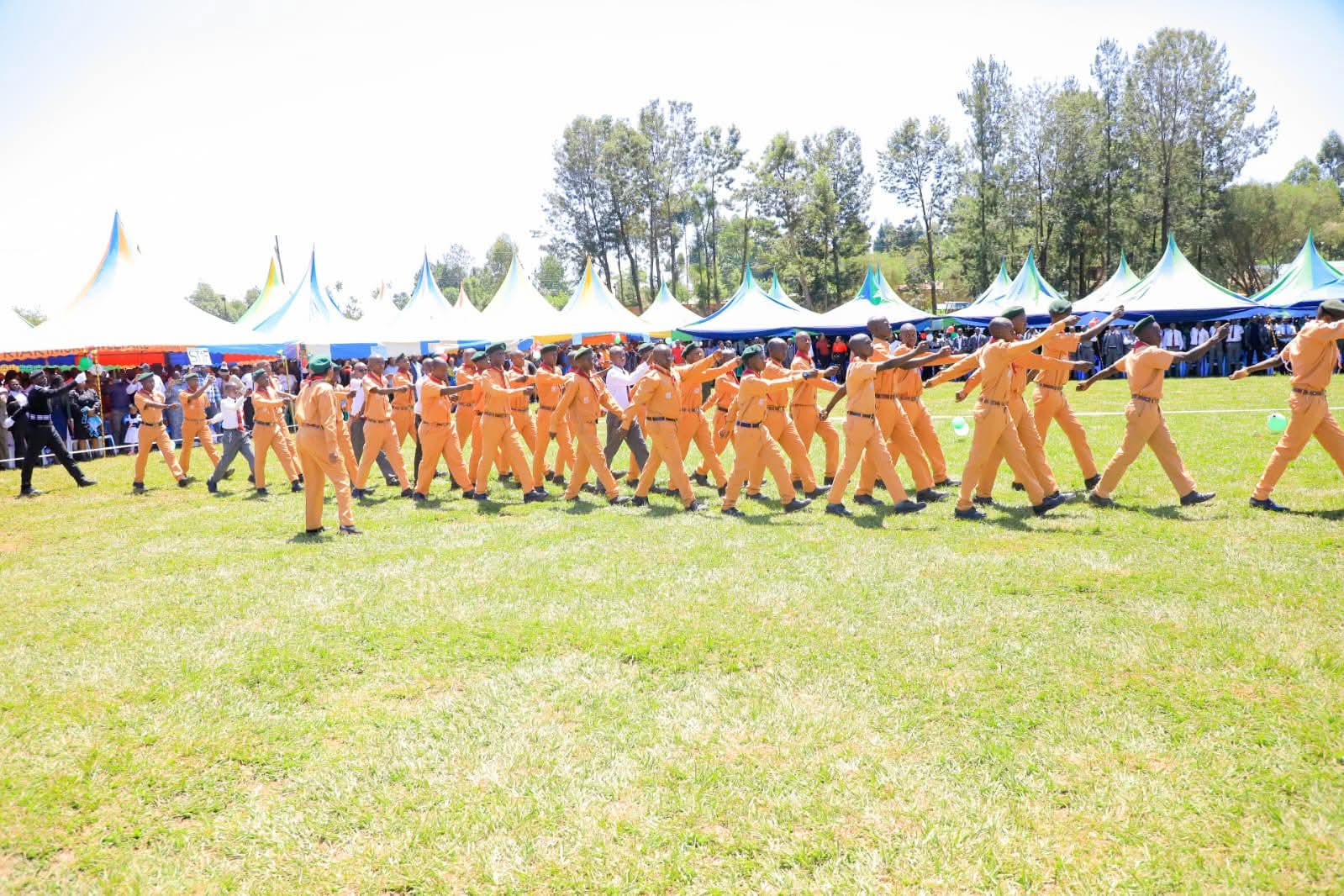
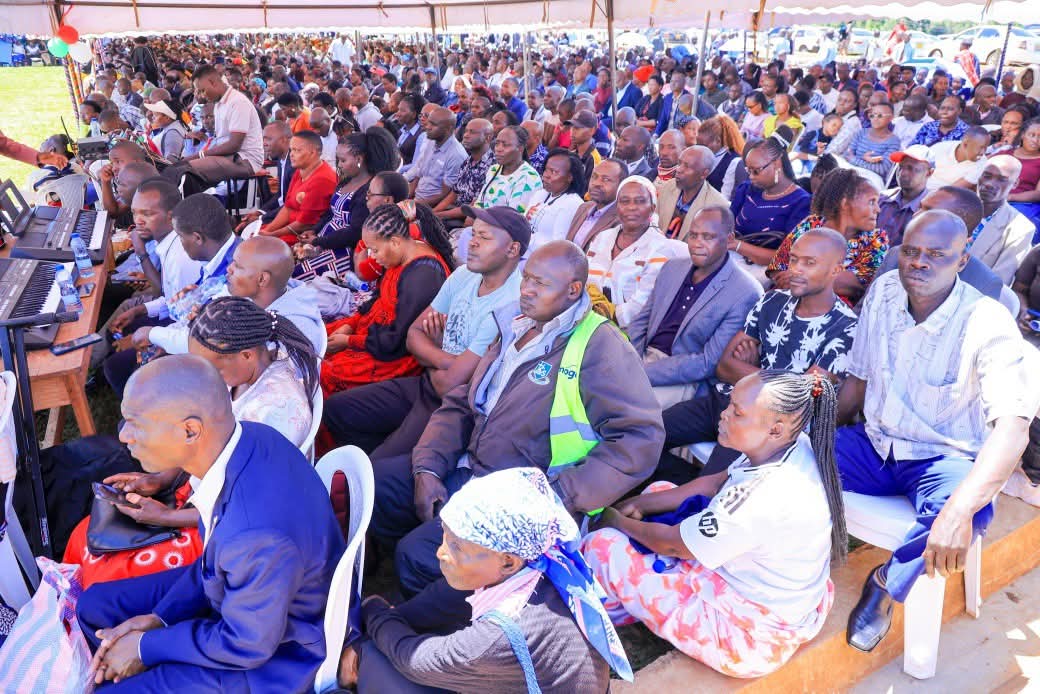
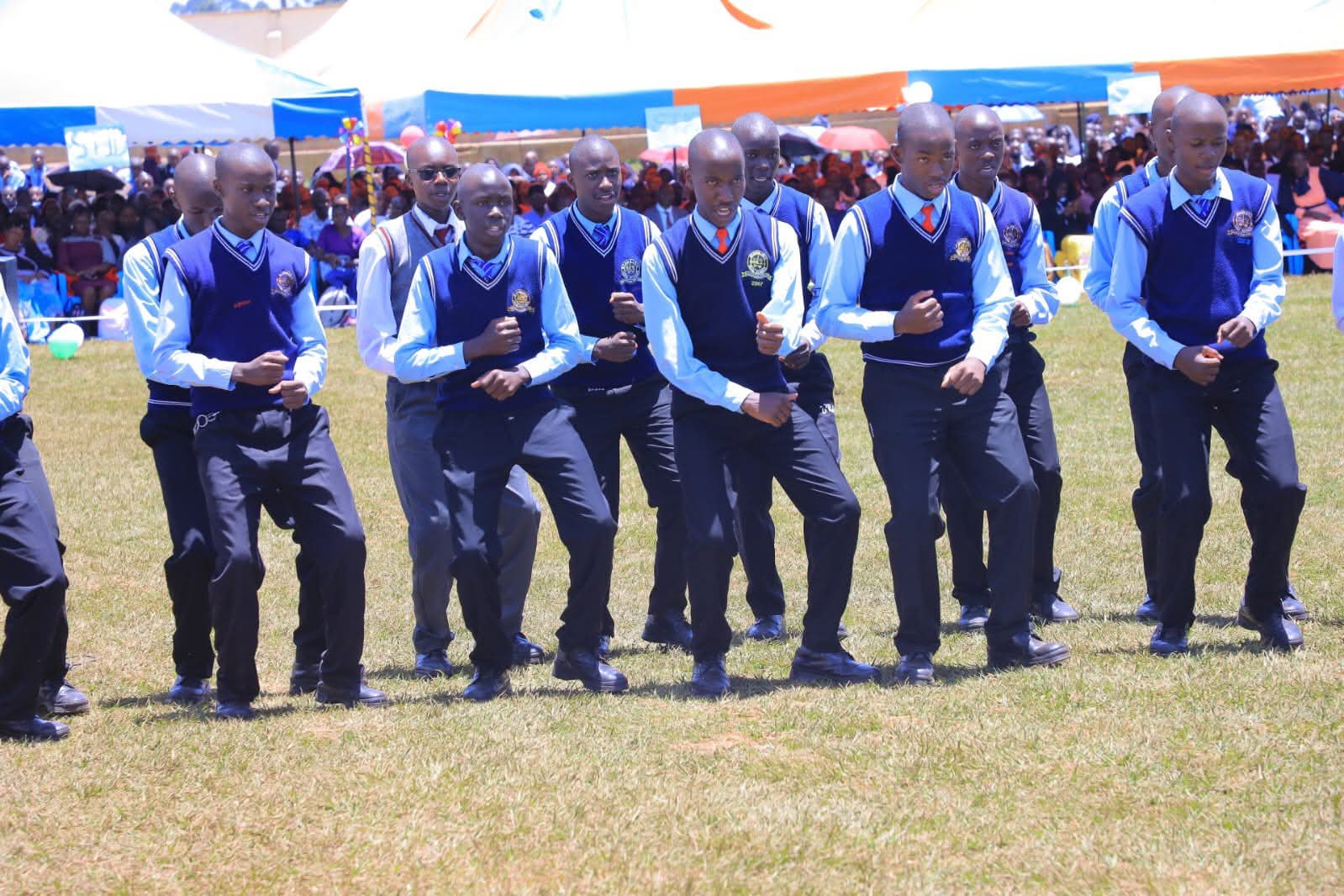
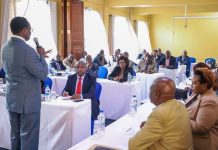
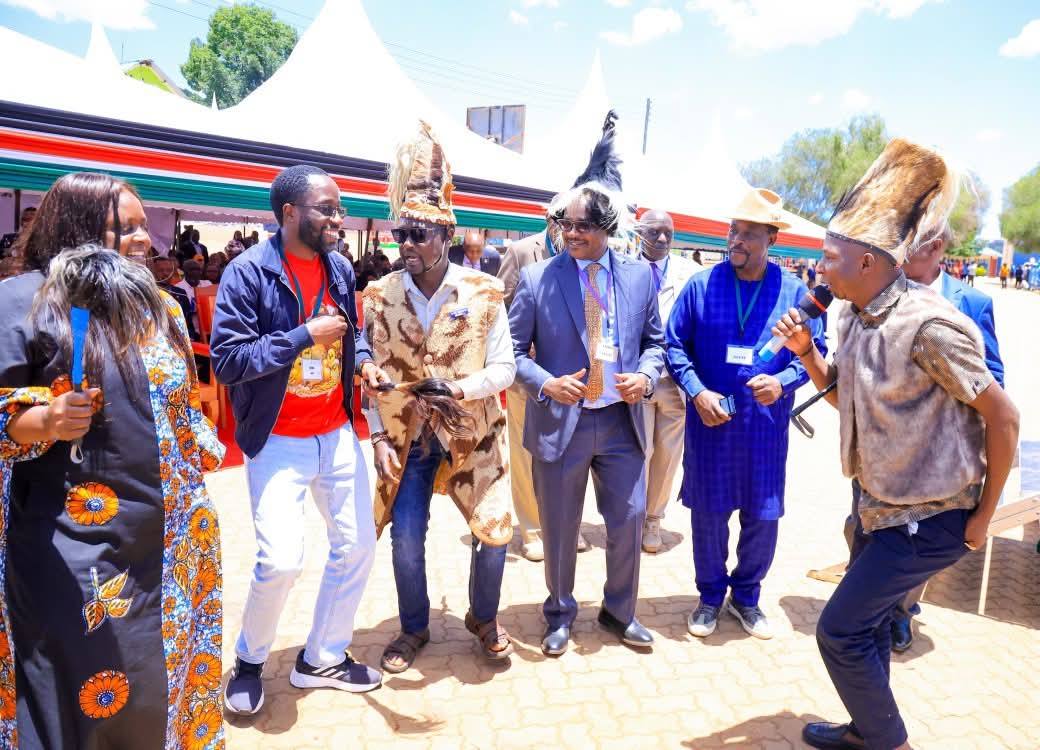
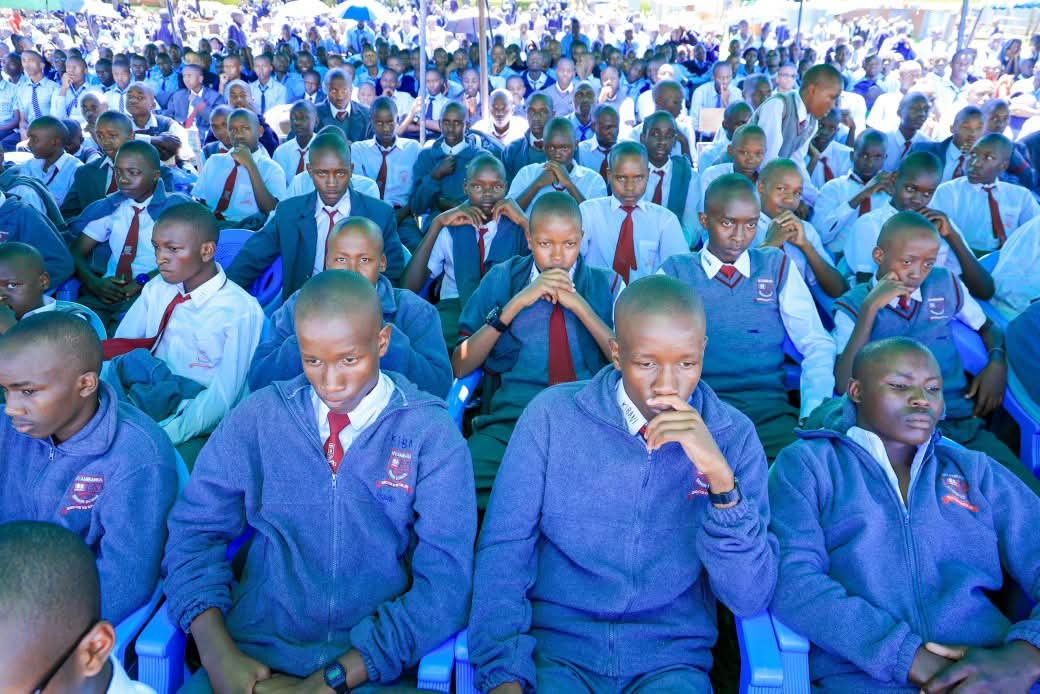
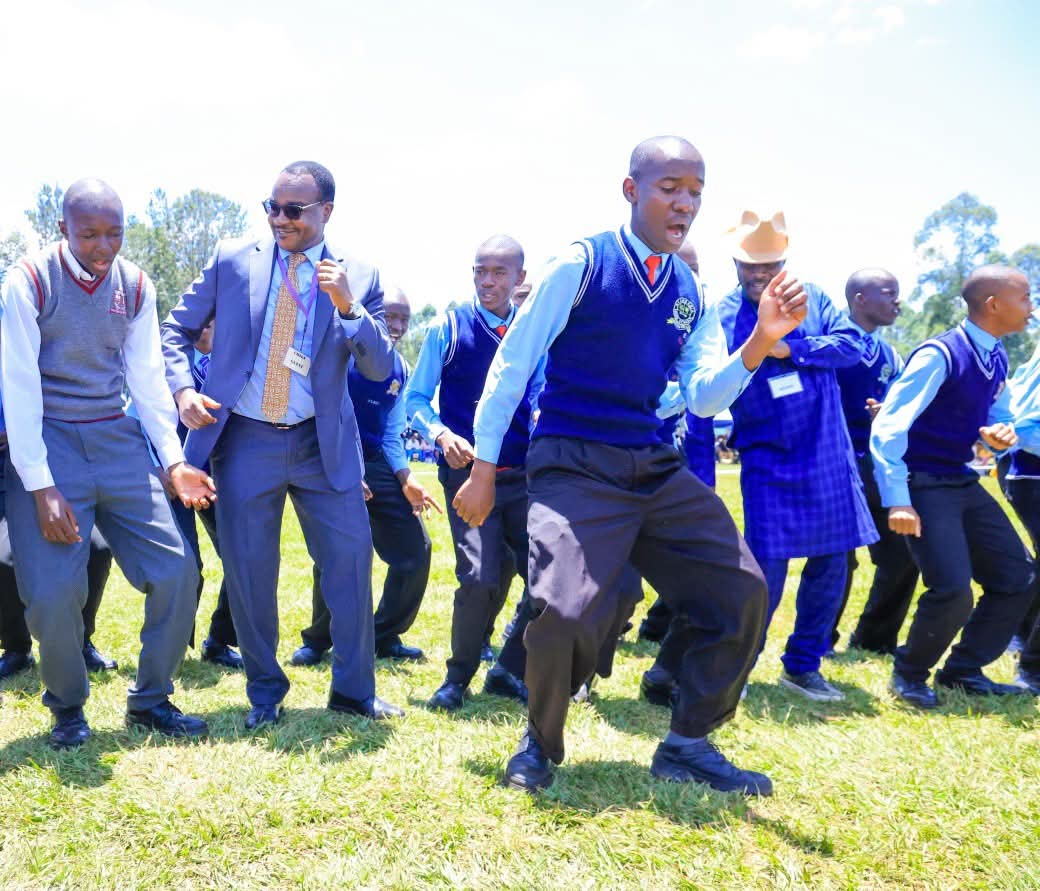
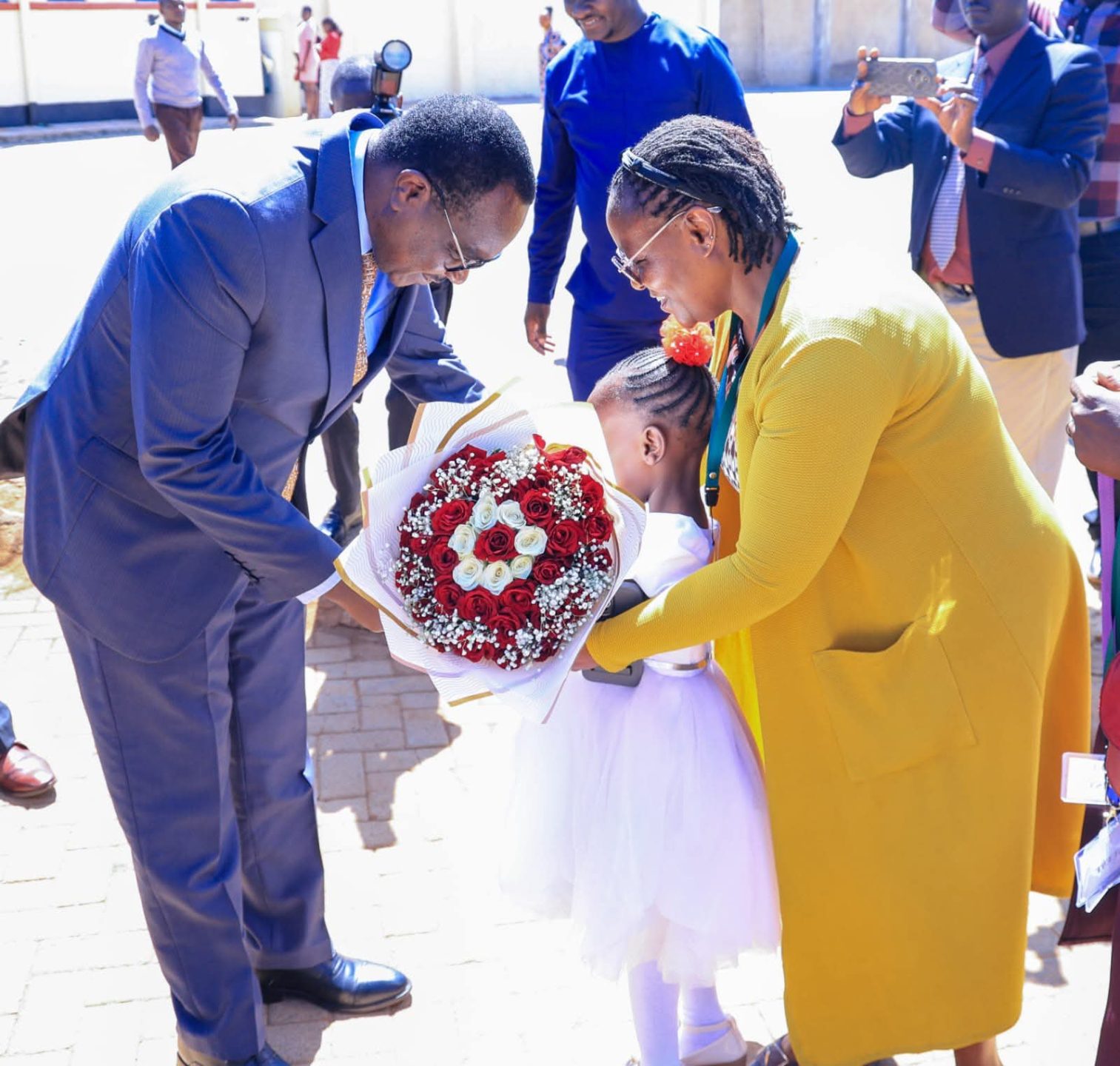
On March 9, 2026, in an inspiring ceremony at Nyambaria High School in Nyamira County, Education Cabinet Secretary Julius Migos Ogamba laid out the Kenyan government’s renewed commitment to transforming the nation’s education system. The occasion brought together a celebration of the school’s 66th anniversary and the orientation of the first cohort of Grade 10 students under the newly implemented Competency‑Based Education (CBE) framework.
Against a backdrop of tradition and change, CS Ogamba spoke with clarity about the strides being made and the work yet to be done. His address conveyed not only the government’s resolve to improve learning outcomes but also its intention to ensure that every child, regardless of background, is afforded opportunities to succeed.
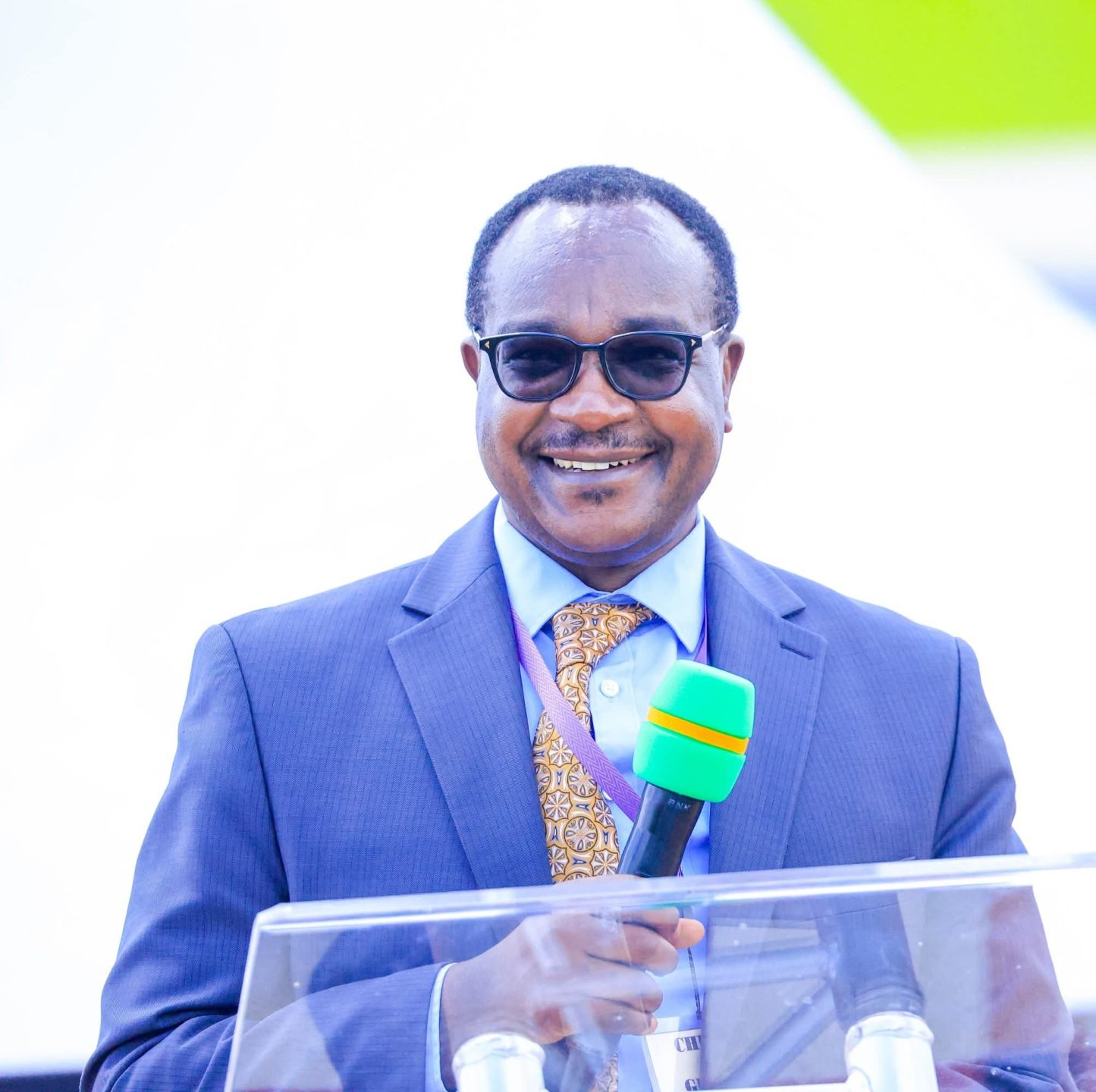
“This is a defining moment for Kenya’s education journey,” Ogamba said to a packed auditorium of students, parents, teachers and community leaders. “We are building a system that focuses on competencies and skills that prepare learners for life, not just examinations.”
Strategic Teacher Expansion and Empowerment
Central to the government’s strategy is strengthening the teaching force. In the past three years, Ogamba confirmed, the Ministry of Education has recruited 100,000 teachers across public schools. He emphasized that this investment goes beyond numbers; it reflects a deeper commitment to ensuring that classrooms are led by capable, motivated educators who can deliver the new curriculum with confidence.
“We are reshaping teaching so that our learners benefit from instructors who can nurture curiosity and critical thinking,” he said. “A well‑trained teacher is the greatest resource any child can have.”
In addition to recruiting, the Ministry has invested heavily in upskilling teachers, preparing them to deliver Kenya’s reformed education system effectively. This includes professional development programmes focused on the practical application of Competency‑Based Education principles.
On‑Time Funding for Seamless Learning
One of the most persistent issues schools have faced in recent years has been the late release of capitation funds, which are meant to sustain school operations and ensure students can focus on learning without interruption.
CS Ogamba announced with pride that this term’s funds were disbursed before the start of school, a milestone that reflects the government’s commitment to financial predictability in education.
“This marks the first time in many years that funds have reached schools ahead of term opening,” he said. “We are committed to disbursing on time consistently so that schools do not face disruptions due to funding delays.”
He challenged school administrators to honour this trust by using resources efficiently and transparently in the best interests of learners.

Addressing School Classification and Learner Placement
The shift to a new education structure has brought concerns about how schools are classified and how students are placed at the senior secondary level. Smaller schools, in particular, have worried about their ability to remain competitive and attract students.
Ogamba responded thoughtfully, saying the government’s intention is not to kill institutions but to strengthen the system overall.
“We cannot let schools with shrinking enrollment struggle at the expense of learners’ futures,” he said. “Where enrollment declines naturally, we will allow institutions to pause, and we will channel resources into schools with capacity to serve larger numbers of students, expand infrastructure and offer diverse opportunities.”
He noted that land size or tradition should not be the sole measure of a school’s future, insisting on a strategic approach that serves the best interests of the majority.
Keeping Education Above Politics
Throughout his address, CS Ogamba stressed that education must rise above political point‑scoring.
“This sector belongs to our children and to the future of this nation,” he said. “We must all work together to protect it from divisive politics.”
His message found resonance among elected leaders present at the event.
Leaders Reaffirm Support for Learners
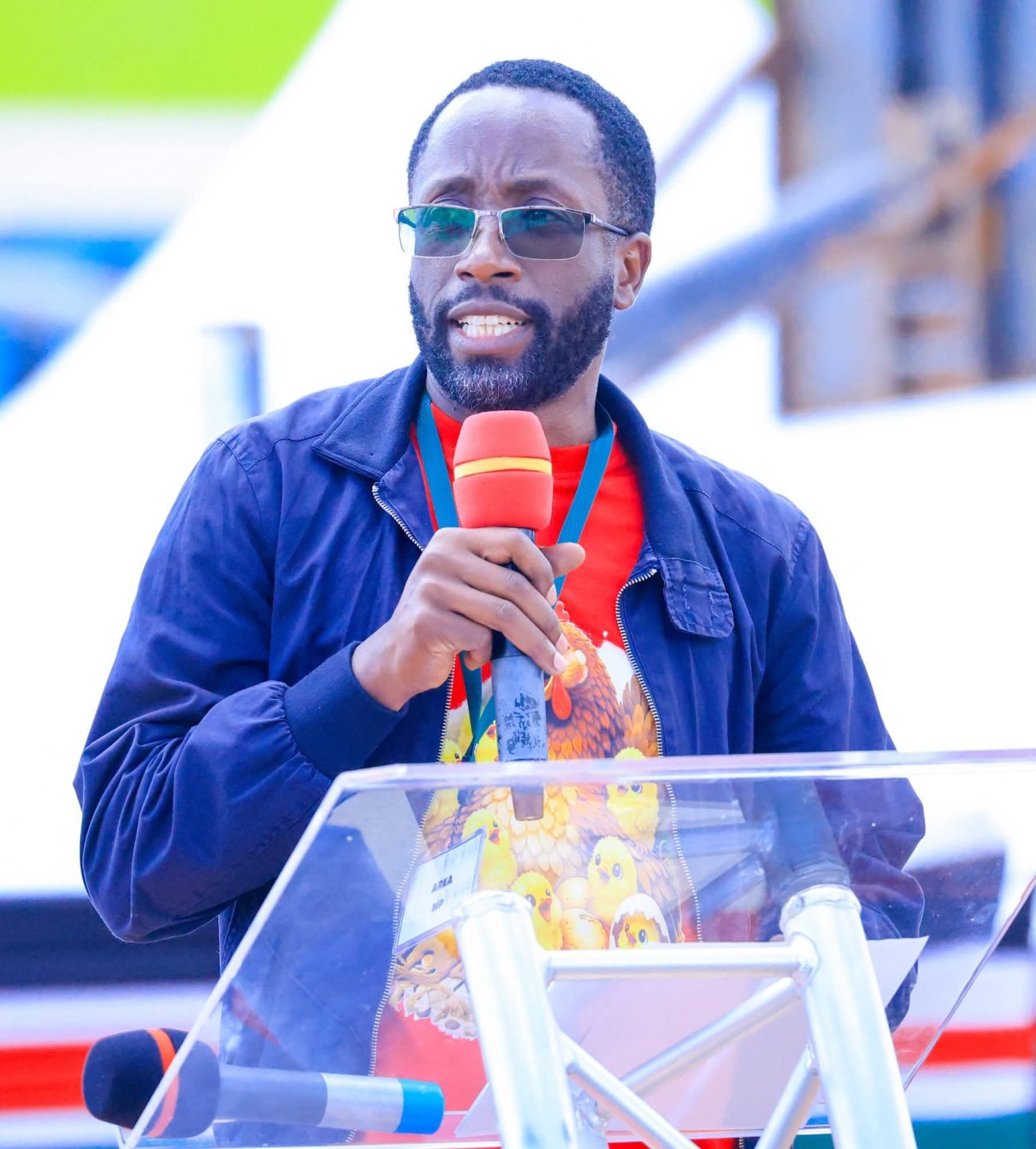
Kitutu Masaba Member of Parliament Clive Gisairo praised Chief Principal Charles Onyari for his stewardship and the progress Nyambaria High School has made under his leadership.
“Principal Onyari’s dedication to this school and its learners has been remarkable,” MP Gisairo said. “We will continue to support efforts that uplift schools and ensure that every child has access to quality learning.”
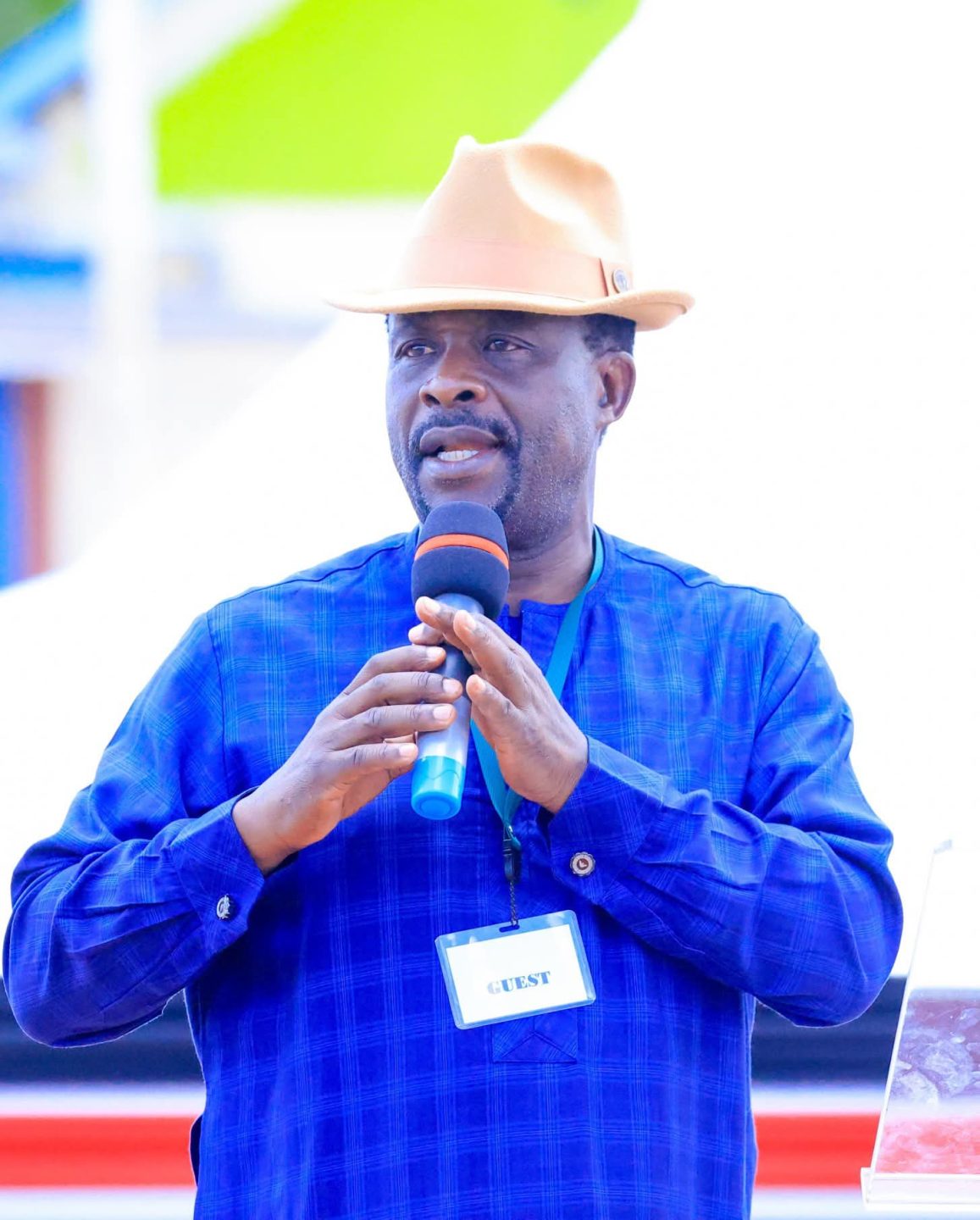
West Mugirango MP Steve Mogaka reinforced this point by focusing on the learner experience.
“Our children deserve every chance to excel without barriers or sabotage,” he said. “We must remove obstacles and enable our youth to pursue their dreams.”
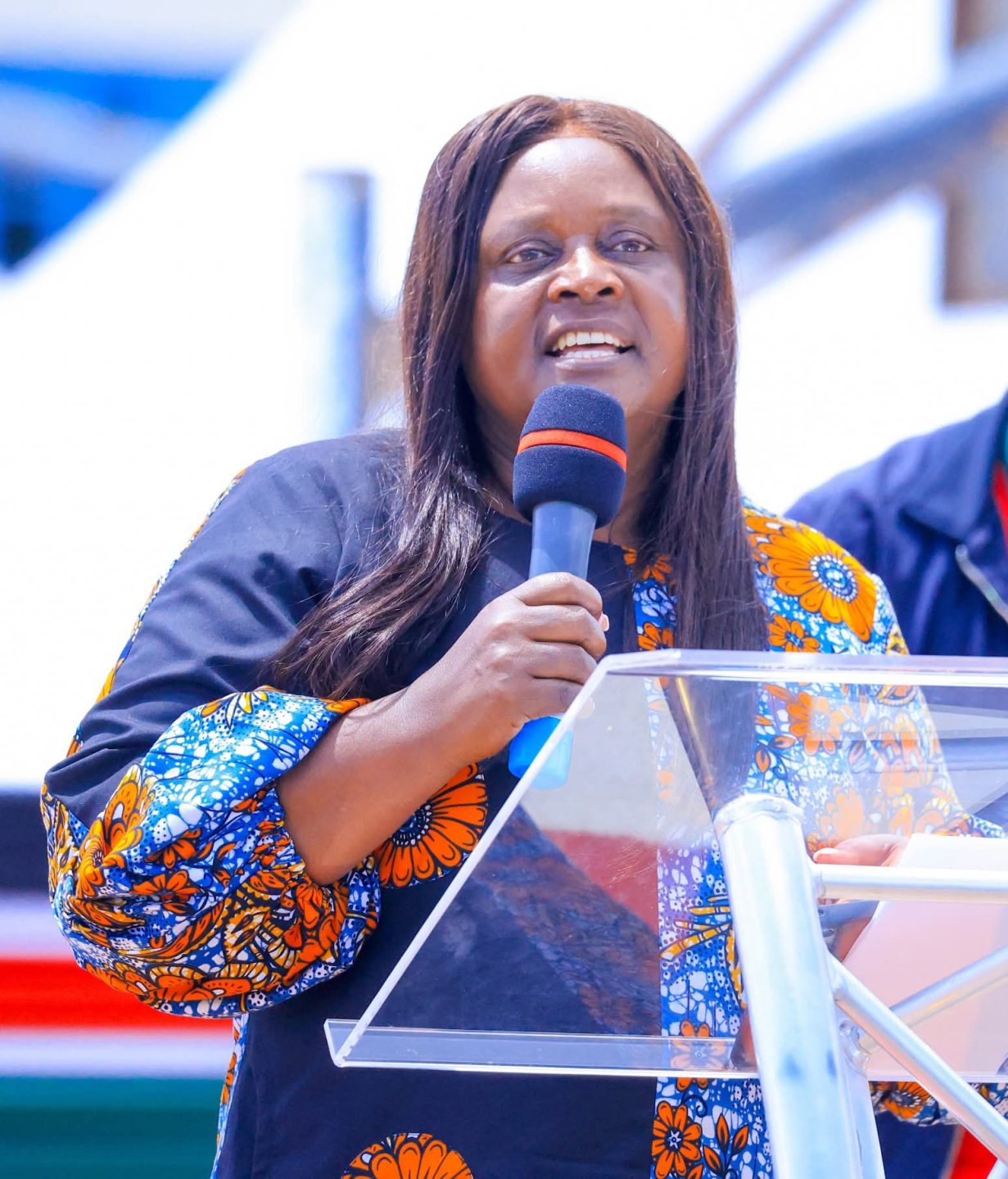
Adding her voice to the chorus of support, Nyamira Woman Representative Jerusha Momanyi urged collaboration from all stakeholders to ensure that education remains inclusive and effective.
“We cannot talk about development without investing in education,” Momanyi said. “Parents, teachers, government and the community must work together to create environments where learners are safe, encouraged and empowered to reach their potential. Let us hold hands and make education a priority for every child in Nyamira and beyond.”
Her words resonated with parents and educators alike, reminding the gathering that education is a shared responsibility that extends beyond the classroom.
A Vision Grounded in Action
CS Ogamba’s address at Nyambaria High School offered a compelling vision of Kenya’s education transformation, one that prioritizes teacher quality, timely funding, support for infrastructure, and meaningful reforms that expand access and opportunity.
As Kenya implements its education reform agenda, these commitments provide a foundation for building an education system that is not only equitable and inclusive, but also responsive to the needs of learners in a rapidly changing world.
YOU MAY ALSO LIKE: When Fees Meet Futility: The Principal’s Dilemma
PICTORIAL