
























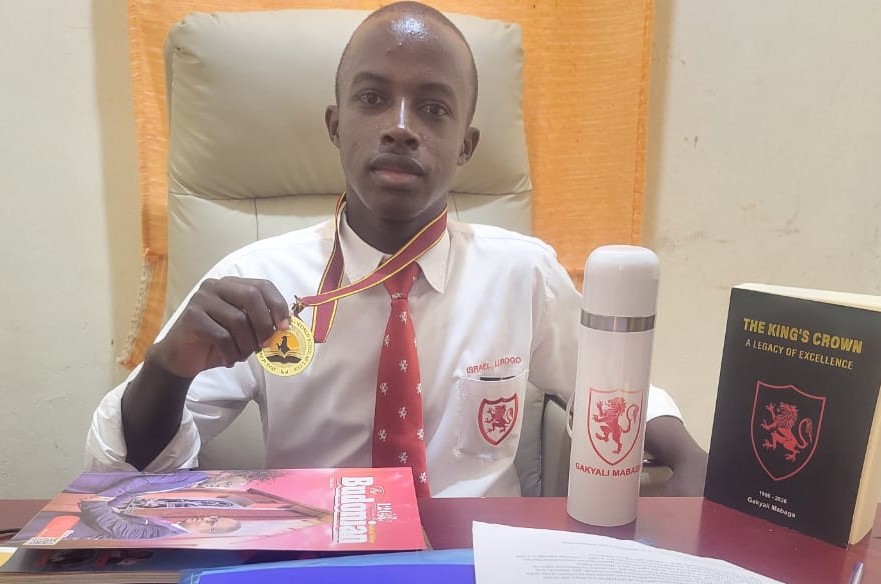
- Israel Lubogo represents a rising generation of African intellectuals using scholarship, authorship, and creative writing to influence society and preserve cultural identity.
- His recognition at the World Scholars Award reflects not only literary talent, but also a growing body of work spanning leadership, history, law, and philosophical thought.
- Scholar Media Africa remains committed to celebrating and elevating young African thinkers, writers, and innovators whose ideas are helping shape the future of the continent.
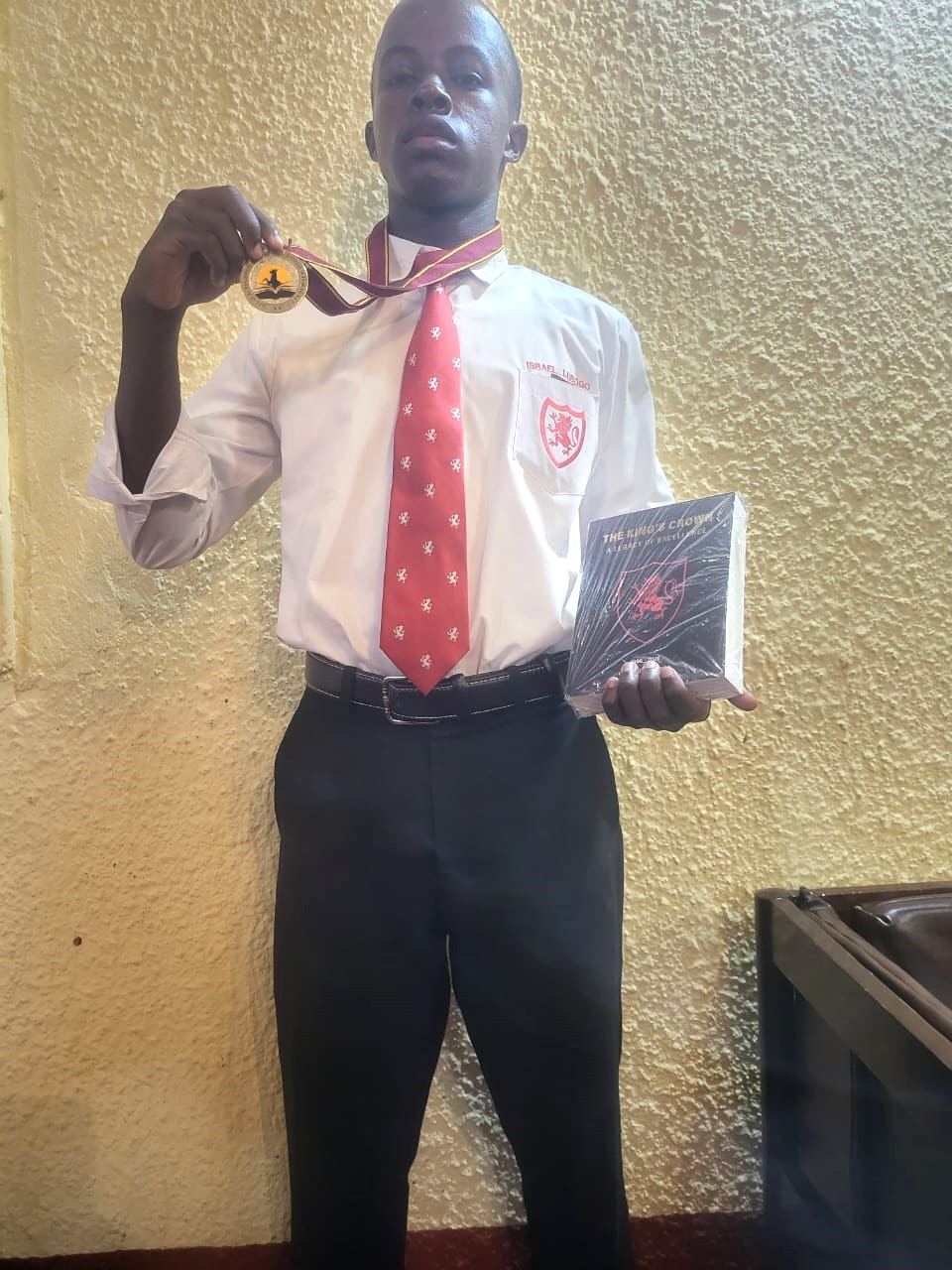
Recognition often arrives long after the work has already spoken for itself. For Israel Y.K. Lubogo, being named among the Best Creative Writers at the World Scholars Award is not the beginning of excellence. It is the public acknowledgment of a journey already marked by scholarship, authorship, leadership, and rare intellectual maturity.
At a time when many students are still discovering their direction, Israel has already built a body of work that stretches across leadership, history, law, philosophy, language preservation, and global discourse. His achievement therefore carries significance far beyond personal success. It represents the emergence of a new generation of African thinkers determined not only to excel academically, but also to shape ideas, preserve identity, and contribute meaningfully to society.
For a young scholar from King’s College Budo, one of Uganda’s most respected academic institutions, this recognition stands as a powerful statement about the future of African intellectual leadership.
A Young Scholar Already Building a Legacy
Some students win awards. Others build a body of work. Israel belongs to the latter.
His published works reveal a mind operating far beyond ordinary classroom achievement and steadily entering the realm of national and intellectual contribution.
Among his notable books is Servant Leadership: Where Faith Lit the Way (2025), co-authored with Stephen Mutiibwa Kato, then Head Prefect of King’s College Budo. Formally catalogued by Makerere University, the work was described as a collaborative masterpiece by two visionary young leaders from Budo.
The book explores leadership through humility, faith, discipline, and moral responsibility, presenting leadership not as authority over others, but as stewardship of purpose. Significantly, the repository specifically describes Israel as “an innovative Senior Four student,” a rare commendation for someone so young.
Israel’s scholarship extends beyond leadership literature.
He is also co-author of The History of Busoga: Advanced Level (UACE) Edition (S.5 to S.6) (2025), alongside Isaac Christopher Lubogo and Jireh Isaac Lubogo. More than a textbook, the work stands as an important contribution to historiography and cultural preservation.
The book interrogates how Busoga’s history has been written, who has written it, and the deeper political significance of preserving African historical memory. To engage in historical writing at such an early stage of life is to assume one of scholarship’s highest responsibilities: defending memory against erasure.
In A Right to Protect Indigenous Languages: A Threat Against Extinction (2023), co-authored with Isaac Christopher Lubogo, Jireh Isaac Lubogo, and Zion Margaret Lubogo, Israel participates in a profound defense of indigenous languages against extinction, globalization, and cultural disappearance.
Language is more than communication. It is identity, ancestry, memory, and civilization itself. To defend indigenous language is to defend the dignity and continuity of a people.
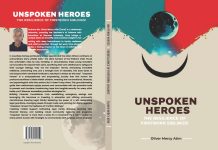
Israel also appears among the authors of Unveiling True Blackness: A Constant Fight Against Racial Discrimination and Neo Colonialism Against the Black Man (2024), a work confronting racial injustice and neo colonial structures affecting Black identity globally.
This demonstrates that his writing is not confined to academic excellence within school walls. His work engages larger philosophical and political conversations shaping the global African experience.
In Exploring Uganda’s Tourism Law: A Definitive Guide to Regulations, Compliance and Sustainable Travel (2024), he further contributes to legal scholarship by helping bridge law, governance, sustainability, and national development.
Few young writers move simultaneously across literature, history, law, leadership, and philosophy. That breadth itself signals intellectual seriousness.
Even more remarkably, Israel’s authorship extends into international legal and philosophical literature through multilingual editions of The Lawyer of the Future, published in German (Der Anwalt der Zukunft), Spanish (El abogado del futuro), and Italian (L’avvocato del futuro).
These works examine jurisprudence in the age of artificial intelligence, digital ethics, and the future of legal wisdom. Participation in works translated across languages and international markets reflects not only literary ambition, but also growing global intellectual reach.
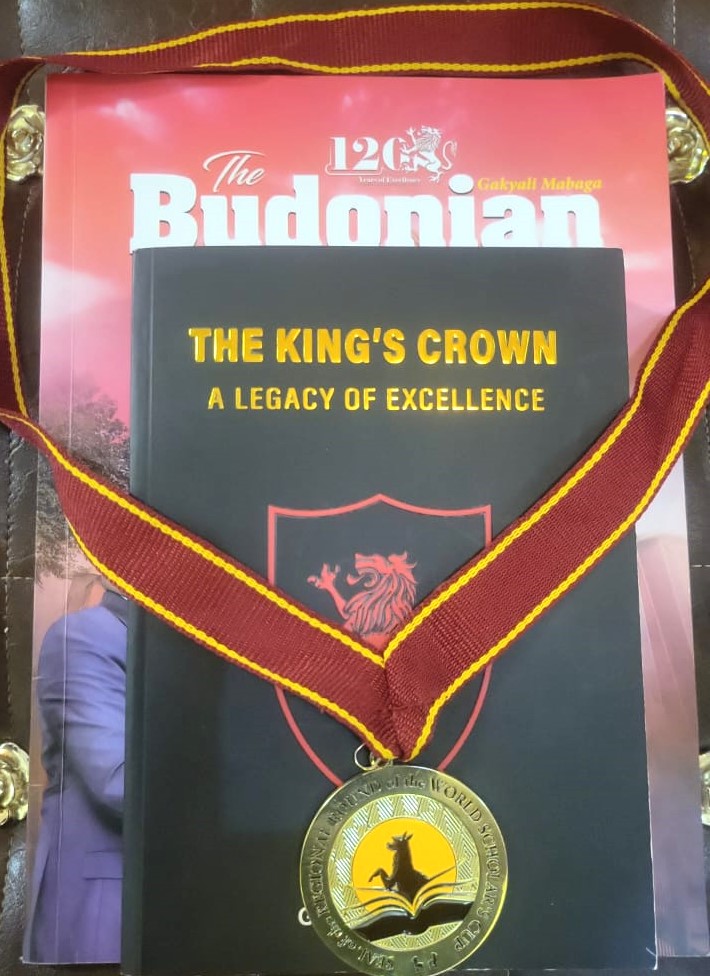
Why the World Scholars Award Matters
This is why the World Scholars Award carries deeper meaning.
Awards should never be understood merely as decoration. They are evidence.
And in this case, the evidence is overwhelming.
Israel is not simply a student who writes well. He is a young scholar already building a bibliography. He is not merely participating in education. He is contributing to it. He is not waiting for intellectual adulthood. He is already practicing it.
The title “Best Creative Writer” must therefore be understood properly.
Creative writing is not limited to fiction or poetry. It is the disciplined ability to transform thought into influence.
To write about leadership is creative.
To write history is creative.
To defend indigenous languages is creative.
To confront racial injustice is creative.
To rethink the future of law is creative.
At its highest level, creativity is not entertainment. It is civilization speaking through the pen.
At King’s College Budo, where excellence is expected and mediocrity is quickly exposed, such recognition carries profound significance.
Budo has produced presidents, judges, bishops, poets, scholars, and national thinkers. It may very well be producing another.
Today, Israel Y.K. Lubogo is celebrated as one of the Best Creative Writers at the World Scholars Award.
Tomorrow, he may be remembered for something even greater: becoming one of the intellectual voices that helped shape how his generation thinks, writes, leads, and remembers.
That is not mere praise.
It is prediction.
Scholar Media Africa’s Commitment to African Youth
At Scholar Media Africa, we believe Africa’s future will not only be shaped in boardrooms, laboratories, or political offices. It will also be shaped through books, ideas, research, storytelling, innovation, and courageous intellectual leadership.
The story of Israel Y.K. Lubogo is a reminder that African youth are not waiting for permission to contribute to the world. They are already doing so.
Across the continent, a new generation of scholars, writers, scientists, innovators, and creators is emerging with the power to redefine Africa’s place in global conversations. Their voices matter. Their ideas matter. Their work deserves visibility.
Scholar Media Africa remains committed to identifying, celebrating, and elevating young African excellence wherever it is found. We believe recognition should not only follow established greatness. It should also encourage rising brilliance.
By telling these stories, we are documenting the intellectual awakening of a generation determined to think boldly, write fearlessly, and build an Africa defined by knowledge, creativity, and purpose.
The future of Africa is intellectual.
And that future has already begun.
YOU MAY ALSO READ: A Humble Ghetto Boy who Rose to be University Vice-Chancellor
Dr. Khomotšo Malete-Mashalane: Spotlight on a Trailblazer in Global Women’s Empowerment
Inspiring Journey of Martin Mulenga’s Quest for a Sustainable Zambia