





















- Mobamba High School has boldly positioned itself at the forefront of transformative education in Kenya by integrating Chinese language studies, turning multilingualism into a strategic bridge between local ambition in Kisii and global opportunity across continents.
- Through its landmark partnership with the Confucius Institute at the University of Nairobi, the school is redefining excellence, not just through examination performance, but through relevance, innovation, and the deliberate preparation of globally competitive citizens.
- In embracing Mandarin within the Competency Based Education framework, Mobamba High School is demonstrating that the future of African education lies in courage, collaboration, and equipping learners with skills that transcend borders and unlock the world.
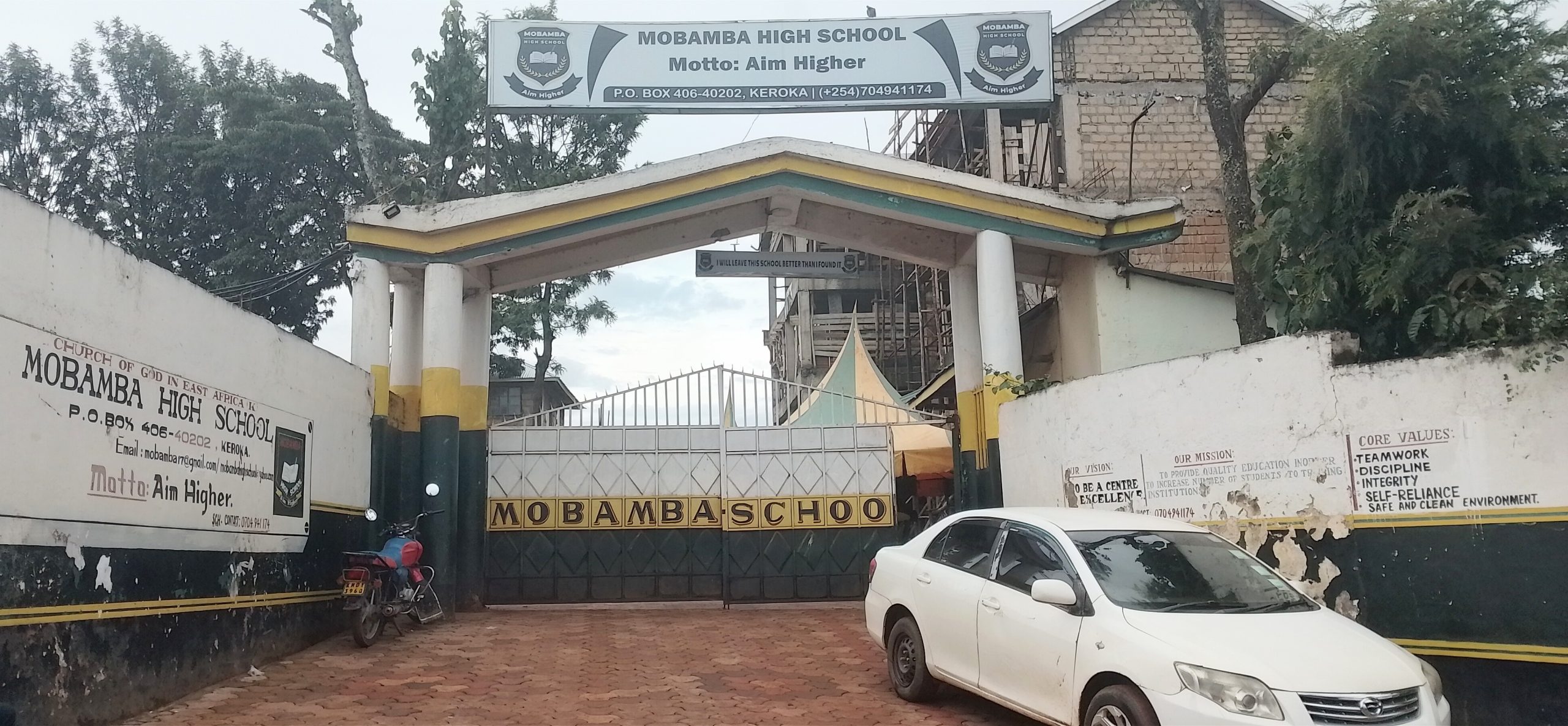
In a rapidly shifting global order where languages are passports and skills are currency, Mobamba High School in Kisii County is quietly scripting a bold new chapter for secondary education in Kenya. Known across the larger Nyanza region for its strong academic performance and vibrant co-curricular excellence, the extra county school has once again distinguished itself, this time by embracing Chinese language studies in a move that is both visionary and transformative.
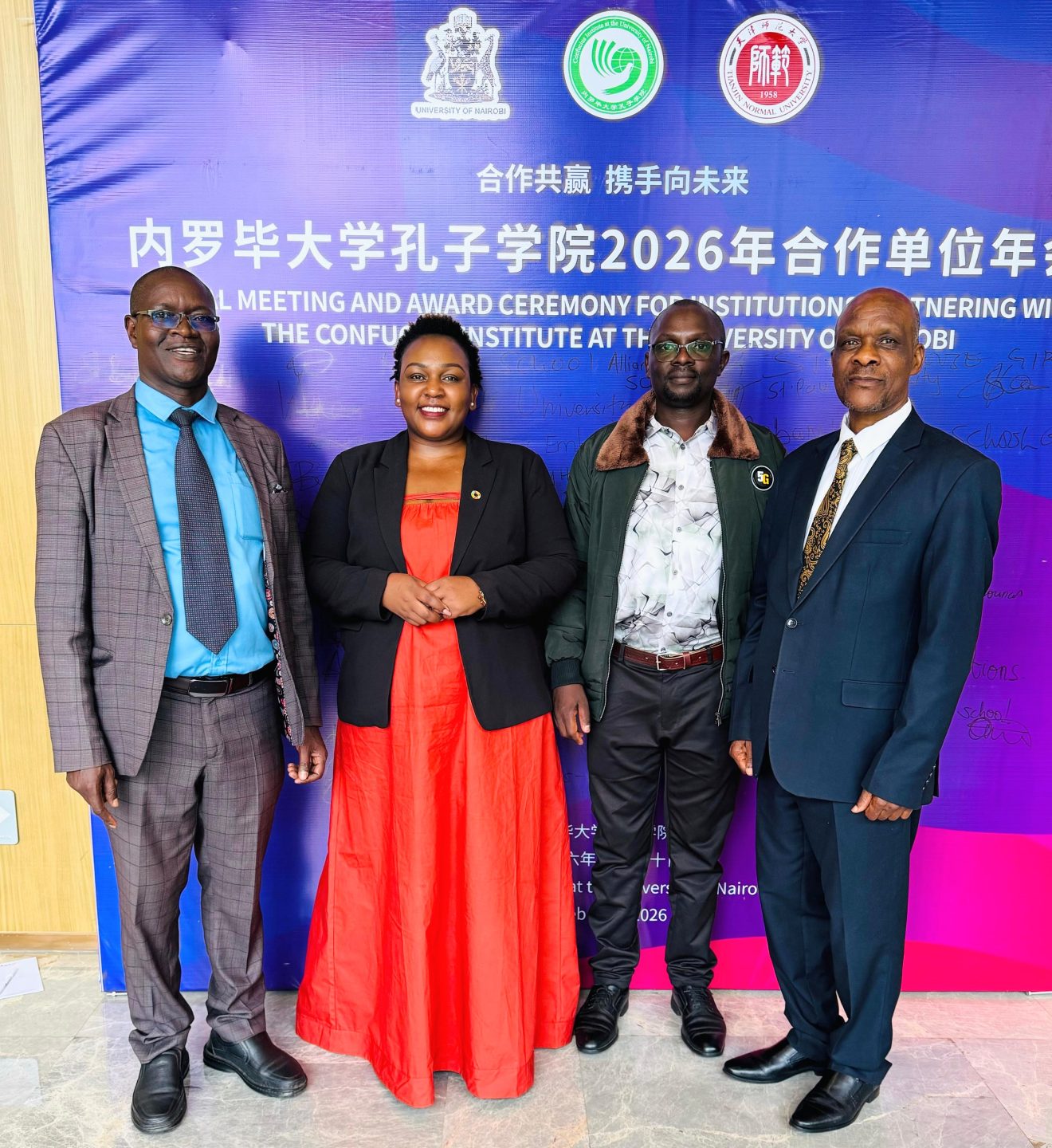
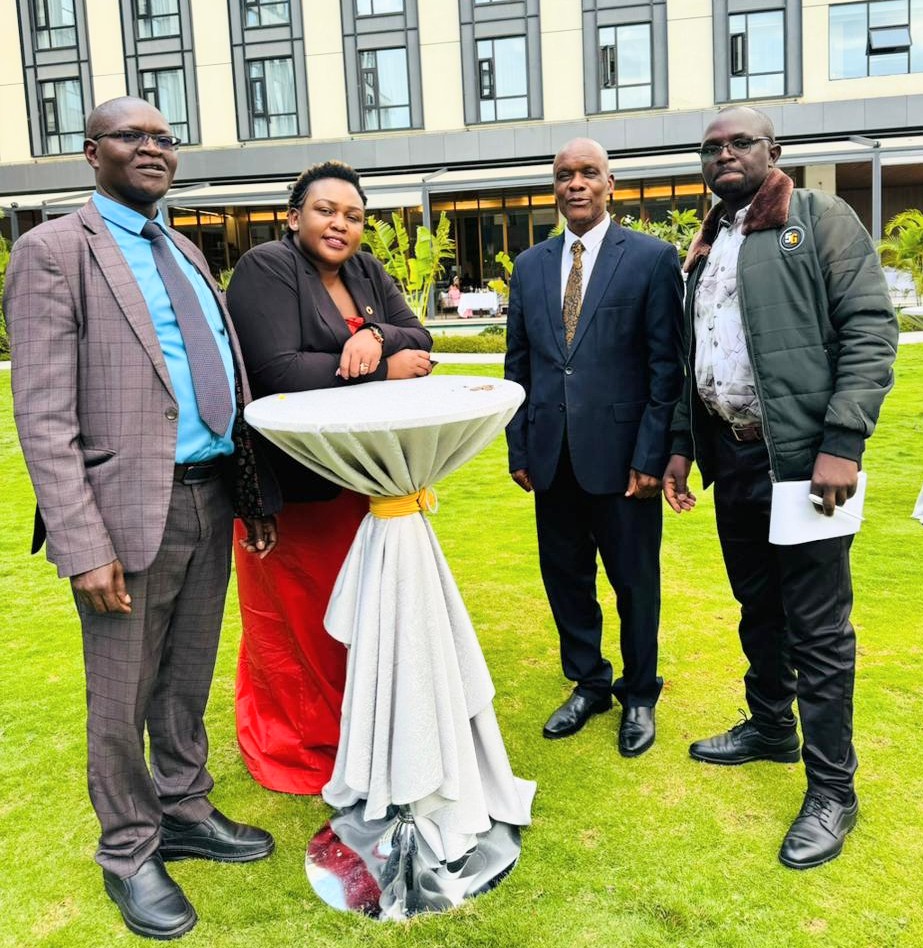
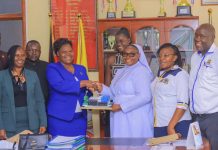
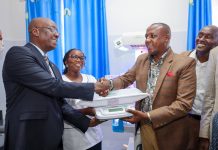
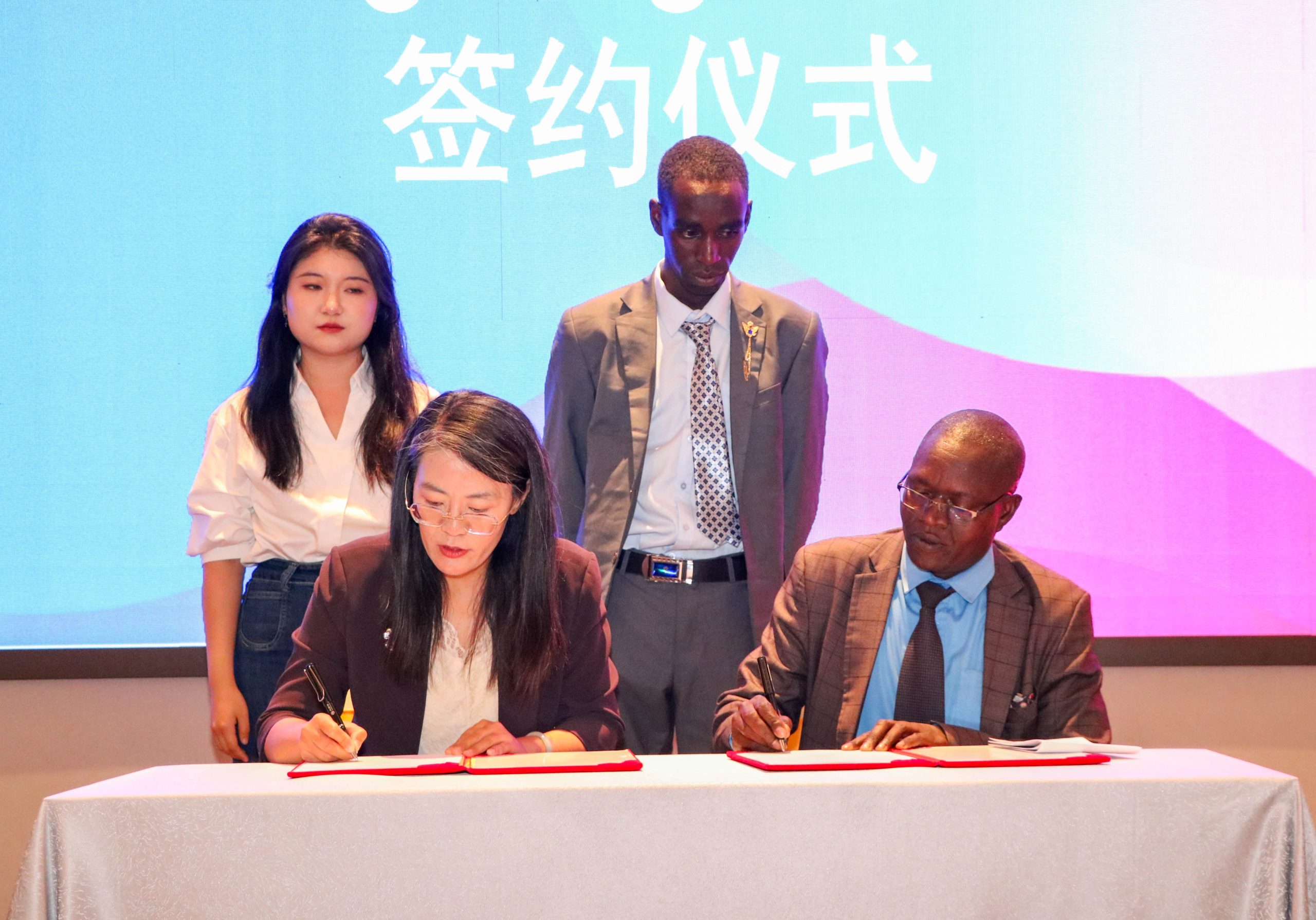
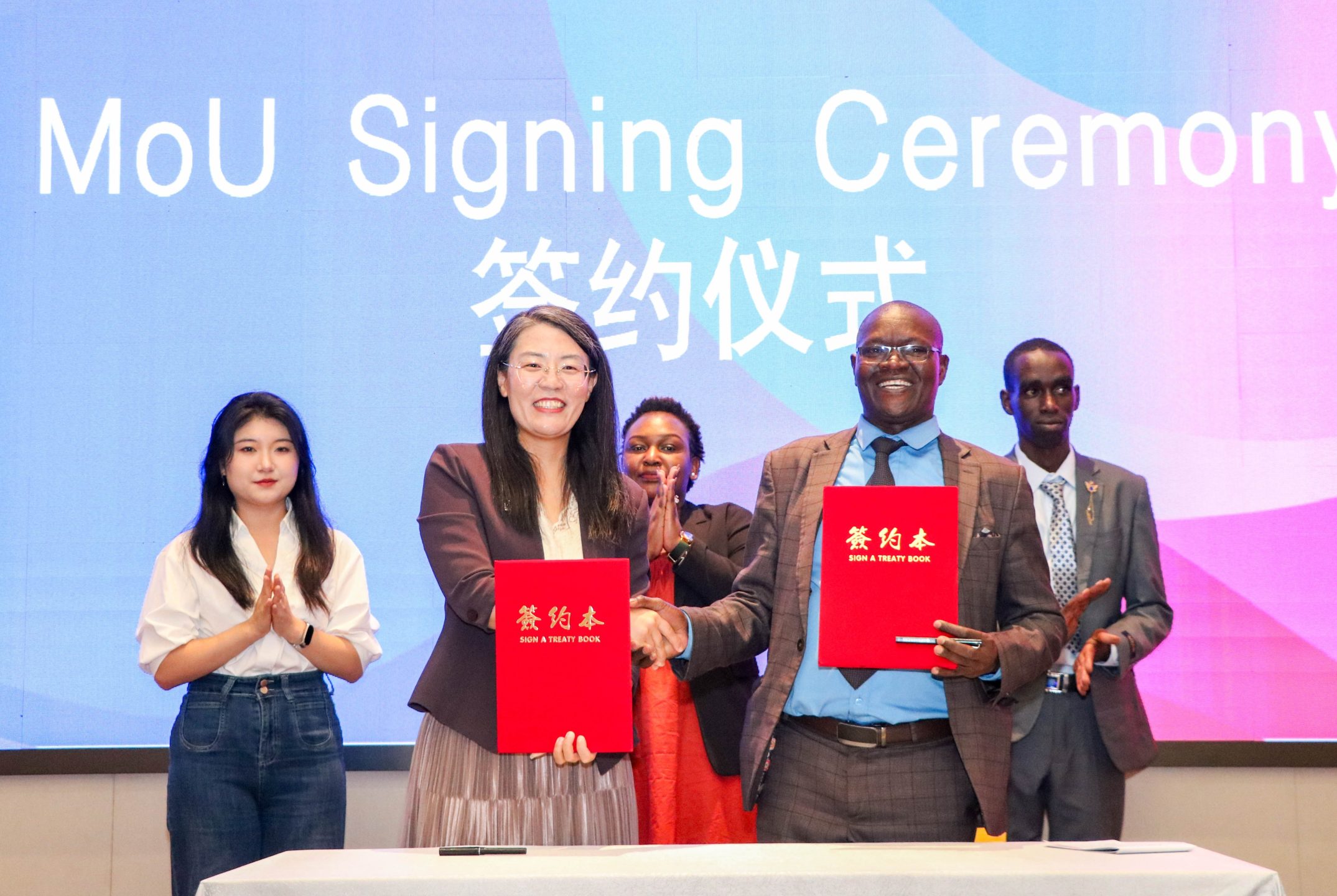
On February 20, 2026, at the Argyle Grand Hotel in Nairobi, Mobamba High School Senior Principal Dr. George Ogochi and Prof. Wang Shangxue, Director of the Confucius Institute at the University of Nairobi, signed a Memorandum of Understanding to formalize the teaching of Chinese language at the institution. The moment marked more than the signing of a document. It symbolized a bridge between Kisii and Beijing, between local ambition and global opportunity.
For Dr. Ogochi, the journey began four years ago with a simple but profound realization. A close friend working as a translator shared that he was earning more than fifty thousand shillings per hour, with a guaranteed schedule of five hours a day and five days a week. The revelation stirred something in him.

“I asked myself why our students should be locked out of such opportunities,” Dr. Ogochi recalled. “Education must respond to the world as it is, not as it was. When I learned about the demand for Chinese language skills, I knew we had to make it available to our learners.”
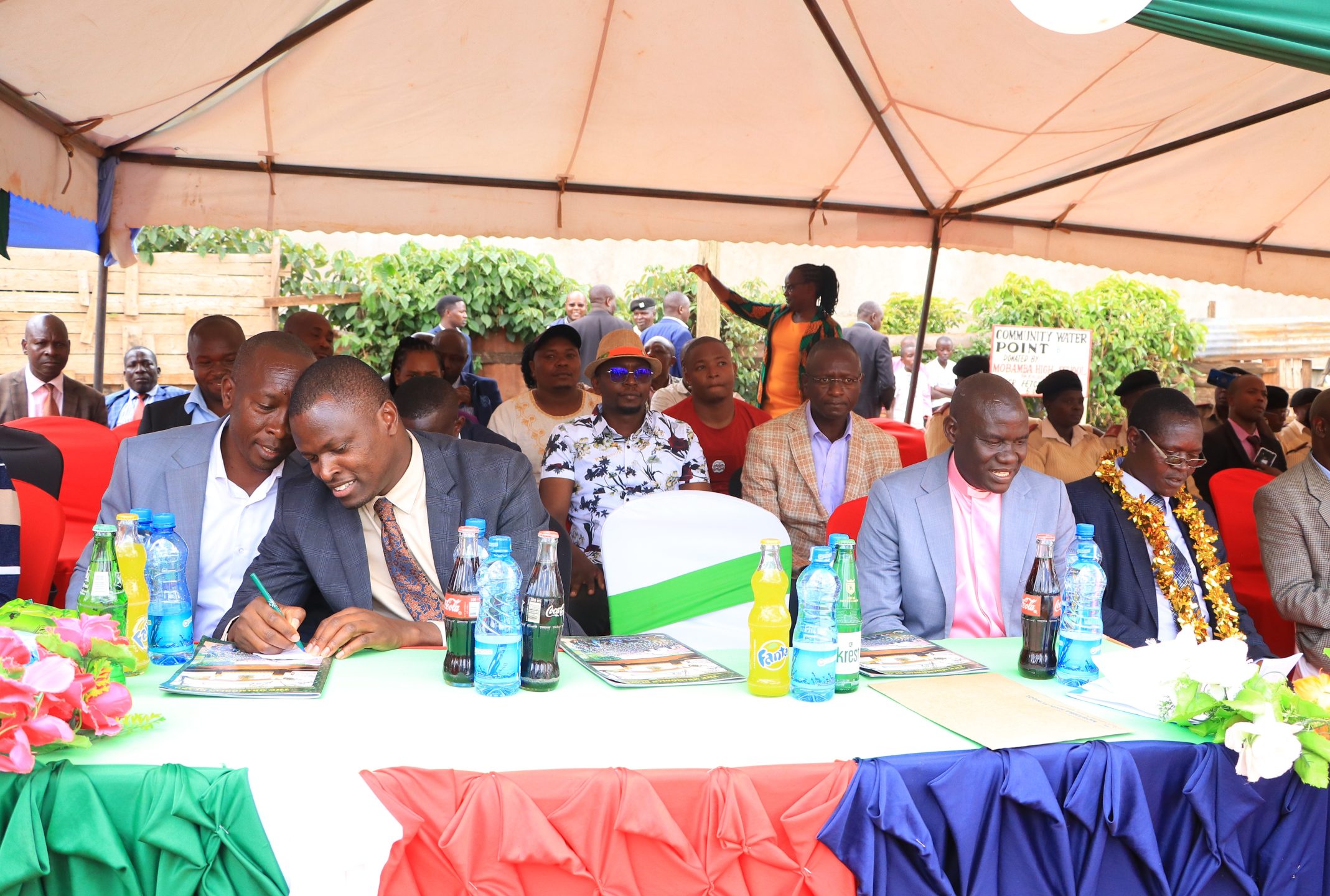
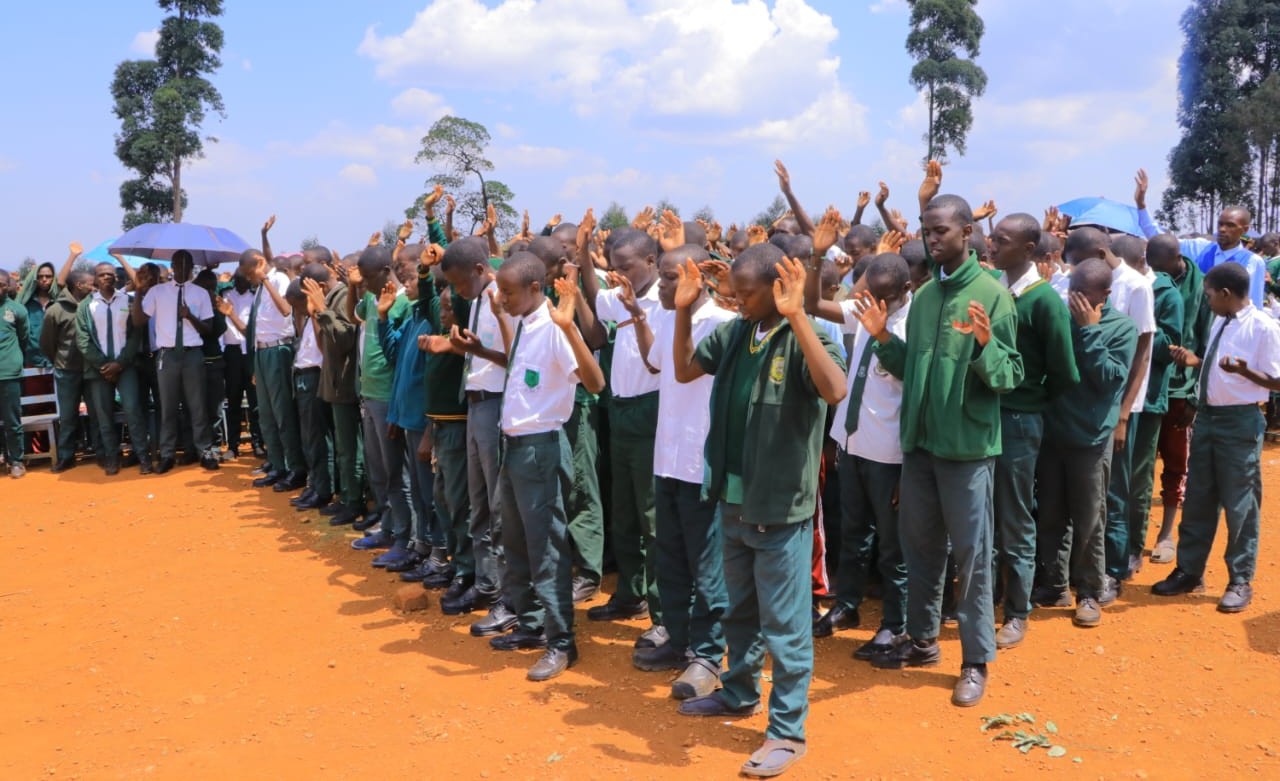
That decision has since reshaped the culture of the school. Today, 130 students have enrolled in Chinese classes, making Mobamba the only school in the larger Nyanza region and among the few learning institutions nationwide offering Chinese as a subject at secondary and tertiary levels. The classes are conducted during off hours, particularly in the evenings and occasionally on weekends, reflecting the organic enthusiasm among learners who choose to pursue the language beyond their regular timetable.
The formal partnership with the Confucius Institute is expected to deepen this progress. Prof. Shangxue views the collaboration as part of a broader educational and cultural exchange.
“Mandarin Chinese is spoken by many people in the world,” Prof. Wang noted. “As China continues to engage with Africa in trade, technology, education, and culture, language becomes a bridge of understanding. We are pleased to work with Mobamba High School because their leadership demonstrates vision and commitment.”
The Confucius Institute at the University of Nairobi has played a pivotal role in promoting Chinese language and culture in Kenya. Through teacher training, curriculum support, and the establishment of standardized testing centers such as the HSK, the institute ensures that learners receive internationally recognized instruction.
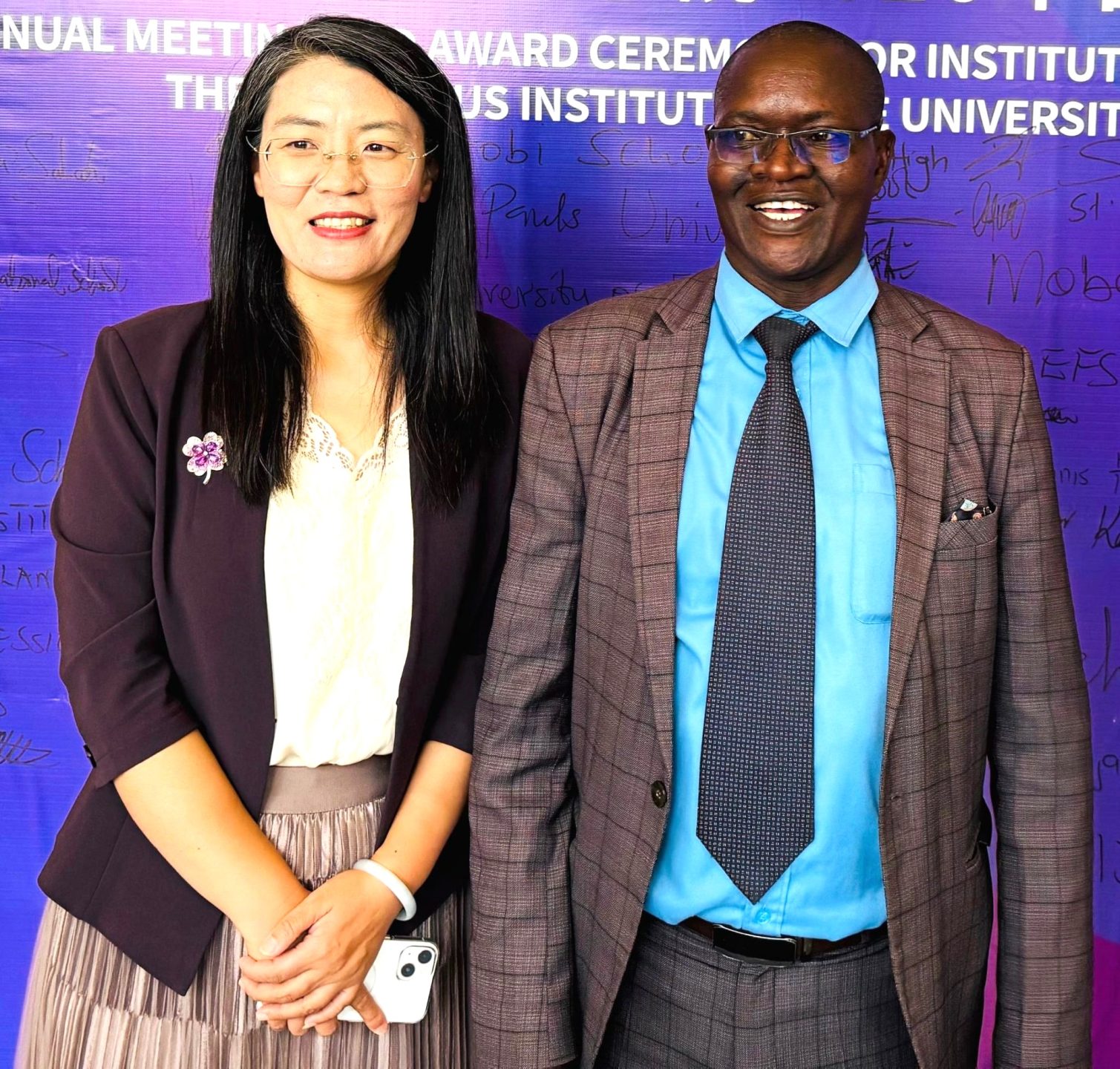
Prof. Wang emphasized that the partnership with Mobamba would strengthen teaching quality and open pathways for scholarships, exchanges, and certification.
“This Memorandum of Understanding ensures structured support,” she explained. “It formalizes engagement, enhances quality assurance, and creates a long term framework that benefits both students and teachers.”
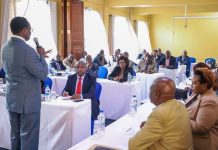
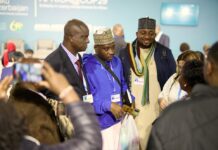
Mobamba High School’s initiative places it within a growing national movement. Among other institutions that have embraced Chinese language education and attended the Annual Meeting and Award Ceremony for Institutions Partnering with the Confucius Institute are State House Girls, Kenya High, University of Embu, Nairobi School, Riara University, Mustard Seed International School, Kabete National Polytechnic, Kenya Institute of Foreign Languages and Professional Studies, Rongo University, Maryhill Girls, Boma International School of Hospitality, Kalya Academy, School of Nations, Kenya Utalii College, and St Paul’s University. The diversity of these institutions reflects a shared recognition that multilingual competence is becoming a defining advantage in the twenty first century.
During the event, Prof. Paul Njiruh Nthakanio, Acting Deputy Vice Chancellor Academic, Research, and Extension at the University of Embu, offered a compelling perspective on the value of multilingualism. Addressing the audience partly in fluent Mandarin, he surprised many with his mastery of the language and spoke passionately about its strategic importance.
“When you combine English and Chinese proficiency, you unlock vast opportunities across continents,” Prof. Nthakanio said. “I have maneuvered China easily because of proficiency. Language removes barriers. It builds confidence. It opens doors that would otherwise remain closed.”
His remarks underscored a broader educational philosophy. In an interconnected world, multilingualism is not merely an academic pursuit but a practical asset. Students who speak more than one international language enhance their adaptability, employability, and cultural intelligence. For Kenyan learners already fluent in English and often in Kiswahili and local languages, the addition of Mandarin represents an expansion rather than a replacement of identity.
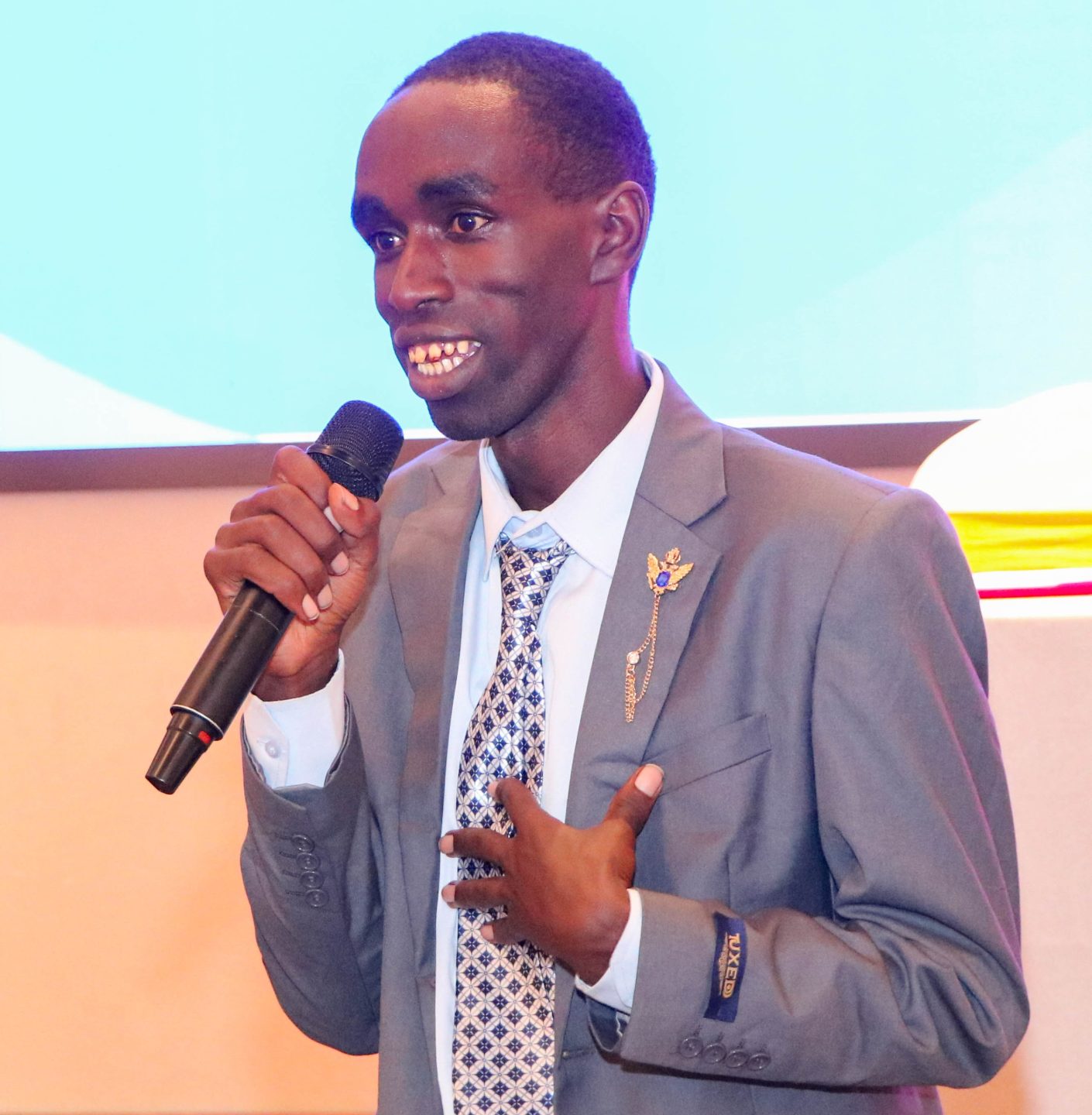
At Mobamba, the impact is already visible. Enock Kararo, the school’s Chinese teacher and patron of the Chinese Club, has witnessed firsthand the growing curiosity among learners.
“Our students are eager,” Kararo said with pride. “They understand that language is power. When they learn Chinese, they are not just memorizing characters. They are preparing themselves for a competitive global environment.”
Kararo was recognized as the Outstanding Patron for the Chinese Club in acknowledgment of his dedication to nurturing this emerging discipline. Under his guidance, students engage not only in classroom instruction but also in cultural activities that introduce them to Chinese art, music, and traditions. The result is a holistic appreciation that extends beyond grammar and vocabulary.

Mobamba High School’s embrace of Chinese language education is consistent with its broader identity as a forward looking institution. The school is widely regarded as one of the best in the region, excelling both academically and in co-curricular activities. Its students consistently perform strongly in national examinations, while also distinguishing themselves in sports, music festivals, and leadership forums.
The introduction of Chinese studies aligns seamlessly with the ongoing implementation of the Competency Based Education curriculum. The school is already running the new curriculum with clarity of purpose, focusing on nurturing skills, values, and practical competencies that prepare learners for life beyond examinations.
“We are not just teaching subjects,” Dr. Ogochi affirms. “We are shaping global citizens. The Competency Based Education curriculum encourages innovation, communication, collaboration, and critical thinking. Chinese language studies fit naturally within this framework because they expand our students’ worldview.”
The administration’s focused leadership has earned the confidence of parents and the wider community. Enrollment interest continues to grow as families recognize the school’s commitment to holistic and future oriented education. Stakeholders, including the Board of Management and parents, have played a central role in supporting the initiative.
“I want to sincerely thank our Board of Management for allowing us to introduce Chinese language,” Dr. Ogochi says. “Their trust and foresight have made this possible. I also appreciate our teacher Mr. Kararo for his tireless efforts in guiding our learners.”
The community response has been equally encouraging. Parents see in the program a tangible investment in their children’s futures. In a world where economic networks stretch across continents, the ability to communicate across cultures is no longer optional. It is strategic.

Dr. Ogochi requested the Confucius Institute to assign an additional teacher for teaching practice at Mobamba. The school committed to providing accommodation and meals to support such an arrangement, underscoring its seriousness.
“We were ready to host more teachers,” he stated. “If our students were enthusiastic, we had to match that enthusiasm with adequate resources.”
Prof. Wang welcomed the proposal, noting that practical teaching placements strengthened both the host school and trainee instructors.
“This is how partnerships grow,” she remarked. “When a school opens its doors generously, it becomes a model for others.”
Mobamba High School’s journey illustrates a broader truth about African education in the twenty first century. Excellence is no longer defined solely by examination results. It is measured by relevance, adaptability, and the courage to innovate. By integrating Chinese language studies into its academic offering, the school is positioning its learners at the intersection of local identity and global engagement.
In the hills of Kisii, far from the skyscrapers of global capitals, a quiet revolution is underway. It is powered by vision, sustained by partnership, and embraced by students who dare to dream beyond borders. For Mobamba High School, the language of the future is not confined to one culture. It is a conversation with the world. And that conversation has only just begun.
YOU MAY ALSO LIKE: State House Girls’ Confucius Classroom to fix Mandarin demand
PICTORIAL