

































A Case for Devolving Kenya’s Basic Education
Under the Fourth Schedule of the Constitution, basic education is listed as a national government function, while counties oversee early childhood education and vocational training.
Handing over all basic education functions to counties in one...
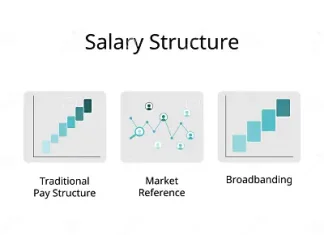
Kenya’s Remuneration: Need to Link Basic Salary to Academic Qualification
Without a framework that fairly compensates academic qualification, the current remuneration model risks undermining both professional development and institutional integrity.
One key objection is the fear that such a model might undervalue experience and performance,...

The Silent Squeeze: Starving Government Agencies to Merger Submission
This emerging pattern signals a subtle yet deliberate form of administrative attrition—one that appears designed to force compliance without triggering resistance.
Agencies have reported sudden, unexplained cuts to their annual funding, leaving them unable to...

Degrees in Doubt: Thousands of KCSE Students Rejecting University Placements
This unexpected decline in university applications comes on the heels of the 2024 KCSE results, which saw improved overall performance compared to previous years
Out of the 244,463 candidates who scored the minimum university entry...

Kenya’s Skills Revolution: Demystifying CBE, CBET, and TVET in Education Reform
A defining feature of CBE is its learner-centered and flexible approach. Students progress through their learning journeys at their own pace, moving forward only when they have fully demonstrated competence in a given area....
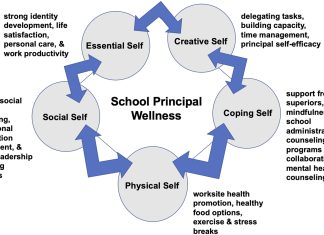
Performance Wellness: The Hidden Key to Thriving Senior School Leadership
Performance wellness refers to a school manager’s ability to maintain a healthy balance between personal wellbeing and professional responsibilities.
Long working hours, inadequate rest, and poor dietary habits can wear down even the most dedicated...

Forgery in Education: Kenya’s Growing Scourge of Fake Academic Certificates
While officials at all levels of government frequently raise the alarm over the presence of unqualified individuals in critical positions, there has been little in terms of concrete, sustained action to stop the rot.
Several...

Transformative KNQF 2025 Regulations Set to Redefine Education and Skills Validation
The KNQF Regulations 2025 establish a ten-level structure that comprehensively classifies qualifications—from basic education to doctoral degrees.
The new framework empowers individuals with diverse learning backgrounds to gain formal recognition, thereby improving their employability and...

Oversupply of Nurses Puts Kenya’s Health Sector at a Crossroads
The Kenya Health Workforce Report 2023 reveals that over 42,000 trained nurses are seeking employment, a figure that grows annually.
The irony remains: public hospitals are still short-staffed and struggle with high patient-to-nurse ratios, despite...

Kenya’s Next Step: Upgrading from NEMIS to KEMIS for Smarter Education Management
Through unique personal identification numbers, NEMIS was designed to support the Ministry of Education in monitoring student enrolment, tracking resource distribution, managing capitation funds, and enhancing accountability within public schools.
Frequent system downtimes and poor...