













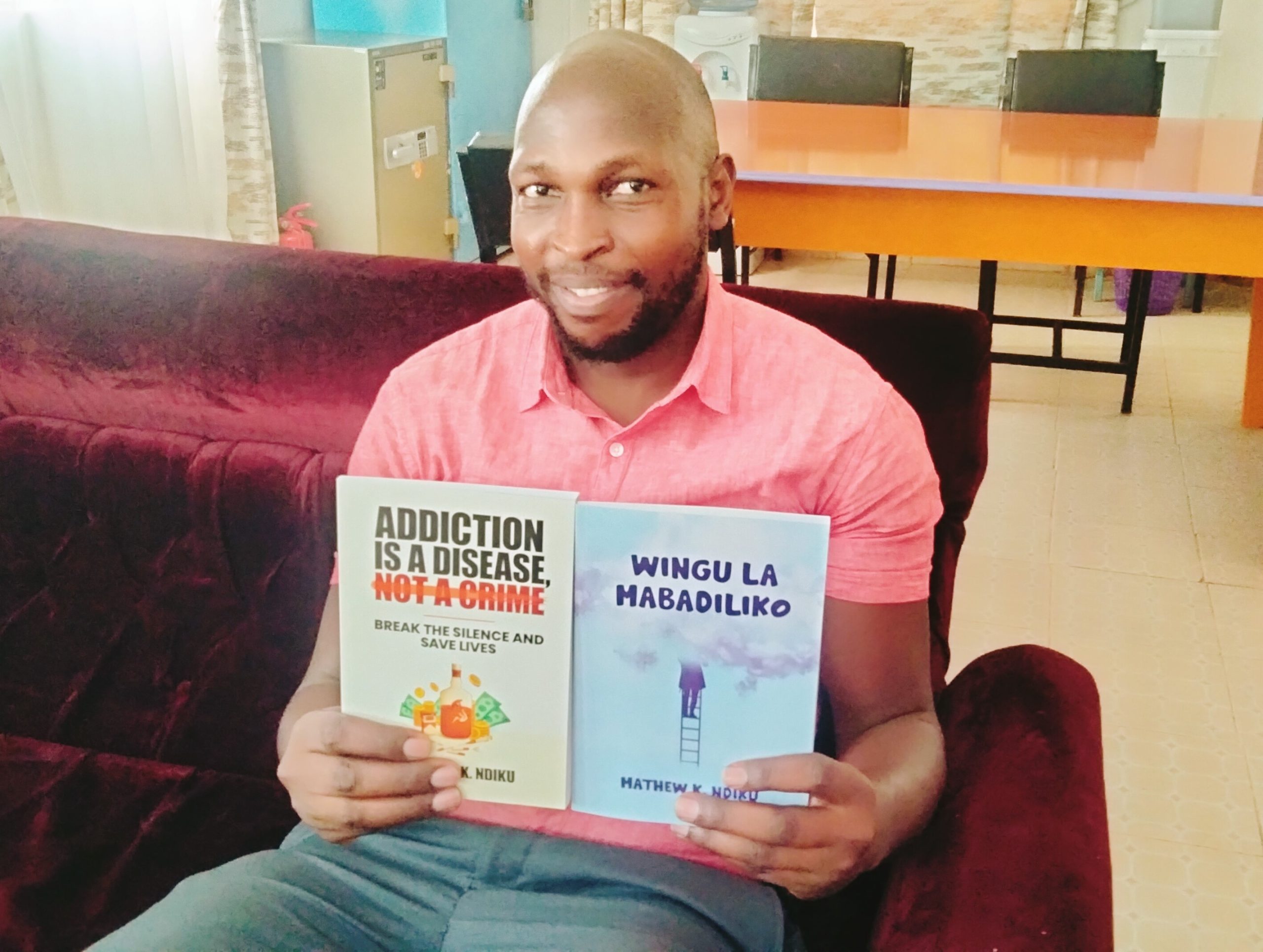
- Overwhelmed by debt from betting addiction, teacher Mathew Ndiku reached a point where he nearly lost his life to despair.
- A pastor’s timely intervention and the compassionate support of his school leadership guided him toward rehabilitation and recovery.
- Today, he stands as a published author and motivational speaker, using his story to inspire hope and advocate that addiction is a disease that can be treated.
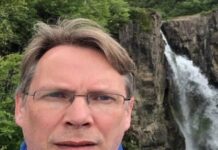
He walked around Kinze Dam eleven times, each round heavier than the last. The sun rose and fell over the waters as Mathew Ndiku wrestled silently with a decision he believed was final. Overwhelmed by debt and suffocated by the grip of betting addiction, the Kiswahili and History teacher at Kisau Girls High School in Mbooni had convinced himself there was only one way to end his pain. Yet each time he edged closer to the water, women appeared, calmly fetching it for their households. Their presence disrupted his plan. His moment did not come. What he had intended as his last day became the turning point of his life.
“I had planned everything,” Ndiku recalls. “But I thank God for those women who kept fetching water. They saved me without even knowing. I was depressed. I had reached the end, but God had other plans for me. Here I am today, a living testimony.”
Ndiku’s descent into addiction began in 2016 while he was still at university. Like many young people, he was drawn in by small wins that felt harmless. A few coins turned into hundreds, then thousands. In 2018, he won KSh 130,000. In May 2022, he won KSh 525,000. Each victory strengthened his belief that he had mastered the system. When he revisited betting in 2024 through quick online platforms, he again experienced early wins of KSh 30,000 and later KSh 300,000. His imagination ran ahead of him. He dreamed of millions, of purchasing land in Nairobi’s Karen area, of financial independence that would silence every doubt.
But the wins were bait. The deeper he chased the dream, the deeper he fell. Loans accumulated. Friends lent him money. The figures escalated beyond control until he had spent nearly KSh 6 million. The pressure mounted relentlessly. Shame grew quietly. In his mind, only one option remained.
On the day he chose Kinze Dam as the site of his final act, a pastor noticed him from a distance. Something about his demeanor prompted concern. The pastor approached him, engaged him in conversation, and slowly disentangled him from what Ndiku now calls “the spirit of death.” That conversation marked the beginning of a long road to recovery.
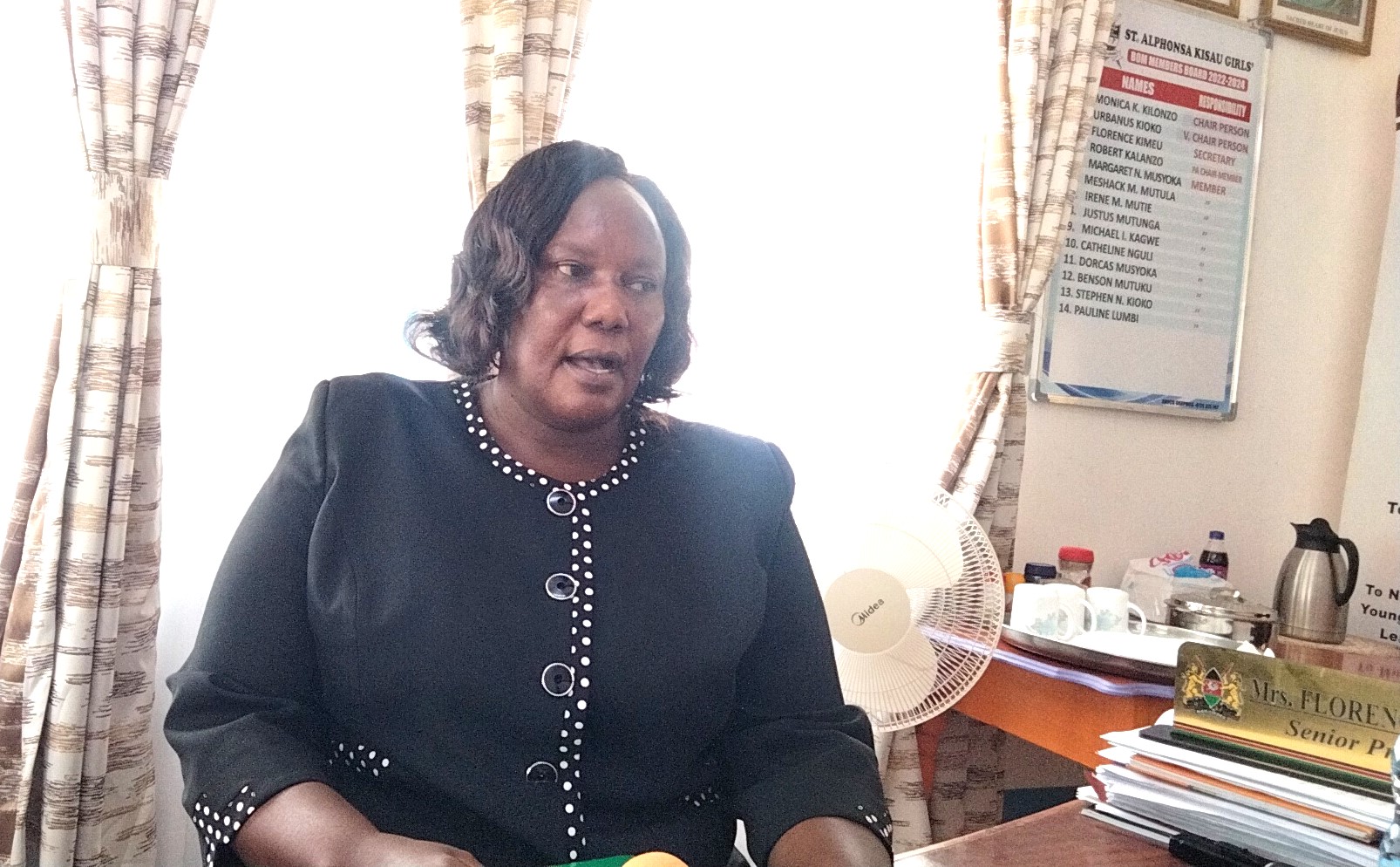
Back at Kisau Girls High School, his situation could easily have ended differently. Institutions often respond to personal crises with disciplinary measures. But Principal Florence Kimeu saw beyond the immediate mistake. She saw a teacher with students who depended on him, a family that loved him, and a future that was still salvageable. Together with the Mbooni Sub-County Director, Dr. Magdalene Mwele, and supportive colleagues, she chose restoration over punishment. Rather than initiating interdiction, they facilitated his admission to a wellness center in Nairobi in 2024.
“I knew he had people who adored him as their teacher, sibling, husband,” Kimeu says. “A single mishandling of a depressed teacher could have led to the worst outcome. In this school, we nurture not only students but teachers as well.”
The months at the wellness center became a period of reflection, healing, and unexpected productivity. Instead of sinking into despair, Ndiku picked up a pen. He authored two books: Wingu la Mabadiliko, which addresses family struggles, addiction, bribery, poor leadership, and social reform, and Addiction is a Disease, a candid exploration of the psychological torment that betting addicts endure. In the latter, he emphasizes that gambling addiction is uniquely deceptive. Unlike substance abuse, its signs are often invisible. A person can appear composed, even cheerful, while drowning internally in debt and anxiety.
In Kenya, addiction was officially recognized as a disease during the tenure of former President Uhuru Kenyatta, a move Ndiku believes was critical in reframing public understanding. “Addiction is not a moral weakness,” he insists. “It is a disease like any other. People need treatment and support, not condemnation.”
Today, Ndiku stands transformed. He has returned to the classroom with renewed dedication and clarity of purpose. His principal describes him as hardworking, focused, and deeply committed to his profession. His books are selling steadily, resonating with readers who see their own struggles reflected in his words. Beyond the classroom, he travels across Makueni County and beyond as a motivational speaker, addressing students, professionals, and community leaders about the dangers of betting and the importance of seeking help early.
Betting has increasingly been cited as a contributor to mental health crises among young men aged 16 to 40 in Kenya. Easy access to online platforms, economic pressures, and the allure of quick wealth create a volatile mix. Ndiku’s story is both a warning and a beacon. It exposes the quiet devastation that addiction can cause, but it also illuminates the power of timely intervention, compassionate leadership, and structured rehabilitation.
He often reflects on the eleven rounds around the dam. What he once saw as failed attempts, he now recognizes as divine interruptions. The women fetching water were unaware that their daily routine was preserving a life. The pastor who approached him did not know he was rewriting a destiny. The principal who shielded him did not foresee the ripple effect her decision would have on countless others who would hear his testimony.
From the brink of irreversible despair, Mathew Ndiku emerged not only alive but awakened. His journey affirms a profound truth: even in the darkest hour, restoration is possible. And sometimes, the difference between tragedy and testimony is a single conversation, or a few women drawing water by a dam.
YOU MAY ALSO LIKE: Probe: Why are more students committing suicide?