






























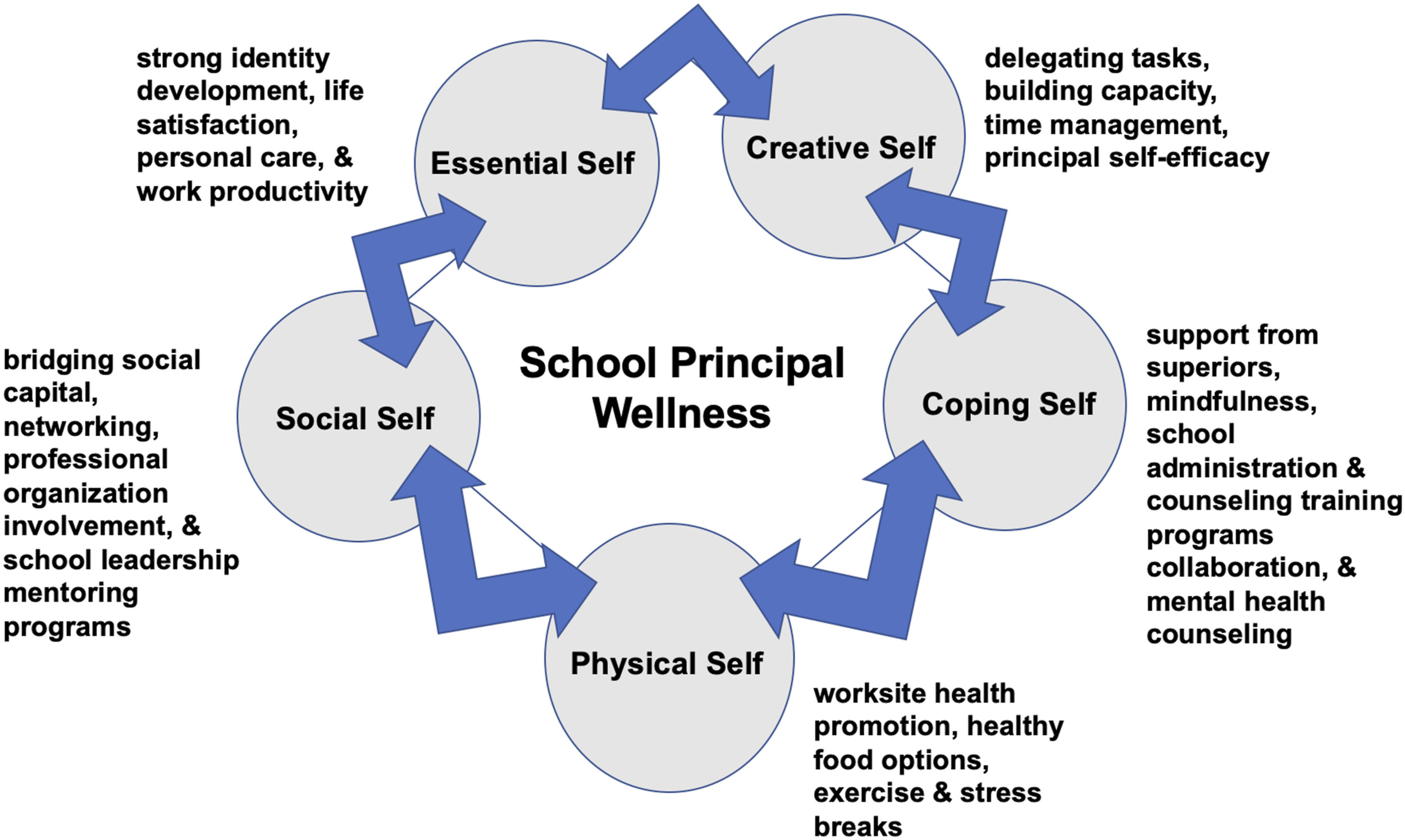
- Performance wellness refers to a school manager’s ability to maintain a healthy balance between personal wellbeing and professional responsibilities.
- Long working hours, inadequate rest, and poor dietary habits can wear down even the most dedicated school leaders.
- As CBC demands more creativity, adaptability, and vision from school leaders, their wellness must be placed at the center of policy, planning, and institutional culture.
As Kenya continues to implement the Competency-Based Curriculum (CBC) at senior school level, the role of school managers/principals will become more demanding and central than ever. These leaders will not just administrators but strategic drivers of a transformative curriculum. To lead effectively under CBC, school managers will require more than technical knowledge—they will need performance wellness, a holistic state of mental, emotional, physical, and professional wellbeing that enables them to perform optimally under pressure.
Understanding Performance Wellness
Performance wellness refers to a school manager’s ability to maintain a healthy balance between personal wellbeing and professional responsibilities. It is a critical element for sustained leadership, especially in the dynamic and high-pressure context of CBC. This concept goes beyond physical health to include mental stability, emotional resilience, professional competence, and a sense of balance between work and personal life.
One of the key dimensions of performance wellness is mental and emotional wellbeing. With CBC introducing complex changes in school structures and expectations, many school managers are exposed to high levels of stress. Mental wellness allows leaders to manage this stress effectively, remain emotionally grounded, and continue inspiring others despite external pressures. Emotional stability is essential for navigating resistance to change, managing interpersonal conflicts, and maintaining a positive school culture.
Physical health is another foundational pillar. Long working hours, inadequate rest, and poor dietary habits can wear down even the most dedicated school leaders. Regular exercise, nutritious eating, and sufficient rest are vital for sustaining the energy required to oversee CBC implementation and support diverse school functions.
Professional development is equally significant. The educational landscape is evolving rapidly, and CBC demands that school leaders stay updated not only with curriculum content but also with emerging teaching methods, technology integration, and student support systems. Continuous training enhances confidence and reinforces the leader’s ability to make informed decisions.
Work-life balance is essential. Leaders who neglect personal time and family connections often suffer emotional exhaustion, which can compromise judgment and interpersonal relationships within the school. Having time to recharge, reflect, and rejuvenate helps maintain a long-term, sustainable approach to leadership.
Envisaged Performance Wellness Challenges
Senior school managers in Kenya are likely to encounter significant wellness challenges as they implement the Competency-Based Curriculum (CBC). The most immediate issue will be high workload and role overload. With the introduction of CBC, their responsibilities will expand to include managing both the old and new education systems, tracking learner competencies, and driving institutional reform. These multifaceted demands will lead to extended working hours, decision fatigue, and reduced mental clarity.
Adding to the strain, resistance to change from teachers and parents will intensify the burden. Teachers may struggle to adapt from content-heavy instruction to a skills-based approach, while parents may distrust the CBC pathways that deviate from traditional academic tracks. As a result, school managers will be thrust into the role of change agents—expected to mediate, explain, and manage resistance, often without formal training in change management. This emotional labour will gradually erode their motivation and morale.
Insufficient training and professional development will further hinder school managers. Most will only have received basic CBC orientation, which will fall short of equipping them for the complex planning and pedagogical shifts required. Without structured and ongoing capacity building, many will feel lost and unsupported, increasing their sense of professional isolation.
Inadequate infrastructure and resources will also pose a significant challenge. CBC requires diverse learning environments and specialized materials, yet many schools will lack even the basic infrastructure. School leaders will be forced to stretch tight budgets and improvise with outdated tools, adding to their stress and frustration.
Ultimately, these challenges will lead to burnout and diminished job satisfaction. Chronic stress, limited support, and ongoing institutional obstacles will leave many school managers feeling overwhelmed and disengaged. Some will experience serious health issues or exit the profession altogether, threatening the sustainability of CBC implementation.
Impacts of Poor Performance Wellness
The consequences of poor performance wellness among school managers are far-reaching. One of the first symptoms is impaired decision-making. Under stress or fatigue, a school leader may become indecisive, reactive, or disorganized—delaying key decisions around CBC implementation such as learner placement or resource allocation.
This mental strain often trickles down, resulting in decreased productivity and morale across the entire school. Teachers and support staff take cues from the leadership. When a principal appears overwhelmed or disengaged, it affects team motivation and operational clarity. As duties pile up, essential functions like monitoring instruction or guiding assessment lose momentum.
A more insidious outcome is the emergence of a negative school culture. Poorly supported managers are less likely to foster collaboration, recognize effort, or maintain enthusiasm. As professional relationships weaken and communication breaks down, schools risk becoming rigid, transactional, and demoralized—an environment directly at odds with the student-centred, innovative spirit of CBC.
Perhaps the most critical consequence is the ineffective implementation of CBC pathways. CBC is more than curriculum change—it is a shift in educational philosophy. Implementing it successfully requires coordinated timetabling, teacher support, and resource management across multiple learner pathways. A manager who is physically or mentally depleted cannot lead this effectively, leading to fragmented delivery and a failure to achieve CBC’s learning outcomes.
Wellness Strategies for School Managers
To mitigate these challenges, a multi-level approach is necessary—one that empowers school managers personally, institutionally, and through policy.
At the personal level, school managers must prioritize time management, self-care, and peer support. By learning to delegate, scheduling rest, and engaging in regular physical and mental health practices, they can build resilience against stress. Networking with peers also offers emotional relief and practical guidance, especially for those navigating similar CBC challenges.
At the institutional level, schools should embed wellness into their culture. Staff wellness programs that include activities like counseling sessions, wellness days, and stress management workshops demonstrate that well-being is valued. Peer mentoring is another effective strategy, allowing experienced managers to support their colleagues. Wellness committees within school clusters can also play a crucial role in identifying needs and designing responsive interventions.
However, institutional efforts must be supported by policy-level action. The Ministry of Education (MoE) and the Teachers Service Commission (TSC) should lead in developing mental health policies, stress leave provisions, and structured wellness training. These bodies must also ensure that wellness is integrated into professional development, including leadership training on emotional resilience, adaptive thinking, and crisis management. National initiatives—such as wellness helplines, funding for school-based wellness activities, and performance evaluation frameworks that include wellness indicators—can bridge the gap between policy and practice.
Performance wellness is not a luxury for school managers—it is a critical enabler of educational reform. As CBC demands more creativity, adaptability, and vision from school leaders, their wellness must be placed at the center of policy, planning, and institutional culture. A healthy school manager leads a healthy school. And a healthy school is the foundation upon which the promise of CBC can truly be realized.
YOU MAY ALSO READ: Kenya’s Next Step: Upgrading from NEMIS to KEMIS for Smarter Education Management
The Author is a Professor of Chemistry at University of Eldoret, a former Vice-Chancellor, and a Higher Education expert and Quality Assurance Consultant. Contact: okothmdo@gmail.com