



















- Sustainable conservation thrives when science, community participation, and indigenous knowledge work together.
- Universities have a critical role to play in driving community centered solutions to environmental challenges.
- Inclusive environmental stewardship is essential for protecting biodiversity, cultural heritage, and future generations.
How a Physics Professor at Kaimosi Friends University is Redefining Conservation Through Indigenous Knowledge, Student Innovation, and Community Participation
At a time when forests across Africa are facing unprecedented pressure from climate change, encroachment, deforestation, and unsustainable land use practices, a quiet but transformative conservation revolution is unfolding in Western Kenya. Deep within the ecologically rich Kaimosi Forest landscape, a multidisciplinary citizen science initiative spearheaded by Prof. George Manyali is redefining how universities, communities, and science can work together to safeguard biodiversity while preserving cultural heritage.
Prof. Manyali, a Professor of Physics at Kaimosi Friends University (KAFU), has emerged as a strong voice in advancing participatory environmental stewardship through the Kaimosi Forest Citizen Science Project. Through the initiative, he has demonstrated that conservation is not solely the preserve of scientists, government agencies, or international organizations, but a collaborative process that can actively involve local communities, students, elders, and indigenous knowledge holders as co researchers and co creators of environmental solutions.
The initiative, implemented in partnership with the Center for International Forestry Research and Agroforestry under the Regional Centre of Excellence for Forests, Biodiversity and Seascape Ecosystems Management in Eastern and Southern Africa, has positioned KAFU as a continental model for community driven conservation.
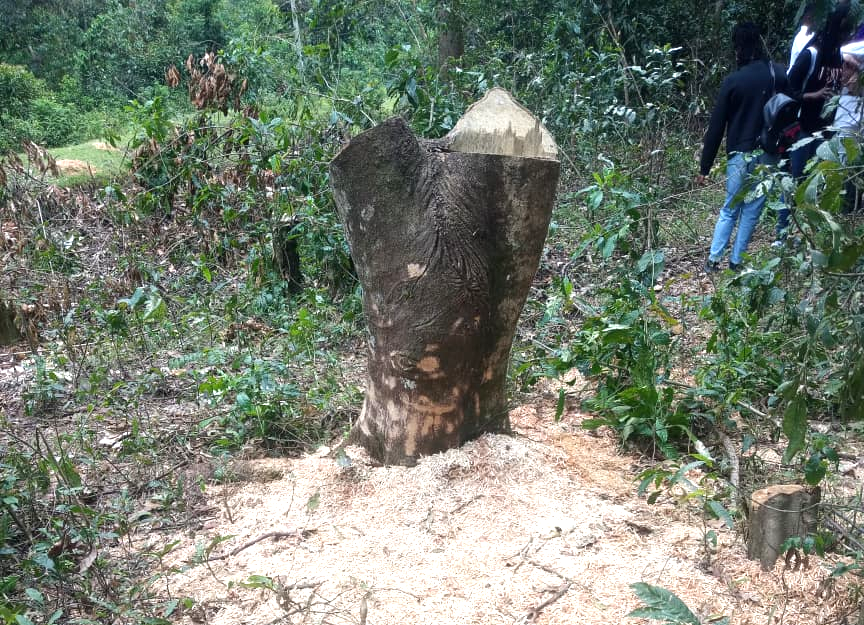
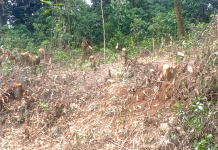
A Forest Under Threat
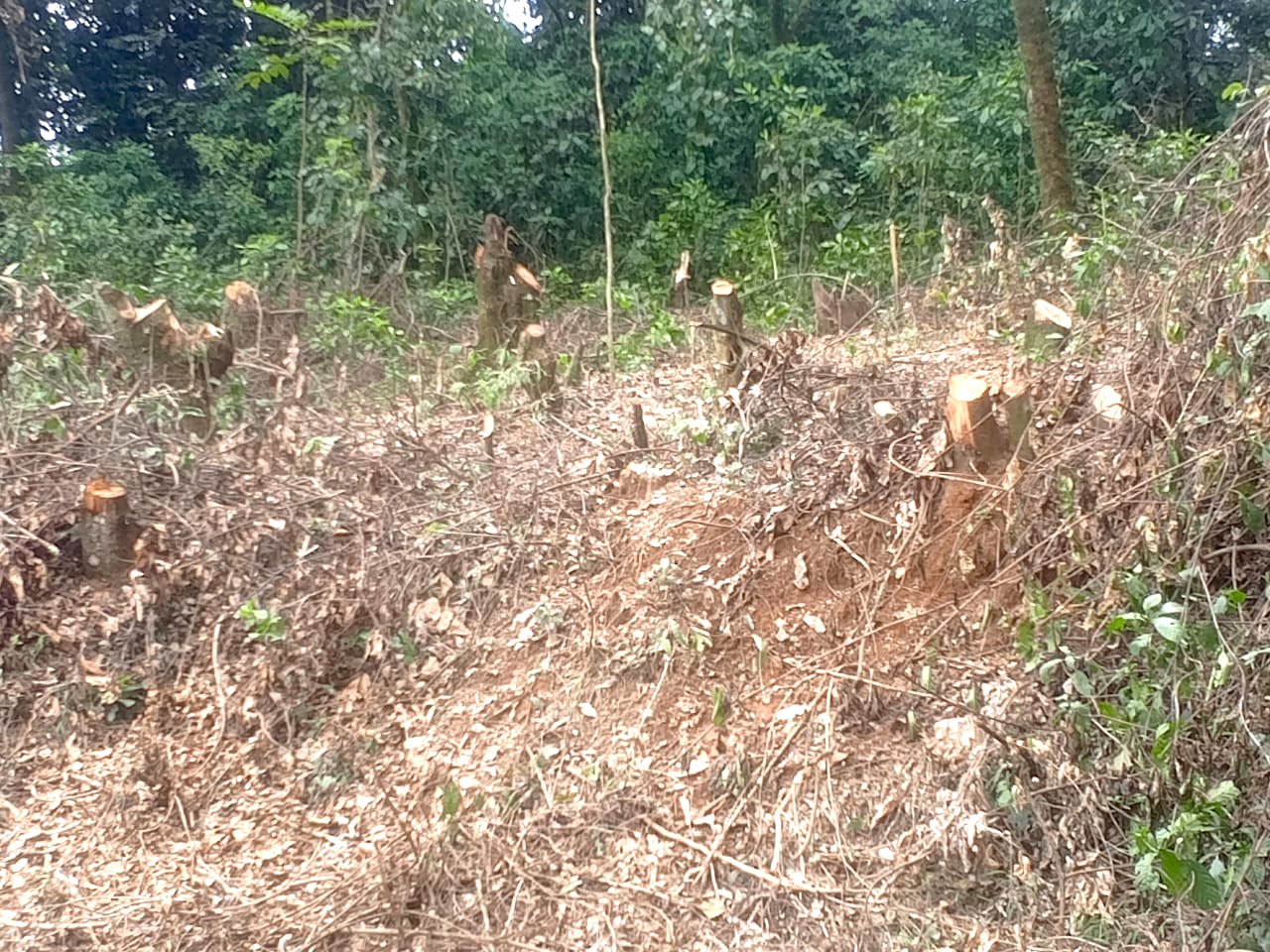
Kaimosi Forest, a critical segment of the larger Kakamega Forest ecosystem, is more than just a biodiversity hotspot. For generations, it has served as a cultural sanctuary and economic lifeline for the Tiriki community. The forest provides medicinal plants, food, timber, water regulation services, and sacred spaces tied to indigenous spiritual practices.
Yet beneath its ecological significance lies a troubling reality. Community assessments conducted through Focus Group Discussions and Key Informant Interviews revealed accelerating environmental degradation driven by illegal logging, agricultural encroachment, charcoal burning, road expansion, and climate variability.
The project documented declining populations of indigenous species such as Chihulumuru, Zimbalakaya, and Musurio, shrinking wetlands, reduced river volumes, and diminishing populations of wildlife including colobus monkeys.
According to Prof. Manyali, these environmental threats demanded a new conservation paradigm rooted not only in scientific observation but also in local participation.
In his scholarly reflections on the project, he argues that citizen science democratizes knowledge production by enabling non-professional volunteers to contribute to scientific research, biodiversity monitoring, and ecological conservation.
“The Kaimosi initiative offers a replicable template,” writes Prof. Manyali. “Citizen science becomes a method of democratizing research, restoring ecosystems, and building institutional trust.”
Turning Students into Citizen Scientists
Perhaps the most remarkable dimension of the initiative lies in its deliberate empowerment of students. Between January 2025 and January 2026, thirty undergraduate students from Kaimosi Friends University became active citizen scientists, conducting systematic monthly monitoring exercises across forest edges and interior ecosystems.
Rather than limiting students to classroom theory, the project transformed the forest into what Prof. Manyali describes as a “living laboratory.”
Students from environmental science, agriculture, and information technology collaborated with local communities to collect geospatial data, identify plant species, track biodiversity changes, document land use patterns, and analyze ecological trends. Through structured field exercises, they learned how to use digital tools such as KoboCollect, iNaturalist, GPS devices, and mobile based reporting systems.
The initiative directly engaged more than 140 participants, including 30 undergraduate student citizen scientists, 25 community representatives trained in environmental monitoring, and 89 local residents involved in Focus Group Discussions and Key Informant Interviews across five villages surrounding Kaimosi Forest, underscoring the scale of community participation at the heart of the project.
The project also trained twenty five community representatives alongside the students, creating a collaborative ecosystem where academic knowledge intersected with indigenous ecological wisdom.
This approach directly challenged traditional top down conservation models that often marginalize local voices. Instead, the Kaimosi model recognized communities as equal stakeholders whose lived experiences and generational knowledge are indispensable to environmental sustainability.
The ECOgeim Innovation
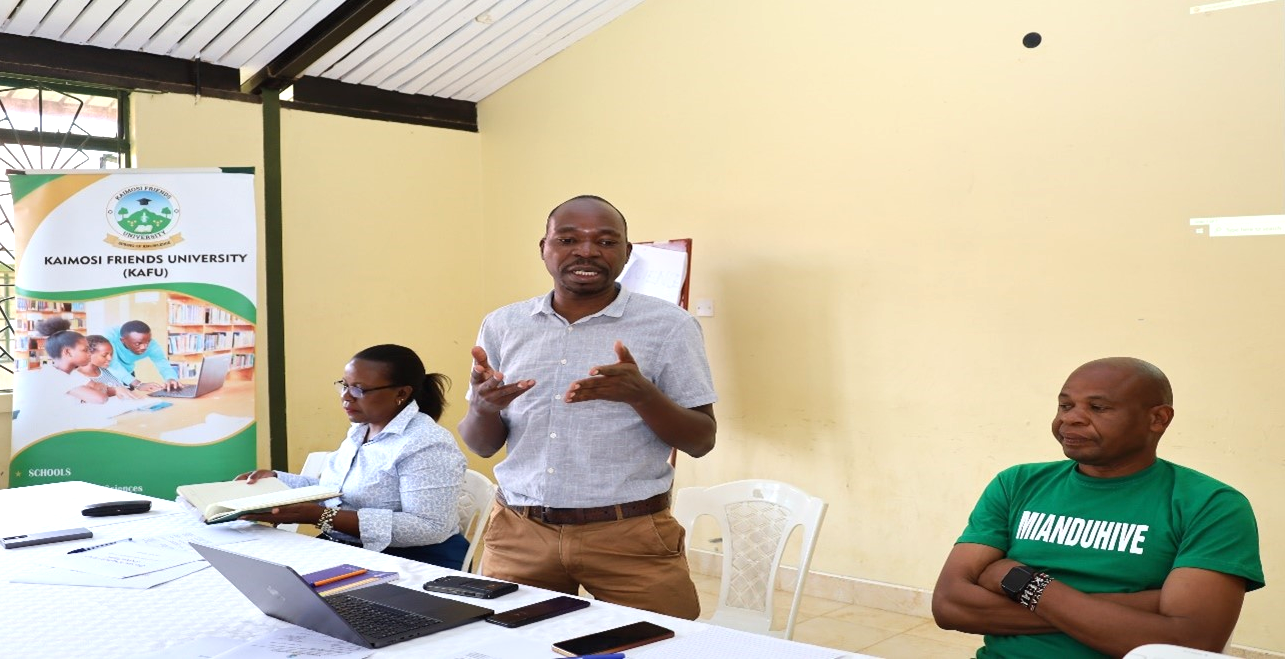
One of the project’s groundbreaking achievements was the development of the ECOgeim mobile application, an innovative citizen science tool designed by KAFU students.
The application integrates biodiversity monitoring, mobile surveys, photographic documentation, and plant identification capabilities. Most significantly, it incorporates the local Tiriki language, making environmental data collection accessible to surrounding communities.
The app has already received copyright protection from the Kenya Copyright Board and is expected to be released on the Android Play Store, potentially expanding its use beyond Kaimosi to other African conservation contexts.
For Prof. Manyali, the innovation represents more than technological advancement. It symbolizes the fusion of indigenous knowledge systems with modern science.
The project’s bilingual inventory of flora and fauna preserved cultural narratives tied to specific species. Trees such as Mukhokhombwa remain sacred within Tiriki traditions and are protected through customary law, while medicinal plants including Shikhuma and Munyama continue to support traditional healing practices.
Community elders also documented the ecological significance of birds such as Matutu, believed to predict rainfall, and Likhulwe, traditionally associated with spiritual omens.
By embedding these perspectives into scientific documentation, the project elevated indigenous ecological knowledge from oral tradition into formal conservation discourse.
Conservation Through Dialogue
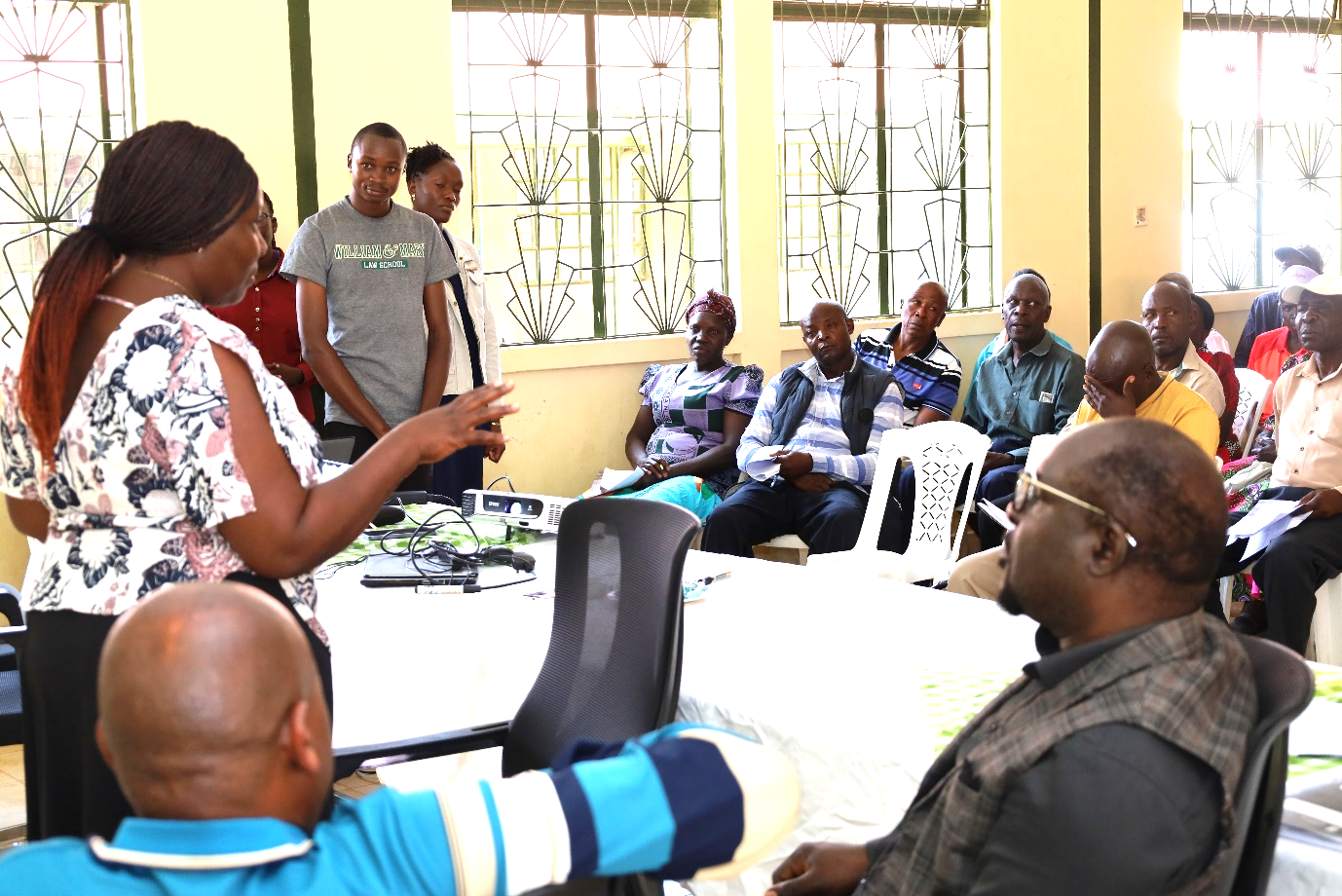
Another defining feature of the initiative was its emphasis on community engagement. Rather than extracting data from residents, the project organized village meetings across Mahanga, Maganda, Jivovoli, Shipala, and Jivuye, creating platforms where communities could actively shape conservation priorities.
A major stakeholder forum involving one hundred participants, including elders, herbalists, women, and youth, became a turning point in the project. Discussions conducted in the Tiriki language ensured accessibility and cultural inclusivity.
The findings revealed widespread concern about restricted forest access, illegal logging, wetland degradation, and the absence of formal structures for community participation in forest governance.
Communities proposed several locally grounded conservation strategies, including:
• Agroforestry to reduce pressure on indigenous forests
• Sustainable harvesting practices
• Rotational firewood collection
• Forest rehabilitation through afforestation
• Beekeeping expansion
• Resource zoning for grazing and firewood collection
• Stronger stakeholder collaboration among KAFU, communities, and government agencies
These recommendations are now shaping conversations around localized environmental governance and community centered conservation policy.
Reimagining the Role of African Universities
Beyond environmental conservation, the Kaimosi initiative reflects a broader reimagining of the African university. Under Prof. Manyali’s leadership, KAFU is demonstrating that universities can become catalysts for community transformation rather than isolated academic institutions.
The project aligns closely with growing continental calls for universities to embrace engaged scholarship, interdisciplinary research, and locally relevant innovation. By positioning students as active participants in solving real world problems, KAFU is nurturing a generation of environmentally conscious scholars equipped with practical field experience and community engagement skills.
Prof. Manyali argues that conservation efforts often fail because communities are excluded from decision making processes. The Kaimosi model instead prioritizes dialogue, trust building, and co ownership of environmental data.
Importantly, the initiative also contributes to addressing what scholars describe as the “Wallacean shortfall” — the persistent lack of biodiversity distribution data in many African ecosystems. Through systematic monitoring and digital documentation, the project is generating one of the first comprehensive ecological datasets for the Kaimosi ecosystem.
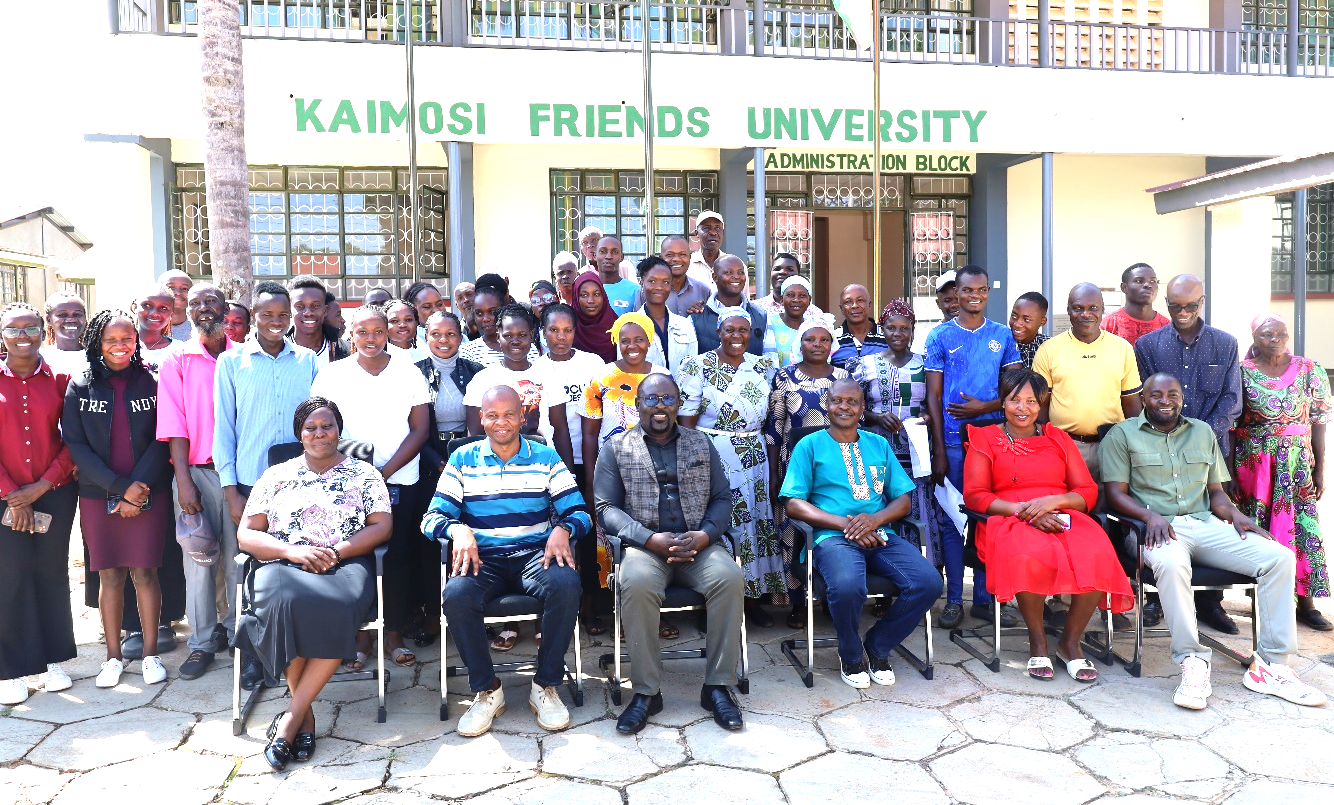
A Continental Model Emerging from Western Kenya
As climate change intensifies and biodiversity loss accelerates across Africa, the significance of the Kaimosi Forest Citizen Science Project extends far beyond Vihiga County.
The initiative offers a replicable model for African universities, conservation agencies, and communities seeking inclusive and sustainable approaches to environmental stewardship. It demonstrates that conservation becomes more effective when science listens to communities and when communities become active producers of scientific knowledge.
For Scholar Media Africa, the story of Prof. George Manyali is ultimately a story about visionary leadership rooted in scholarship, innovation, and social transformation. It is about a Physics professor who looked beyond disciplinary boundaries and recognized that protecting forests also means protecting culture, livelihoods, memory, and future generations.
In Kaimosi Forest, science is no longer confined to laboratories and lecture halls. It now walks the forest trails with students, elders, and communities. And through that journey, a new model of African conservation is taking shape.

KAFU’s Growing Legacy in Environmental Conservation and Community Centered Transformation
Prof. Peter Mwita, the Vice Chancellor of Kaimosi Friends University, continues to position the institution as a leading force in environmental conservation, community engagement, and sustainable development. Through his visionary leadership, KAFU is demonstrating that universities must go beyond the traditional role of knowledge production and become active participants in protecting ecosystems, preserving biodiversity, and transforming communities.
His commitment to environmental stewardship has strengthened the university’s role as a center of impact driven research and community centered conservation initiatives.
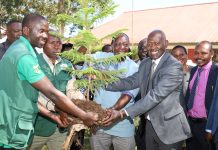
Prof. Mwita has consistently emphasized the importance of environmental responsibility within the university’s broader mission. Speaking during one of the university’s tree planting initiatives, he noted that “Tree planting and ensuring that the trees survive is a key part of our annual performance targets.” This statement reflects a leadership philosophy that values sustainability not merely as an institutional obligation, but as a long term commitment towards safeguarding the environment for future generations.
Under his stewardship, KAFU has continued to champion practical conservation efforts while mobilizing students, scholars, and communities to take collective responsibility for nature.
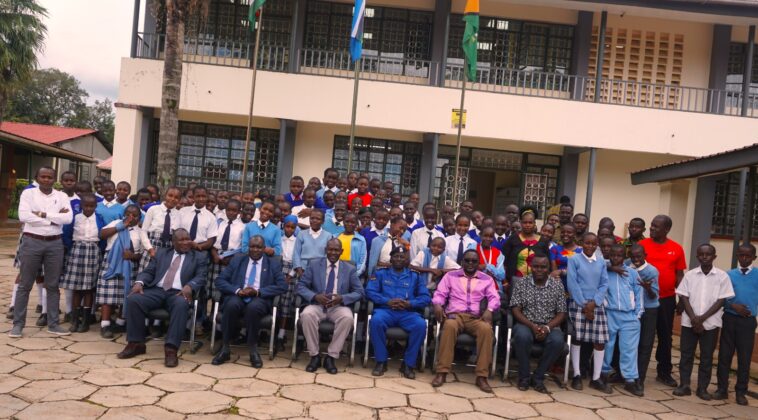
The citizen science movement spearheaded by Prof. George Manyali perfectly complements the vision of Prof. Mwita by bringing together science, indigenous knowledge, and community participation in conserving Kaimosi Forest. Through this collaborative approach, KAFU is redefining the role of African universities by integrating research, environmental conservation, and social transformation into the heart of academic excellence. The university is steadily emerging as a model institution where scholarship directly responds to societal and environmental challenges facing communities across Africa.
YOU MAY ALSO READ: Embrace solution-based training to become world-class University, PS challenges Kaimosi University staff
Kaimosi Friends University marks National Elimu Tree Planting Day, leads fight on climate change