



























- True education is not measured solely by examination grades, but by its ability to shape confident, creative, innovative, and purpose driven individuals who can positively transform society.
- Visionary leadership, innovation, and passion for learning remain the driving force behind institutions that are transforming education and preparing learners for the demands of the modern world.
- The future of education belongs to schools that go beyond academics to nurture talent, practical skills, creativity, character, and the full potential of every learner.
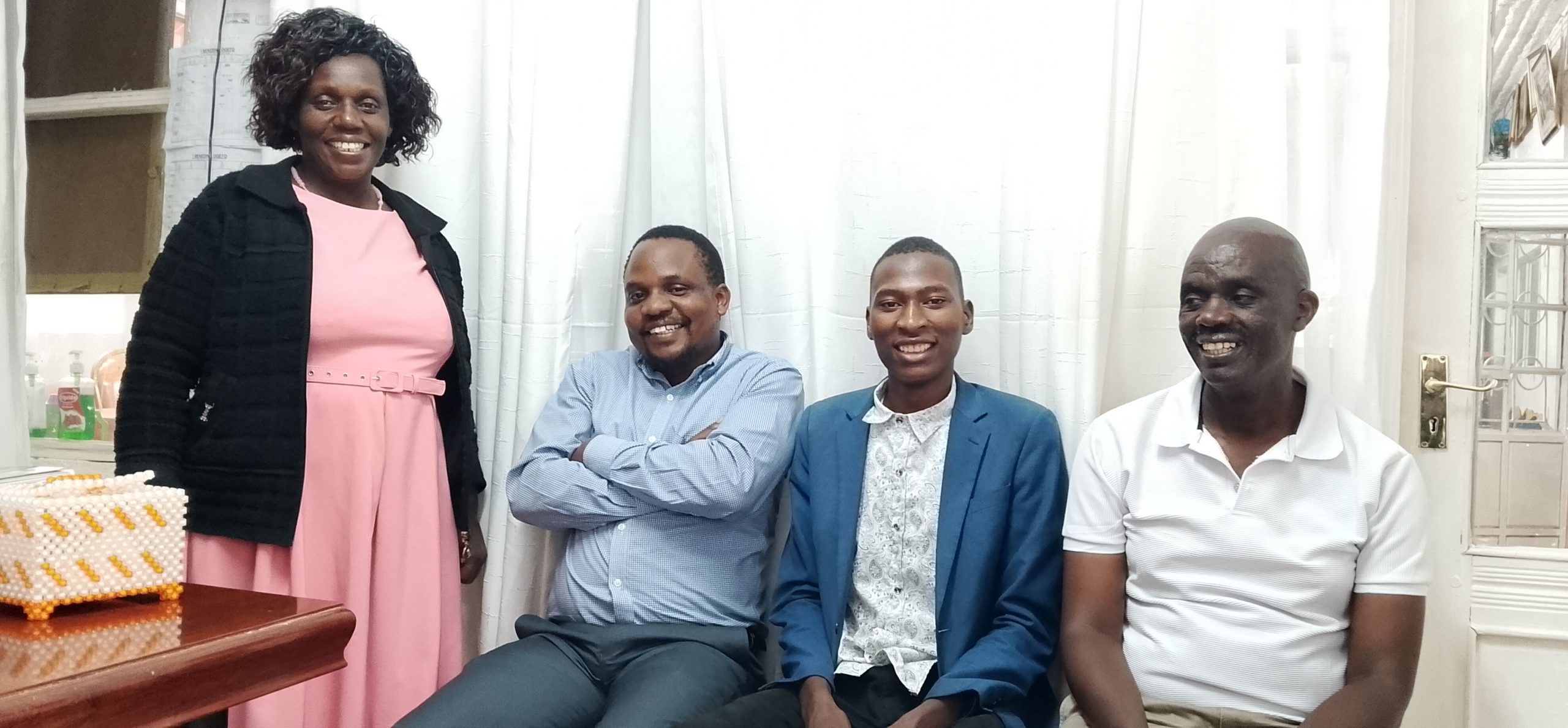
On the afternoon of May 5, 2026, what appeared to be an ordinary courtesy visit to St. Charles Lwanga Ichuni Girls High School turned into a remarkable encounter with a school redefining educational leadership and innovation in Kenya.
I had visited the institution to update the school administration about the upcoming 2nd Annual International Scholar Media Africa Conference and SMEGAfrica Excellence Awards 2026 scheduled for August 5 – 7, 2026 at Safari Park Hotel, Nairobi. However, beyond the formal discussions on education, youth empowerment, and partnerships, one unusual scene immediately captured attention.
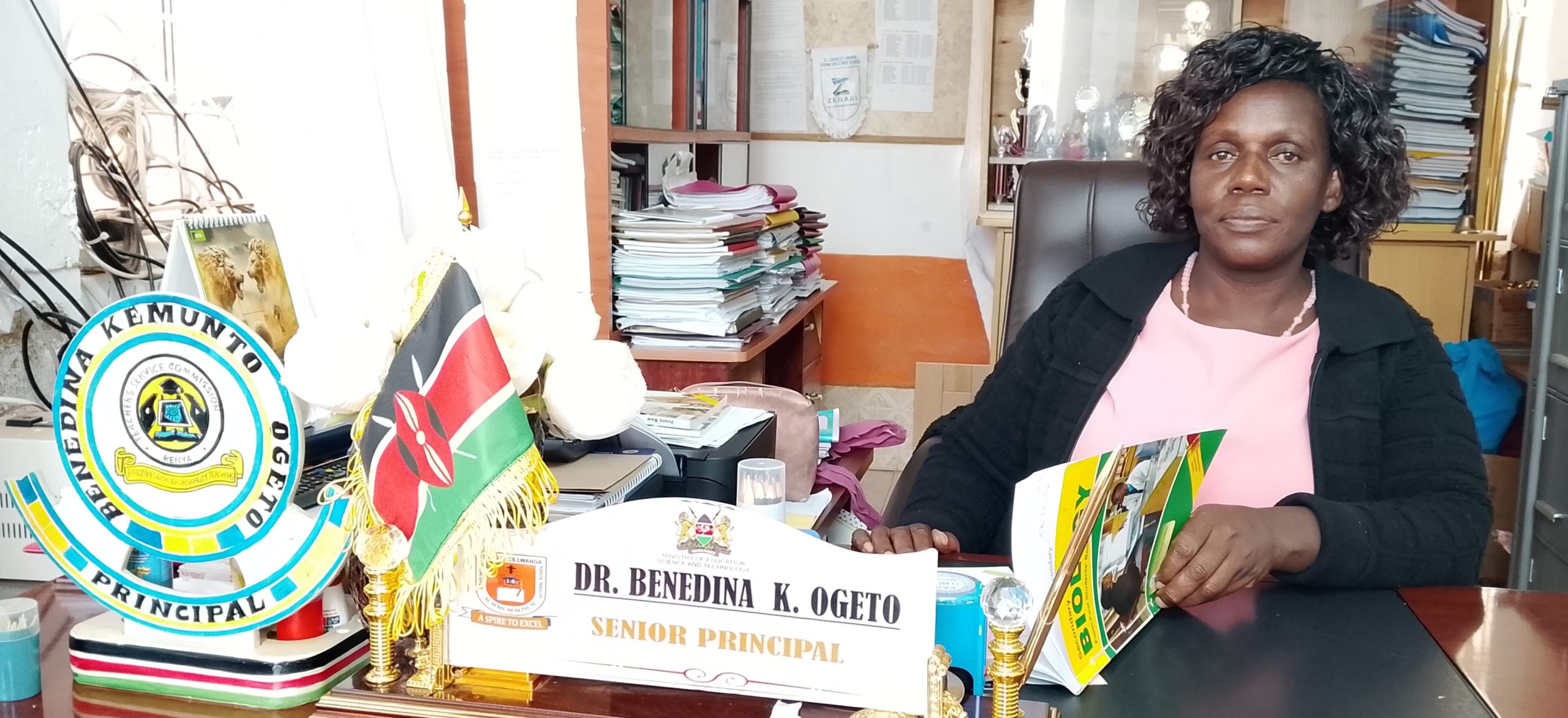
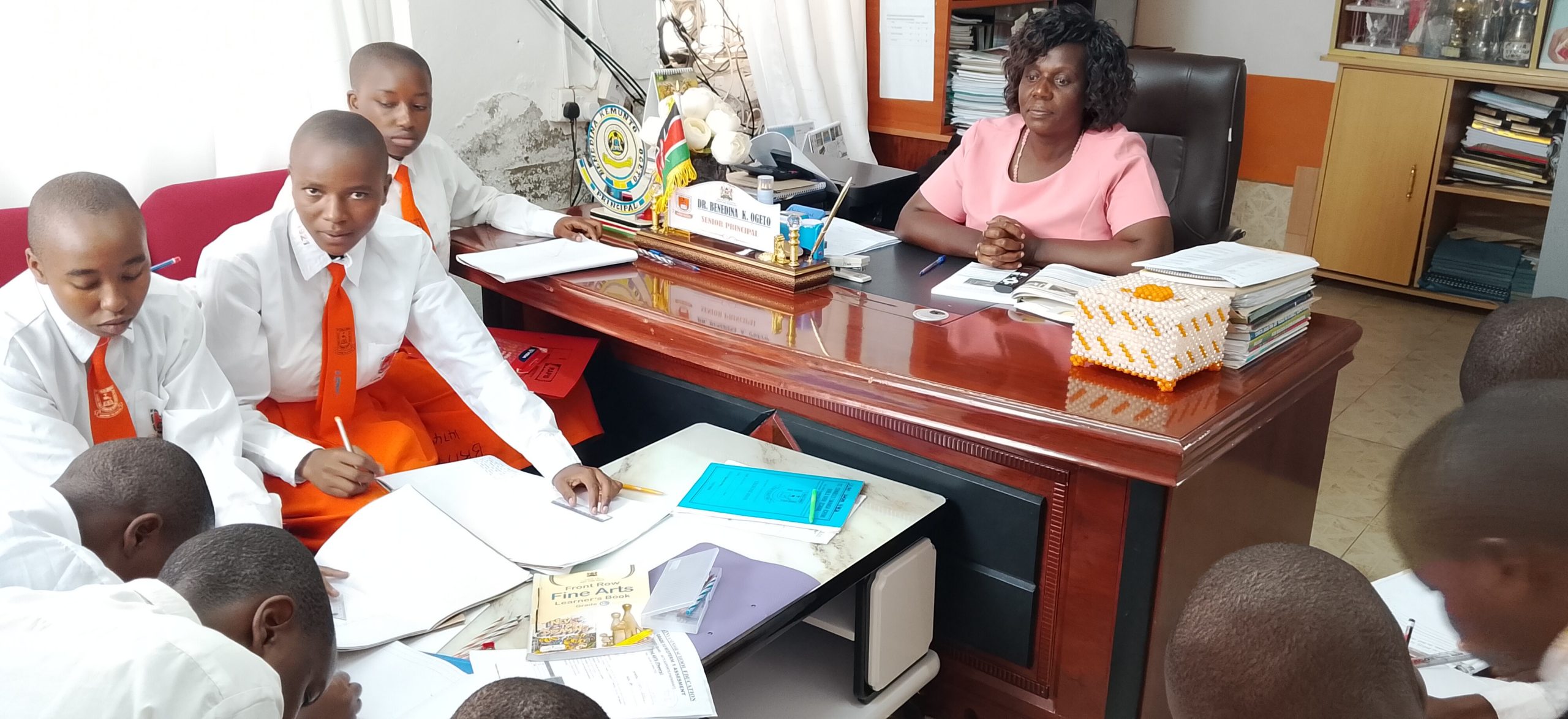
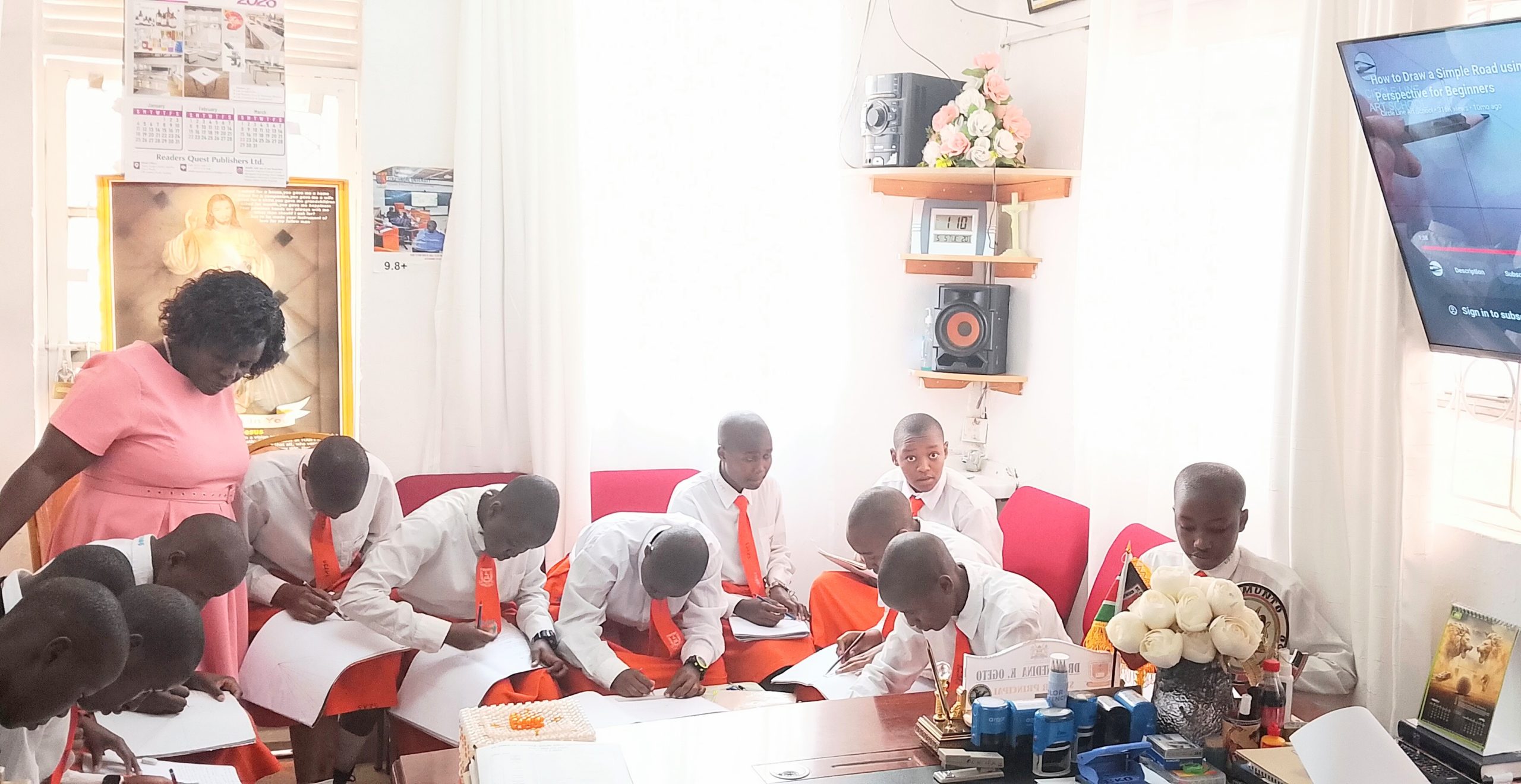
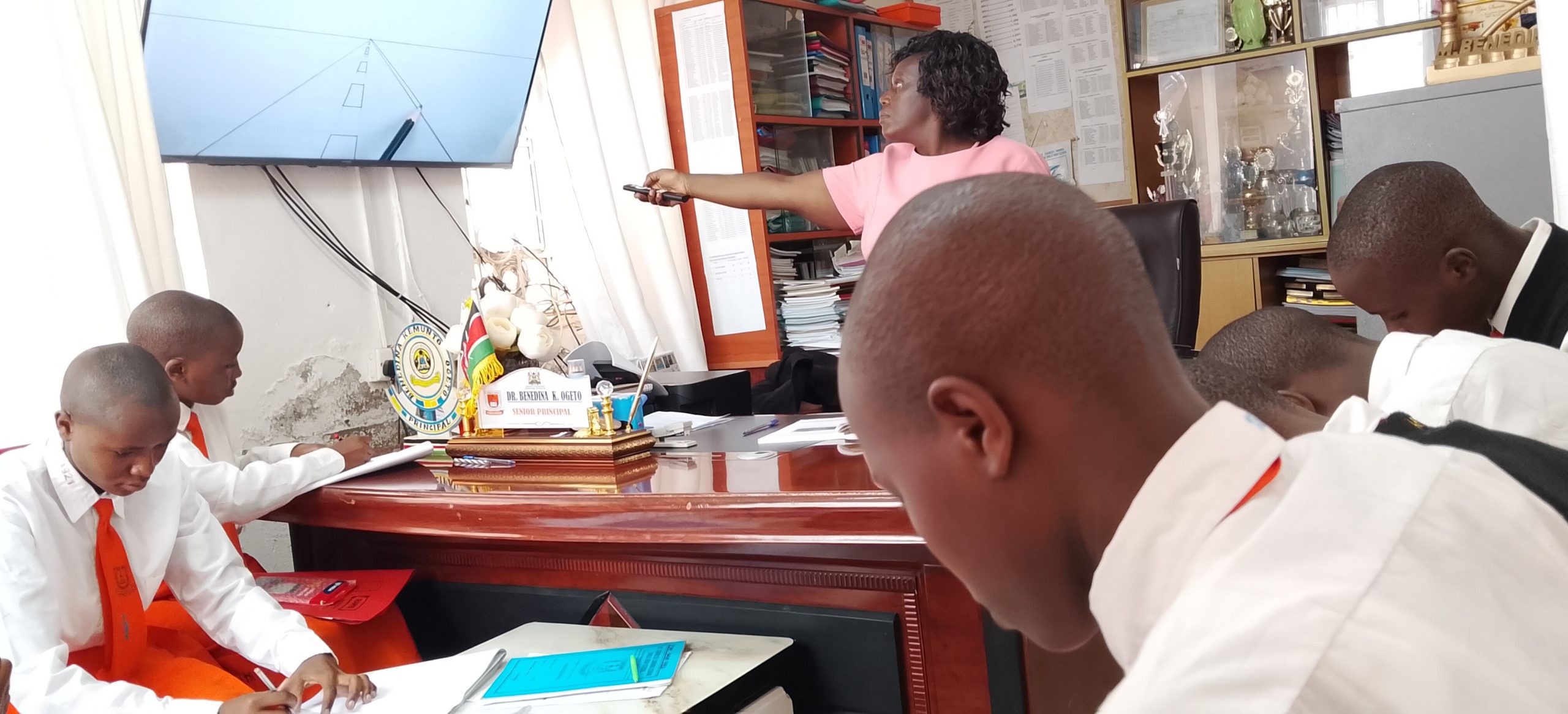
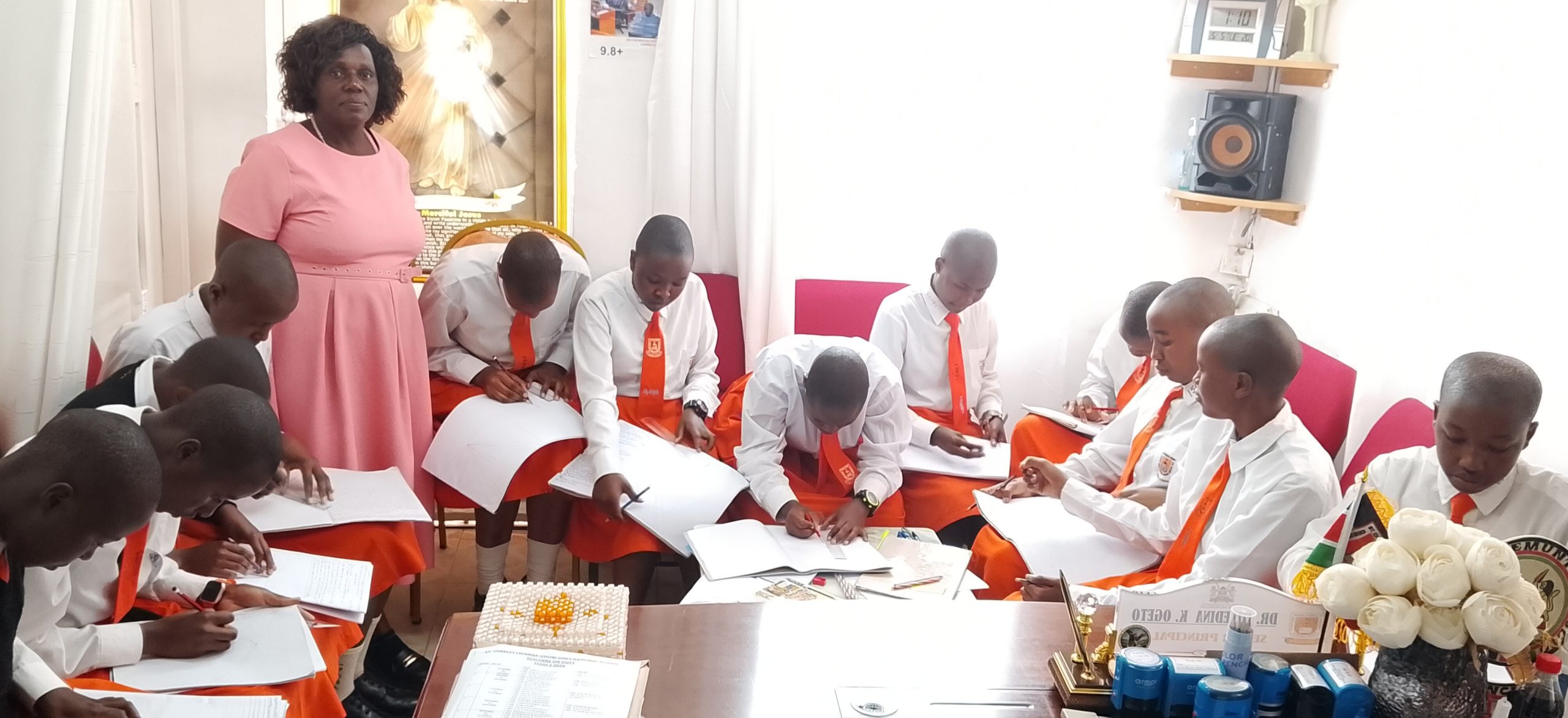
Inside the Senior Principal’s office, Dr. Benedina Kemunto Ogeto was not seated behind files handling administrative paperwork. Instead, she was actively teaching a Fine Arts lesson to a class of 12 Grade 10 students.
Using digital learning tools and YouTube demonstrations, the principal passionately guided learners through drawing techniques, artistic expression, and visual creativity. The atmosphere inside the office resembled a modern creative studio rather than a conventional administrative space.
It was both surprising and inspiring.
A Rare Gesture in School Leadership
In many institutions, principals are often overwhelmed by management duties, meetings, budgeting, discipline issues, infrastructure supervision, and endless reports. Rarely do principals personally conduct lessons, especially from their offices.
Yet at St. Charles Lwanga Ichuni Girls, Dr. Ogeto is intentionally redefining leadership by remaining actively connected to the classroom.
For her, teaching is not merely a responsibility delegated to teachers. It is a lifelong passion.
“I attended Fine Arts classes myself while in primary school and discovered my passion for drawing very early in life,” she said during the interview.
“I draw with a lot of ease because it is both a gift and a talent. Teaching Fine Arts keeps me connected to the learners and reminds me why I joined education in the first place.”
As she guided learners through drawing concepts and visual interpretation, she occasionally referred to online demonstrations to enrich the learning experience. The lesson perfectly reflected the spirit of Competency Based Education, which emphasizes practical learning, creativity, innovation, and learner-centered approaches.
Double Joy for the School Community
This year has brought double celebration to the St. Charles Lwanga Ichuni Girls fraternity.
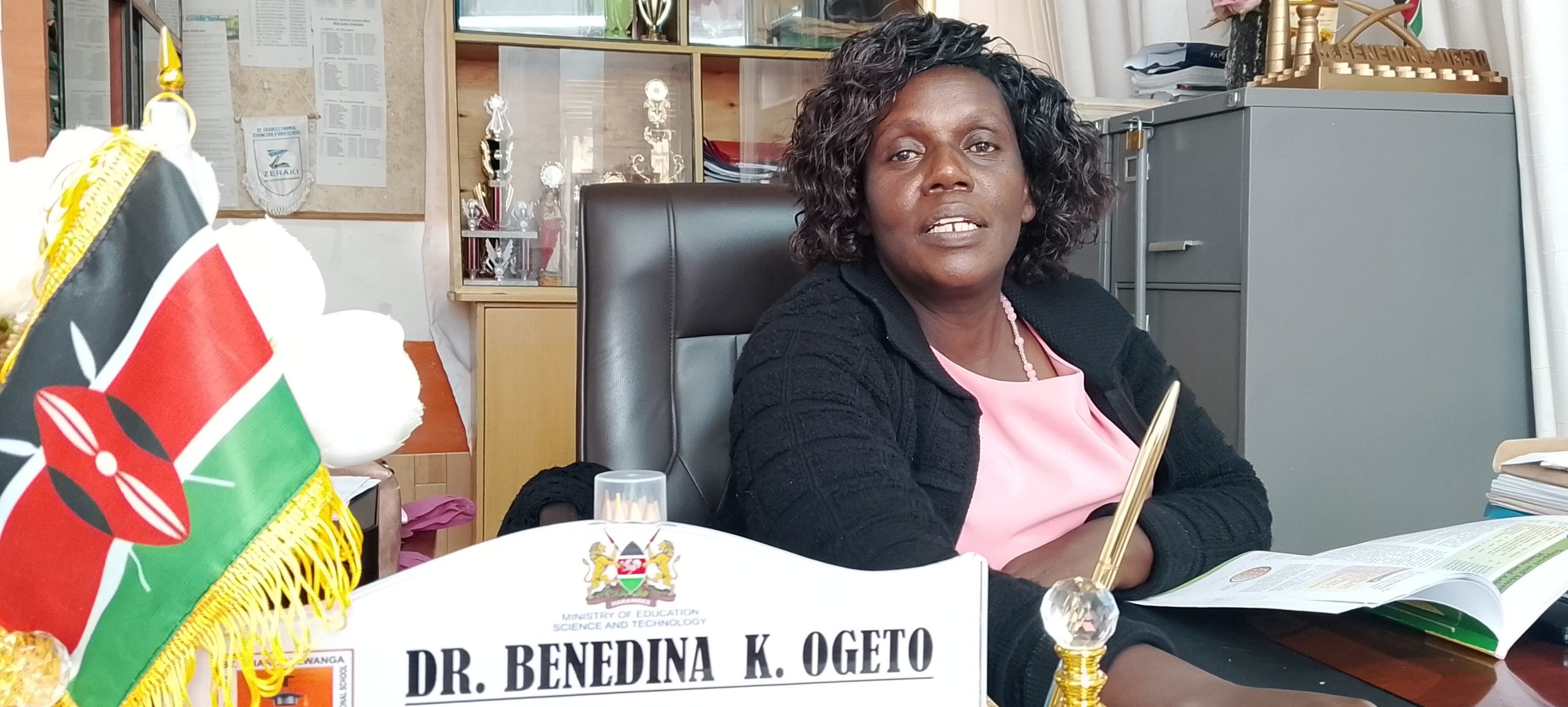
The school was recently elevated to National School status under the C1 category, marking a significant milestone in its academic and institutional journey. At the same time, Dr. Ogeto, a seasoned Chemistry and Biology educator by profession, earned her promotion to the rank of Senior Principal, a recognition of her years of dedication, leadership, and commitment to transformative education. Her academic background in the two science subjects she studied at university has greatly shaped her passion for STEM education, innovation, and learner-centered teaching.
The dual achievement has energized both staff and learners, with many viewing it as recognition of years of dedication, discipline, teamwork, and visionary leadership.
The institution now carries the responsibility of living up to national expectations while shaping one of the country’s pioneer Grade 10 cohorts under the Competency-Based Education framework.
Preparing the Pioneer Grade 10 Cohort
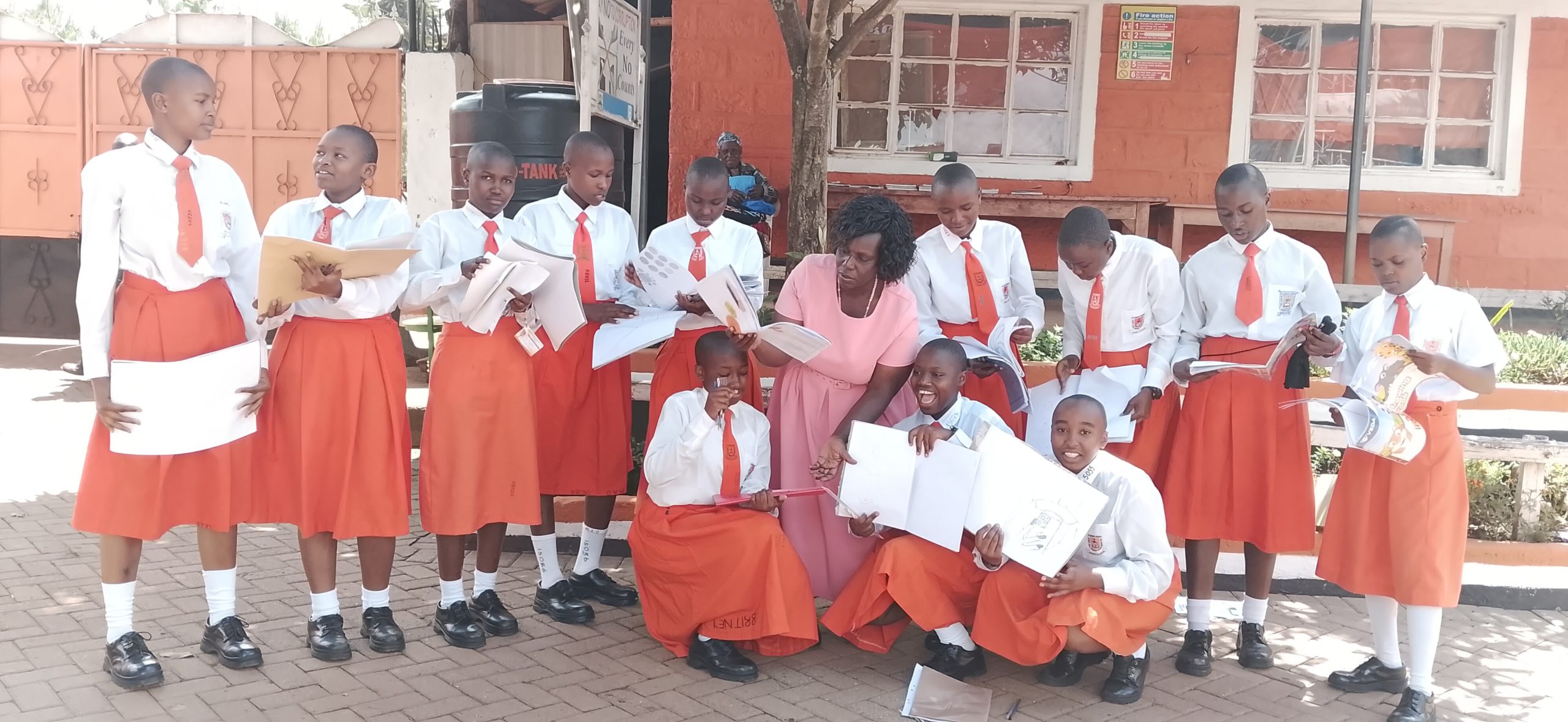
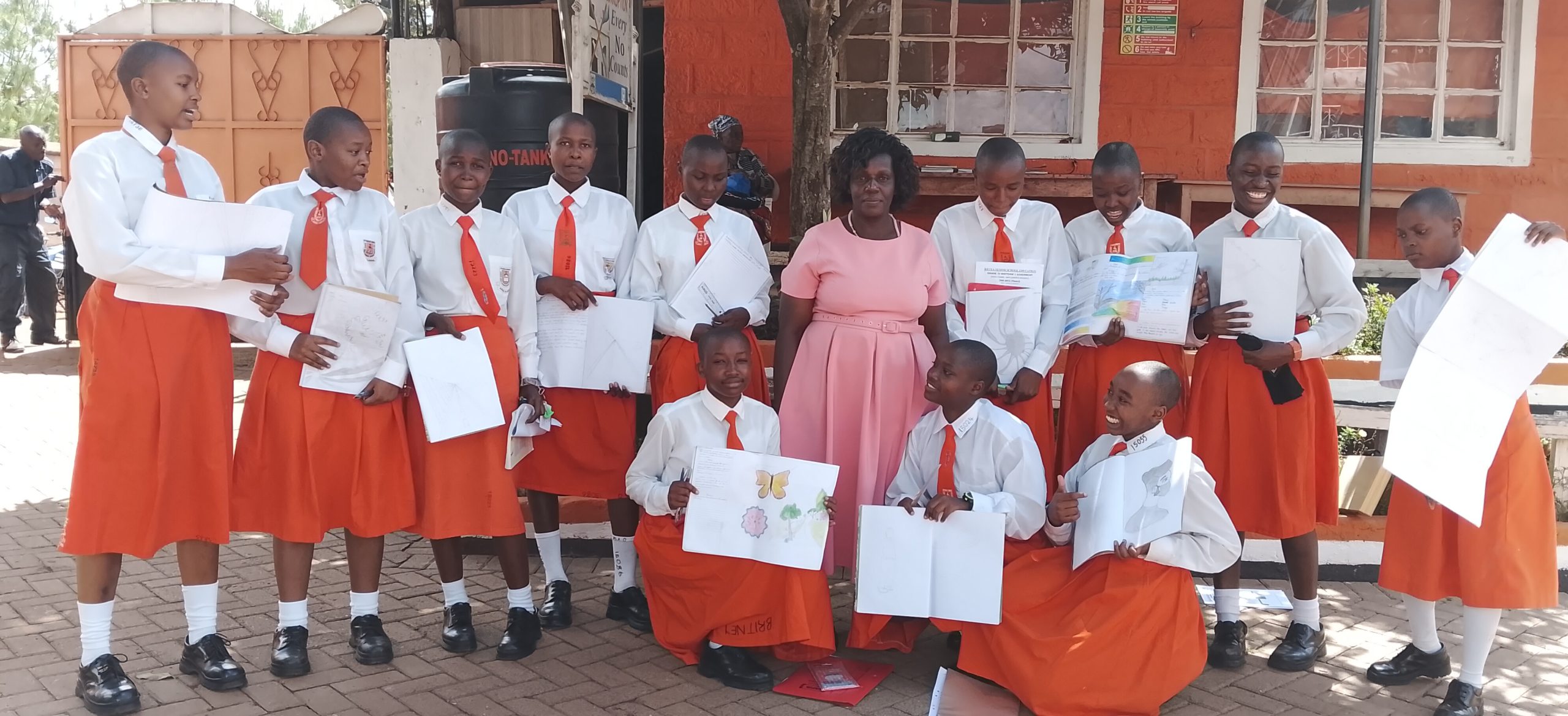
This year, the school admitted 815 Grade 10 students, making them part of the pioneer cohort transitioning fully into senior school under the CBE system.
According to the administration, the learners are already demonstrating remarkable confidence and adaptability to the learner-centered curriculum.
“The students are more exposed than we were,” Dr. Ogeto observed. “They encountered learner-centered teaching and learning approaches much earlier. Their confidence level is high and we are offering all the pathways to ensure no learner is left behind.”
The school currently hosts a large student population that reflects both transition and transformation within Kenya’s education system. Besides the 815 Grade 10 learners under CBE, there are 1100 students in Form Three under the outgoing 8-4-4 system and 616 candidates in Form Four preparing for their final national examinations.
Managing the transition between the two systems is not an easy task, but the administration appears determined to turn the challenge into an opportunity for growth and innovation.
Driving Innovation Through STEM and ICT Integration
Dr. Ogeto is not only an administrator but also an experienced education innovator.
Beyond school leadership, she serves as an external educational engagement expert, a STEM trainer, and a part time lecturer. She has worked as a STEM trainer since 2011 and has championed ICT integration in learning for years.
Her educational experience includes training teachers in ICT integration, and problem-based learning approaches. She has also trained educators on project-based learning, inquiry-based learning, and the use of digital platforms such as Google Classroom and virtual laboratories.
“We cannot prepare learners for the future using yesterday’s methods,” she said. “Competency-Based Education demands creativity, innovation, collaboration, communication, and practical exposure. As teachers, we must continuously adapt.”
The Fine Arts lesson itself reflected this philosophy. Learners followed visual demonstrations online while receiving direct guidance from the principal. The session combined technology, creativity, observation, and practical engagement.
Nurturing Talents Beyond Academics
Beyond Fine Arts, the school is intentionally nurturing learners’ talents and practical skills across a range of creative and vocational fields, including knitting, crocheting, embroidery, weaving, music, and performing arts, empowering learners to transform creativity into meaningful expression and enterprise.
The curriculum is further enriched with Computer Studies, Building and Construction, French, Electricity, and Home Science, equipping learners with modern technical competencies, global communication skills, and hands-on life skills for the future.
Dr. Ogeto noted that learners are already demonstrating impressive artistic and practical skills aligned to the creative economy.
“This curriculum is helping learners discover their identity, unlock their potential, and confidently pursue their unique talents and abilities. Education should not merely produce examination grades and certificates. It should nurture complete individuals who are skilled, innovative, confident, creative, solution oriented, and purposeful enough to positively transform society,” she said.
Teachers Ready for the New Era
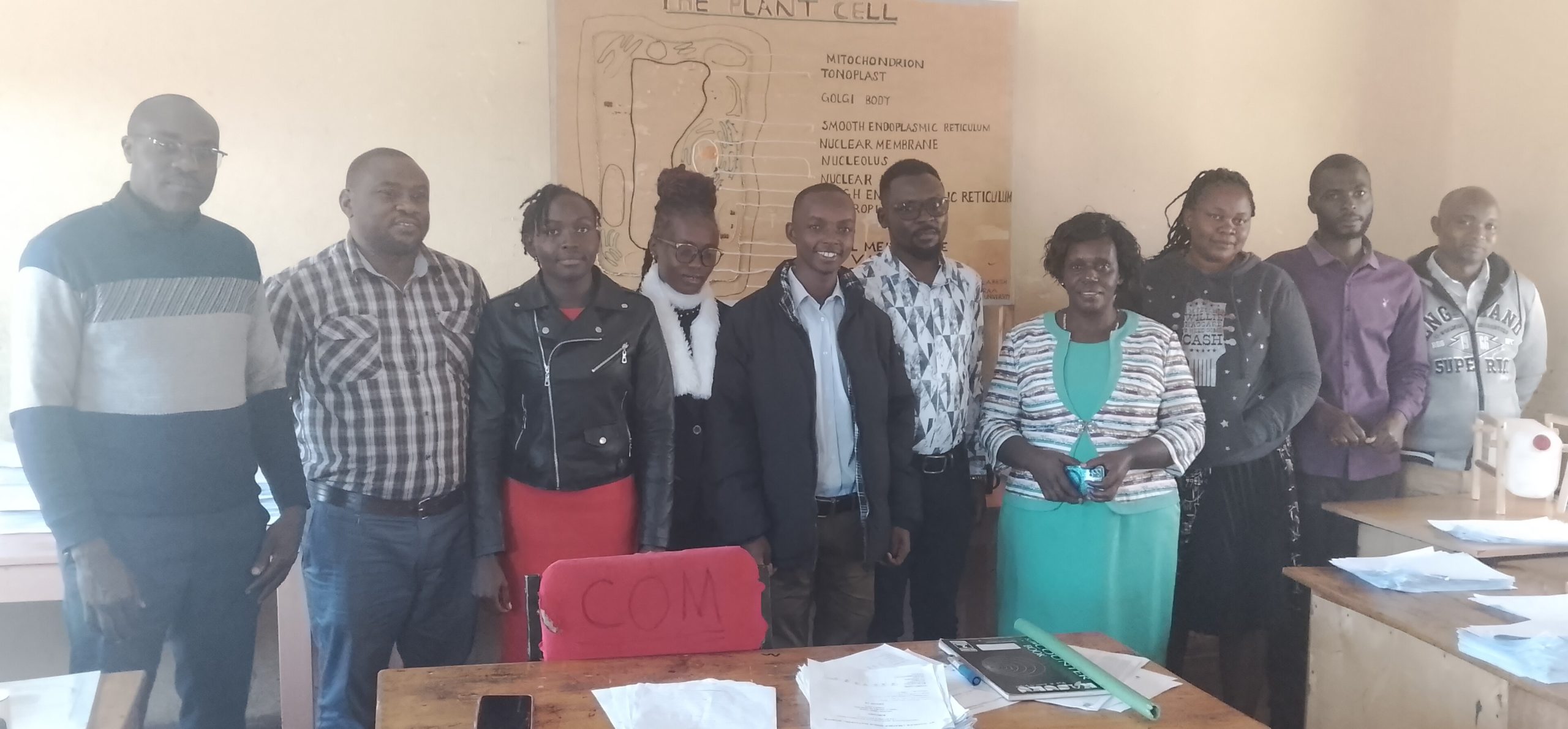
The transition to Competency-Based Education at St. Charles Lwanga Ichuni Girls is also being driven by a committed and forward looking teaching staff.
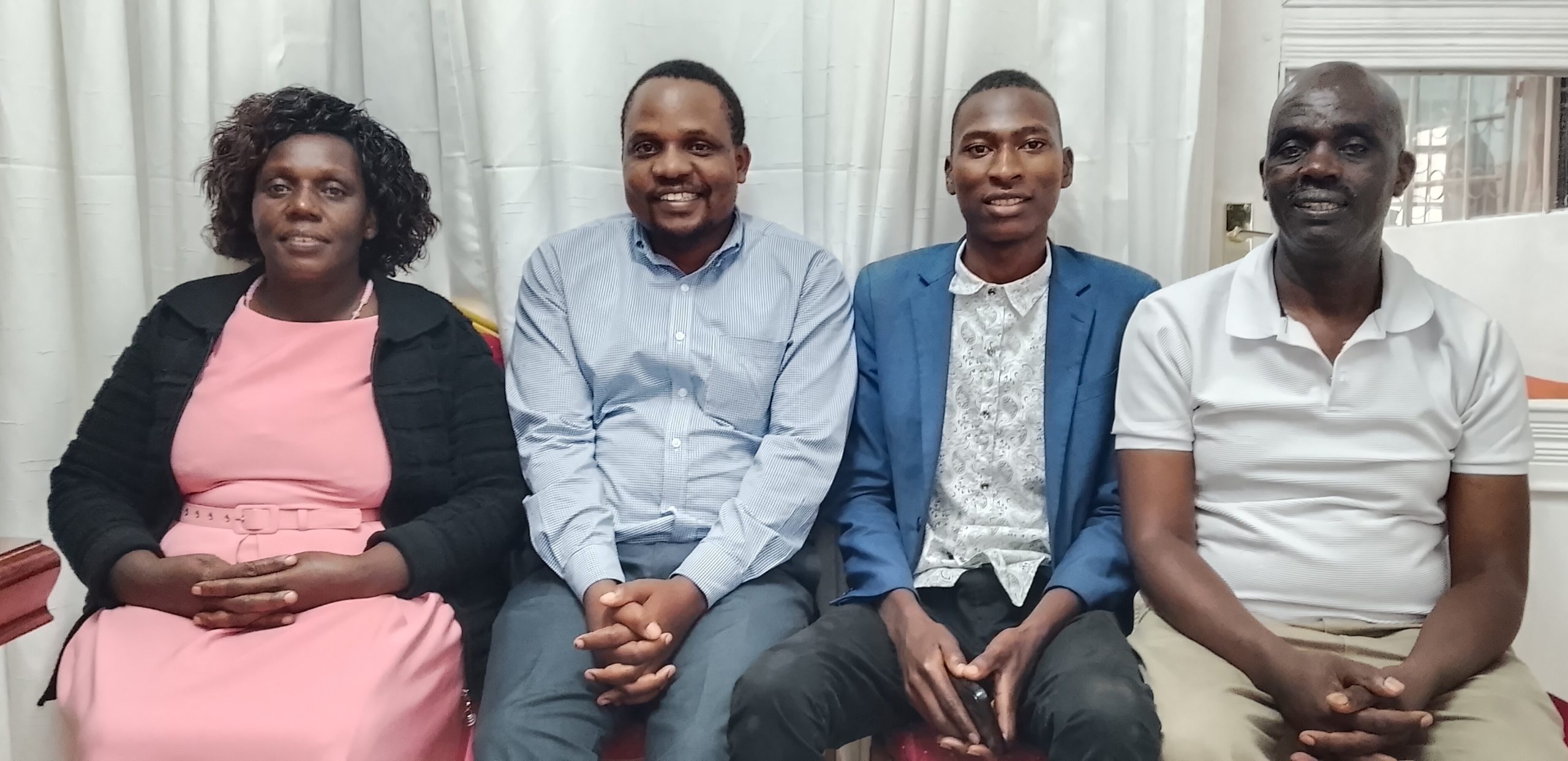
Kevin Omambia, the school’s Media Technology teacher, described the curriculum as an opportunity to nurture digital literacy and communication skills among learners.
“Media Technology is opening students to modern communication spaces and digital creativity,” he said. “With the support of the administration and management, we are adequately prepared to guide learners in practical and industry relevant skills.”
Music teacher Javan Ndege emphasized the growing importance of creative arts within the new curriculum structure.
“Music is not just entertainment. It is a language, a talent, and a career pathway,” he said. “We are helping students understand rhythm, communication, voice training, and creative expression. The administration has created an enabling environment for us to deliver effectively.”
Jonathan Peter, the school’s Sign Language teacher, said inclusion remains a critical component of modern education.
“Sign language promotes communication, inclusivity, and understanding,” he noted. “We are committed to ensuring that learners appreciate diversity and gain skills that can help them connect with different members of society.”
Redefining Educational Leadership
What makes the story of St. Charles Lwanga Ichuni Girls particularly compelling is not merely infrastructure growth or the prestigious National School status. It is the culture being cultivated within the institution.
There is a visible effort to redefine leadership in education.
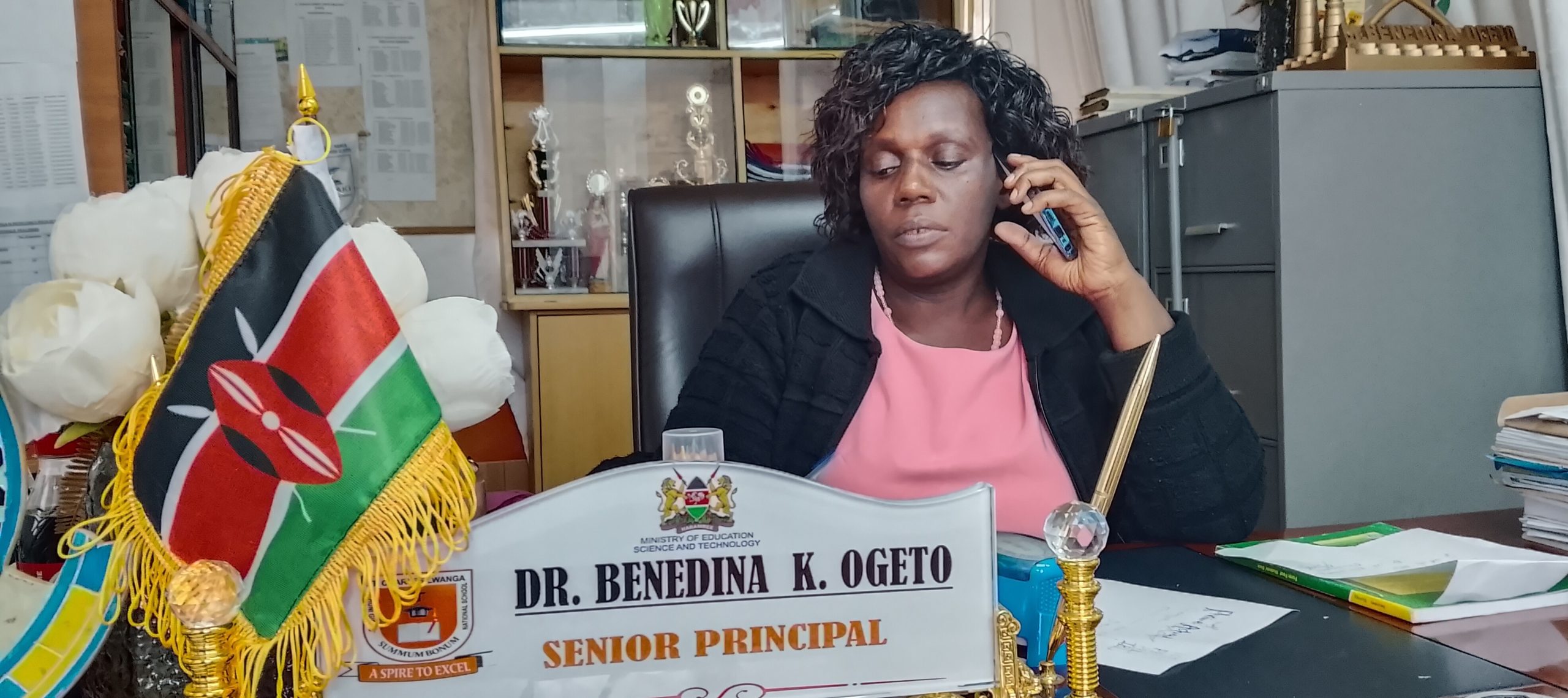
At a time when many school administrators remain detached from classrooms due to overwhelming managerial responsibilities, Dr. Benedina Ogeto’s decision to personally teach learners from her office sends a powerful message about servant leadership, passion, and commitment to academic transformation.
Her office has become more than an administrative center. It is also a space of mentorship, creativity, innovation, and learning.
In many ways, the scene represented the future of education in Kenya. A Senior Principal teaching Fine Arts through YouTube demonstrations from her office may appear unconventional, but perhaps that is exactly what modern education requires.
As Kenya continues implementing Competency Based Education, schools will increasingly be measured not only by examination results but also by how effectively they nurture talent, innovation, practical skills, and learner confidence.
At St. Charles Lwanga Ichuni Girls High School, the foundation for that future is already being laid. And remarkably, part of that transformation is beginning from the principal’s office itself.
The School on an Upward Trajectory
St. Charles Lwanga Ichuni Girls High School, located in Masaba South Sub-County, Kisii County, has over the years grown into one of the most respected centres of academic excellence and holistic learner development in the region and beyond.
Formerly operating as an Extra County school, the institution has steadily built a strong reputation grounded in discipline, consistency, and a deliberate focus on quality education. Its recent elevation to National School status marks a significant milestone in its journey, one that reflects years of sustained improvement, strategic leadership, and commitment from both staff and learners.
Academically, the school has continued to post impressive results in national examinations, with a consistent track record of strong performance and steady improvement. This success is anchored in a dedicated teaching fraternity, a supportive administration, and a learning culture that prioritizes excellence, hard work, and accountability.

Beyond academics, St. Charles Lwanga Ichuni Girls has distinguished itself through outstanding performance in co-curricular activities. The school has actively nurtured talent in music, drama, sports, creative arts, and leadership development, producing well-rounded learners who excel not only in examinations but also in creativity, teamwork, and personal expression.
Its growing reputation has positioned it as one of the standout institutions not only within Kisii County but also on the national stage. The school continues to serve as a model of transformation, demonstrating how disciplined leadership, innovation in teaching, and a commitment to holistic education can elevate an institution into a centre of excellence.
Today, St. Charles Lwanga Ichuni Girls stands as a symbol of educational progress, an institution where tradition meets innovation, and where learners are prepared not just for examinations, but for life.
YOU MAY ALSO LIKE: Rising Beyond the Hills: How Ichuni Girls High School is Shaping Kenya’s Future Women Leaders
PICTORIAL