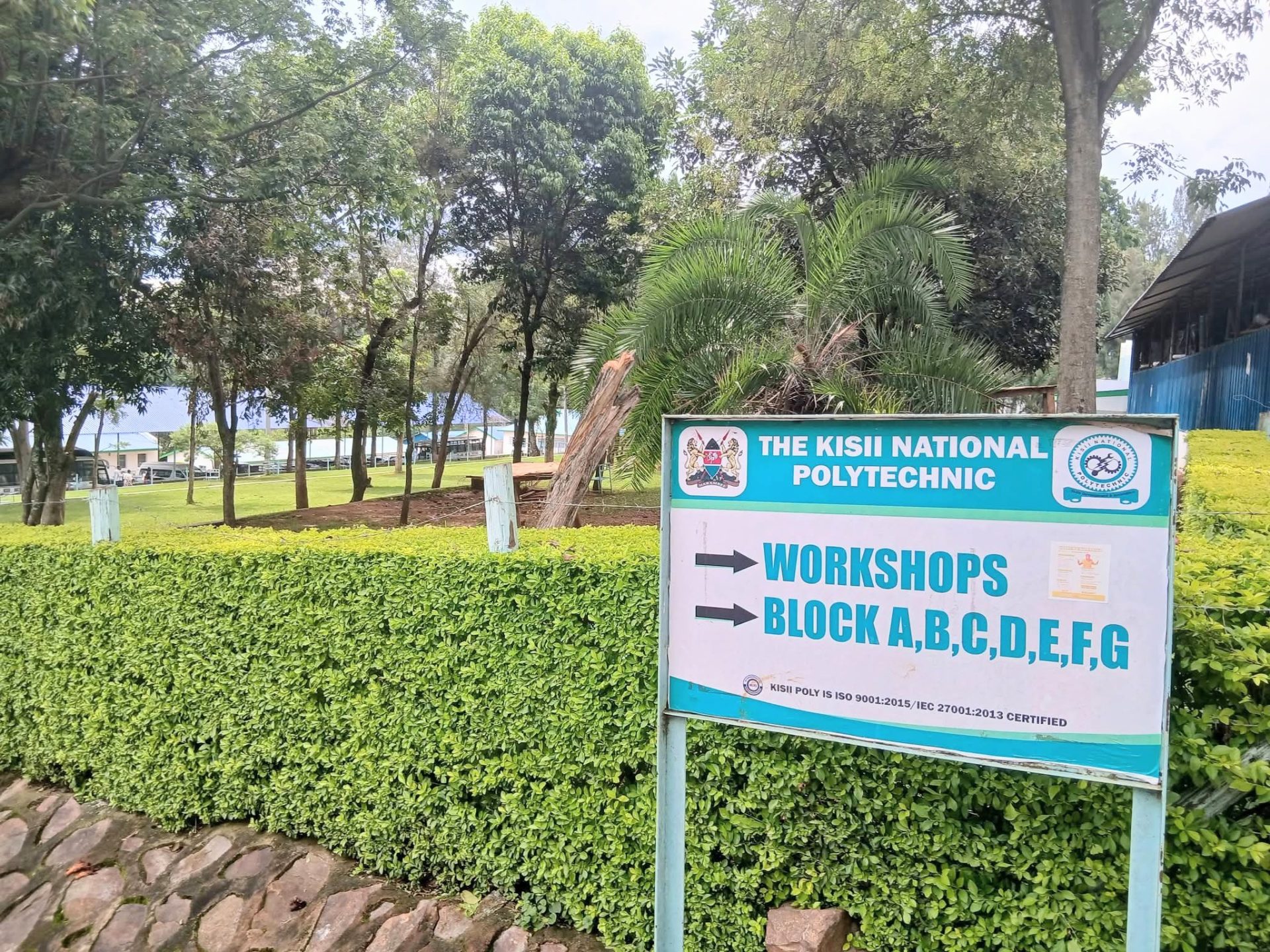































- The Kisii National Polytechnic is rapidly emerging as a regional skills powerhouse, producing industry ready graduates equipped to drive Kenya’s industrialization, innovation, and sustainable development.
- The 6th Graduation Ceremony reflected the Government’s growing commitment to affordable, quality, and market driven TVET education as a key pillar for job creation and economic transformation.
- Through strategic industry partnerships, internationally recognized quality standards, and inclusive pathways like Recognition of Prior Learning (RPL), KNP continues to transform lives, empower communities, and shape a globally competitive workforce.
The air at the Kisii National Polytechnic (KNP) grounds on April 30, 2026, was thick with a palpable sense of triumph and transformation. It was a historic Thursday as the institution hosted its 6th Graduation Ceremony, a milestone event that saw 4,213 graduates transition from trainees to a competitive workforce ready to drive the national industrial agenda. The ceremony, themed around industry aligned skills for sustainable development, served as a powerful testament to the polytechnic’s evolution from a modest school in 1972 to a regional powerhouse in Technical and Vocational Education and Training (TVET).

Government Commitment to Affordable Excellence
The event was graced by the Cabinet Secretary for Education, Julius Migos Ogamba, who served as the Chief Guest. His presence underscored the government’s unwavering commitment to the TVET sector as the primary engine for national development. Addressing the assembly, CS Ogamba highlighted the exponential expansion of the TVET space, which now boasts over 250 institutions and an enrolment exceeding 700,000 trainees.
In a move that sparked hope among both parents and students, the Cabinet Secretary announced significant financial reforms.
“The Government has since reviewed downwards fees for TVET institutions and standardized it at KSh.67,189 effective from May 2026,” CS Ogamba stated. “This is expected to result in improvement of access to TVET Institutions”.
To further bolster the quality of training, the CS revealed that the recruitment of an additional 1,000 trainers would be finalized before the end of the current financial year. He urged the graduates to embrace their roles as “ambassadors of KNP and agents of positive change” while applying their skills to build industries and create jobs.

A Skills Development Giant in the Region
The Chief Principal of Kisii National Polytechnic, Mr. Geoffrey Andama, expressed his profound pride in the graduating class. He described the polytechnic as a skills development giant, noting that while the institution began with an enrolment of less than 100 trainees in 1972, it has grown to a trainee population of 13,192 today.
“Today is a day of celebration as we release 4,213 graduates who have successfully completed their training programmes at this Polytechnic into the labour market,” Mr. Andama remarked. “But perhaps more importantly, it is a moment of reflection and thanksgiving… for great is the multitude that began this journey, but many could not hold on to the end”.
Mr. Andama emphasized that the graduates were possessors of industry ready, practical skills, largely due to the adoption of a modularized curriculum and dual vocational training. He noted that by sharing training time with industry on a 50-50 ratio, the institution makes “training more authentic and relevant to industry needs”.


Accreditation and the Pathway of Prior Learning
A standout feature of this year’s graduation was the inclusion of 111 graduands who qualified through the Recognition of Prior Learning (RPL) framework. This pathway recognizes knowledge and skills gained informally or through on the job training.
The Kenya National Qualifications Authority (KNQA) CEO, Dr. Alice Kande, lauded the institution for its adherence to high standards.
Dr. Kande emphasized that the certificates being awarded are fully accredited. Her message to the graduates was clear: “The certificate you are receiving today is acceptable”. She highlighted that KNP has the capacity to train and assess qualified Kenyans, ensuring they are ready for opportunities including government tenders.

Collaboration for Community Transformation
Echoing the spirit of regional collaboration, Kisii County Deputy Governor Elijah Obebo represented the local administration and highlighted the strong partnership between the county government and the polytechnic in advancing skills development, youth empowerment, and community transformation.
“You have government support,” Deputy Governor Obebo noted, wishing the graduates the best as they move forward.
He encouraged the class of 2026 to view their training as a “premium pathway” to success, emphasizing the importance of self reliance and innovation in a changing economy.

A Future Defined by Quality and Innovation
The Polytechnic’s commitment to quality was further validated by its recent re-certification by the Kenya Bureau of Standards (KEBS). The institution has achieved the ISO/IEC 27001 International Standard for Information Security Management Systems (ISMS) and is also certified under the ISO 9001:2025 Quality Management System (QMS) standard.
Mr. Andama described this as “a testament of our commitment not only to making sound, relevant policies and procedures but also to following them while implementing our programs”.
As the ceremony came to a close, the message was clear: excellence, innovation, and sustainability remain at the heart of The Kisii National Polytechnic’s vision. Rising steadily as a trailblazing TVET institution, KNP continues to transform lives, empower communities, and produce a globally competitive workforce ready to drive Kenya’s industrial and economic future. Backed by strong government support, visionary leadership, and a dedicated management team, the institution is firmly on course to achieve its ambitious target of 20,000 students by 2027.
YOU MAY ALSO READ: TVETs Int’l Conference unveils technological, innovative ways for sustainability
PICTORIAL