
















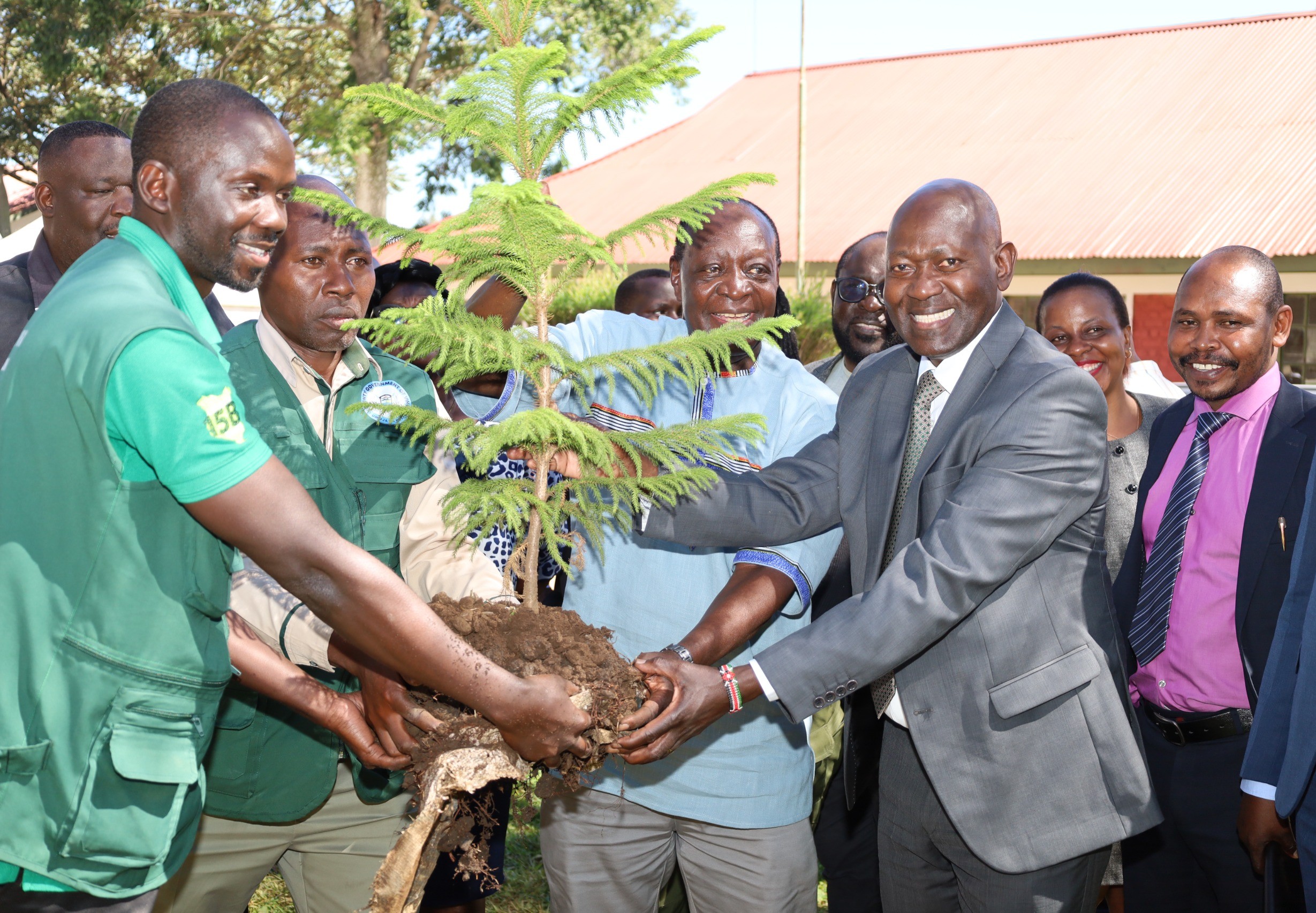
- Kaimosi Friends University is demonstrating how higher education institutions can move beyond teaching and research to become powerful drivers of climate action, environmental conservation and sustainable development.
- Through strategic partnerships, innovative research and community engagement, KAFU is positioning itself as a leading force in building climate resilience and shaping practical solutions to environmental challenges facing Kenya and Africa.
- The launch of the CECARE Strategic Plan 2026–2030 marks a bold commitment to transforming knowledge into action, empowering communities and securing a greener, more sustainable future for generations to come.
Universities must do more than generate knowledge; they must lead the transformation of communities by turning research into practical solutions for a sustainable future.
Prof. Peter Nyamuhanga Mwita, Vice Chancellor, KAFU.
As the world grapples with the devastating effects of climate change, institutions of higher learning are increasingly being called upon to move beyond classrooms and become active drivers of sustainable development. In Western Kenya, Kaimosi Friends University (KAFU) is answering that call with remarkable commitment, positioning itself as a leading centre for climate research, innovation and environmental conservation.
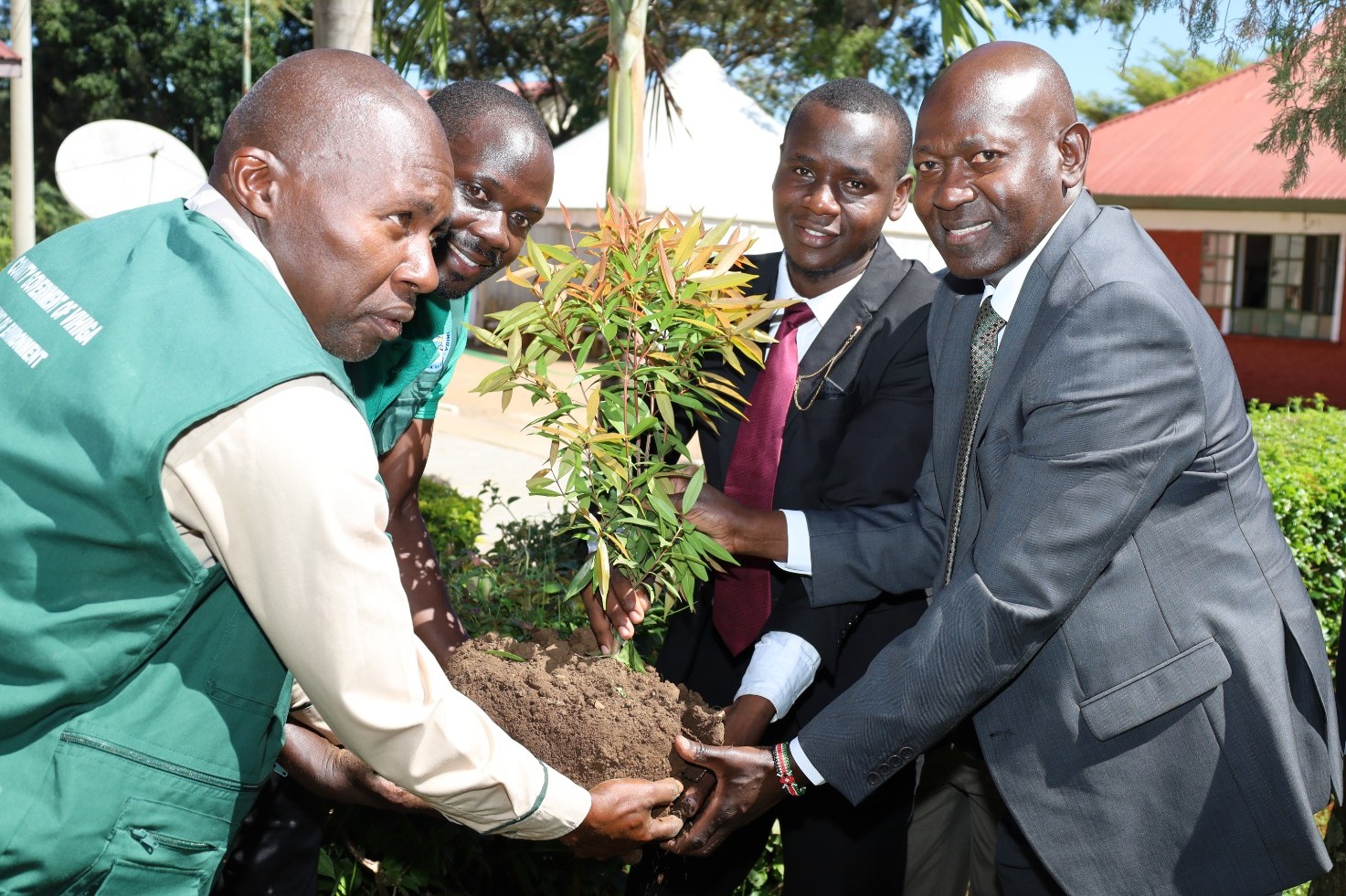
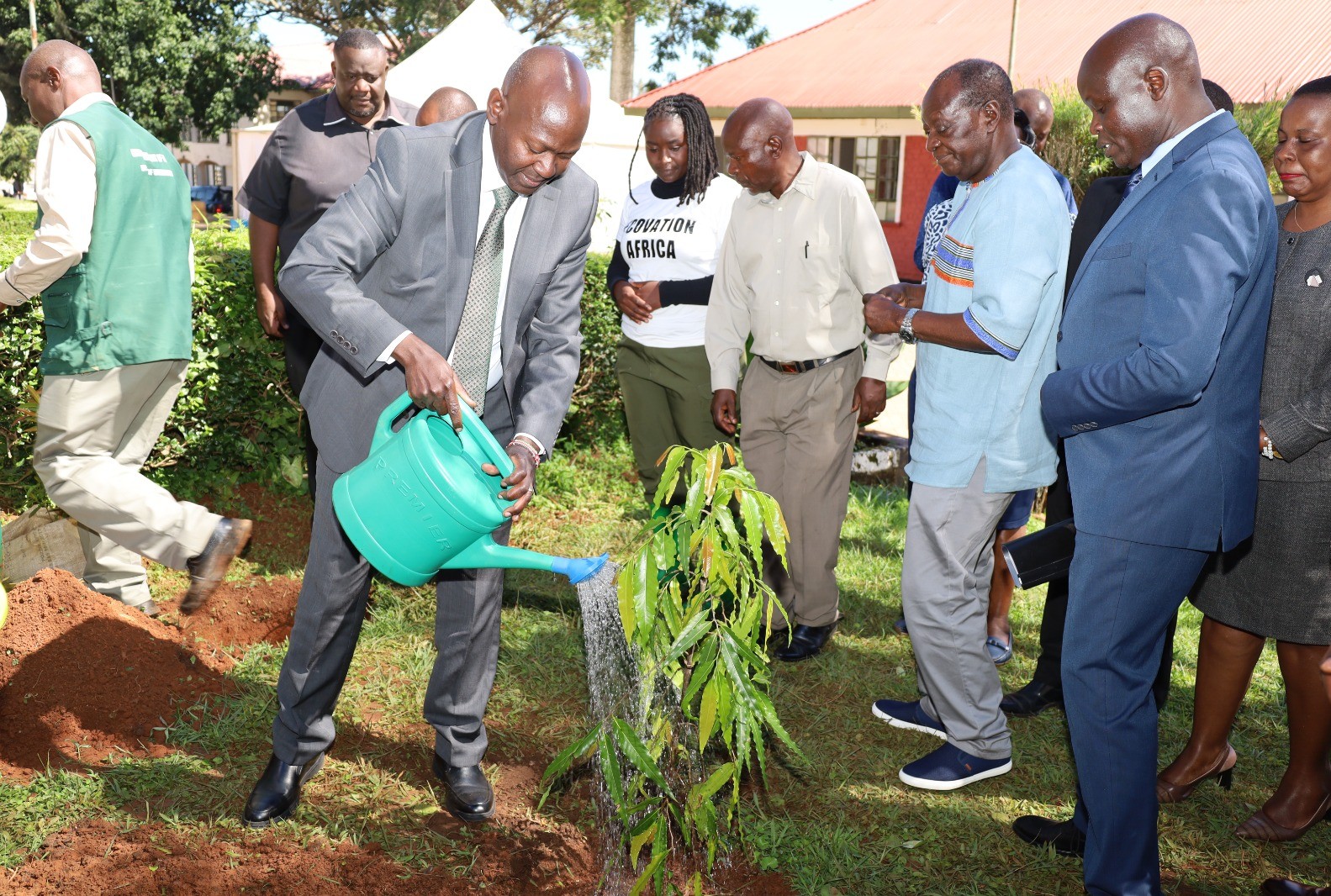
On June 5, 2026, as the world marked World Environment Day, Kaimosi Friends University, in partnership with the County Government of Vihiga, unveiled the Centre of Excellence for Climate Action and Research (CECARE) Strategic Plan 2026–2030, a landmark initiative aimed at strengthening climate resilience, advancing environmental research, and empowering communities to adapt to changing environmental realities.
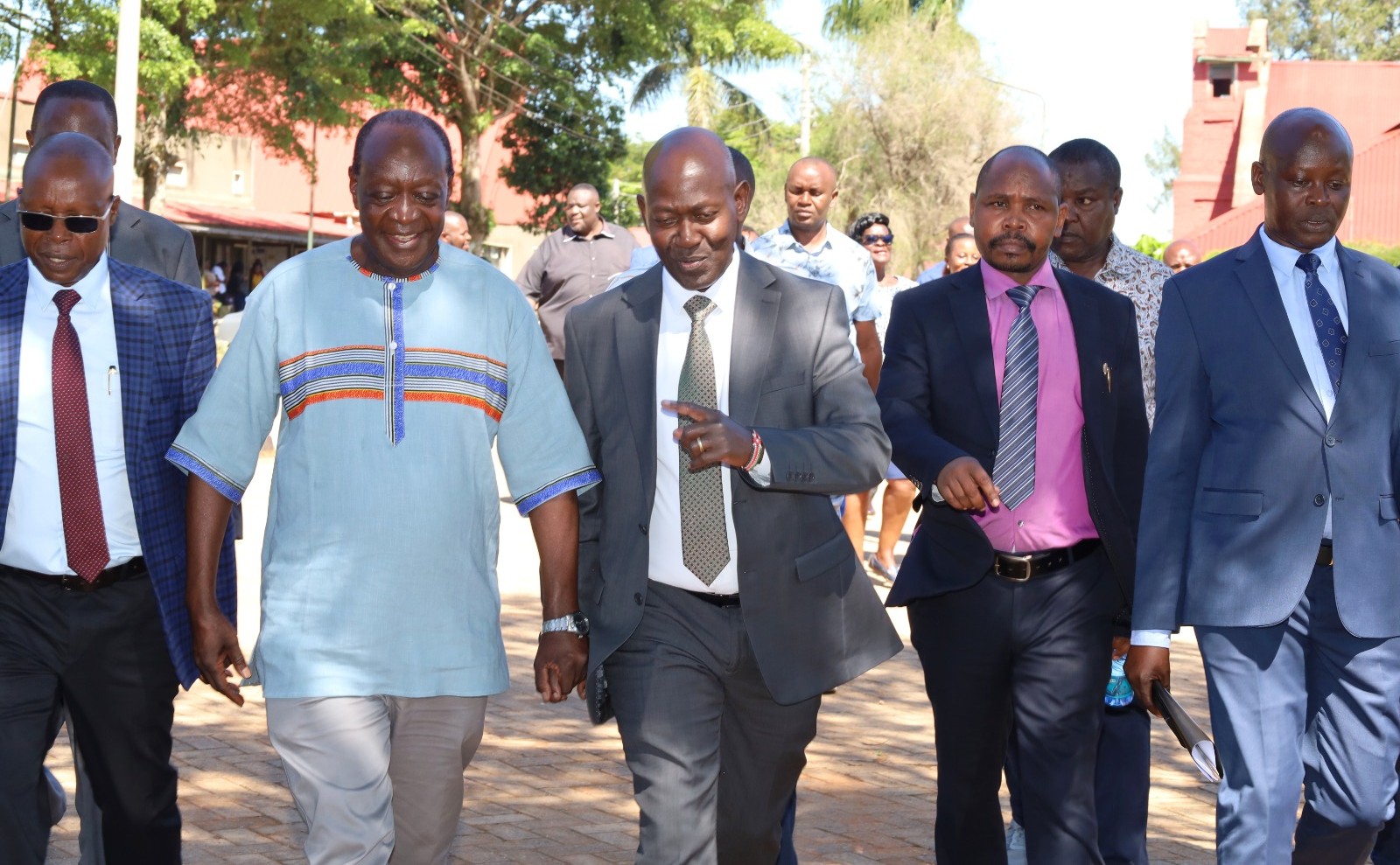
The launch, held at KAFU’s main campus in Kaimosi, attracted national and county leaders, researchers, environmental experts, students, development partners and community representatives, all united by a common goal: securing a sustainable future for present and future generations.
A Visionary Partnership for Climate Resilience
Speaking during the event, Vihiga Governor Dr. Wilber Ottichilo reaffirmed his administration’s commitment to environmental conservation and climate-smart development. The governor highlighted Vihiga County’s growing reputation as a leader in climate action, citing ongoing efforts in forest restoration, wetland conservation, agroecology, climate-smart agriculture and sustainable resource management.
Dr. Wilber Khasilwa Ottichilo, Governor, Vihiga County
Climate action is no longer a choice but a responsibility, and lasting solutions will emerge when science, leadership and communities work together to protect our environment.
Governor Ottichilo emphasized the importance of research-driven solutions in addressing climate challenges and pledged the county government’s full support for CECARE’s implementation. He noted that partnerships between universities, government agencies, communities and development partners are essential in creating practical and lasting solutions to climate-related threats.
Particularly noteworthy was the governor’s recognition of KAFU’s role in restoring critical ecosystems such as the Maragoli Hills and supporting conservation efforts in the Kaimosi and Kibiri forests, some of the region’s most important ecological assets.
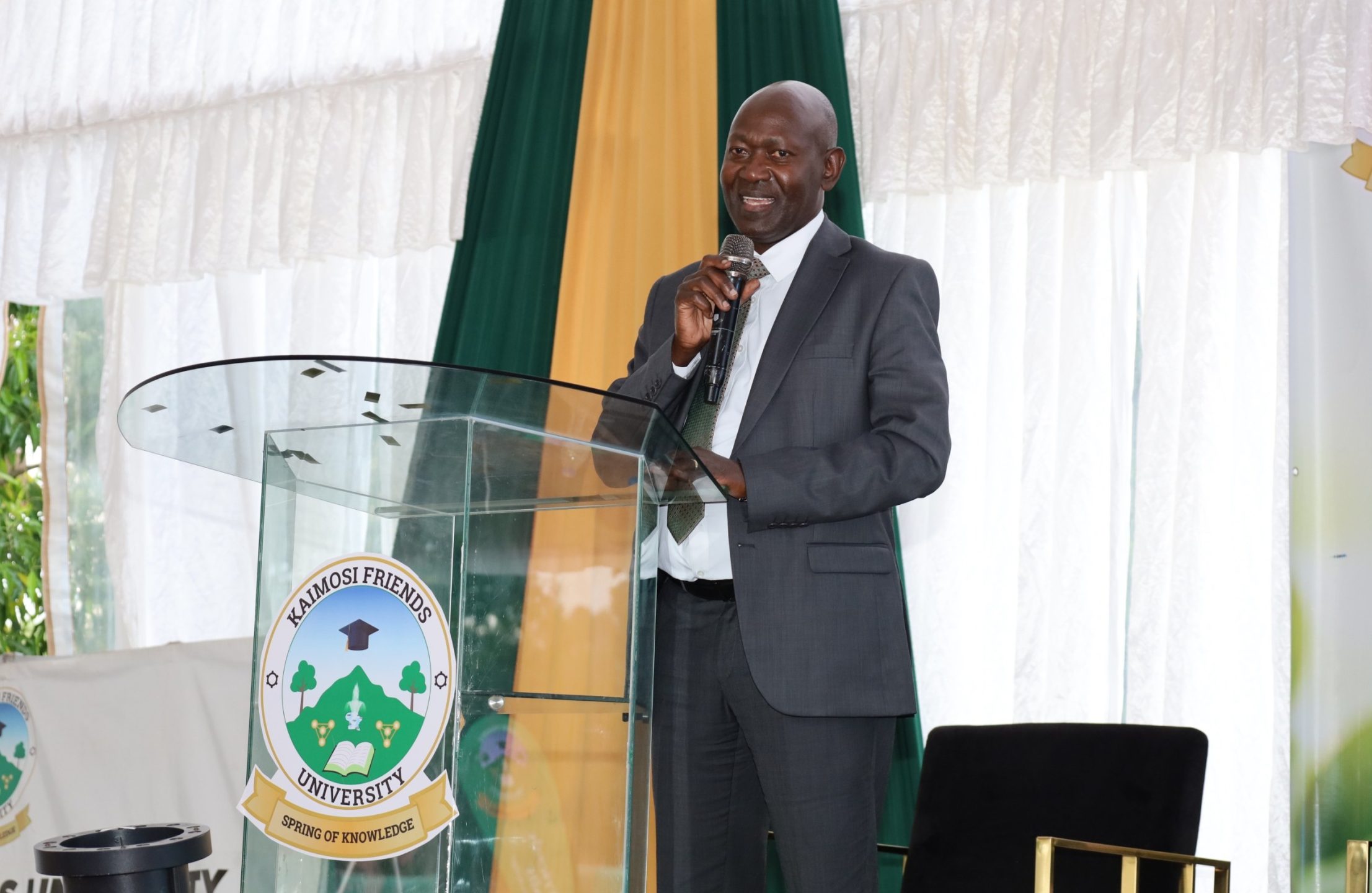
Vice Chancellor Peter Mwita’s Commitment to Sustainable Development
Under the leadership of Prof. Peter Nyamuhanga Mwita, Vice Chancellor of Kaimosi Friends University, the institution has increasingly positioned itself as a hub for research, innovation and community engagement.
Prof. Mwita has consistently championed the integration of academic excellence with practical societal impact. The launch of the CECARE Strategic Plan reflects KAFU’s broader vision of becoming a centre of excellence not only in higher education but also in climate science, environmental conservation and sustainable development.
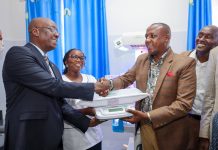
The Vice Chancellor has steered the university towards building partnerships that enhance research capacity and promote evidence-based policymaking. Earlier this year, KAFU secured KSh138 million through the Higher Education, Science and Technology Phase II (HEST II) Project to strengthen research, innovation and institutional capacity, further reinforcing its commitment to solving real-world challenges through science and technology.

Beyond Research: KAFU’s Practical Environmental Action
What distinguishes KAFU is its commitment to translating research into action.
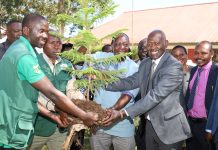
The university has become a leading participant in Kenya’s ambitious environmental restoration agenda. In April 2026, KAFU hosted a major tree-planting exercise that brought together national government officials, county leaders, university staff and students. During the initiative, more than 10,000 indigenous tree seedlings were planted to support ecosystem restoration and increase forest cover.
KAFU has also actively engaged students in environmental stewardship through collaborations with organizations such as Youths for Green Action Kenya (YGAK). These partnerships promote student-led conservation projects, sustainability education, climate awareness campaigns and community-based environmental initiatives.
Such programs demonstrate that climate action is not merely a theoretical subject within lecture halls but a practical responsibility embraced across the university community.
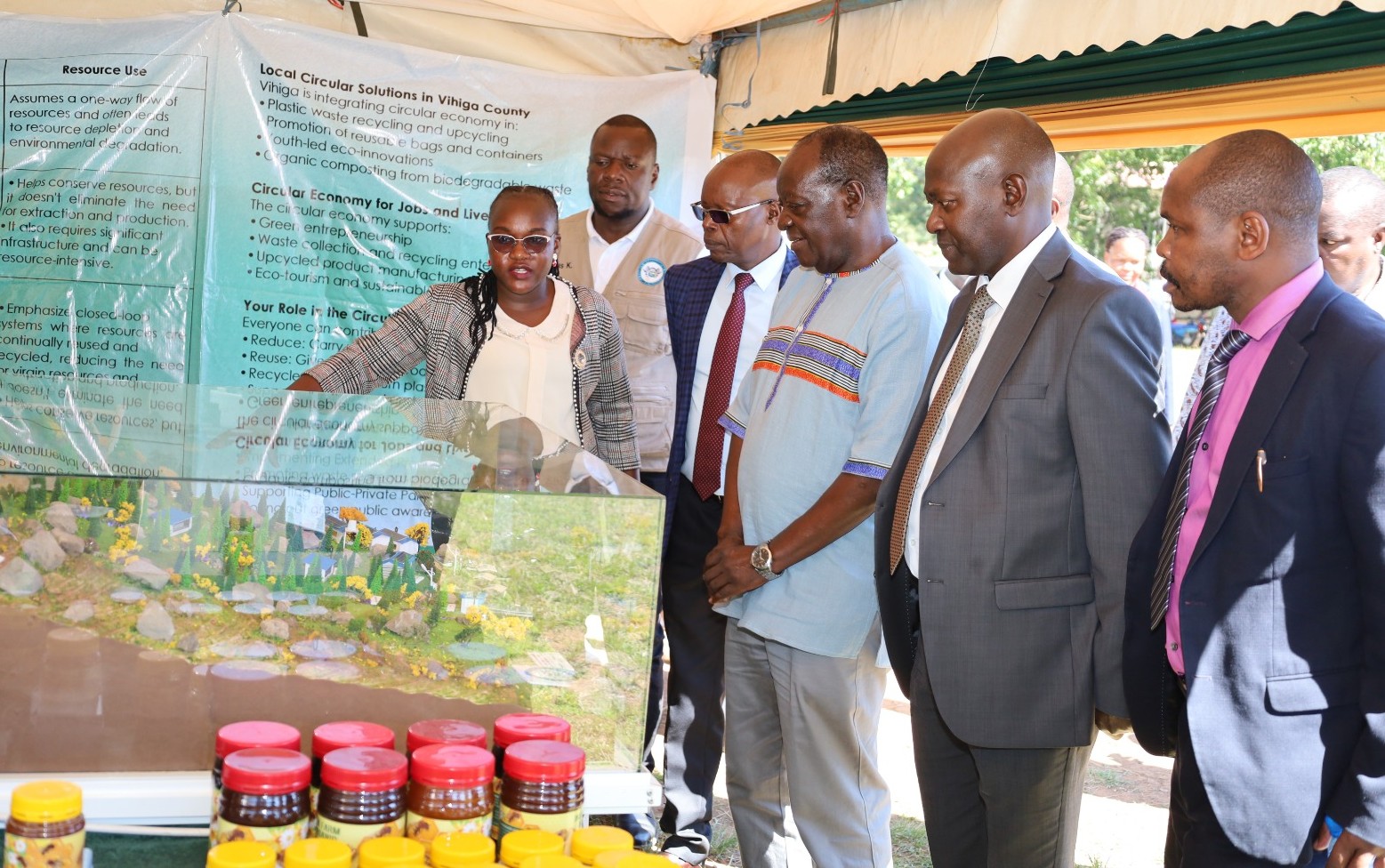
CECARE: A Model for University-Led Climate Solutions
The newly launched CECARE Strategic Plan represents a significant milestone in KAFU’s environmental journey.
The centre aims to become a regional hub for climate research, policy development, innovation and community engagement. Through CECARE, researchers will generate locally relevant data and solutions to address challenges such as deforestation, biodiversity loss, food insecurity, water scarcity and climate-induced economic vulnerabilities.
Importantly, the centre seeks to bridge the gap between academia and society by ensuring that research findings inform county and national climate policies while directly benefiting local communities.
This approach aligns closely with Scholar Media Africa’s belief that research should not remain confined within academic institutions but should serve as a catalyst for social transformation, policy development and sustainable growth.
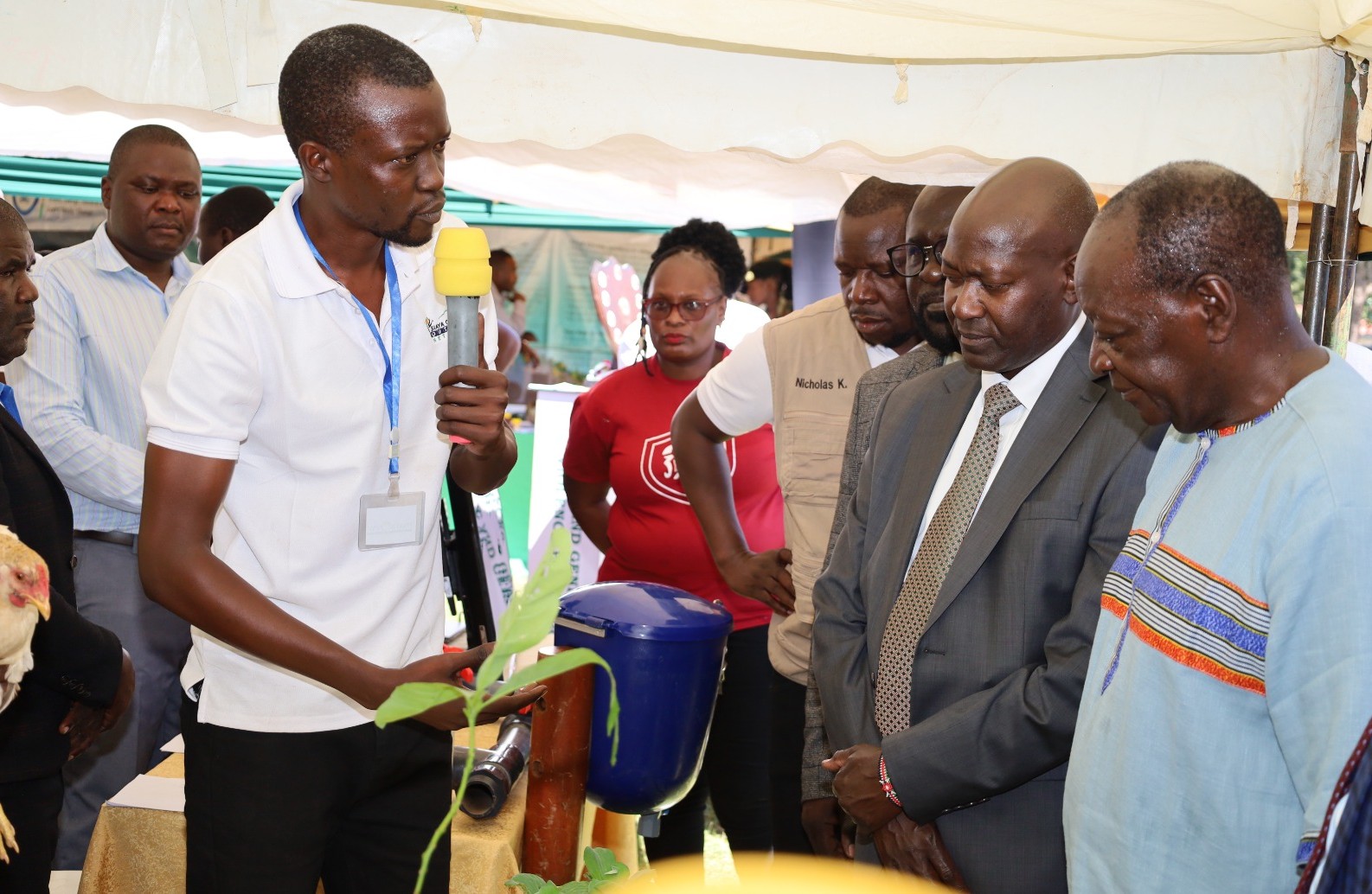
Why Universities Matter in the Climate Conversation
Climate change remains one of the greatest challenges facing Africa. From prolonged droughts and unpredictable rainfall patterns to environmental degradation and food insecurity, communities across the continent are increasingly experiencing the realities of a changing climate.
Universities such as Kaimosi Friends University are uniquely positioned to lead the response. Through research, innovation, capacity building and community engagement, higher learning institutions can generate solutions that are scientifically sound, locally relevant and socially inclusive.
The collaboration between KAFU and Vihiga County demonstrates what is possible when academia, government and communities work together towards a common purpose.
The Road Ahead
The launch of the CECARE Strategic Plan on World Environment Day 2026 is more than an institutional achievement; it is a statement of intent.
It signals Kaimosi Friends University’s determination to become a leading force in environmental conservation, climate research and sustainable development in Kenya and beyond. Supported by visionary leadership from Vice Chancellor Prof. Peter Mwita and Governor Dr. Wilber Ottichilo, the initiative provides a roadmap for how universities can contribute meaningfully to addressing one of humanity’s most pressing challenges.
The story of KAFU is a powerful reminder that the future of climate action will not be shaped solely in government offices or international conferences. It will also be shaped in universities, research centres and communities where knowledge is transformed into action and where today’s ideas become tomorrow’s solutions.
As Africa pursues a greener and more resilient future, KAFU is demonstrating that higher education institutions can be more than centres of learning; they can be engines of environmental transformation.
YOU MAY ALSO READ: Kaimosi Friends University marks National Elimu Tree Planting Day, leads fight on climate change
Prof. George Manyali and Citizen Science Revolution Transforming Kaimosi Forest