



























Prof. Maurice Oduor Okoth

Prof. Okoth is a Professor of Chemistry at University of Eldoret, a former Vice-Chancellor, and a Higher Education expert and Quality Assurance Consultant. Contact: okothmdo@gmail.com
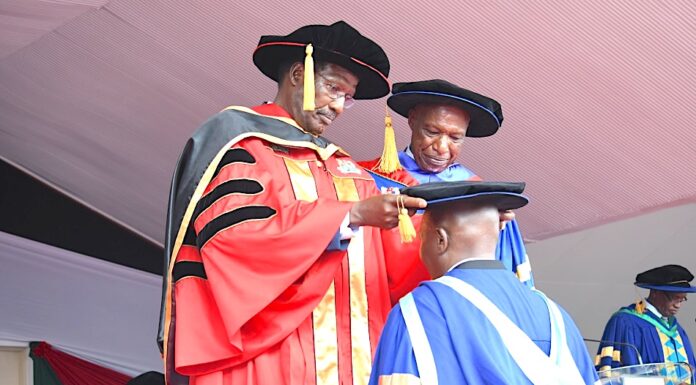
The growing reliance on non-PhD teaching staff signals a gradual shift away from the core academic standards and research-driven mission that define universities.
Turning transitional academic roles into permanent positions risks weakening teaching quality, limiting research output, and reducing global competitiveness.
Enforcing clear progression toward PhD attainment, alongside institutional support, is essential to safeguard the integrity and future of higher education.
Walk...

Kenya’s rapid expansion of universities has outpaced investment in quality assurance systems, infrastructure, staffing, and research capacity, resulting in persistent gaps that undermine graduate preparedness and global competitiveness.
Although frameworks like CUE and IUCEA exist, quality assurance is weakened by inconsistent enforcement, bureaucracy, governance challenges, and limited resources.
Strengthening higher education in Kenya requires empowering regulators, aligning curricula with industry needs,...
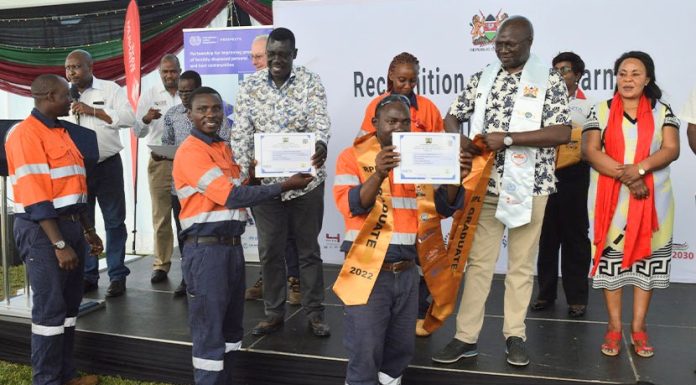
Recognition of Prior Learning (RPL) validates skills gained outside formal education through rigorous, standardized assessment, ensuring that qualifications reflect real-world competencies while maintaining academic integrity.
As a quality assurance tool, RPL promotes transparency, consistency, equity, and accountability by aligning experiential learning with national and international qualification standards.
When embedded in strong institutional frameworks, RPL enhances workforce development, expands access to certification,...

Kenya’s rapid growth of international schools offering foreign curricula has outpaced the development of a clear, unified regulatory framework, exposing gaps in quality assurance, accountability, and consumer protection.
While these schools provide global opportunities and modern learning approaches, concerns around commercialization, uneven standards, weak oversight, and limited integration of Kenyan values highlight the need for stronger, coordinated regulation.
A balanced, transparent...
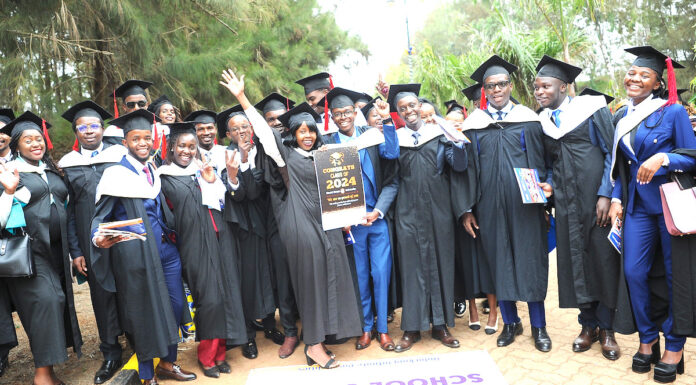
University education in Kenya is no longer a guaranteed pathway to employment, as rising graduate numbers and limited job opportunities have redefined the traditional return on investment of a degree.
The growing mismatch between university training and labour market needs highlights the urgent need for curriculum reform, stronger industry partnerships, and greater emphasis on practical skills, innovation, and entrepreneurship.
While universities...
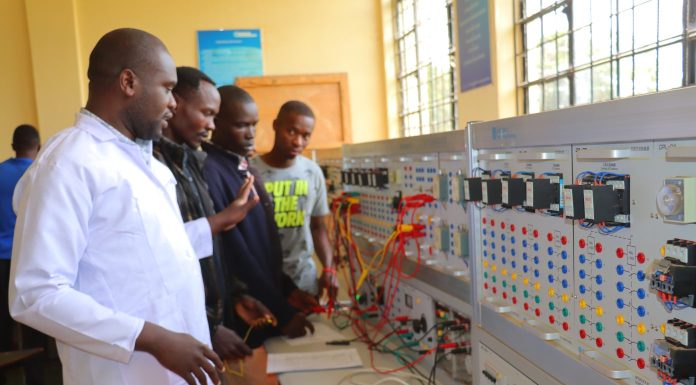
Quality assurance in Africa’s TVET sector must evolve from a narrow compliance-based system to an outcome-driven approach that prioritizes real workplace competencies, industry collaboration, and continuous improvement in training.
The growing diversity of TVET providers, including public institutions, private colleges, and informal apprenticeship systems, requires flexible quality assurance frameworks that recognize different training contexts while maintaining credible and consistent standards.
Strengthening...

After more than a decade of waiting, Nyamira’s university dream must now become real opportunity for a new generation.
Nyamira University College is a catalyst for economic growth, youth empowerment, and regional equity.
Delivering Nyamira University is not just a promise to fulfill, but a moral duty to secure a fairer future for its people.
For more than a decade, the promise...

National schools prove that excellence in the Kenya Certificate of Secondary Education comes from integrity, structure, and accountability, not shortcuts.
Their success rests on merit, strong leadership, motivated teachers, and committed parents working together.
Kenya’s path to global competitiveness lies in honest learning and credible results, not inflated grades.
For decades, the Kenya Certificate of Secondary Education (KCSE) has stood as Kenya’s...
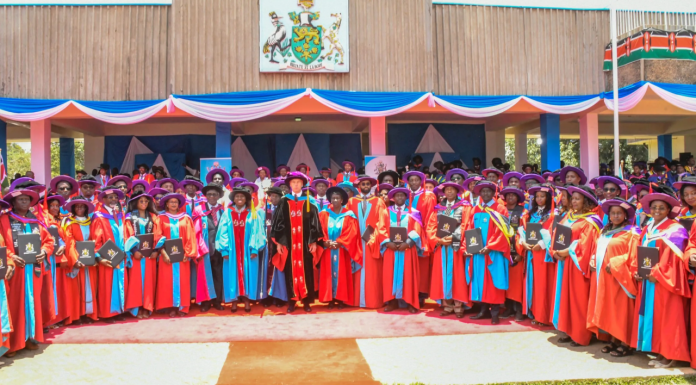
A PhD is not a lecturing certificate; it is proof of advanced capacity to investigate problems, generate knowledge, and build solutions that society desperately needs.
Kenya’s greatest mistake is locking doctoral talent inside struggling universities, while the nation’s development agenda cries out for PhDs in policy, industry, innovation, and public service.
The measure of doctoral success is not standing before students,...

Effective leadership is the cornerstone of successful education reform, as school heads play a pivotal role in translating policies into meaningful action within classrooms.
Kenya’s education system continues to struggle not from a lack of reforms or resources, but from insufficiently trained and supported school leaders, highlighting the urgent need for structured leadership development and accountability.
Sustainable improvement in learning outcomes...