

















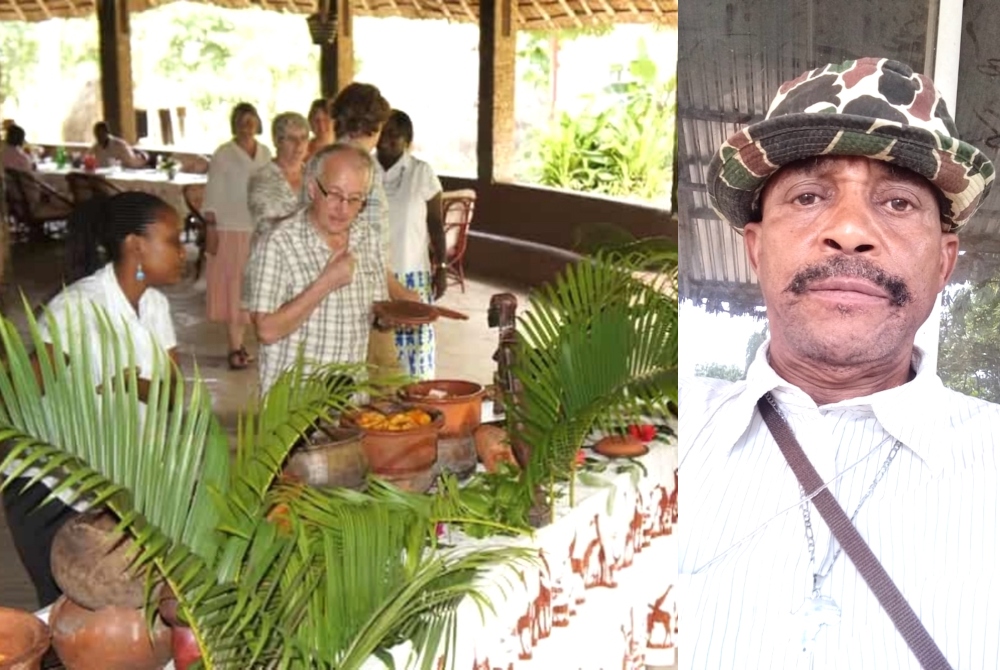
- For over five decades, Bombolulu Workshop and Cultural Centre has remained a beacon of hope for persons with disabilities, providing them with practical training, employment, and a platform to showcase their talents.
- One of the workshop’s most impactful initiatives is the production of mobility aids, including tricycles, wheelchairs, and special seats for those with severe disabilities.
- In the quiet rhythm of Bombolulu’s workshops, where artisans craft beauty from their hands, the legacy of empowerment lives on—a legacy Ronald Jimbi has dedicated his life to building, one life at a time.
In the heart of Mazeras, along the Kenyan Coast, lies Bombolulu Workshop and Cultural Centre, a haven of dignity and opportunity for persons with disabilities. Since its founding in 1969 by Margaret Brigit, Bombolulu has become more than a workplace — it is a sanctuary of empowerment, self-reliance, and artistic expression.
Through innovative training programmes in handicrafts, mobility aids, and cultural preservation, the centre has equipped thousands with the tools to rewrite their narratives, transforming physical limitations into limitless potential.
Among the many success stories born of Bombolulu is that of Ronald Jimbi, a man whose journey embodies resilience, innovation, and unwavering commitment to uplifting others.
From his early struggles to his leadership at Bombolulu Workshop and Cultural Centre, his life reflects not just personal triumph but also the collective impact of an institution dedicated to empowering those often overlooked.
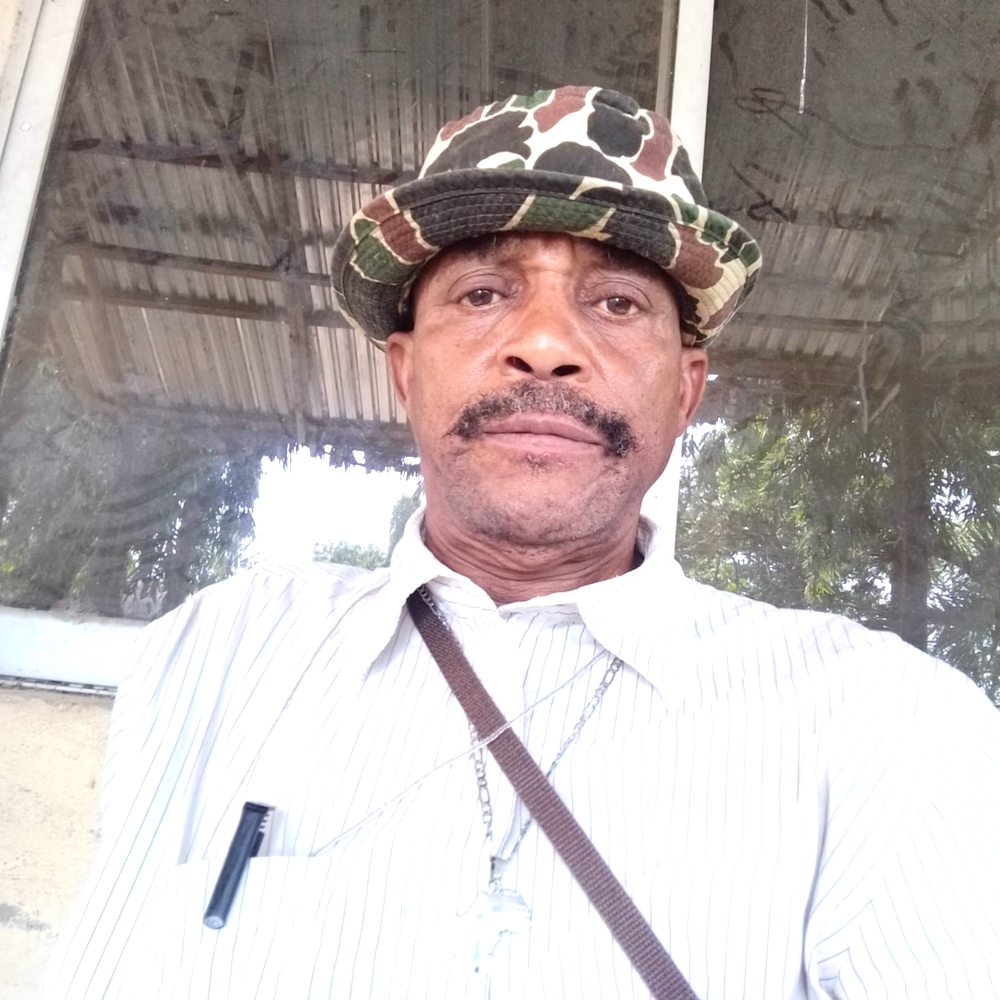
The Fall That Changed Everything
Born in 1964 in Rabai Sub-County, Kilifi County, Jimbi was the seventh child in a family of eight—four boys and four girls. His father, Jimbi Jindwa, was a dedicated farmer, while his mother, Mukambe Mabaya, nurtured the home as a housewife. As a bright young boy attending Changombe Primary School, his life brimmed with promise.
However, in 1980, tragedy struck. While climbing a tree, a misstep caused him to fall and suffer injuries that resulted in the loss of his left arm. At the tender age of 16, his world was upended.
“It was devastating,” he reflects. “I thought my dreams were shattered.”
Yet, even in his darkest moment, the unwavering support of his family became the light that guided him.
In 1981, Ronald resumed his education at Potzen Special School for the Disabled in Mombasa, where he repeated Standard 6.
“Starting over was difficult,” he shares, “but it gave me hope that life could still hold opportunities.”
By 1982, he completed his Certificate of Primary Education (CPE), proving that determination can triumph over adversity.
Finding a New Path
Financial constraints prevented him from continuing to secondary school, but his search for purpose led him to Bombolulu Workshop and Farmers Training Centre for the Disabled in 1983. At Bombolulu, he began training in tropical agriculture and landscaping, acquiring skills that would later define his career.
“Bombolulu was a revelation,” he recalls. “It wasn’t just about training; it was about showing us that disability does not mean inability.”
Over two years, he immersed himself in learning, eventually graduating in 1984. Unfortunately, the program ended in 1985 when European sponsors withdrew their support.
While many might have viewed this as another roadblock, he saw it as an opportunity. He remained at Bombolulu, running its plant nursery and exploring his entrepreneurial instincts.
Soon, his expertise and innovation caught the attention of workshop leaders, who entrusted him with expanding the nursery into a thriving jewelery workshop.
“That trust was the turning point of my life,” Jimbi says. “Bombolulu believed in me when I needed it most.”
Bombolulu Legacy
For over five decades, Bombolulu Workshop and Cultural Centre has remained a beacon of hope for persons with disabilities, providing them with practical training, employment, and a platform to showcase their talents.
The center offers workshops in wood carving, jewelery making, textiles, leatherwork, and mobility aids, producing items sold both locally and internationally.
The mission of this center is clear: to restore dignity, promote independence, and foster economic empowerment among persons with disabilities. “It’s more than just a workplace,” he explains. “It’s a place where people reclaim their dreams.”
The center employs over 150 individuals, many of whom are graduates of its training programs. Beyond providing jobs, the workshop equips its artisans with essential business skills, enabling them to create sustainable livelihoods.
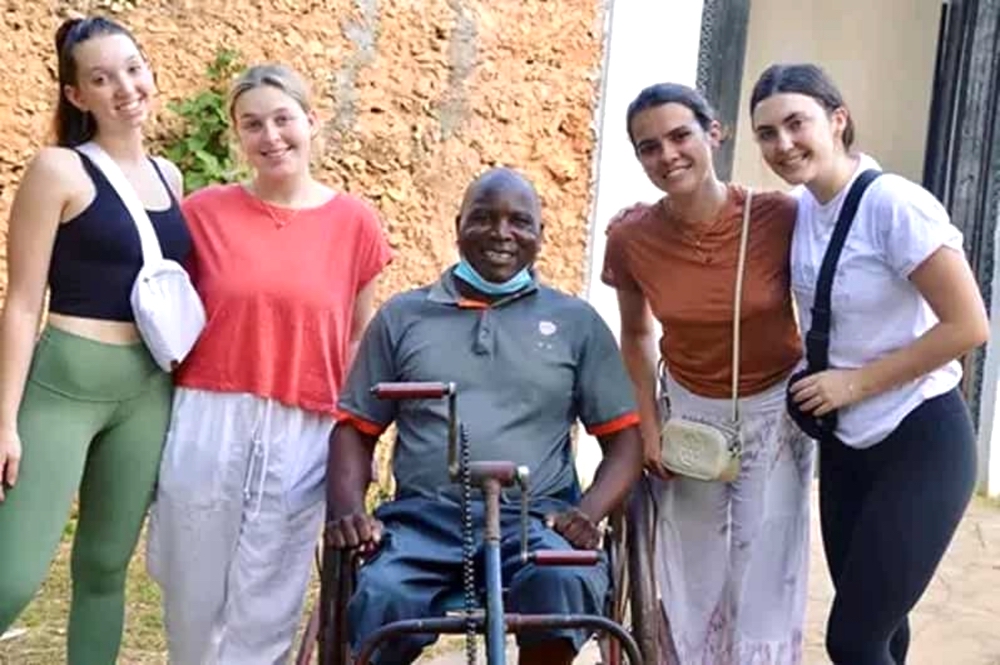
One of the workshop’s most impactful initiatives is the production of mobility aids, including tricycles, wheelchairs, and special seats for those with severe disabilities.
“These aids change lives,” Jimbi says passionately. “A tricycle costs Ksh23,500, a wheelchair Ksh24,500, and a special seat Ksh 25,500. For someone with mobility challenges, these tools are priceless—they provide freedom.”
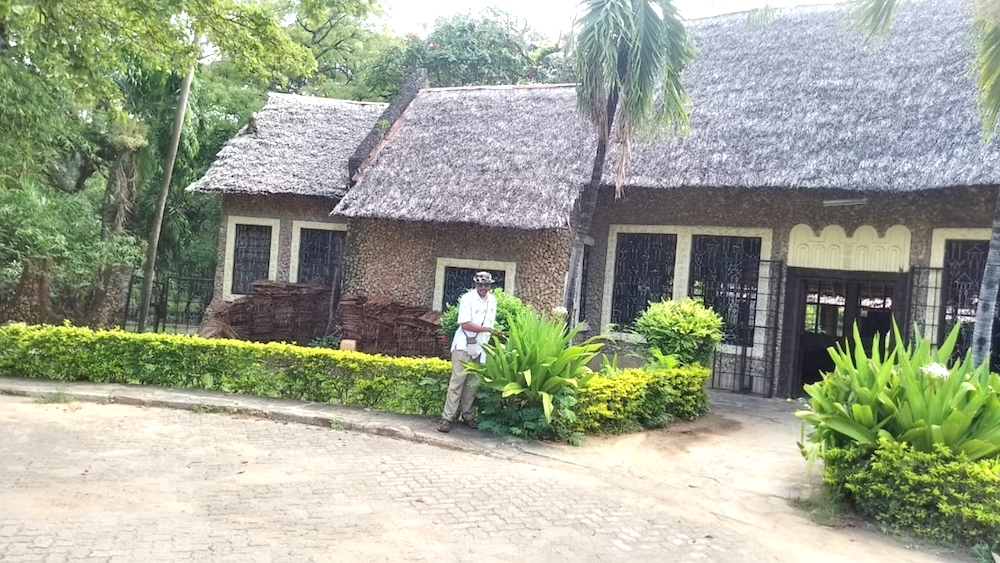
From Learner to Leader
Over the years, he has become more than just a beneficiary of the Workshop—he has been instrumental in its growth and success. Through his landscaping expertise, he has brought value and recognition to the centre, securing high-profile projects across Kenya.
In 1994, he worked on the Kenya Navy Training School’s landscaping projects, demonstrating his skill and attention to detail. His work later extended to the Standard Gauge Railway, solidifying his reputation as a sought-after professional.
By 2021, Jimbi had risen to even greater prominence, overseeing the landscaping of PastorEzekiel’s famous center. His ability to transform barren spaces into thriving landscapes became his signature.
“Landscaping taught me patience and vision,” he says. “You start with nothing, but over time, beauty emerges.”
Even when faced with setbacks—such as the abrupt end of a chili export project in 2023—his resilience never wavered.
“Challenges are lessons,” he explains. “They teach you to adapt and find new ways forward.”
That same year, the workshop called him back. For him, the invitation was more than a job offer—it was a return to the place where his life began anew.
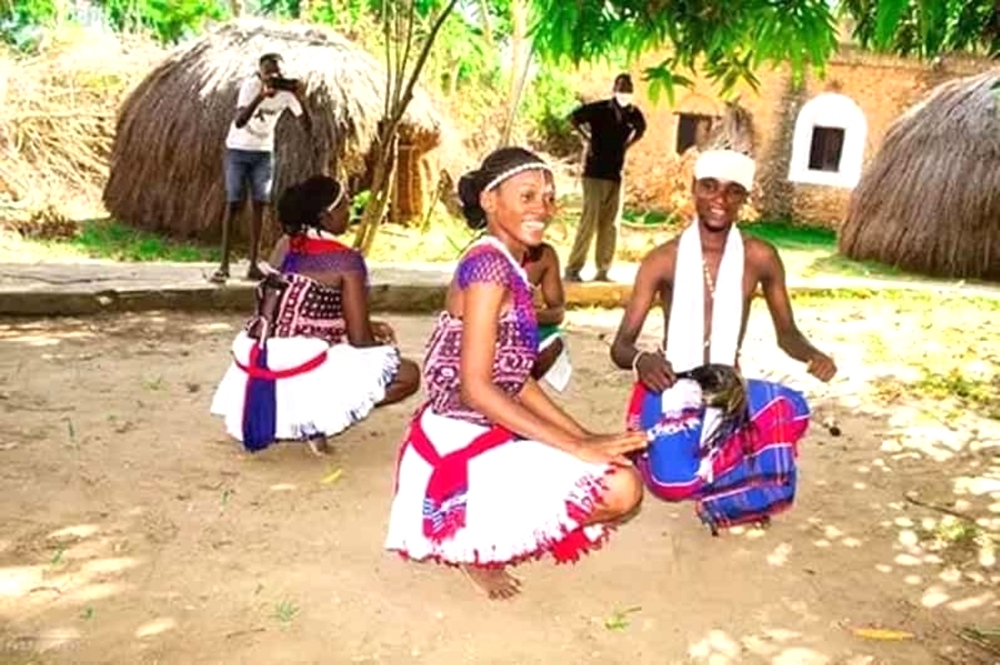
Building a Future of Opportunity
At the Workshop, he continues to be a driving force behind its mission. He mentors young artisans, helping them refine their skills and instilling in them a belief in their potential. His leadership extends beyond the workshops—he actively champions marketing efforts to attract tourists and buyers, recognising the role of visibility in sustaining the workshop’s programs.
“Marketing is critical,” he emphasises. “When tourists visit, the workshops thrive, and our artisans earn an income. We need to tell our story to the world.”
Through his work, he has become a symbol of hope for the Bombolulu community. He takes pride in seeing graduates of the centre secure jobs, start businesses, and achieve independence.
“It’s fulfilling to know that the work we do here changes lives,” he says.
The Challenges Ahead
While Bombolulu’s impact is undeniable, it faces significant challenges. Tourism, which fuels much of the centre’s revenue, is unpredictable. Economic fluctuations and global crises can affect the number of visitors, leaving workshops idle.
“When tourists don’t come, the artisans struggle,” he explains. “That’s why we’re focusing on expanding our reach through online sales and local partnerships.”
The workshop is also working to raise awareness about the capabilities of persons with disabilities. “Society needs to see us for who we are—talented, hardworking, and capable,” he asserts. “Breaking stereotypes is part of our mission.”
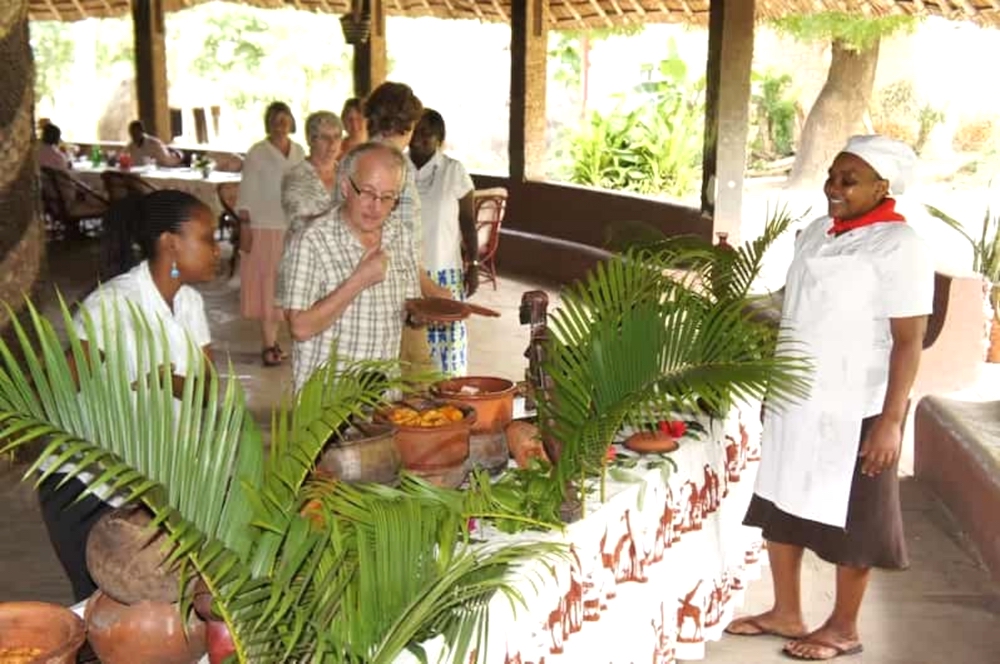
Looking Ahead
As Jimbi looks to the future, he remains deeply committed to the workshop’s legacy. He envisions a centre that not only sustains its current programs but also expands to reach more people across Kenya and beyond.
“My dream is to see the workshop grow into a national hub for disability empowerment,” he says. “We need more workshops, more training centres, and more opportunities for people to learn and earn.”
He also hopes to establish partnerships with schools and organisations to provide early intervention programs for children with disabilities.
“If we start early, we can equip them with skills and confidence to face life’s challenges,” he explains.
His ultimate goal is to ensure that the workshop continues to be a sanctuary of hope for generations to come. “Life is not about the challenges we face, but how we rise above them,” he says with conviction. “The workshop has been my second home, and I’m proud to be part of its mission.”
A Story of Triumph and Dedication
Ronald Jimbi’s journey—from a young boy who lost his arm to a leader shaping the future of Bombolulu—serves as a powerful conviction to the resilience of the human spirit. Through his dedication, he has not only transformed his own life but has also contributed to a centre that empowers hundreds of others to overcome barriers and achieve independence.
YOU MAY ALSO LIKE: Ghana: King Osman Ahmed Koita Aims to Restore Fulbe People’s Pride
Bombolulu Workshop and Cultural Centre stands as a reminder that disability is not a limitation—it is a different path to success. Thanks to individuals like Jimbi, the centre continues to shine as a beacon of hope, proving that with determination, innovation, and support, anything is possible.
For him, the journey is far from over. “Bombolulu Workshop and Cultural Centre gave me a chance,” he says. “Now, it’s my mission to give that chance to others.”
In the quiet rhythm of Bombolulu’s workshops, where artisans craft beauty from their hands, the legacy of empowerment lives on—a legacy Ronald Jimbi has dedicated his life to building, one life at a time.






A wonderful article full of information ,thanks brother have now knowledgeable about the bombos and lulus in the coastal region
A wonderful article full of information ,thanks brother am now knowledgeable about the bombos and lulus in the coastal region