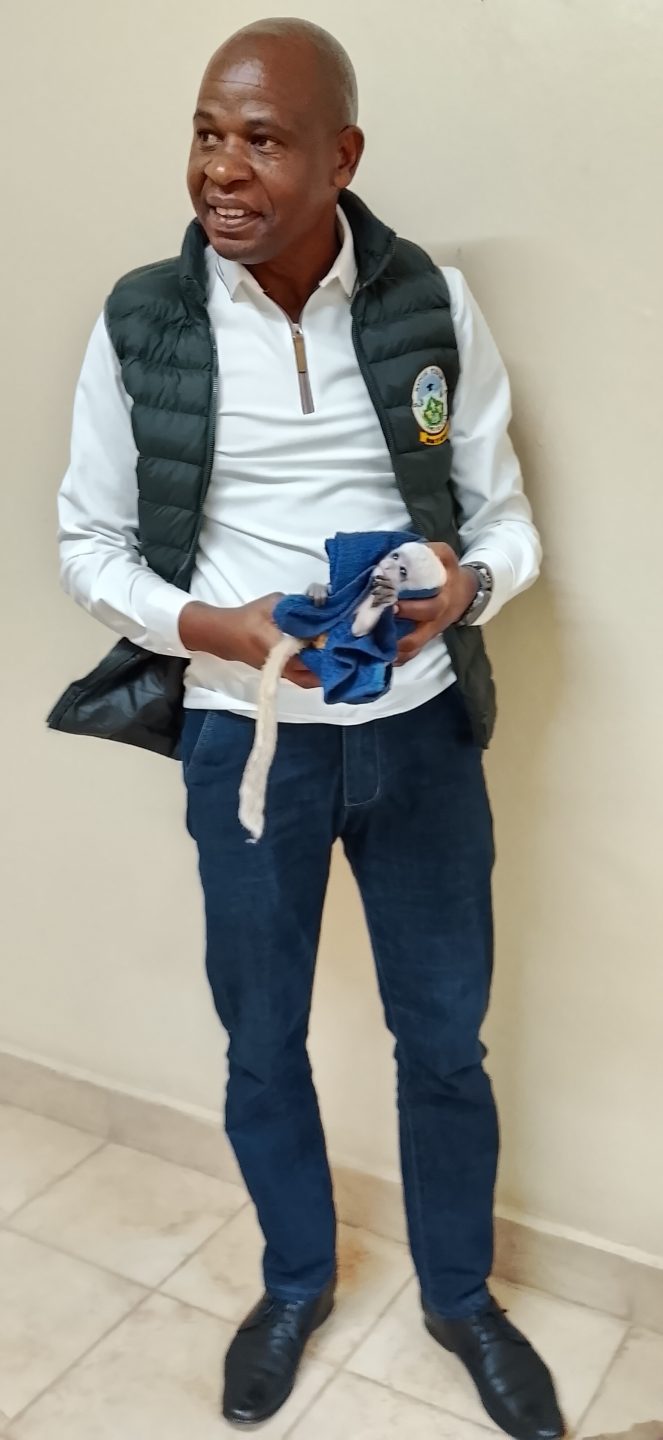













- A rescued baby black-and-white colobus highlights the power of community-led conservation in protecting Kaimosi Forest’s wildlife.
- Kaimosi Friends University is advancing conservation through research, indigenous tree planting, biodiversity protection and community partnerships.
- The incident underscores the urgent need to address poaching, harmful cultural practices and forest encroachment through public education and collective action.
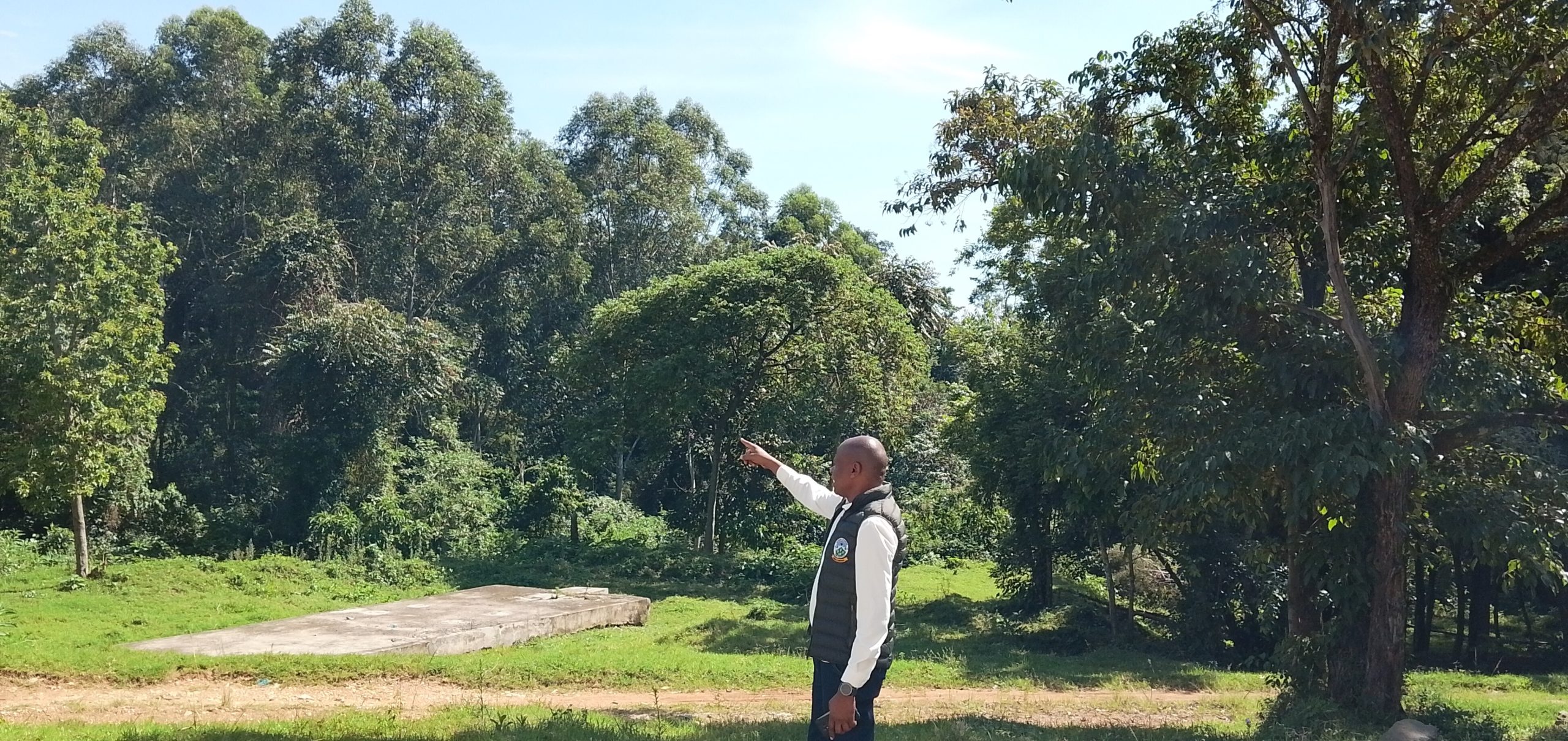
A chance encounter in Kaimosi Forest has brought to light the hidden threats facing wildlife, and the growing determination of Kaimosi Friends University (KAFU) and surrounding communities to protect the forest’s living heritage.
It began with a routine conservation patrol.
But what Andrew Lung’aho and Consolata Manyonyi encountered in the Kaimosi Forest was anything but routine.
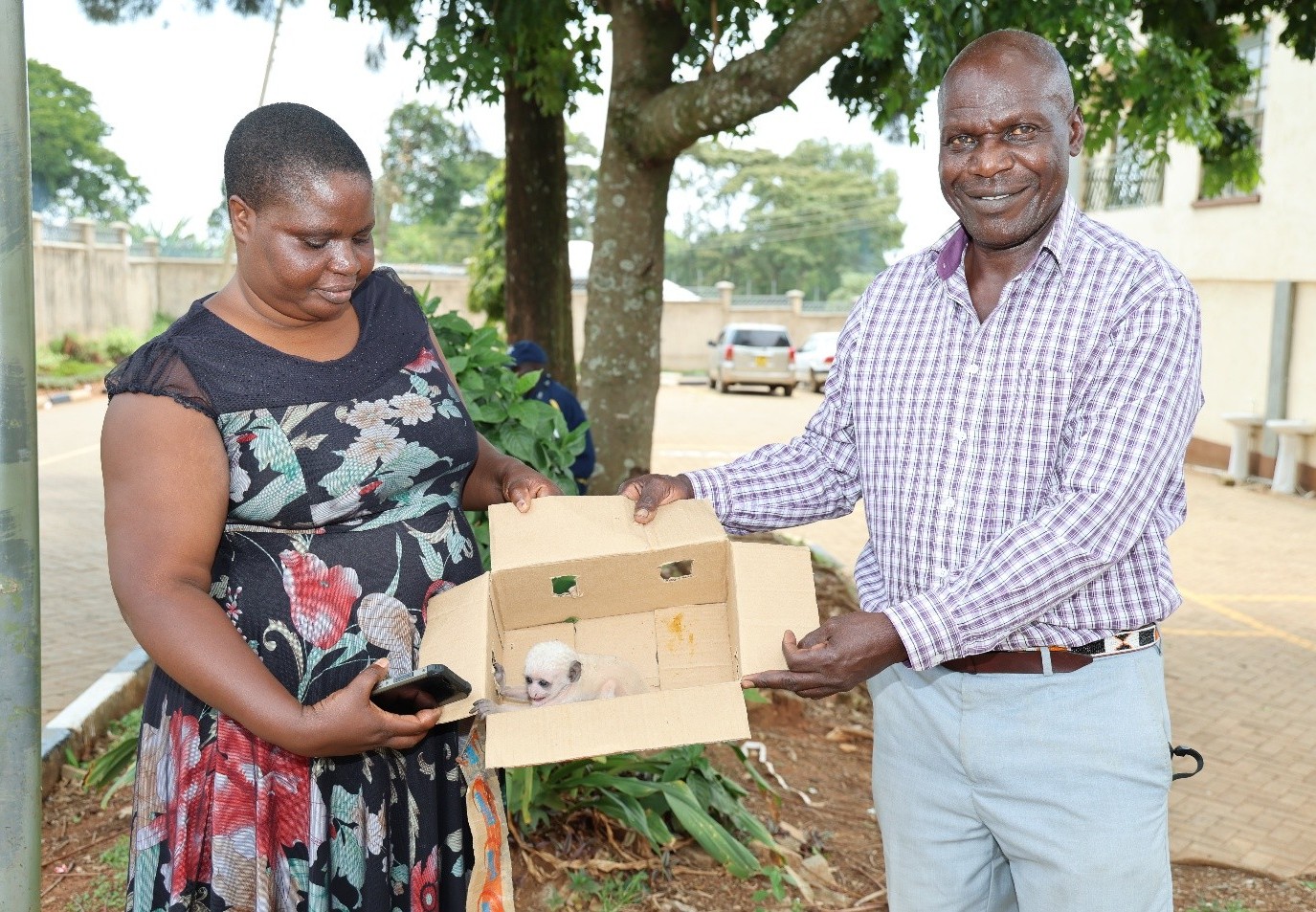
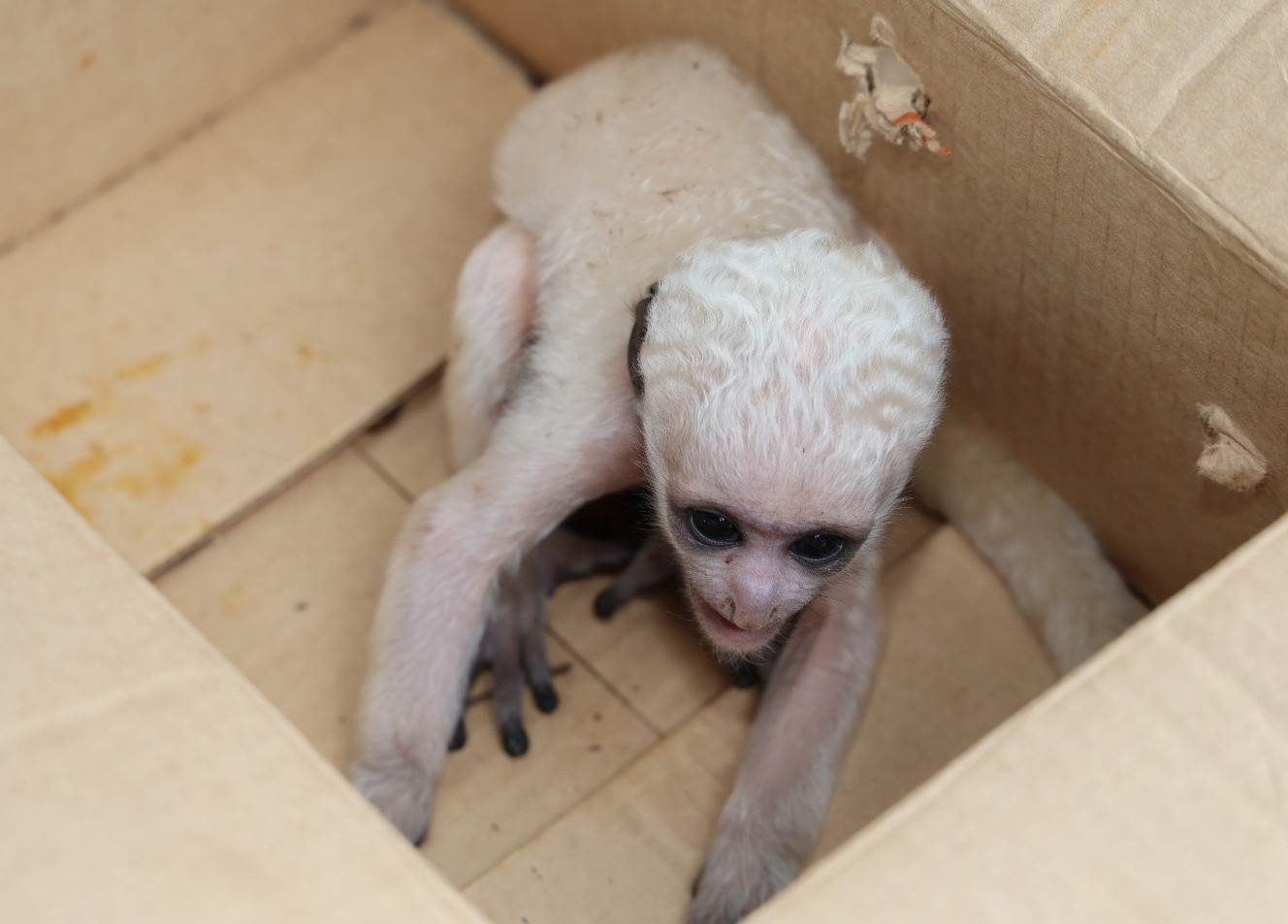
The two community members, who participate in the Kaimosi Forest Citizen Science Project at Kaimosi Friends University (KAFU), on September 28, 2026, came across a baby black-and-white colobus monkey clinging to the remains of what they believed was its mother.
The adult monkey had apparently been killed, with its skin and flesh removed.
The sight could easily have been the end of another tragic wildlife story. Instead, it became a story about courage, compassion and what can happen when communities are equipped with knowledge and encouraged to take responsibility for the natural world around them.
Andrew and Consolata did not walk away.
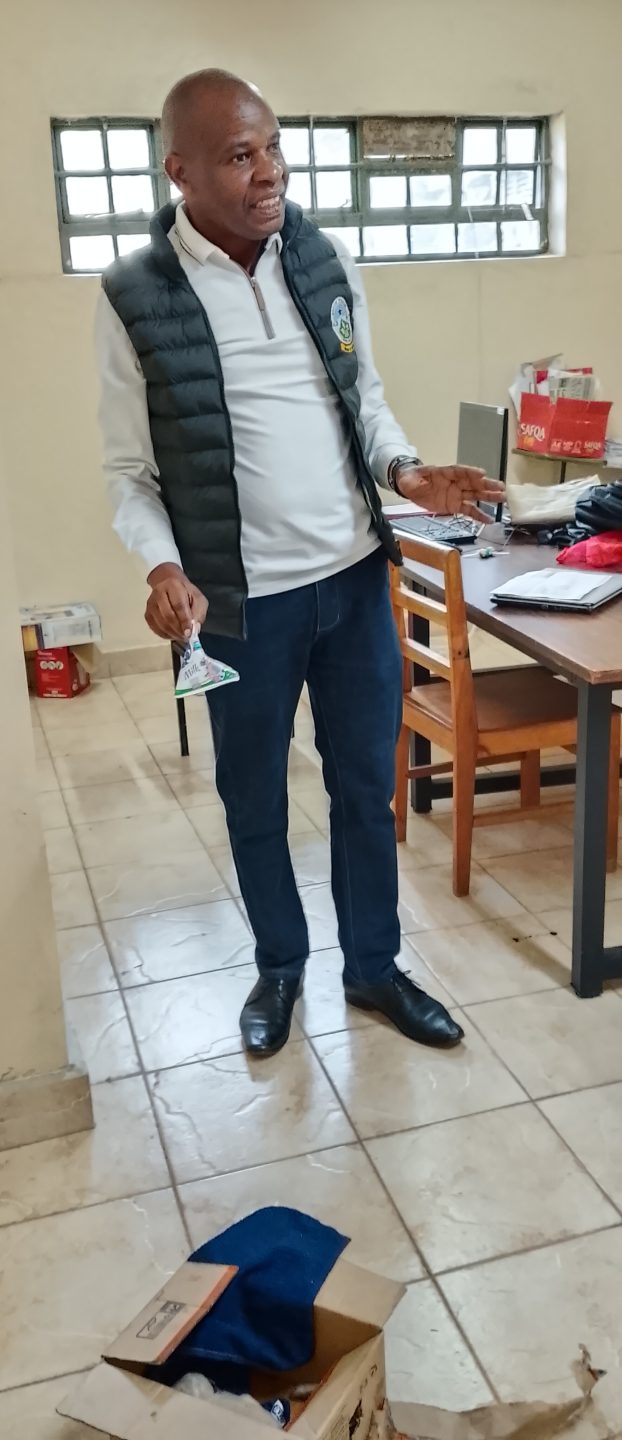
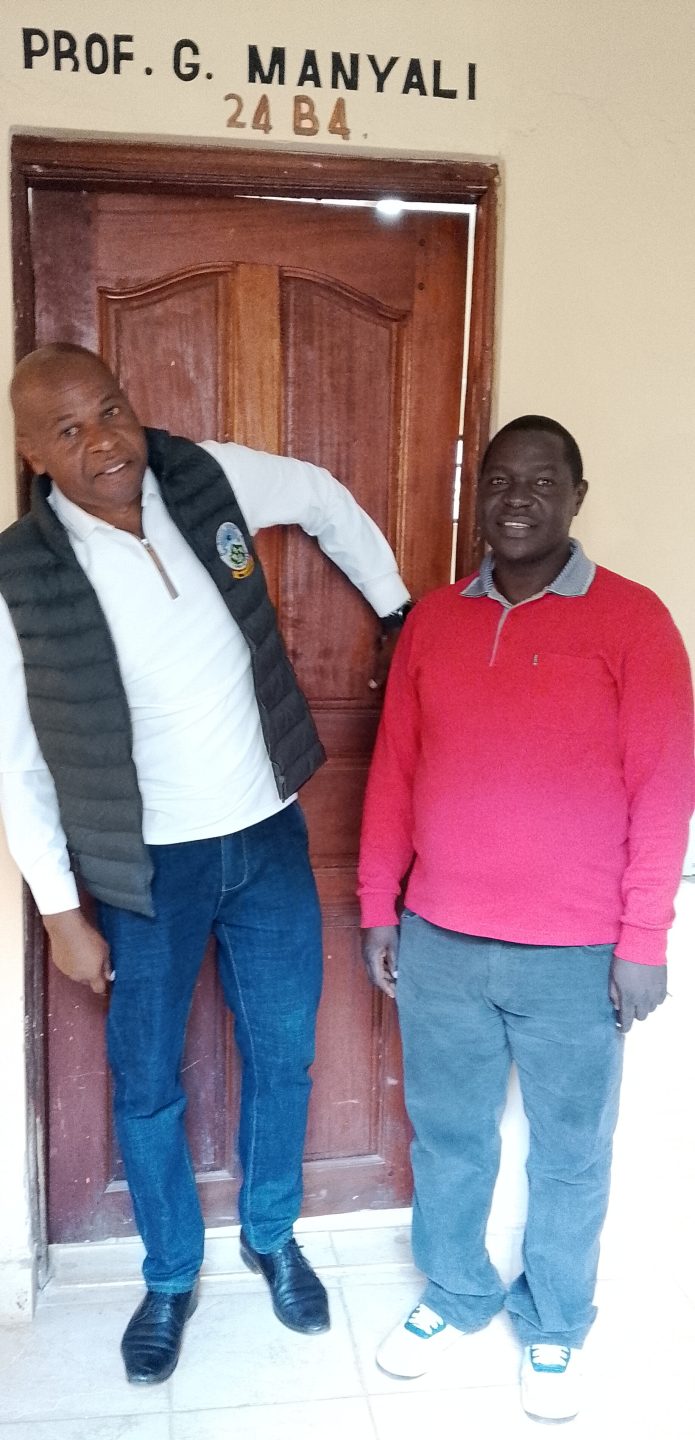
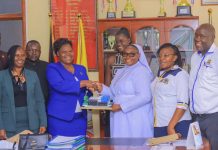
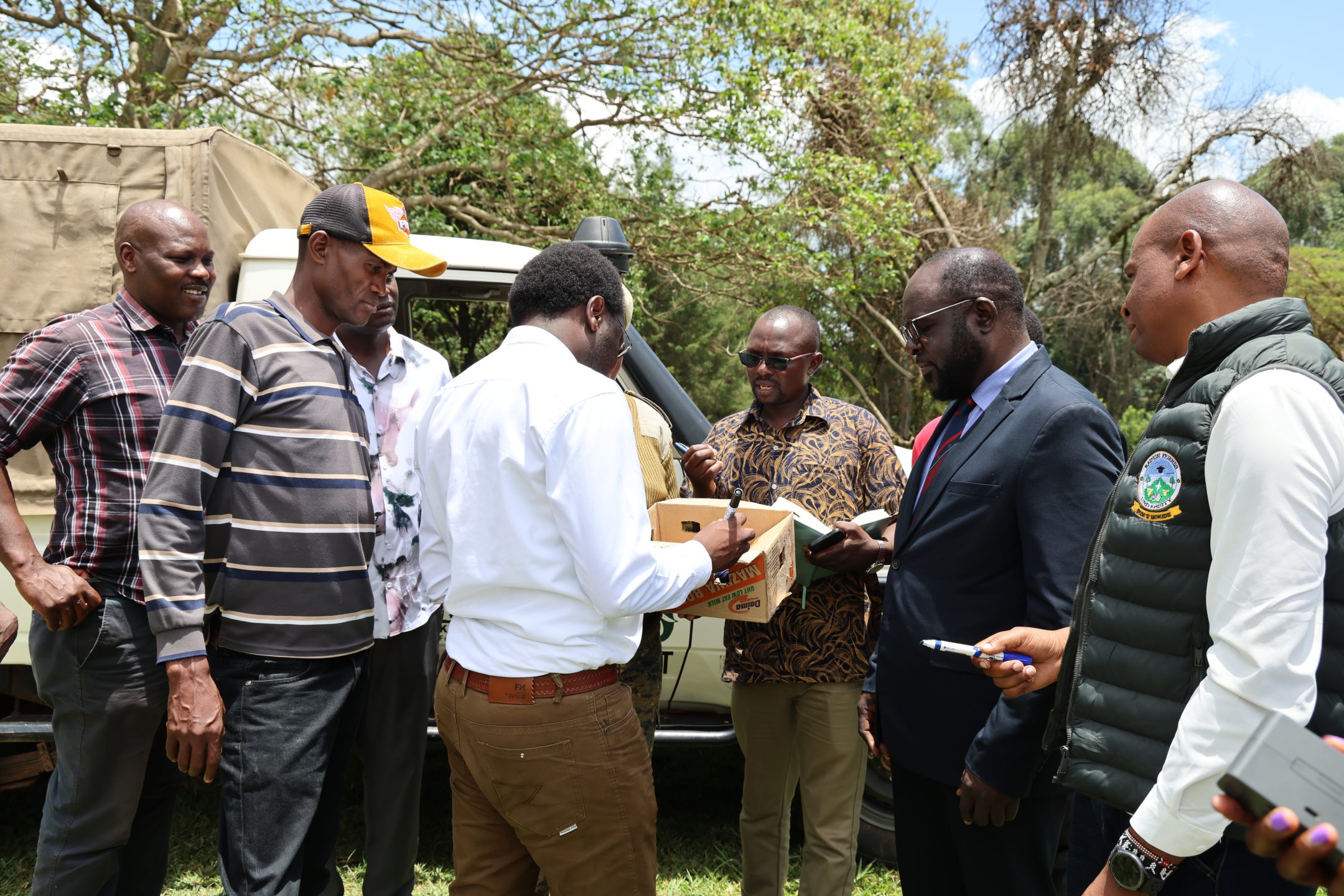
They rescued the young monkey and took it to the Citizen Science Centre at KAFU, where Prof. George Manyali received it and immediately contacted the Kenya Wildlife Service (KWS).
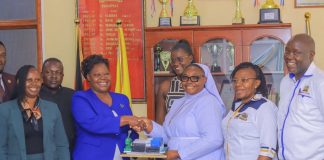
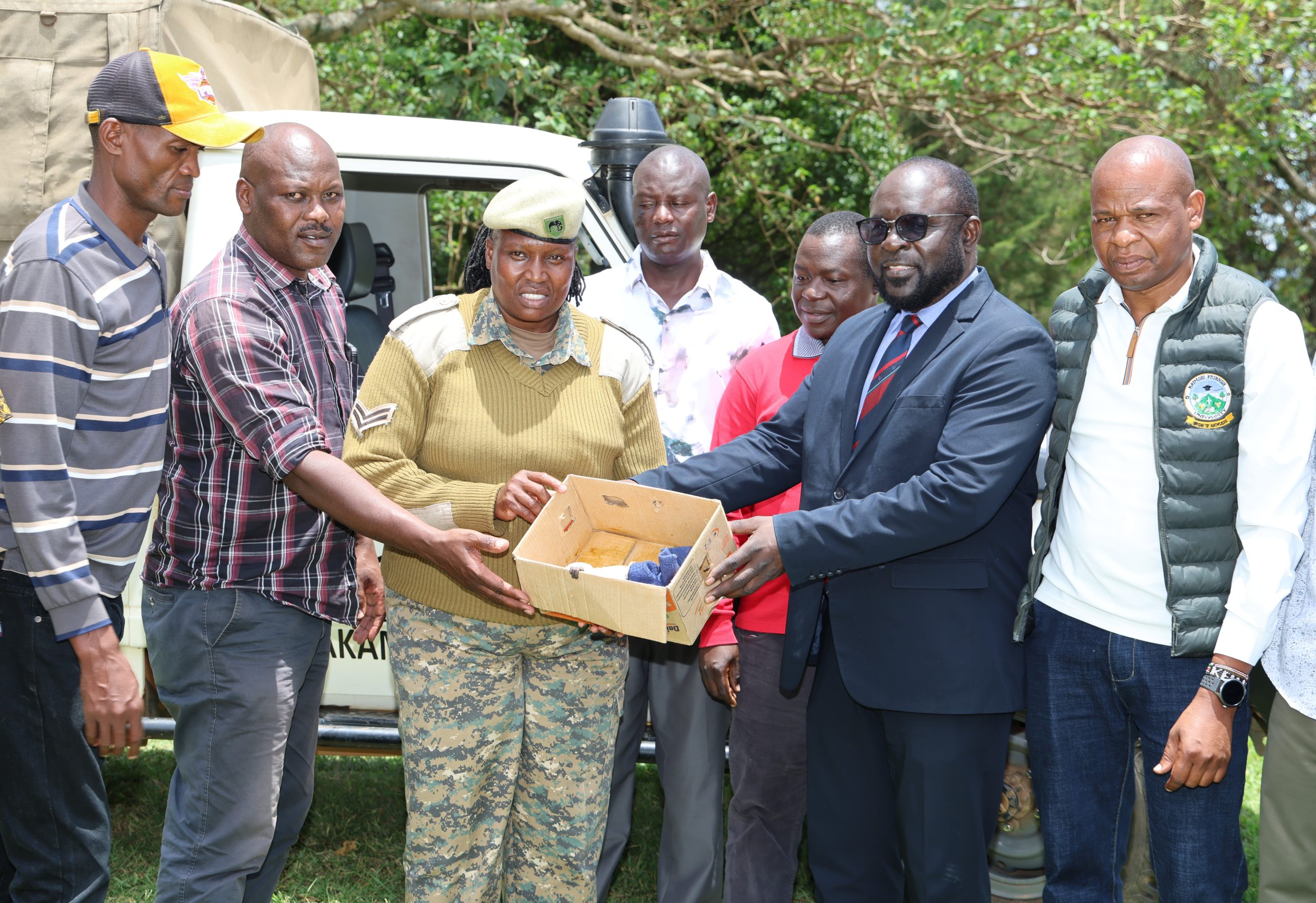
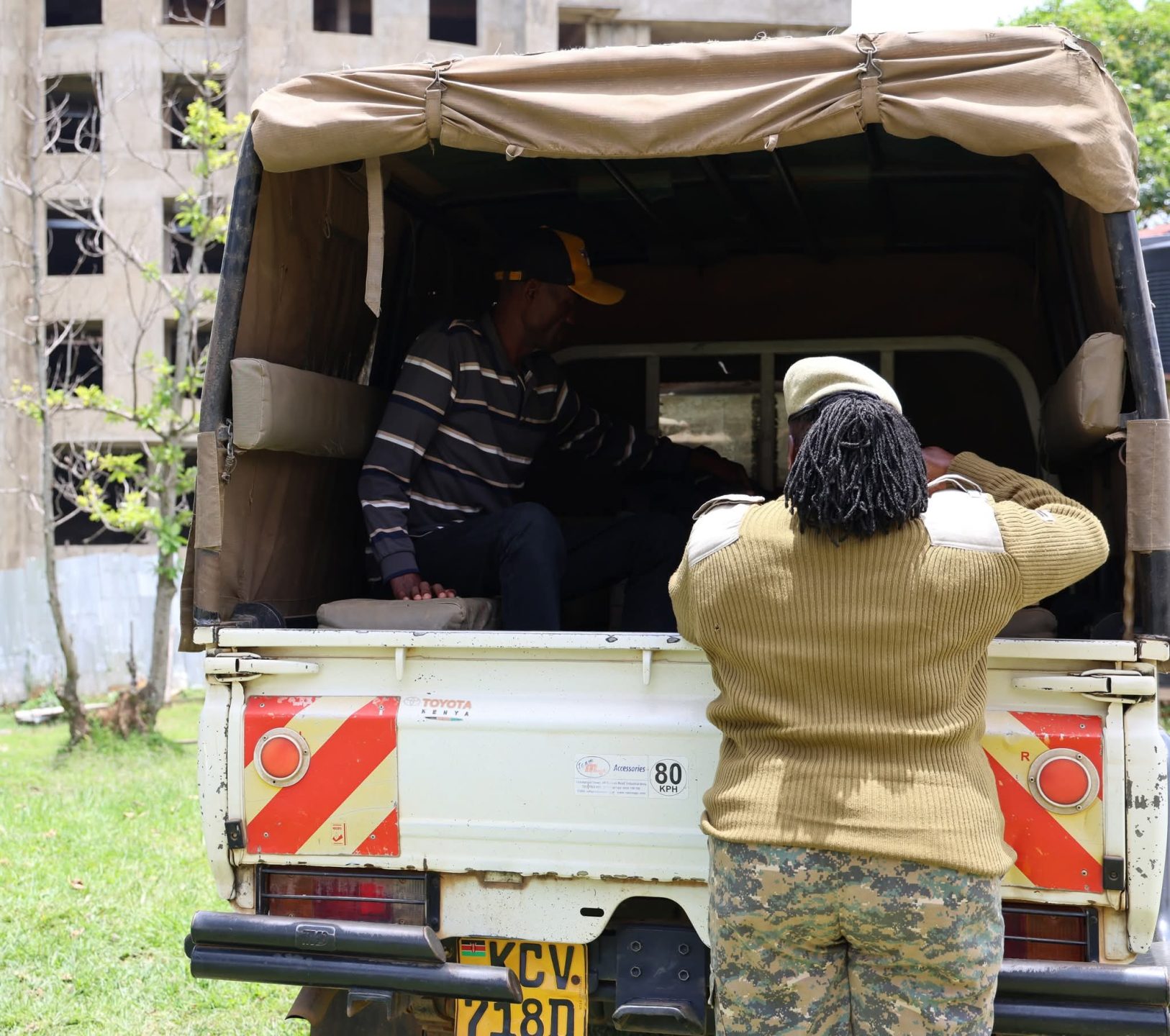
The animal was subsequently handed over to Kenya Wildlife Service (KWS) officers from Kakamega Forest National Reserve, led by Corporal Mary Elungat, on September 29, 2026, and taken to Kisumu Impala Park for professional care and rehabilitation.
For KAFU, however, the rescue is much more than an isolated act of kindness.
It is a glimpse into what citizen-led conservation can achieve, and a warning about what could be lost if communities, universities, government agencies and conservation organisations fail to work together.
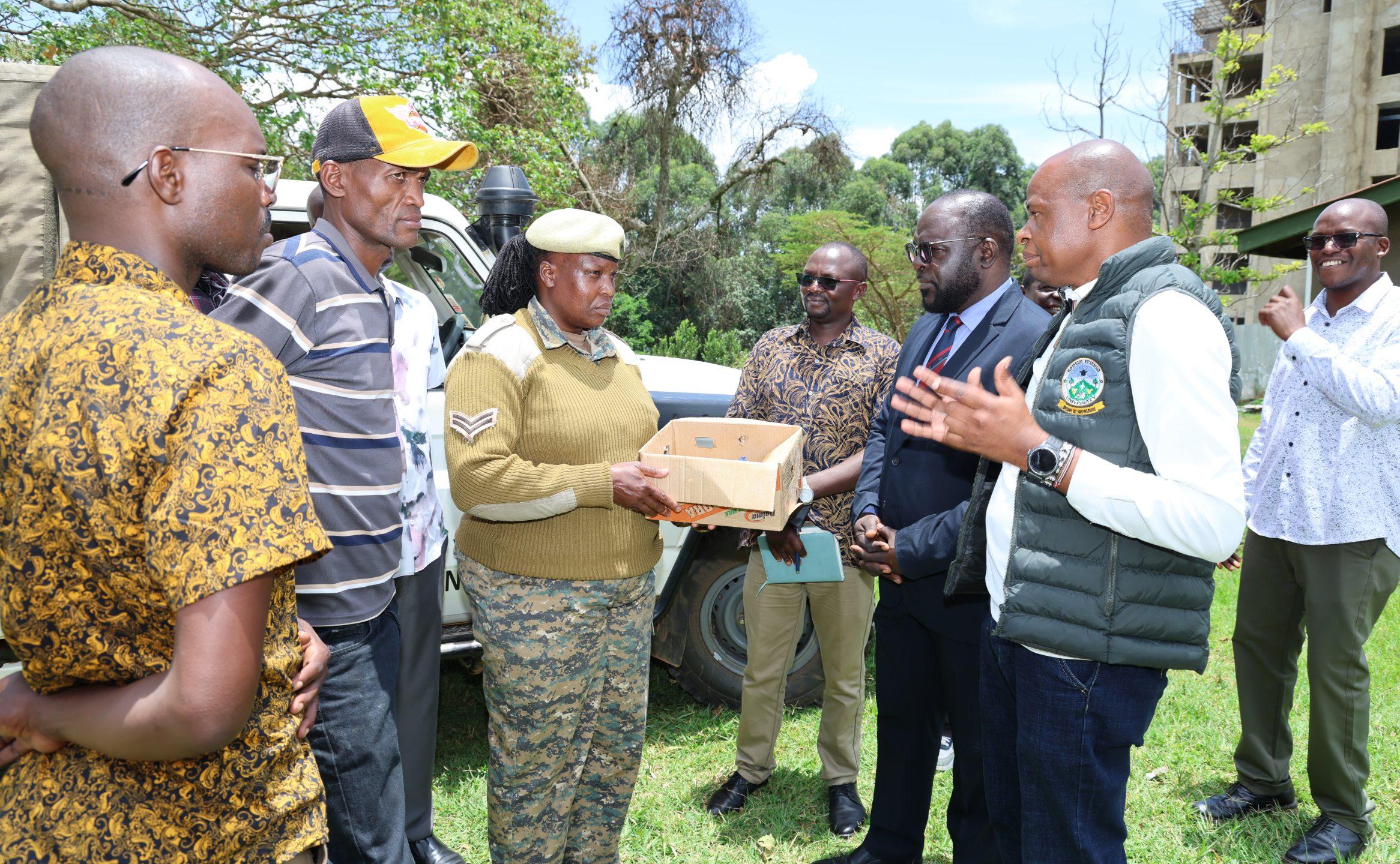
A Baby Monkey Becomes a Symbol
Prof. Manyali, a Professor of Physics at KAFU and Director of the Kaimosi Forest Citizen Science Project, has built his academic career around physics and scientific research while championing environmental conservation beyond the laboratory and classroom.
Through the Citizen Science Project, which has been developed with community participation and partnerships including the Center for International Forestry Research and World Agroforestry (CIFOR-ICRAF), local residents, students, elders and indigenous knowledge holders have been encouraged to become active participants in understanding and protecting the forest.
The project has used community knowledge, biodiversity monitoring, indigenous tree planting and simple technological tools to bring scientific conservation closer to the people who live alongside the forest.
In an earlier article published by Scholar Media Africa and authored by Prof. Manyali, the Kaimosi Forest Citizen Science Project was highlighted as an emerging model of community-driven conservation. The initiative brings together residents from surrounding villages to explore the forest’s ecological and cultural significance while identifying threats, including deforestation and increasing pressure on forest resources.
That work suddenly acquired a deeply human dimension when Andrew and Consolata encountered the orphaned colobus.
Prof. Manyali says the two community members found the baby monkey clinging to the head of its dead mother.
“What we are not sure is if they took the meat of the monkey to eat or…” he said, reflecting on what may have happened to the adult animal.
He believes, however, that the killing may have been connected to cultural uses of the animal’s skin.
“There is cultural attachment with the skin,” Prof. Manyali explained, noting that the skin is traditionally believed by some members of the community to have uses during circumcision ceremonies, while strips of the skin may be tied around the waist of babies as part of cultural beliefs about protection from bad eyes, evil or charms.
These beliefs, he stressed, must be understood within the broader conservation challenge rather than treated as a justification for killing wildlife.
Prof. Manyali says monkeys are among the animals that face significant hunting pressure in the Kaimosi and Kakamega forest landscape.
The Kenya Wildlife Service is unequivocal that killing wildlife without the necessary authorisation is illegal, while illegal poaching, including hunting for bushmeat, poses a threat to lesser-known wildlife species.
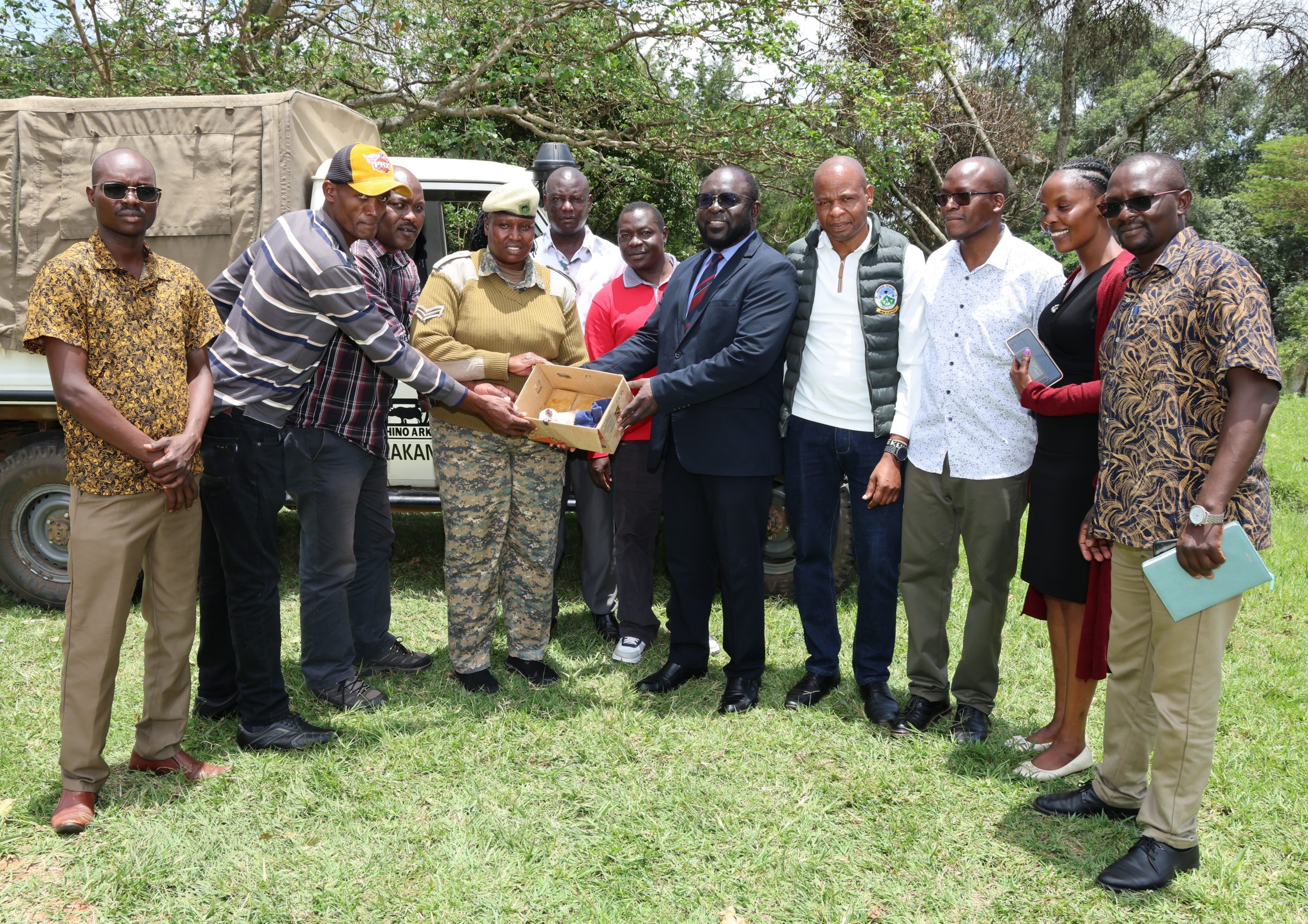
A Forest Where Physics Meets Conservation
The rescue also tells another story: that environmental conservation does not belong exclusively to biologists, wildlife experts or environmental scientists.
Prof. Manyali’s work is a demonstration of what can happen when scientific knowledge crosses disciplinary boundaries.
He is a physicist by training and has expertise in computational materials science. Yet he has become a prominent advocate for participatory environmental stewardship through the Kaimosi Forest Citizen Science Project. His approach brings local communities, students, elders and indigenous knowledge holders into conservation as co-researchers and co-creators of solutions.
The 2025 KAFU graduation publication similarly described his citizen science initiative as an effort to address deforestation, climate change and human encroachment by combining scientific data, community participation, biodiversity monitoring and indigenous knowledge.
For Prof. Manyali, the forest is therefore not simply a patch of trees.
It is a living laboratory.
It is a classroom.
It is a cultural landscape.
And increasingly, it is a place where the university and community are learning to solve environmental problems together.
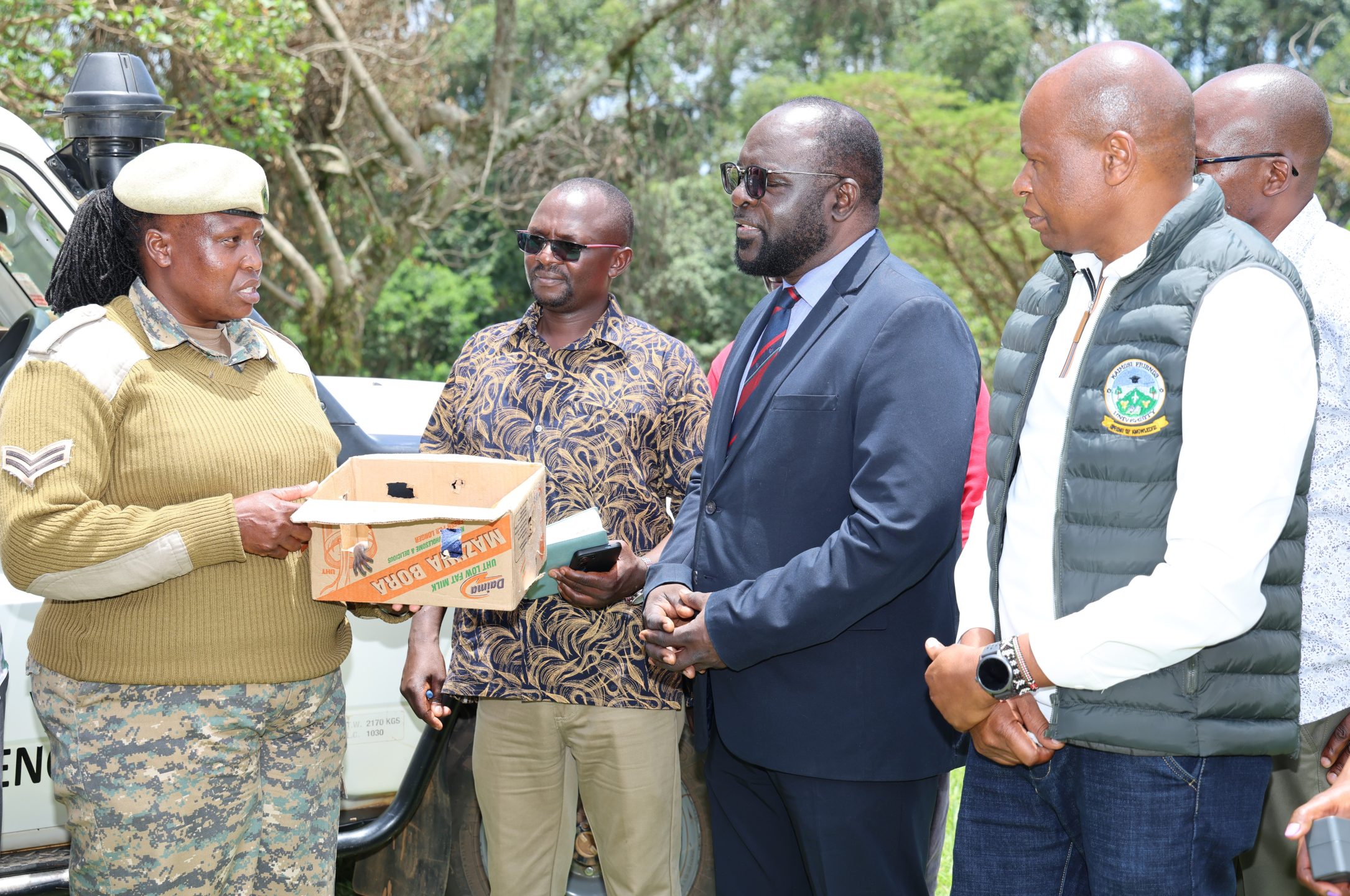
A Call for a Wildlife Rescue Centre at KAFU
The rescue has also prompted Prof. Manyali to imagine what could come next.
Rather than waiting for every injured, orphaned or rescued animal to be transported elsewhere, he would like to see KAFU become part of the wildlife rehabilitation infrastructure serving the region.
He has called for the Kenya Wildlife Service to consider establishing a wildlife orphanage or rescue and rehabilitation facility at Kaimosi Friends University, where animals rescued from the surrounding forests could receive initial care and where students and researchers could participate in conservation-related learning and research.
In a lighter but symbolic moment, Prof. Manyali also suggested that KWS consider giving the rescued baby monkey the name “Prof. Manyali”, a gesture that reflects how unexpectedly personal the rescue has become for those who found and cared for it.
The deeper proposal, however, is institutional: that KAFU could become a stronger centre for wildlife conservation, research, rehabilitation and public education.
KAFU is Turning its Campus Into Part of the Conservation Solution
The idea fits into a wider environmental direction already emerging at KAFU.
Under the leadership of Vice Chancellor Prof. Peter Nyamuhanga Mwita, the university has increasingly positioned itself as an institution where research and community engagement are expected to translate into practical solutions.
“Universities must do more than generate knowledge; they must lead the transformation of communities by turning research into practical solutions for a sustainable future,” Prof. Mwita has said.
The university’s environmental agenda includes the Centre of Excellence for Climate Action and Research (CECARE), whose 2026–2030 strategic plan was unveiled on World Environment Day.
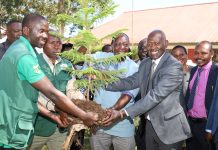
KAFU has also participated in major tree-planting initiatives, including one in April 2026 during which more than 10,000 indigenous seedlings were planted. The university has framed such activities not merely as symbolic tree planting but as part of ecosystem restoration, climate resilience and community engagement.
For Prof. Mwita, planting trees and protecting wildlife are part of the same environmental equation.
A healthier forest means more habitat for wildlife, stronger ecosystems and greater protection of the natural resources on which surrounding communities depend.
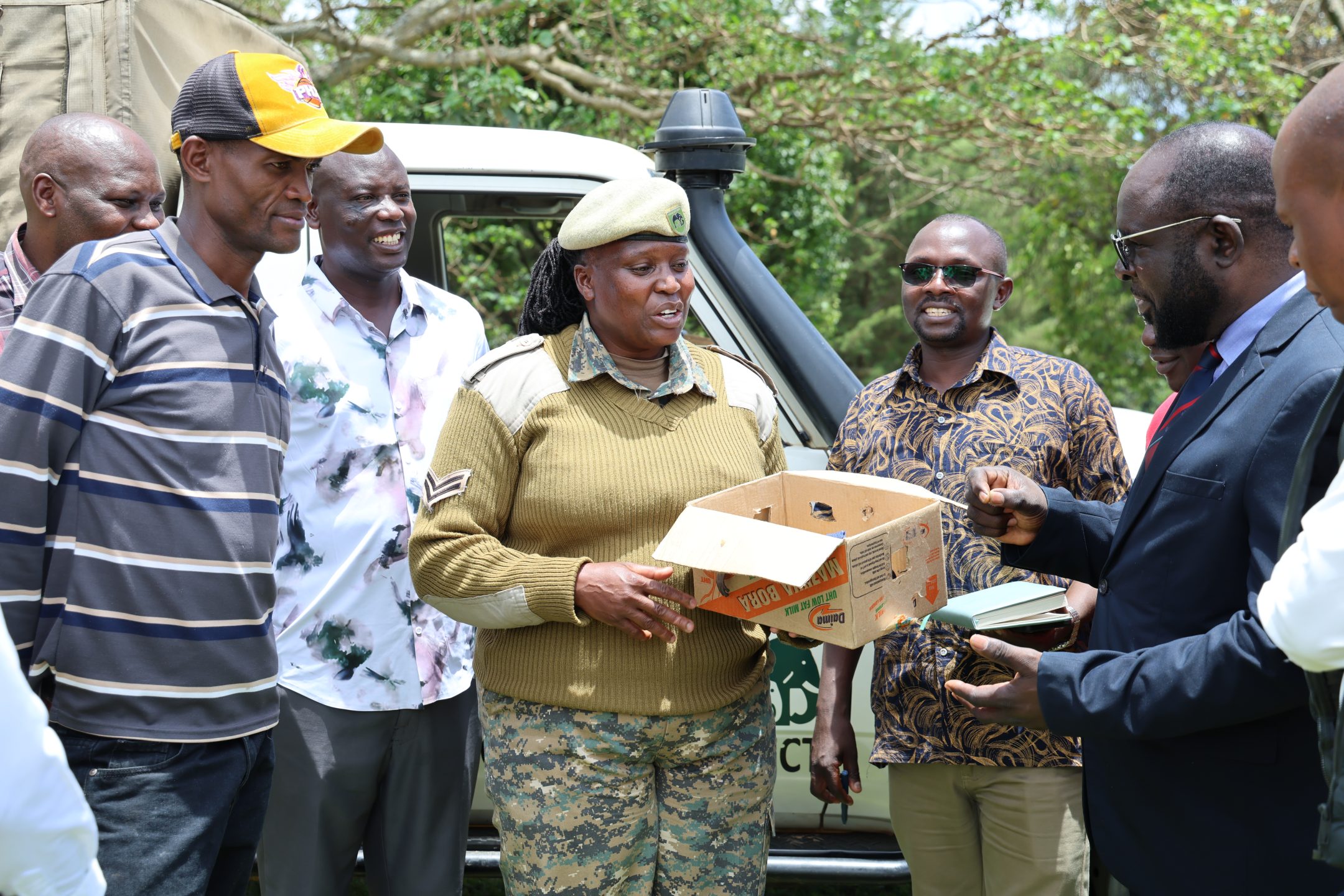
From a Forest to a Living University Laboratory
Prof. Fred Amimo, KAFU’s Deputy Vice Chancellor for Academic, Student Affairs and Research, sees even greater possibilities.
The university is exploring the establishment of a botanical garden that could serve as a living repository for indigenous plants and a platform for research, teaching, conservation and public education.
The proposal is particularly significant because of the extraordinary biological wealth surrounding KAFU.
The Kakamega Forest ecosystem is recognised for its diverse primates, birds, insects, trees and reptiles. A KWS ecosystem management document lists black-and-white colobus, red-tailed monkeys and blue monkeys among its primates, alongside species such as the Gaboon viper and Rhinoceros viper.
Prof. Amimo identifies the black-and-white colobus rescued by Andrew and Consolata as one of the rare and distinctive primates associated with the forest.
The forest landscape is also home to other primates, including vervet monkeys, red-tailed monkeys and Cykes monkeys.
But the biodiversity story extends far beyond monkeys.
There are reptiles such as the Gaboon viper and Rhinoceros viper, while the wider Kakamega ecosystem is renowned for its birds, including the Great Blue Turaco. KWS describes Kakamega Forest National Reserve as a biodiversity hotspot and Kenya’s surviving remnant of the ancient Guineo-Congolian tropical rainforest.
There is also an extraordinary world beneath the canopy: insects, fungi, medicinal plants and other organisms whose ecological and scientific value is only partly understood.
KAFU is therefore looking at ways of turning this natural wealth into a research and learning opportunity.
A proposed botanical garden could preserve indigenous plant species, support teaching and research, and provide a space where students and visitors can learn about the ecological and medicinal value of local flora.
Among the plants associated with the wider Kakamega forest ecosystem is Mondia whytei, a traditional medicinal plant that has been studied for its phytochemical and pharmacological properties. Research has documented its traditional uses and the need for further scientific investigation, while conservation sources have also highlighted concerns about over-harvesting.
For a university located within such an ecologically rich landscape, conservation can therefore become both a responsibility and an academic opportunity.
When Conservation Meets Criminology
Mr. Ahmed Wangara, Head of the Department of Social Sciences at KAFU and a criminologist who teaches criminology and criminal justice, views the incident through another lens: wildlife crime.
To him, conservation cannot succeed without treating poaching as a crime that communities understand, recognise and actively help prevent.
He argues that communities need greater sensitisation on the legal consequences of killing or possessing wildlife and wildlife products.
The killing of an animal for cultural purposes, he says, does not remove the act from the reach of the law.
Kenya’s wildlife legislation applies across public, community and private land, while the Forest Conservation and Management Act also restricts the capture or killing of animals in forests without the required licence, permit or lawful authorisation.
Wangara also points to another growing challenge: human-wildlife conflict.
As forests are encroached upon and natural habitats become fragmented, wildlife increasingly comes into contact with people.
Snakes, for example, may wander into nearby homes, where frightened residents may kill them rather than seek help.
The answer, he argues, is not simply punishment after the fact.
It is education, early reporting, community awareness, stronger enforcement and measures that reduce the circumstances that bring people and wildlife into dangerous contact.
Protecting the Forest Means Protecting Knowledge
Prof. Joseph Otsyullah, Director of University Linkages and Alumni at KAFU, sees the conservation conversation as one that must extend beyond the university gates.
His appeal is for stronger partnerships among the university, surrounding communities, conservation agencies, government and other stakeholders so that the forest becomes a shared responsibility rather than the responsibility of a single institution.
That philosophy is already evident in KAFU’s approach to community engagement.
A participatory study involving 83 community members from five surrounding villages previously examined the ecological and cultural importance of Kaimosi Forest and generated community proposals around agroforestry, responsible harvesting and stronger collaboration.
It is this open relationship between the university and the community that Prof. Manyali believes is beginning to bear fruit.
The rescue of the baby colobus is perhaps the clearest evidence yet.
The two people who found the animal were not wildlife officers.
They were members of the community.
But because they had been trained, they knew that walking away was not an option.
A Forest Whose Future Belongs to Everyone
The baby colobus may have left Kaimosi for professional rehabilitation, but its story has left behind a powerful reminder of the urgent need to protect the forest and its wildlife.
It leaves a question for KAFU, the surrounding communities, conservation agencies and everyone who depends on the forest:
- What happens the next time a wild animal is injured, orphaned or threatened?
- Will there be someone trained to respond?
- Will there be a facility nearby?
- Will communities understand that wildlife protection is also their responsibility?
- Will cultural knowledge be preserved in ways that do not destroy the species from which that knowledge originates?
- And will the university continue transforming its extraordinary natural surroundings into opportunities for research, education and conservation?
Kaimosi Forest is more than a collection of trees. It is habitat, heritage, laboratory, classroom and livelihood landscape.
Its future will depend on whether the people living around it see themselves merely as neighbours to the forest—or as its guardians.
Andrew Lung’aho and Consolata Manyonyi have already shown what that guardianship can look like.
They saw a helpless baby clinging to the remains of its mother.
They chose to intervene.
And in rescuing one small monkey, they may have opened a much bigger conversation about the future of an entire forest.
The story of Kaimosi’s conservation may have begun with trees. But increasingly, it is being written by people.
About Kaimosi Forest
Kaimosi Forest forms part of the wider Kakamega Forest ecosystem, a fragmented remnant of the ancient Guineo-Congolian rainforest that once stretched across much of Central Africa, making its conservation critical to the survival and movement of wildlife across the landscape.
YOU MAY ALSO LIKE: Prof. George Manyali and Citizen Science Revolution Transforming Kaimosi Forest
PICTORIAL