





















- Africa’s transformation will not be achieved by a single sector, institution or generation. It requires empowered minds, ethical leadership, innovative thinking and inclusive opportunities that enable every African to contribute meaningfully to the continent’s progress.
- The Africa we desire will be built when knowledge becomes action, innovation becomes opportunity, leadership becomes service and citizens become active participants in shaping the institutions, economies and communities they call home.
- Reimagining Africa is ultimately about people: educating them, equipping them, connecting them and giving them the courage and opportunity to solve Africa’s challenges. The continent does not lack potential; it needs the leadership, collaboration and commitment to turn that potential into measurable transformation.
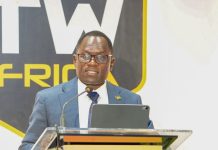
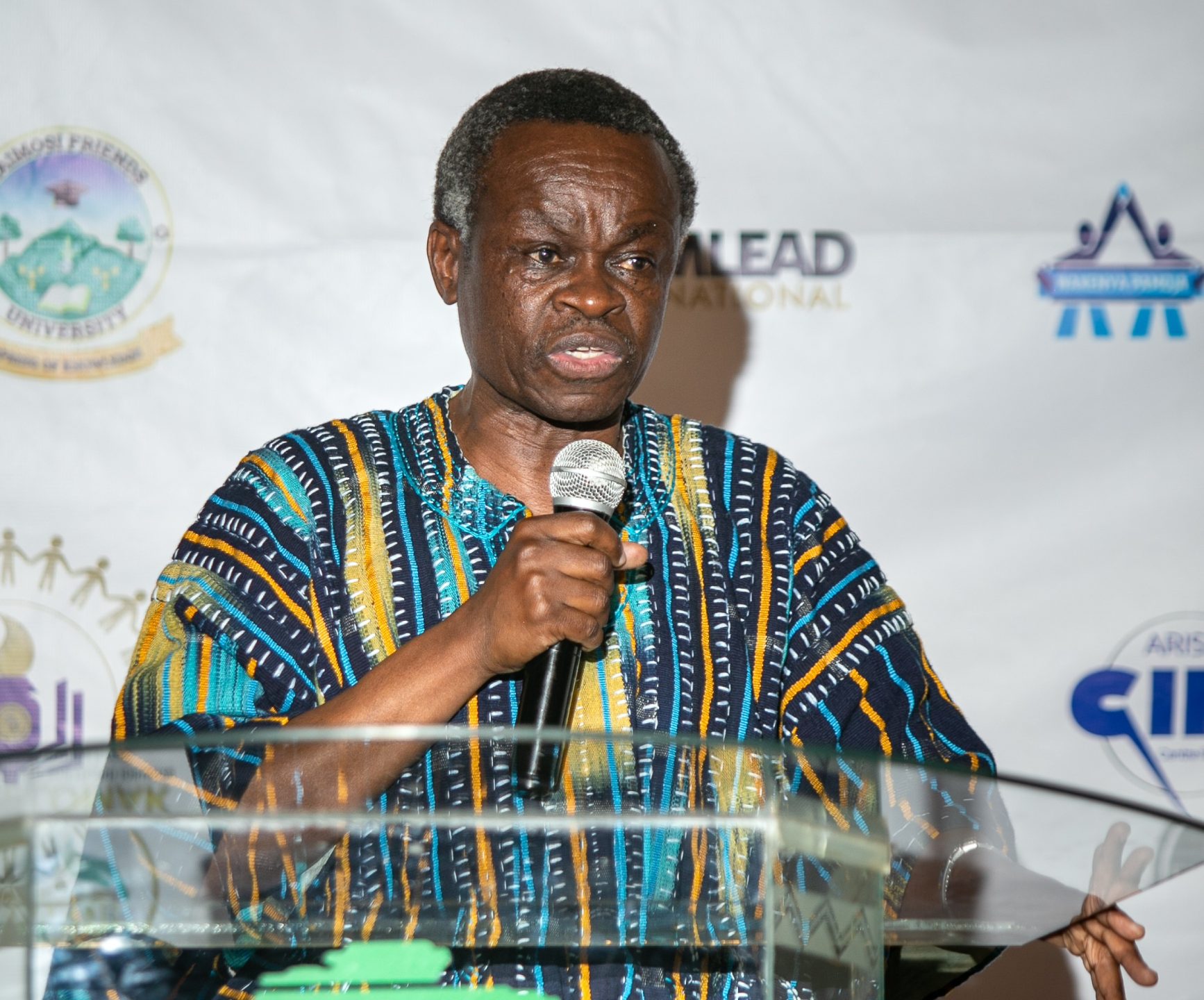
Africa’s transformation demands ethical leadership and a moral renaissance.
Prof. PLO Lumumba.
Africa does not lack ideas. What it often lacks is the collective courage, systems and leadership required to turn those ideas into sustainable solutions.
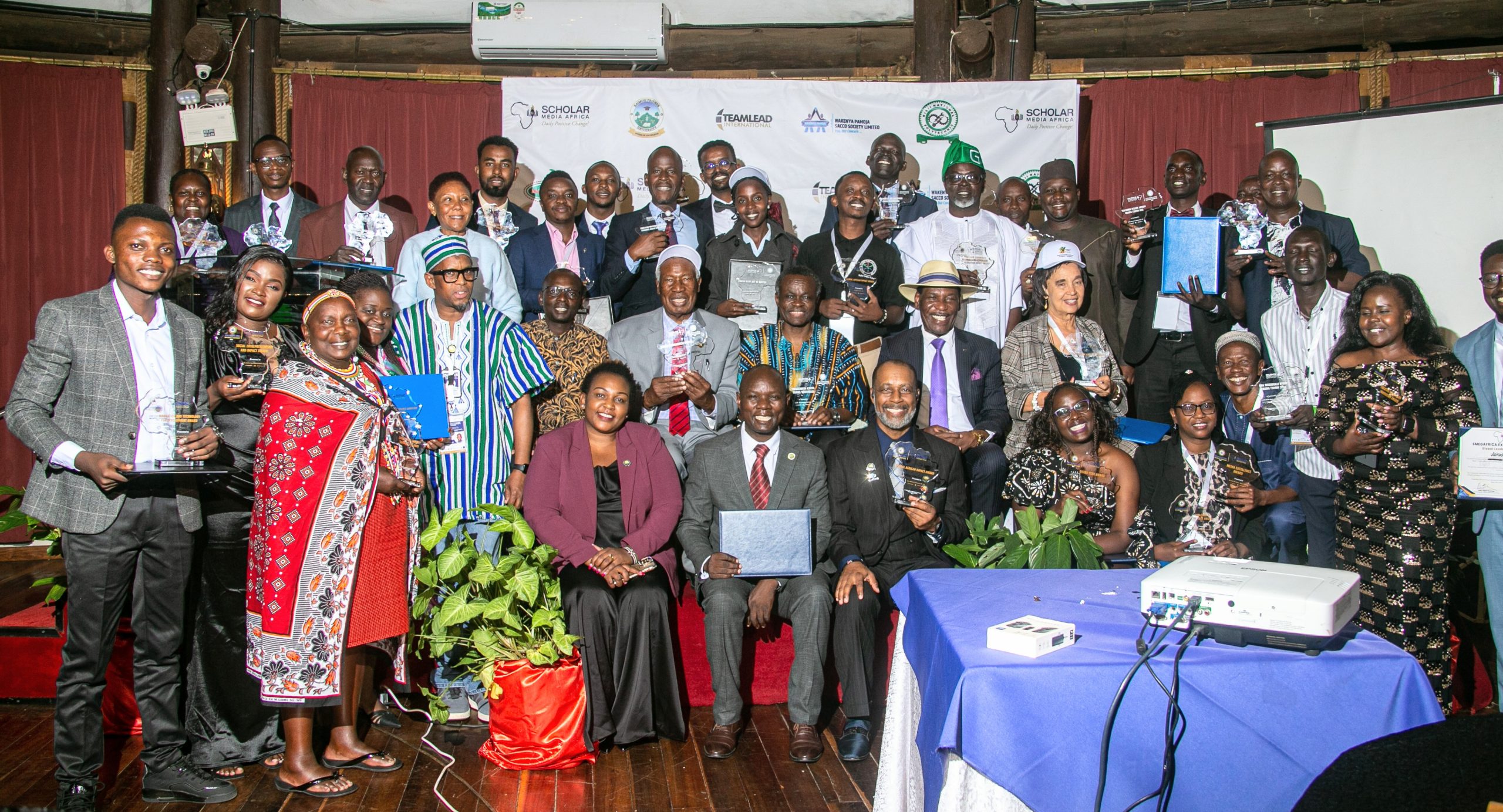
That was the powerful thread running through the 2nd Annual International Scholar Media Africa Conference and SMEGAfrica Excellence Awards 2026, which brought together an influential gathering of African and global voices at Safari Park Hotel in Nairobi – Kenya from August 5 to 7.
Held under the theme “Reimagining Africa: Empowering Minds, Igniting Innovation, Driving Inclusive Growth,” the three day gathering created a continental platform for conversations around education, entrepreneurship, technology, ethical leadership, media, research, mental wellness, financial inclusion, governance and Africa’s relationship with the global economy.
Hosted by Scholar Media Group Africa (SMEGAFRICA), the conference brought together policymakers, academics, university leaders, entrepreneurs, innovators, development practitioners, diplomats, media professionals, youth champions and industry experts from Africa and beyond.
At its heart was a fundamental question: What must Africa do differently to create a future that works for its people?
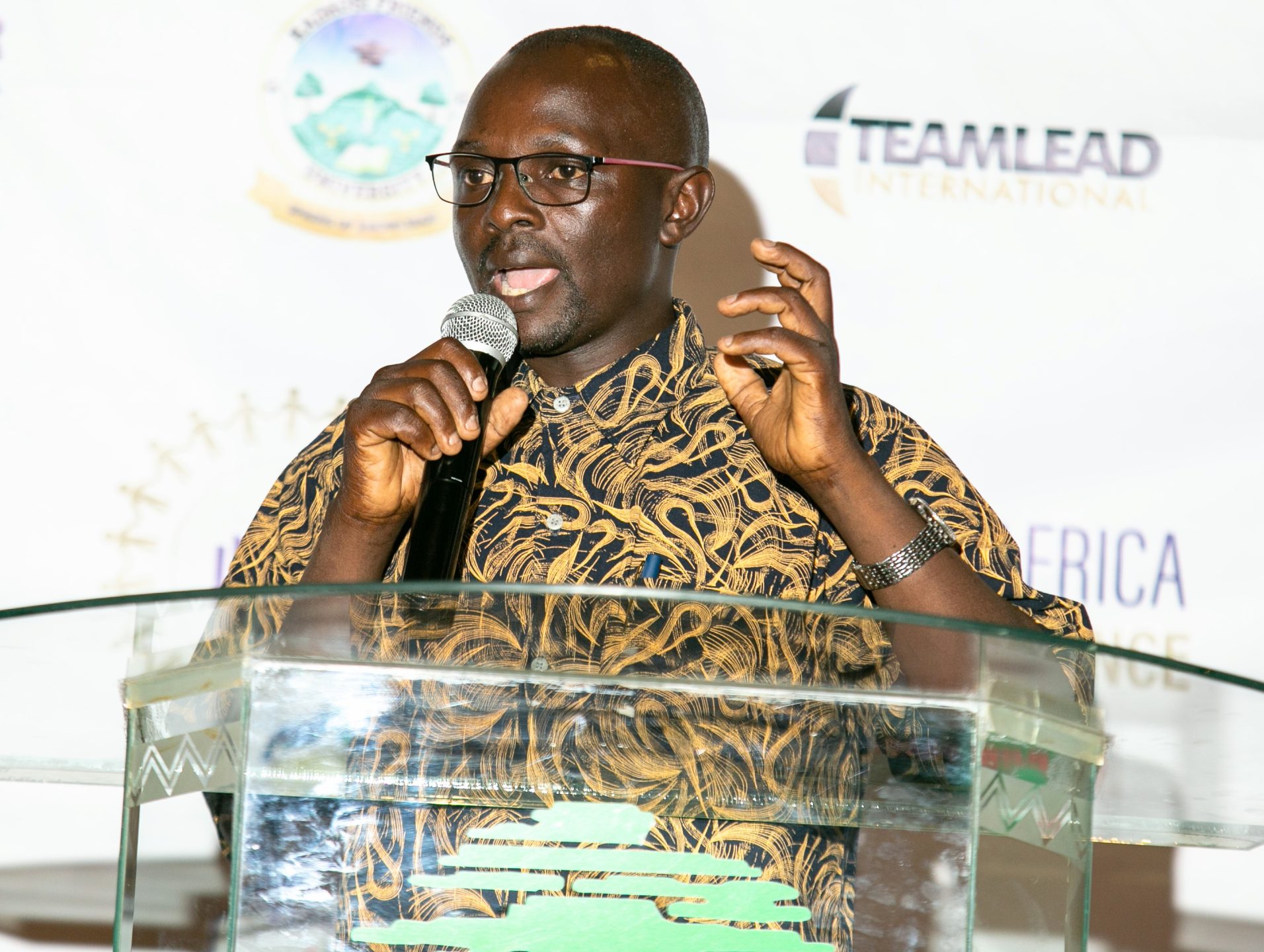
Building a Pan African Platform for Ideas, Impact and Transformation
At the centre of the gathering was Elijah Nyakundi Nyaanga, popularly known as Ambassador Scholarman Senior, Founder & Group CEO of Scholar Media Group Africa (SMEGAFRICA). A journalist and media entrepreneur, Nyaanga has built Scholar Media Africa into a platform for research-driven storytelling, education, leadership, youth empowerment and socio-economic transformation.
His vision for the conference is rooted in a conviction that Africa needs platforms where knowledge is shared, difficult questions are confronted, relationships are built and ideas are translated into meaningful action. The inaugural conference in 2025 established that platform, while the 2026 edition significantly expanded its Pan African and international character.
Delegates and speakers drawn from Kenya, Uganda, Tanzania, Ghana, Nigeria, Sierra Leone, South Sudan, Rwanda, Ethiopia, Zimbabwe, Zambia, South Africa, Australia, France, Scotland, United Kingdom (UK), the United States and beyond brought diverse experiences and perspectives to the table, transforming the gathering into a meeting point for African and global expertise.
For Nyaanga, the conference represents more than an annual gathering. It is part of a broader effort to use media, knowledge exchange and strategic collaboration to connect Africa’s talent, ideas and institutions, while creating spaces where conversations about the continent’s challenges can lead to partnerships and practical solutions.
“Africa has no shortage of ideas, talent or potential. What we need are platforms that bring people together, connect ideas to opportunity and turn conversations into partnerships capable of creating measurable change.”
The successful conclusion of the 2026 conference marked another significant step in Nyaanga’s vision of building SMEGA into a Pan African platform that connects people, ideas and institutions across borders, while taking African knowledge, voices and solutions from the newsroom and conference hall into communities and wider development conversations.
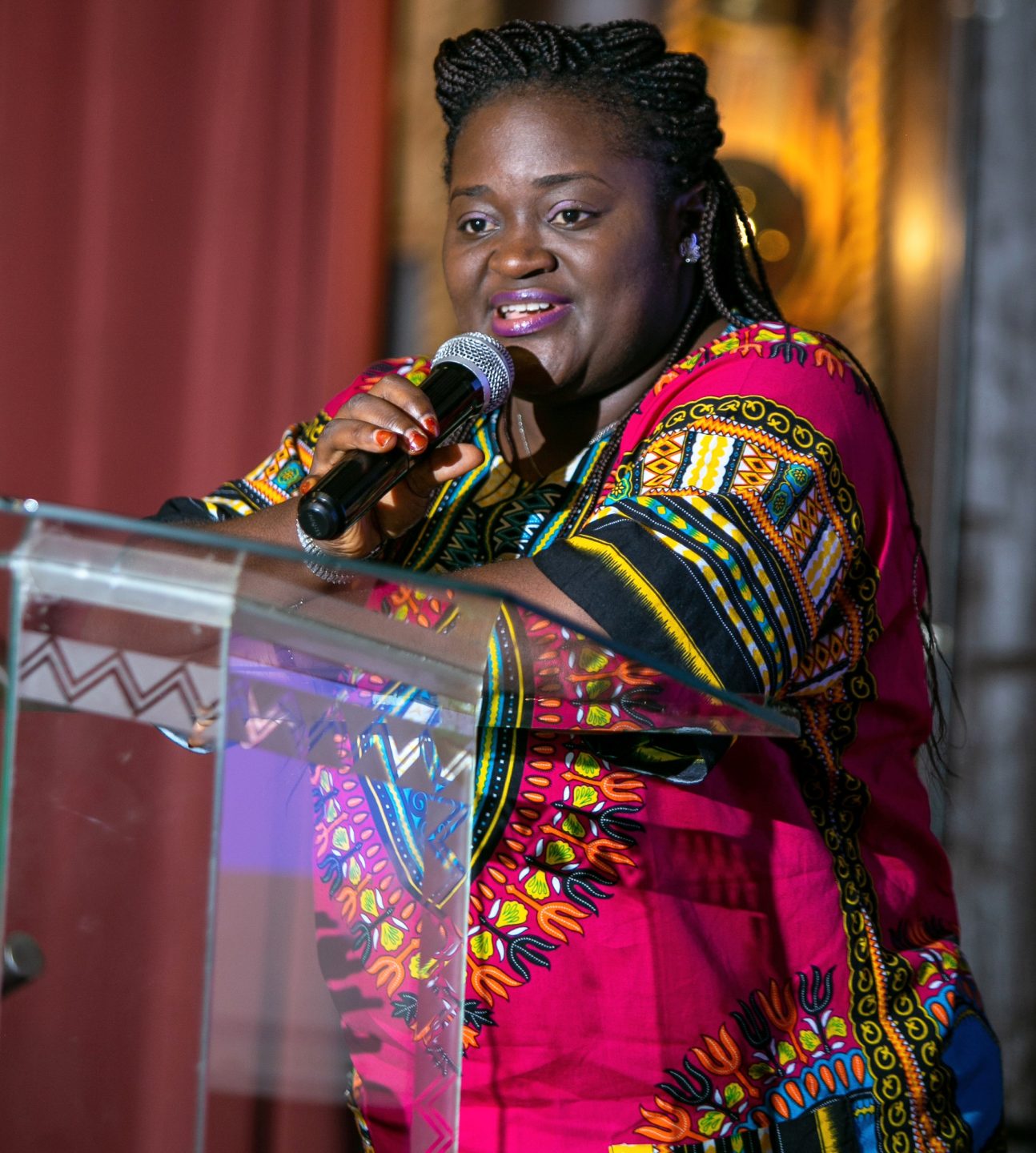
Dr. Wirba Stephanie Kininla Sets the Tone for Reimagining Africa
Dr. Wirba Stephanie Kininla, Global President of the Young African Women Congress Network, clinical counsellor, social worker and child protection and GBV officer, Cameroon, addressed the conference’s overarching theme, “Reimagining Africa: Empowering Minds, Igniting Innovation, Driving Inclusive Growth.”
Her address challenged delegates to think beyond conventional approaches to Africa’s development and to embrace a future anchored in empowered people, innovation, inclusion, responsible leadership and collective action.
“Reimagining Africa requires us to empower our people, embrace innovation and build inclusive systems that create opportunities for every generation. Africa’s transformation must begin with the courage to think differently and act collectively.”
She emphasised that Africa’s development challenges are interconnected and therefore require equally interconnected solutions. From education and youth empowerment to mental wellbeing, gender, climate action and social inclusion, the continent must pursue development approaches that place people and their dignity at the centre.
“Africa’s future cannot be built in isolation. We must connect leadership, innovation, inclusion and sustainable development, ensuring that the progress we pursue improves lives, protects our communities and leaves no one behind.”
Her opening address established the mood for the conference, setting a human-centred and forward-looking tone for the conversations that followed.
From education and skills development to entrepreneurship, technology, healthcare, creativity, ethical leadership and youth participation, speakers throughout the conference explored different dimensions of the same challenge: how Africa can convert its immense human and intellectual potential into inclusive and sustainable progress.
Dr. Wirba’s contribution therefore provided an important opening lens for the conference—one that placed people, purpose and collective responsibility at the heart of the task of reimagining Africa.
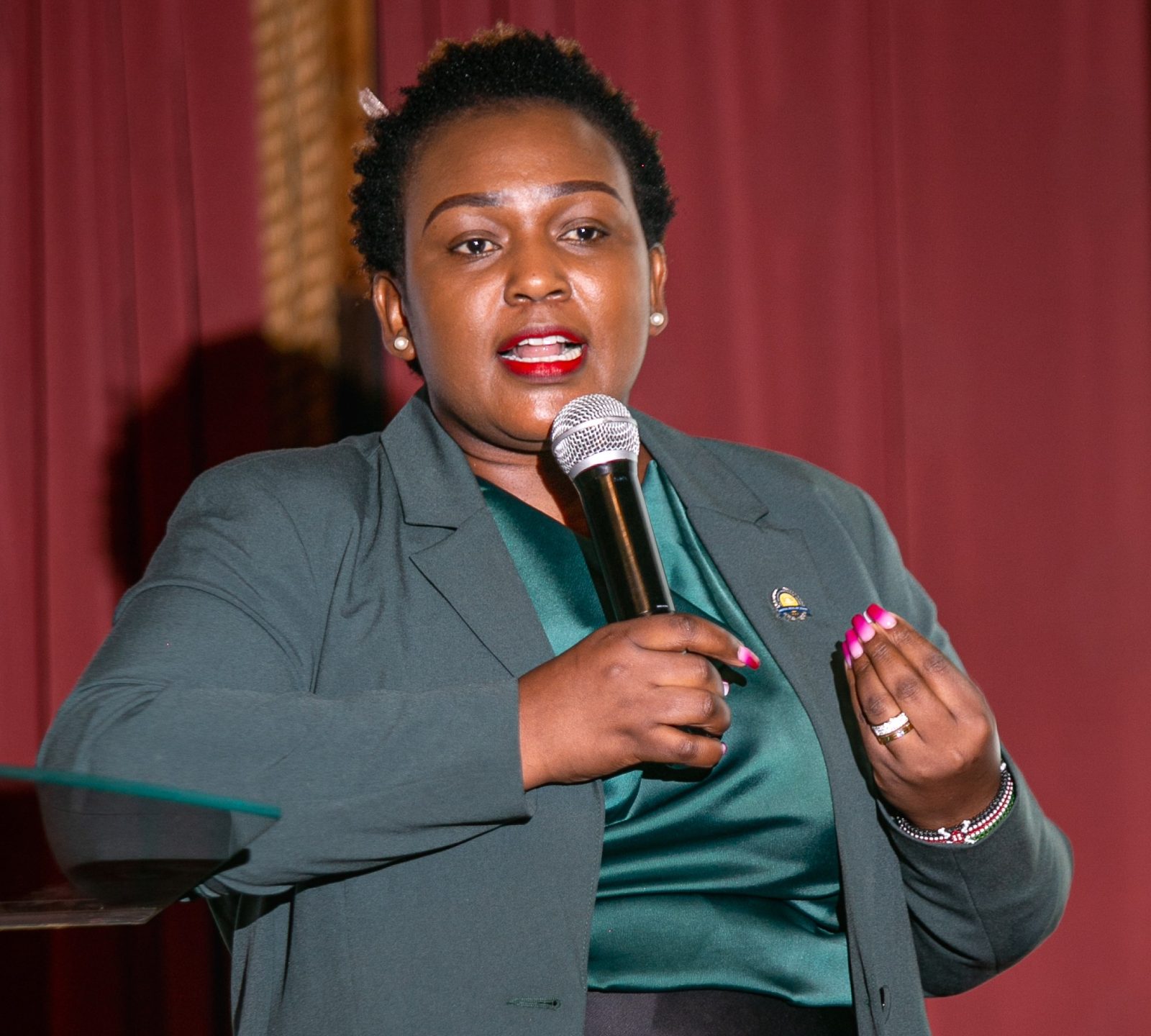
The Power of Social Capital: Building Africa Through Relationships
The intellectual journey into Africa’s transformation moved beyond institutions and policies to one of the continent’s most powerful yet often underestimated assets: relationships.
Dr. Edinah Kangwana, MBS, CEO of Arise Circle Africa, placed social capital at the centre of the development conversation, challenging delegates to recognise that meaningful relationships, trust and networks can unlock knowledge, mentorship, investment, partnerships and opportunities that individuals and institutions may struggle to access alone.
Her message was clear: Africa cannot build an inclusive future through isolated effort. Its greatest opportunities will emerge when people connect, collaborate and deliberately build networks that create shared value.
“Social capital is not simply about who you know; it is about the value we create when relationships are built on trust, shared purpose and a willingness to open doors for one another.”
Dr. Kangwana’s address underscored the need for Africans to move beyond transactional relationships and cultivate networks that strengthen communities, expand opportunity and accelerate collective progress.
When Africans connect with purpose, relationships become bridges to opportunity, and social capital becomes a powerful engine for transformation.
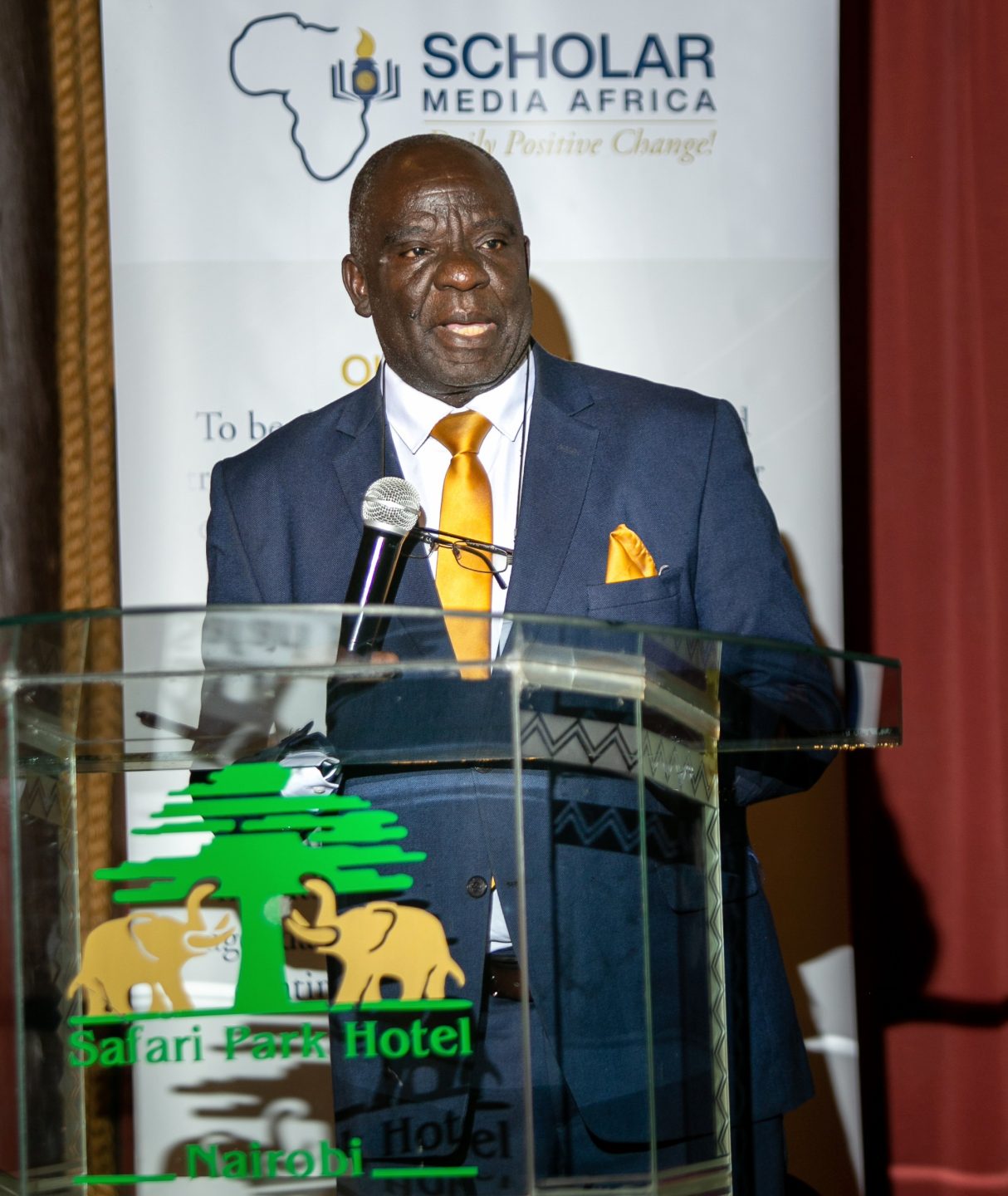
Prof. Deo Apollo Musisi, CEO of Datagrid and Chairperson of the University Council at Limkokwing University of Creative Technology Uganda, delivered the first keynote on “Skilling Africa for the Future: Advancing Job Creation and Technology Transfer through Transformative Education Systems.”
Taking the conversation beyond conventional approaches to skills development, Prof. Musisi challenged Africa to rethink how education, technology and innovation can be harnessed around the continent’s own natural and scientific assets. He highlighted four critical spheres where Africa must deliberately focus its technological development: the Geosphere, Hydrosphere, Biosphere and Atmosphere.
The Geosphere, which he described in the context of “GeoAfrica,” encompasses Africa’s vast mineral wealth and unique rocks and geological resources. He called for greater technological capacity to enable African countries to move beyond extracting raw materials and instead develop the skills, knowledge and technologies required to add value to these resources.
The Hydrosphere focuses on Africa’s vast water resources, including its lakes and rivers. Prof. Musisi emphasised the need to deploy technology and innovation to better understand, protect and harness these resources for economic development, sustainability and improved livelihoods.
The Biosphere encompasses Africa’s extraordinary diversity of plants and animals. Here, he underscored the potential for technology, research and innovation to transform Africa’s biological wealth into opportunities in areas such as agriculture, biodiversity, biotechnology and sustainable development.
The fourth sphere, the Atmosphere, extends Africa’s technological horizon into space and planetary sciences. Prof. Musisi urged Africa to look beyond its immediate terrestrial challenges and develop the scientific and technological capabilities needed to participate meaningfully in the emerging space economy and planetary sciences.
His intervention therefore positioned transformative education not merely as a pathway to employment, but as a strategic instrument for enabling Africa to understand, harness and create value from its vast natural and scientific potential.
The message was clear: Africa must develop an education system that equips its people not simply to seek jobs, but to create technologies, transfer knowledge, solve African problems and build industries around the continent’s own resources.
Prof. Musisi’s keynote expanded the conversation on skilling Africa from employability to technological sovereignty, knowledge creation and value addition, challenging universities and other education institutions to prepare a generation capable of turning Africa’s four spheres of opportunity into engines of innovation, job creation and inclusive economic transformation.
“Africa cannot prepare its young people for tomorrow by educating them only for yesterday. Transformative education must connect skills, technology, innovation and employment to the realities of the African economy.”
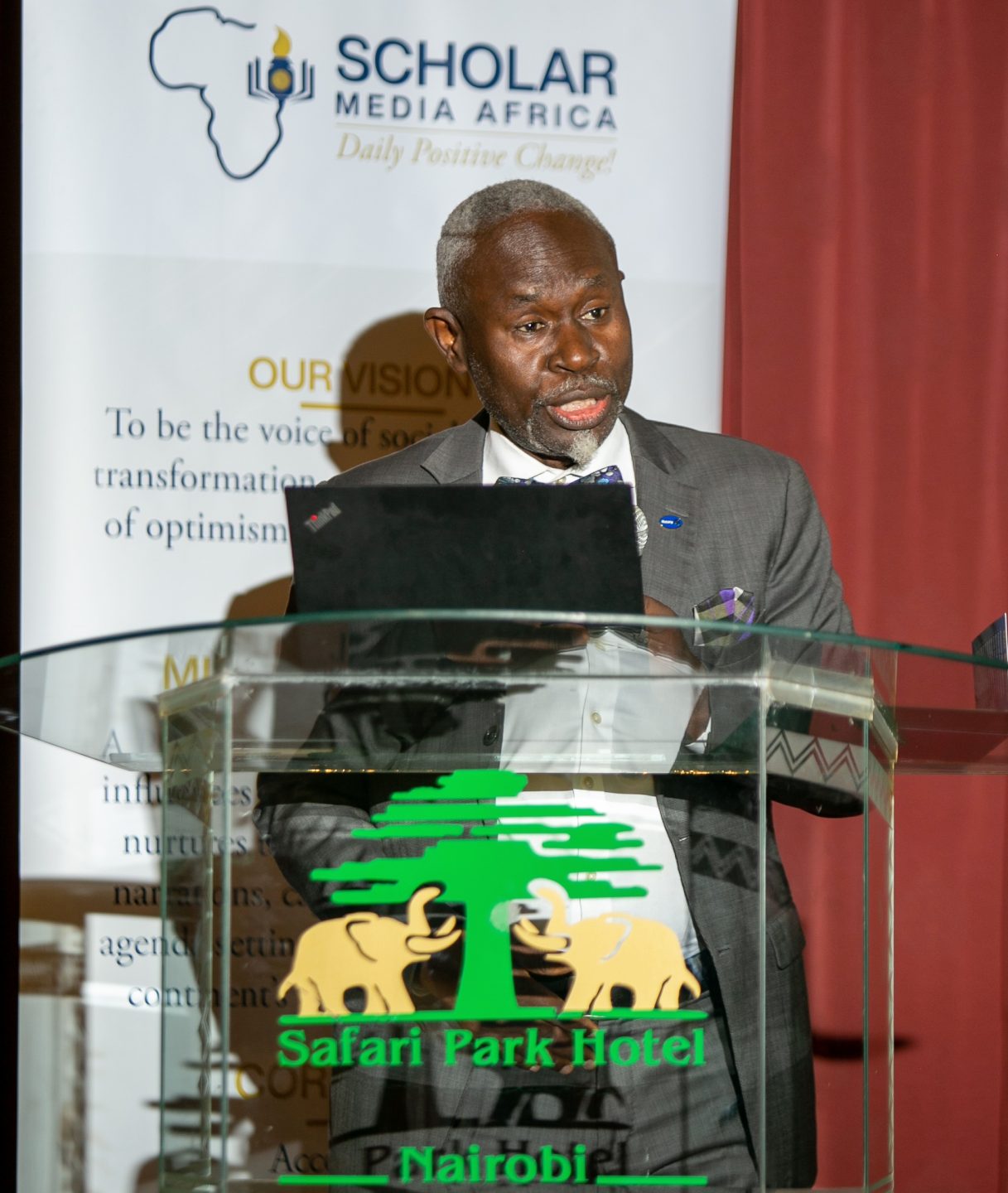

Dr. David Dan Mayanja, Founder and CEO of Business Friends Africa, Uganda, extended the conversation through his keynote on “Competency-Based Education in Africa: Empowering Minds through Education, Media, and Leadership for a Future-Ready Continent.”
His intervention broadened the understanding of education beyond the acquisition of academic qualifications, positioning competence, practical application, creativity and problem-solving as essential measures of educational success. He argued that Africa’s rapidly changing economy requires an education system capable of equipping learners not only with knowledge, but with the ability to translate that knowledge into solutions, opportunities and tangible impact.
Dr. Mayanja brought education, media and leadership into a single ecosystem, emphasising their collective role in shaping how Africans think, communicate, innovate and respond to emerging opportunities. In this ecosystem, education builds competence, media shapes narratives and public understanding, while leadership converts knowledge and ideas into action and transformation.
His message was particularly relevant to Africa’s young and growing population, which requires education systems that prepare learners for a world defined by technological change, entrepreneurship, innovation and new forms of work.
“The true measure of education is not simply what a learner knows, but what that learner can do with knowledge to solve problems, create value and improve society.”
The keynote reinforced a central message of the conference: Africa’s future will depend not merely on how many people it educates, but on what those people are empowered to do with what they learn.
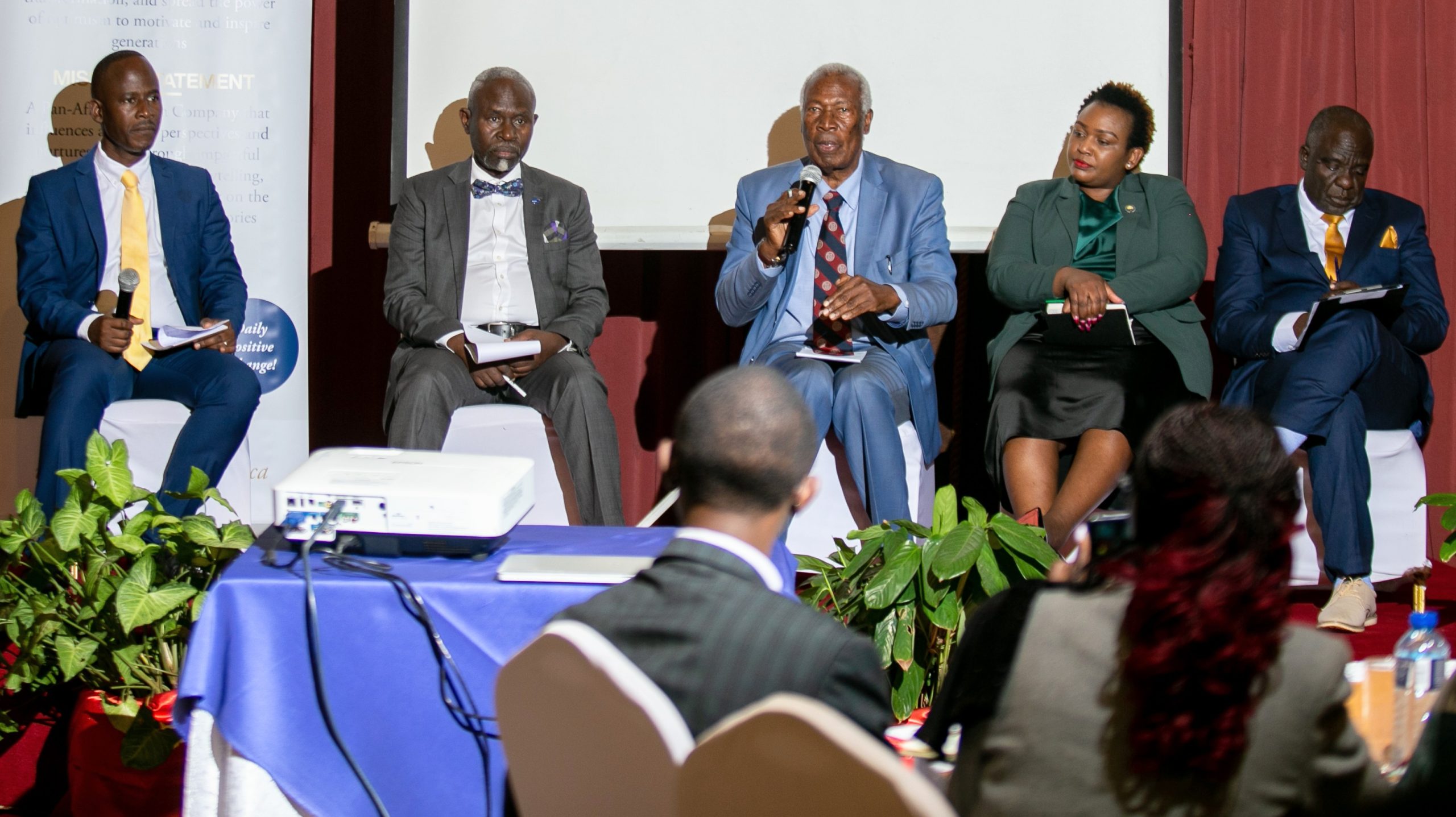
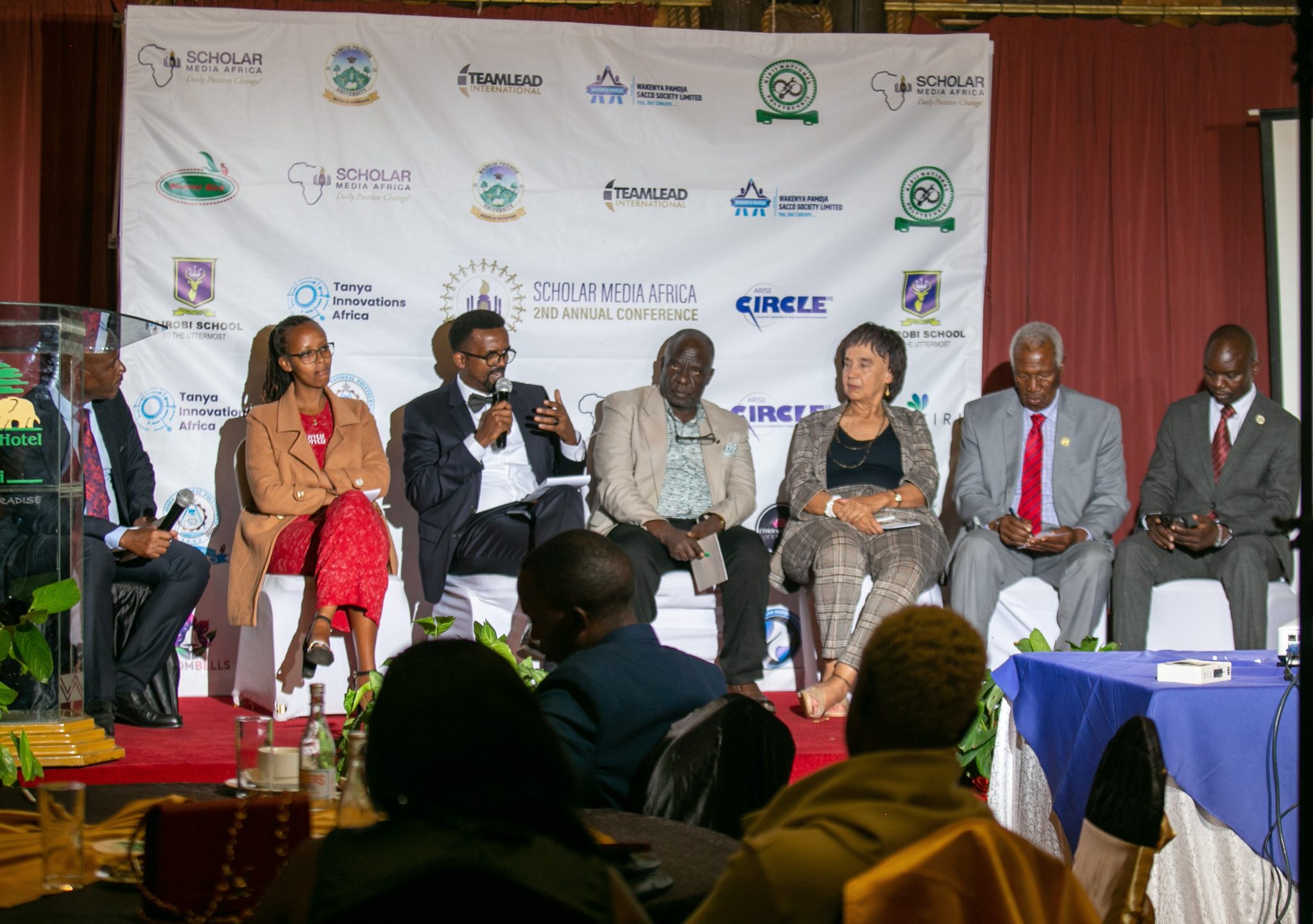
Mr. Maganda Evans Tabingwa of Uganda, CEO of Tanya Innovations Africa. The panel examined how education, skills development, innovation and leadership can collectively reshape Africa’s trajectory.

Universities at the Heart of Africa’s Transformation
The conference brought together a distinguished community of African academic leaders whose institutions are shaping the continent’s education, research, innovation and leadership landscape. Their presence reinforced a central message of SMEGAFRICA 2026: Africa cannot reimagine its future without reimagining the institutions that produce knowledge, nurture talent and drive innovation.
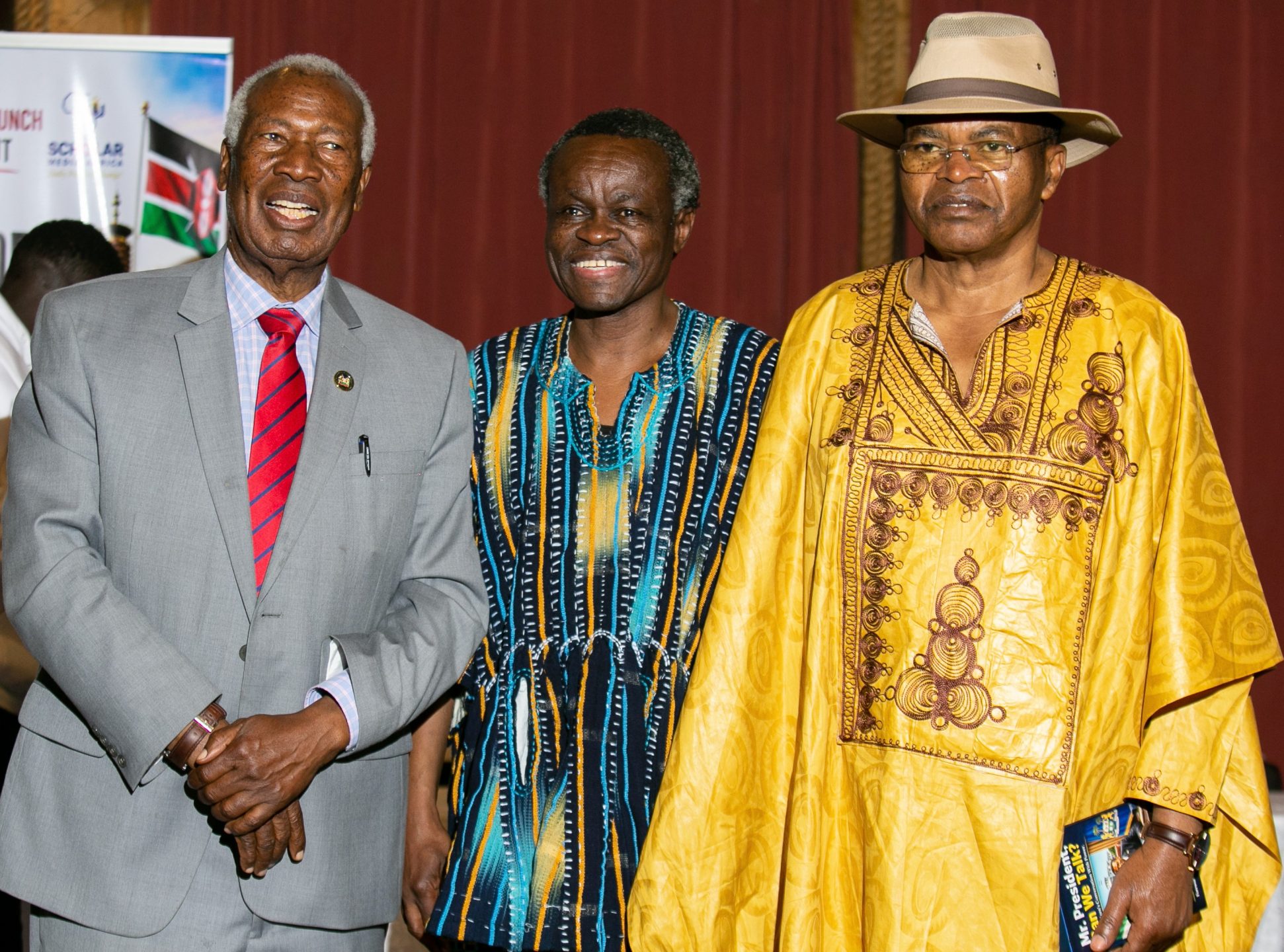
Among the distinguished academic voices were Prof. Peter Nyamuhanga Mwita, Vice Chancellor of Kaimosi Friends University (KAFU), Kenya; Prof. Okaka Opio Dokotum, Deputy Vice Chancellor (Academic Affairs) at Lira University, Uganda; Prof. Emeritus Ratemo W. Michieka, Chancellor of Tharaka University, Kenya, and President of the Kenya National Academy of Sciences; Prof. John S. Akama, former Vice Chancellor of Kisii University, Kenya; Prof. PLO Lumumba, SC, Founder and Chairman of The PLO Lumumba Foundation, Kenya; Prof. Dr. Maggie Kigozi of Uganda, a distinguished medical doctor, business leader and former Executive Director of the Uganda Investment Authority; and Dr. Ezekiel Mutua, CEO of the Music Copyright Society of Kenya.
OUR PARTNERS & SPONSORS

Collectively, these leaders represented the intersection of higher education, scientific research, governance, investment, entrepreneurship, culture and intellectual property, areas that must work together if Africa is to convert its human capital and natural resources into sustainable development.
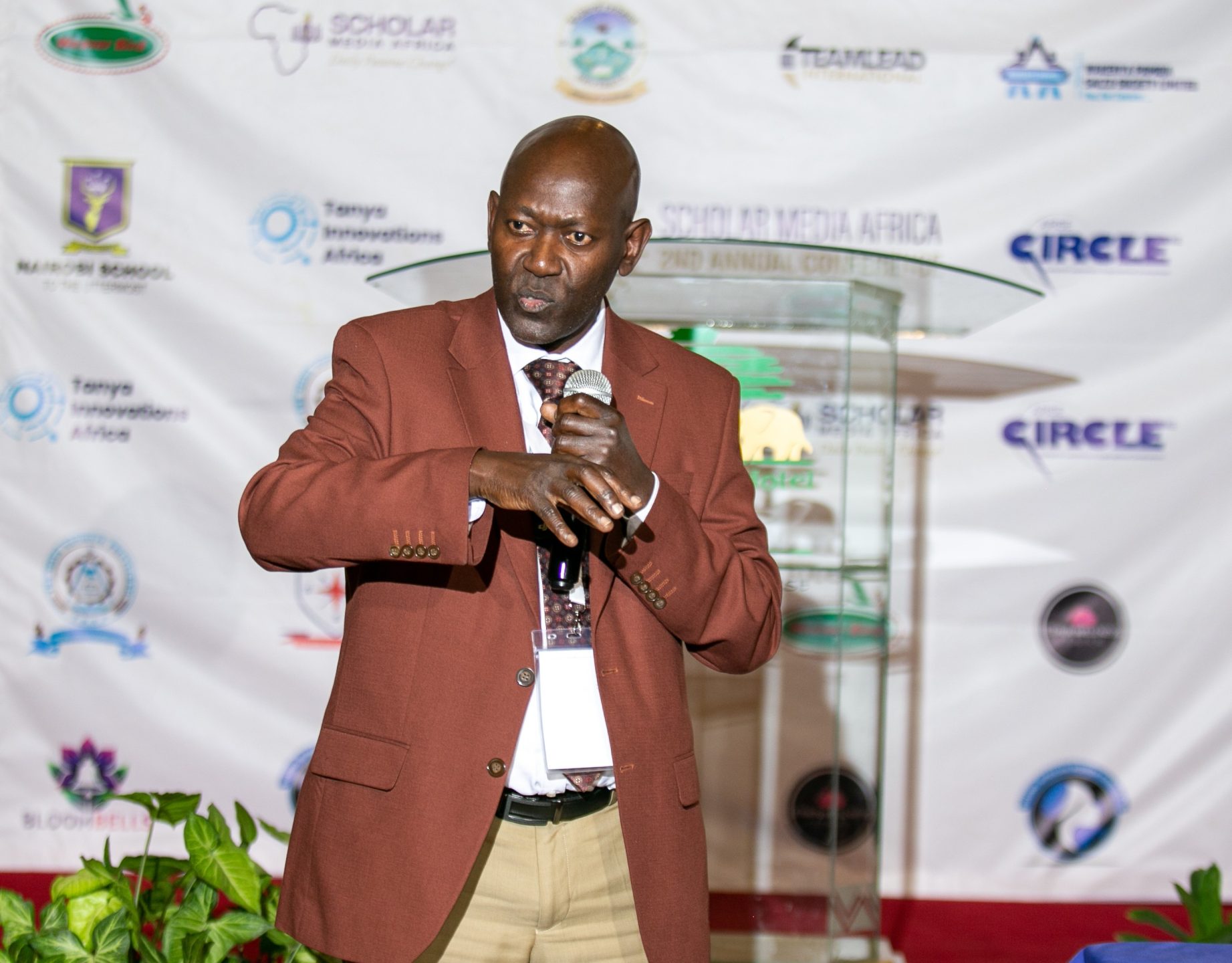

Prof. Peter Mwita: Building Bridges Between Academia and Society
Prof. Peter Nyamuhanga Mwita, Vice Chancellor of Kaimosi Friends University, brought the perspective of a university leader navigating the evolving demands of higher education, research, innovation and community transformation in Kenya.
His contribution to the conference reinforced the responsibility of universities to move beyond the traditional boundaries of classrooms and examination halls and become active engines of innovation, problem-solving, enterprise and societal development.
Prof. Mwita’s presence also carried special institutional significance because of the growing relationship between Kaimosi Friends University and Scholar Media Group Africa (SMEGAFRICA).
The two institutions entered into a formal strategic partnership through a Memorandum of Understanding in August 2025, creating a framework for collaboration in areas including research dissemination, institutional visibility, academic engagement, student empowerment and knowledge sharing.
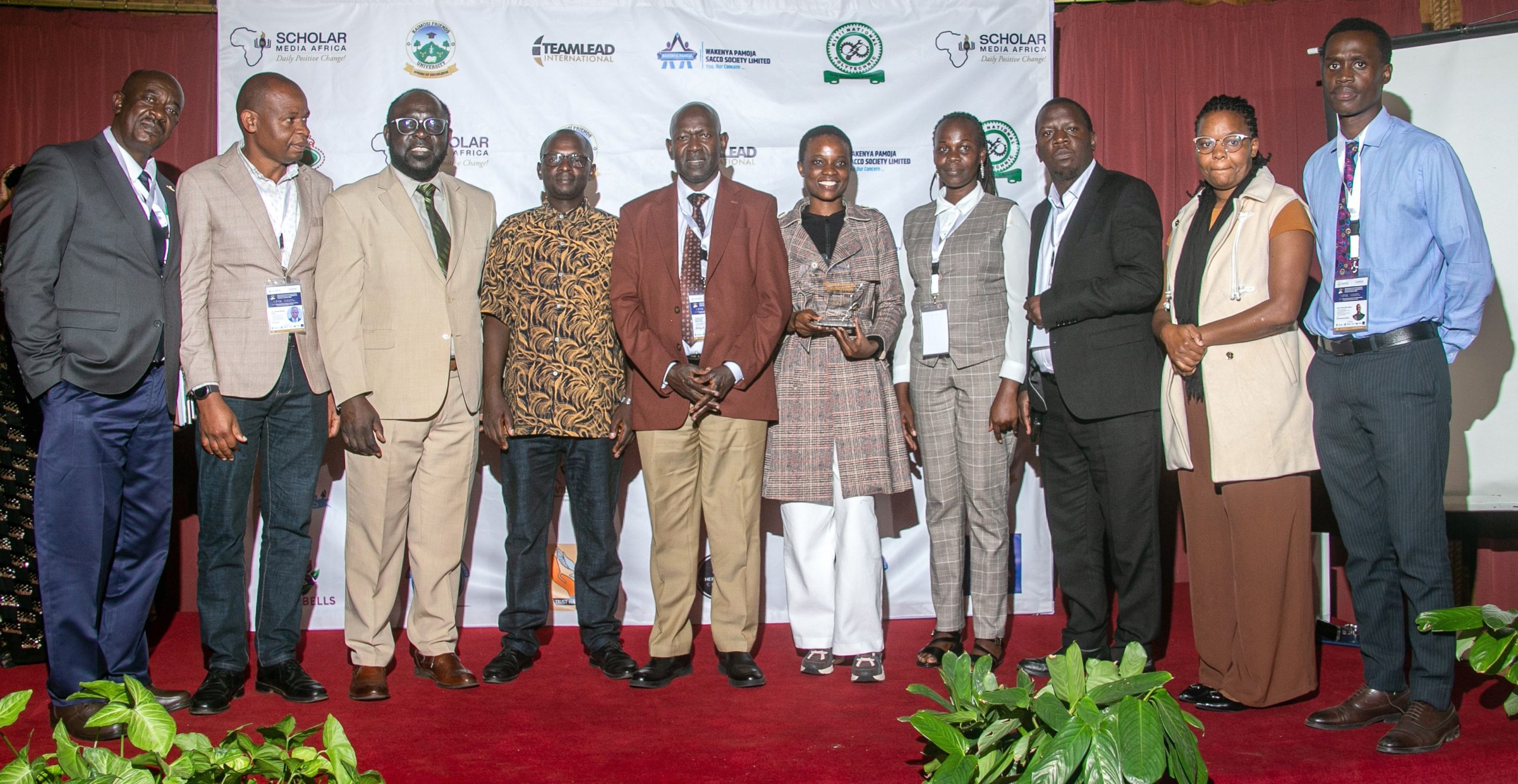


The partnership represents the kind of collaboration that SMEGAfrica seeks to advance: connecting universities with media, research with public discourse, knowledge with opportunity and academic institutions with the wider society they serve.
Through the partnership, KAFU and SMEGAfrica have an opportunity to amplify research, showcase innovation, strengthen academic communication and create platforms through which students and scholars can engage wider audiences.
Prof. Mwita’s participation at the 2026 conference therefore represented more than the presence of a university leader. It reflected the practical possibilities of institutional collaboration and the importance of building bridges between academia and the wider African development ecosystem.
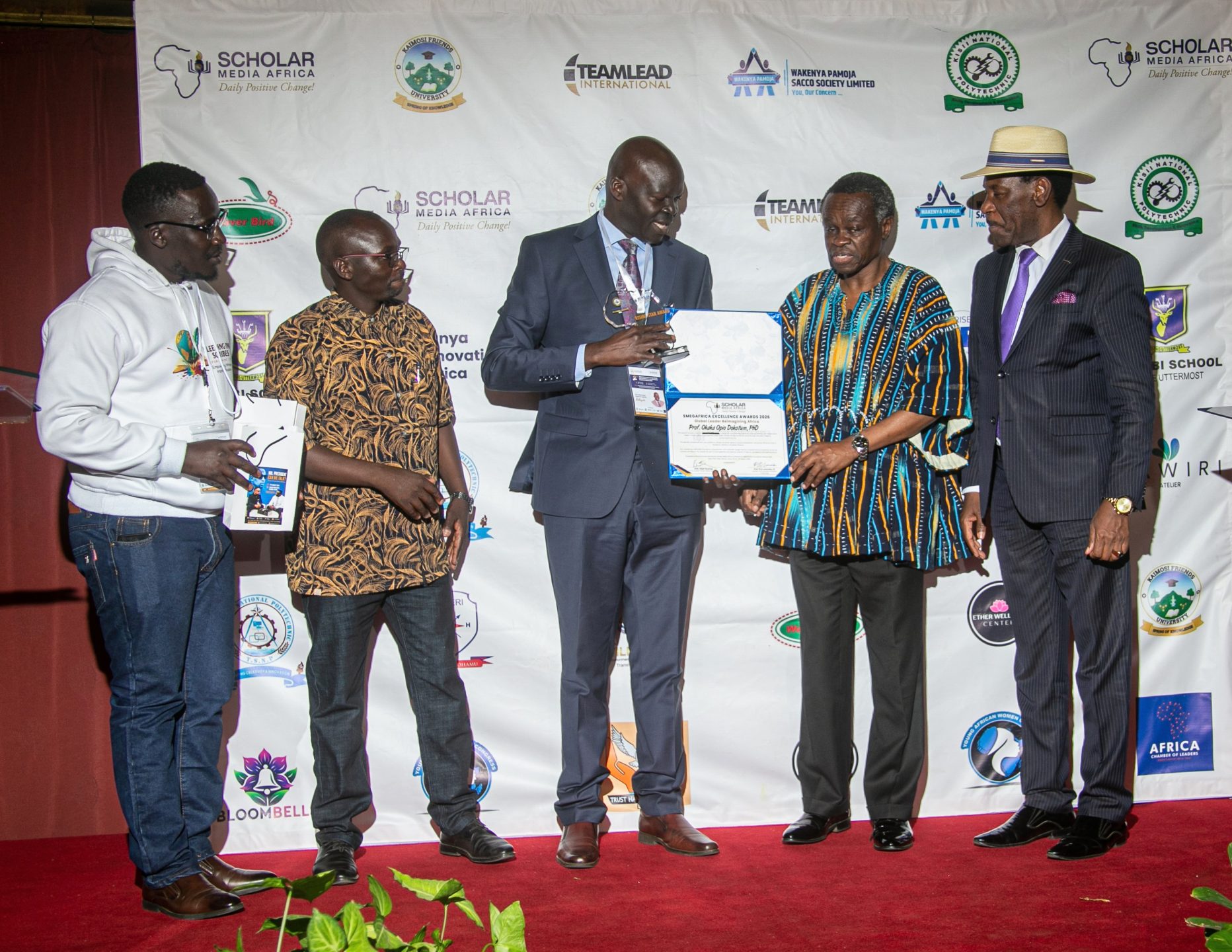
Prof. Okaka Opio Dokotum: Strengthening Africa’s Knowledge Ecosystem
From Uganda, Prof. Okaka Opio Dokotum, Deputy Vice Chancellor (Academic Affairs) at Lira University, contributed an important perspective on the role of higher education in Africa’s transformation.
As an academic leader responsible for the academic affairs portfolio of one of Uganda’s public universities, Prof. Dokotum represents the critical intersection of teaching, scholarship, academic leadership and institutional development.
His participation strengthened the conference’s Pan-African academic character, bringing a Ugandan higher education perspective into conversations about how universities can better prepare graduates for a rapidly changing world.
His contribution also complemented the wider education conversation led by other scholars and university leaders, reinforcing the need for African institutions of higher learning to become more responsive to the continent’s changing economic, technological and social realities.
The presence of Prof. Dokotum alongside Prof. Mwita, Prof. Michieka, Prof. Akama and other academic leaders demonstrated that Africa’s transformation requires universities to work beyond national boundaries, sharing knowledge, experiences, research and innovative approaches to common continental challenges.
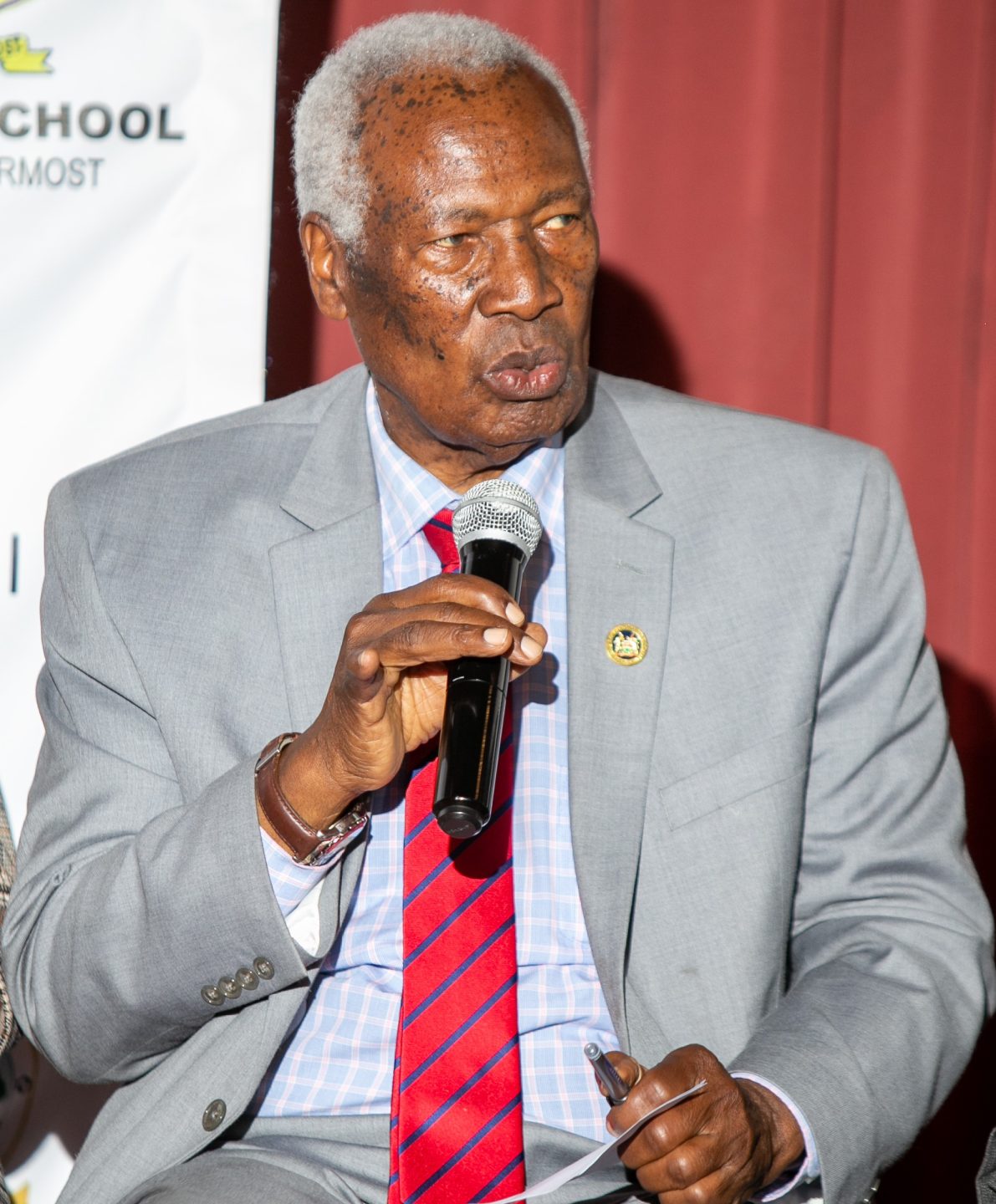
Prof. Ratemo Michieka: Science, Research and National Development
Prof. Emeritus Ratemo W. Michieka, Chancellor of Tharaka University and President of the Kenya National Academy of Sciences, brought decades of experience in science, agriculture, environmental management, higher education and research leadership to the gathering.
His distinguished career has included university leadership and national service, giving him a unique perspective on the relationship between scientific knowledge, public policy and development.
His presence reinforced the argument that Africa’s transformation must be evidence-driven, with universities, academies of science and research institutions playing a central role in generating knowledge that responds to real problems facing African societies.
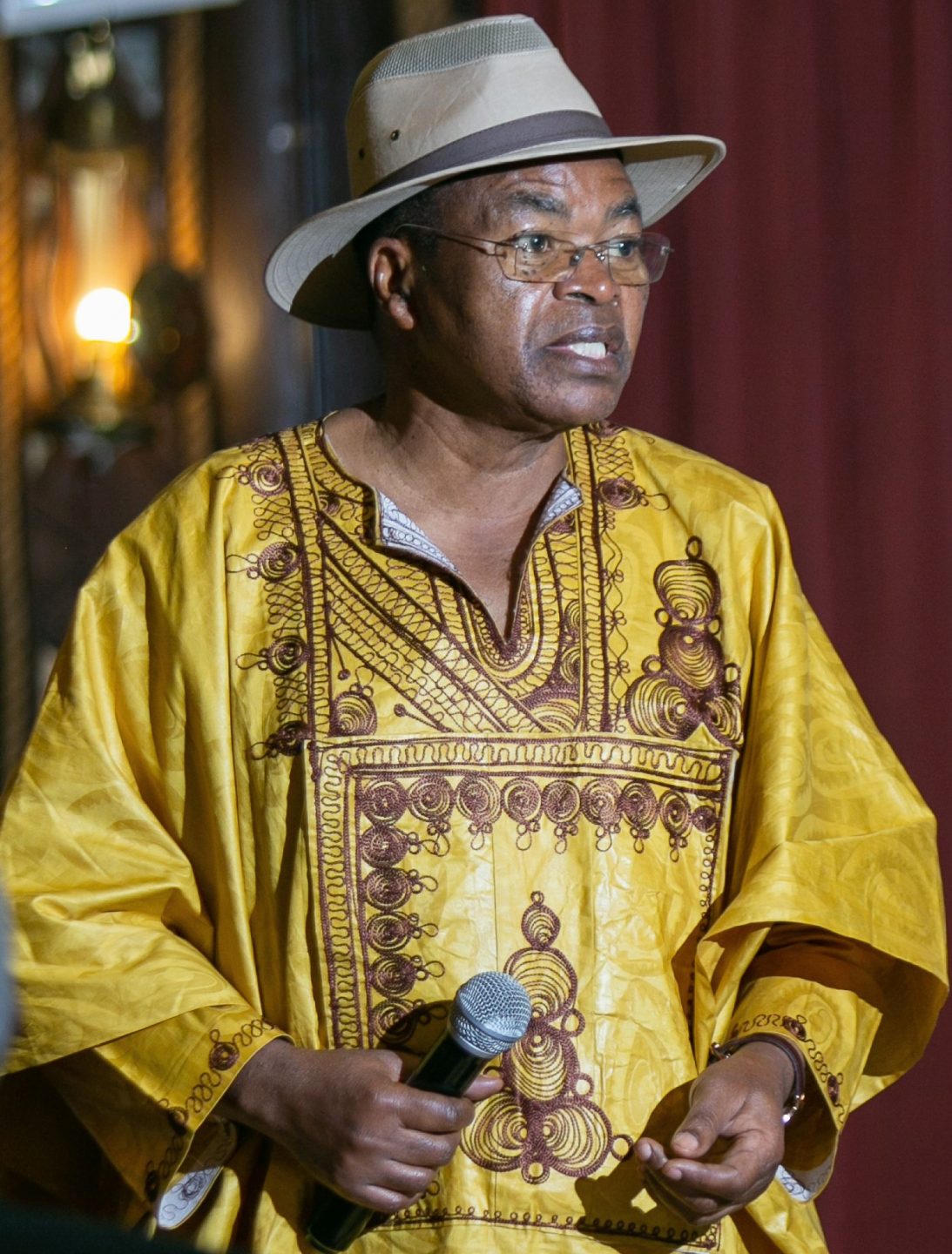
Prof. John S. Akama: Institutional Leadership and the Future of Higher Education
Prof. John S. Akama, former Vice Chancellor of Kisii University, added his extensive experience in university leadership and higher education development to the conference.
His contribution represented the institutional perspective of a seasoned academic leader who has witnessed the evolution of Kenya’s university sector and the growing expectations placed on universities to contribute directly to national and regional development. His presence alongside serving university leaders underscored the importance of institutional memory, experienced leadership and intergenerational knowledge transfer in strengthening Africa’s higher education ecosystem.
Beyond the University: Leadership, Investment and the Creative Economy
The academic voices were complemented by leaders whose work extends the development conversation into governance, business, investment and culture.
Prof. PLO Lumumba, SC, brought the moral and governance dimension through his Grand Keynote on “Advancing Transformational Leadership, Ethical Governance, and Africa’s Moral Renaissance.”
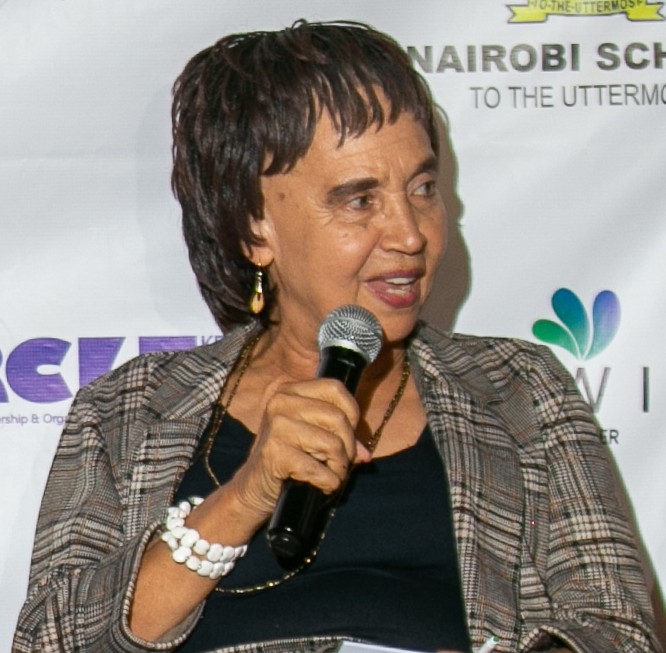
Prof. Dr. Maggie Kigozi of Uganda contributed the perspective of women’s leadership, entrepreneurship, investment and economic empowerment, drawing from a distinguished career spanning medicine, business and public-sector leadership.
Dr. Ezekiel Mutua, CEO of the Music Copyright Society of Kenya, expanded the conversation into the creative economy, intellectual property and cultural renaissance, demonstrating how Africa’s creativity can become both a cultural asset and an economic force.
Together, these leaders illustrated the breadth of the SMEGAfrica 2026 vision: from the university lecture hall to the laboratory, from the boardroom to the creative studio, and from governance institutions to communities, every sector has a role to play in reimagining Africa.
The message was clear: Africa’s universities must not merely prepare people for the future; they must actively help build that future.
The Mind is Africa’s Most Important Frontier
The conference then moved from institutions to the individual, exploring the connection between mental well-being, identity, leadership and community development.
Prof. Michael J. Freeland Jr., Founder and President of Mental Real-Of-State, World Civility Ambassador and Global Representative of iChange Nations, delivered a keynote titled “Mental Real-Of-State: Transforming Minds, Building Civil Societies, and Shaping a Better World.”
His intervention brought another important dimension to the African transformation conversation: societies cannot build strong institutions while neglecting the minds and emotional wellbeing of the people who lead and inhabit them.
“A transformed society begins with transformed minds. The quality of the communities we build is inseparable from the quality of the people we develop.”
That theme was deepened by Ugandan author and community development leader Ameria Momo Masiko, CEO of Trust Hands of Hope Ltd., whose keynote, “Healing Minds, Building Communities: Identity, Nature, Financial Inclusion and Community Transformation,” connected personal healing with broader social and economic development.
The ensuing panel on mental wellness, community development, leadership and inclusive growth demonstrated that Africa’s development conversation must account for the human being behind every statistic, institution and economic policy.
It was within this wider conversation about empowerment and economic agency that the experience of Prof. Dr. Maggie Kigozi, President of Business & Professional Women Uganda, Director of Crown Beverages Limited and Consultant to the United Nations Industrial Development Organization, added another important dimension.
A medical doctor by training who built an extensive career across medicine, business, education and investment, Prof. Kigozi represents a generation of African leaders who have crossed professional boundaries to create impact in multiple sectors. Her experience includes leadership at the Uganda Investment Authority, alongside extensive board and private sector experience.
Her presence strengthened the conference’s emphasis on women’s leadership, entrepreneurship, investment and the importance of building institutions that convert African talent into economic opportunity.
“Africa’s greatest resource is its people. When women are empowered to lead, invest, build businesses and participate fully in the economy, the continent expands its capacity to create prosperity.”

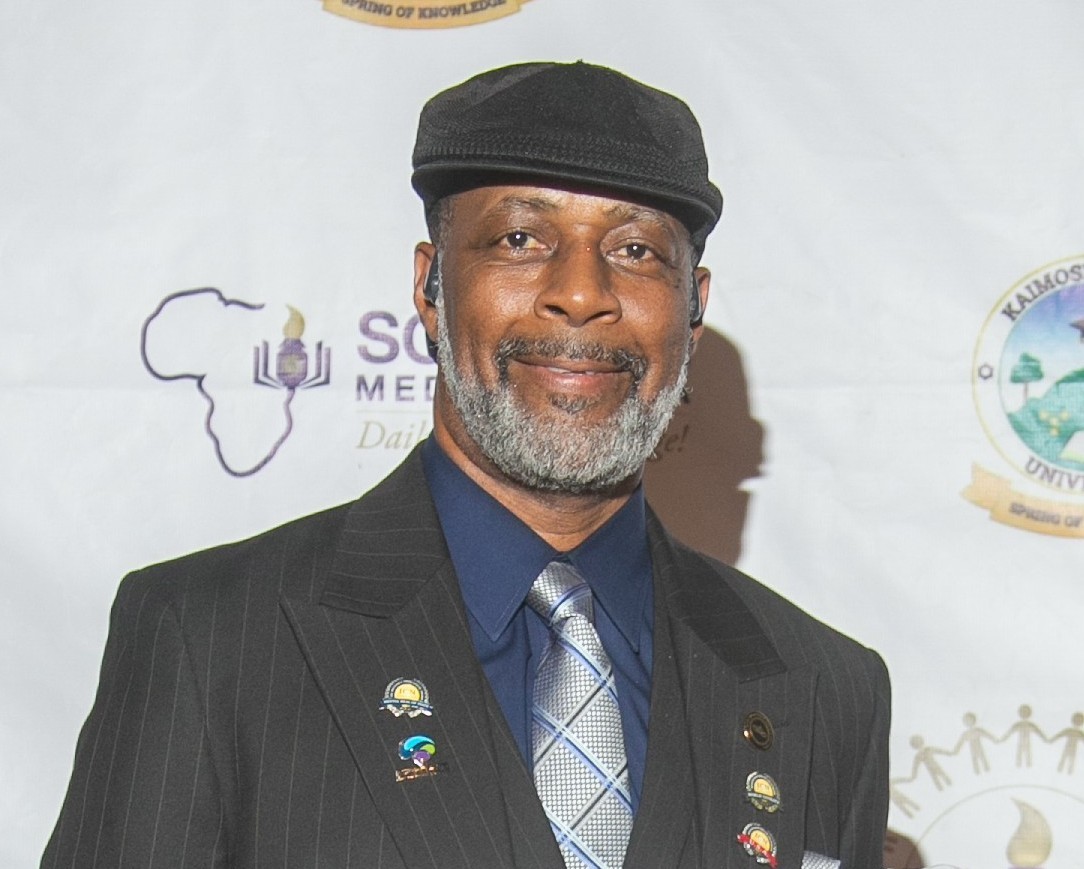
Bonny Shelton, popularly known as Cowboy 045, performs a special Scholar Media Africa rendition during the 2nd Annual Scholar Media Africa Conference and SMEGAfrica Excellence Awards 2026, captivating guests with a spirited performance that added music, creativity and celebration to the Pan-African gathering. PHOTO/SMEGAFRICA.
Africa’s Future Will Be Entrepreneurial, Digital and Connected
Day Three shifted the conversation decisively towards entrepreneurship, workforce development, technology and global partnerships.
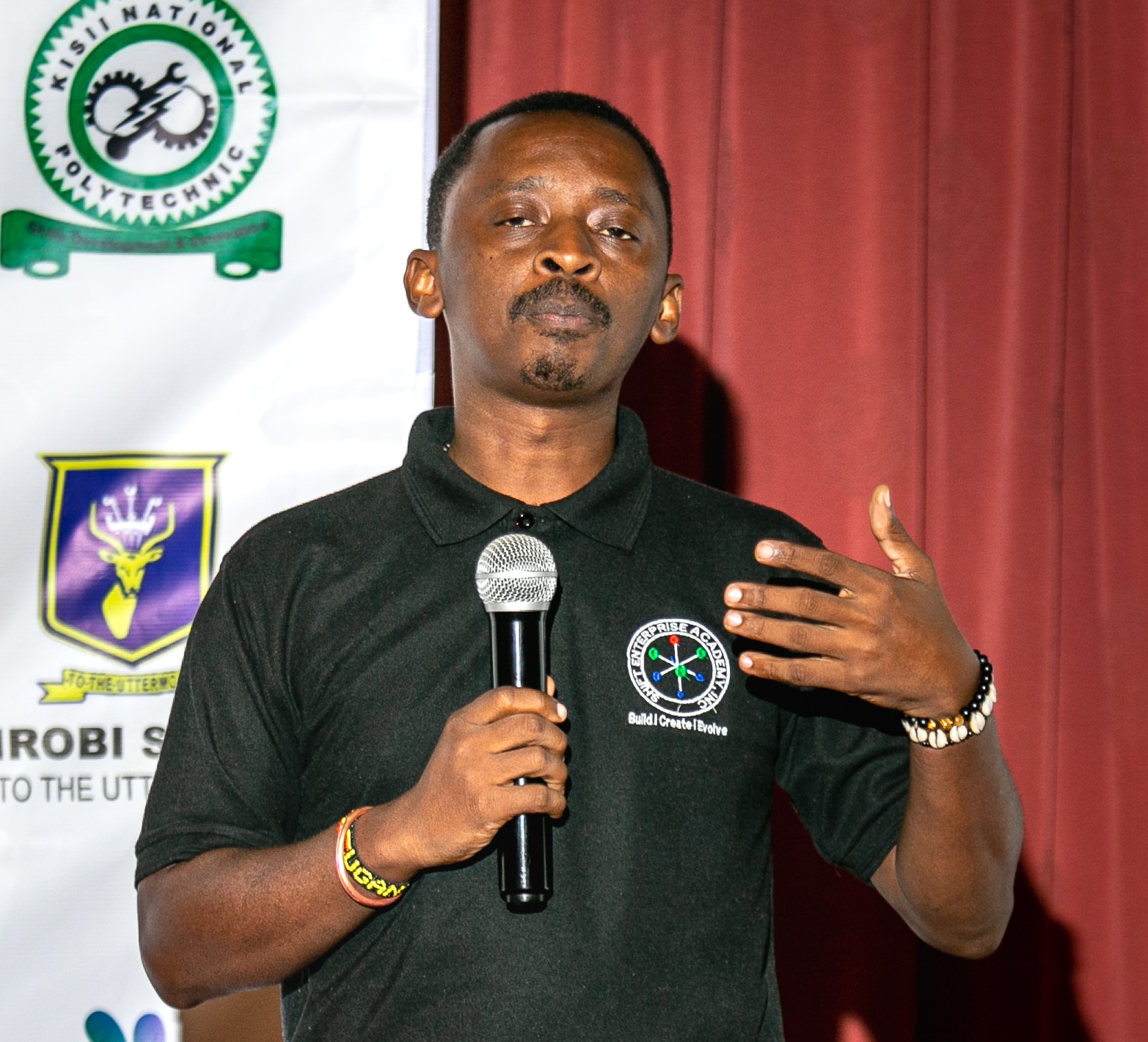
Mr. Ethan J. Brisby, Founder and Executive Director of SHIFT Enterprise Academy in the United States, opened the day with a keynote on “Building Bridges of Opportunity: Entrepreneurship, Workforce Development, and Africa Diaspora Partnerships for Inclusive Economic Growth.”
His subject spoke directly to one of the continent’s significant opportunities: leveraging Africa’s enormous youth population while building stronger economic and knowledge bridges with Africans and partners in the Diaspora.
“The relationship between Africa and its Diaspora must move beyond sentiment to structured partnerships that connect talent, enterprise, investment and workforce development.”
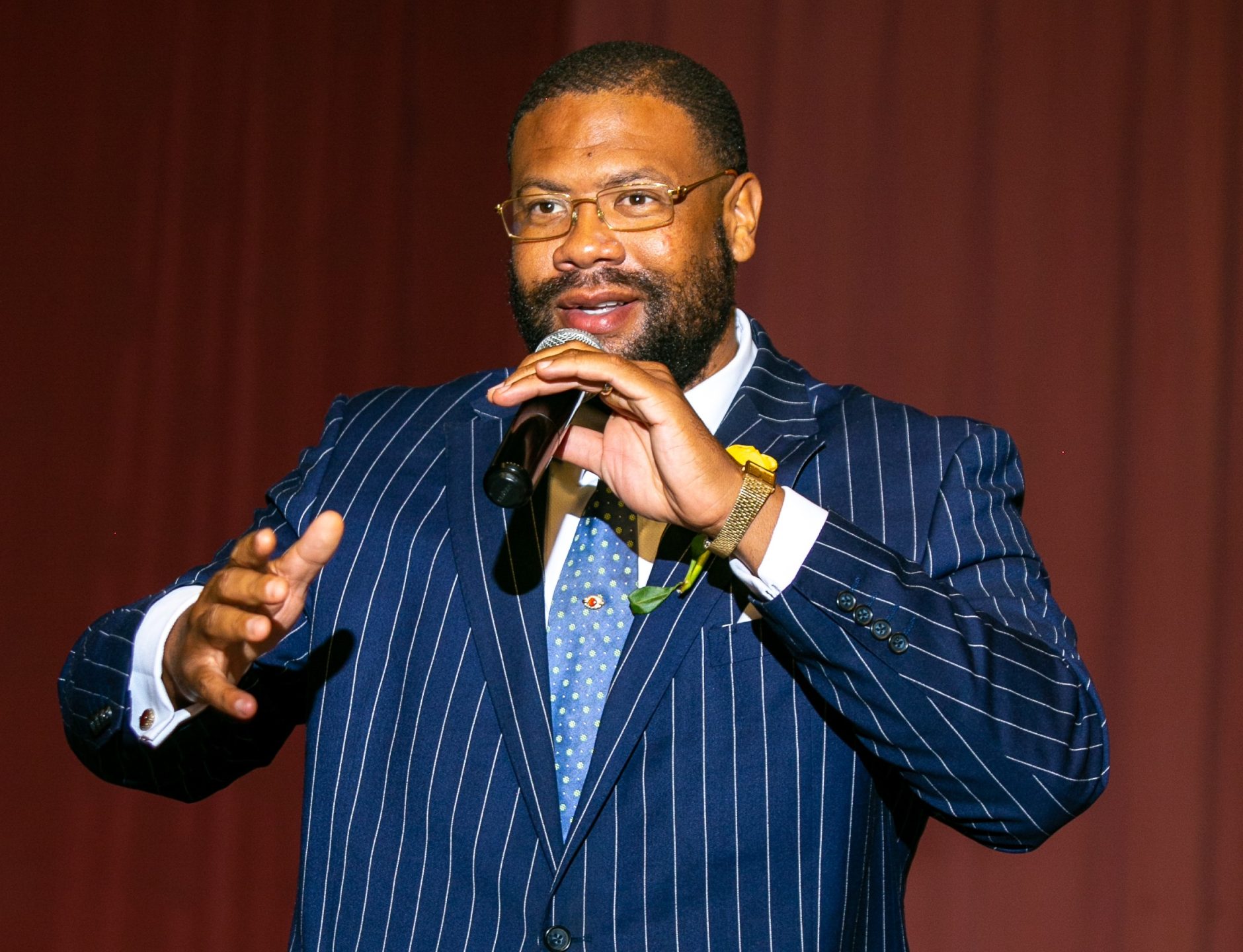
Mr. Roosevelt Williams III, CEO and President of Young Black & N’ Business, USA, followed with a keynote on “Empowering the Next Generation through Entrepreneurship, Leadership and Global Partnerships.”
The message was particularly relevant to a continent whose future belongs to a generation increasingly defined by entrepreneurship, digital connectivity and global networks.
“Young Africans should not be viewed merely as beneficiaries of development. They are entrepreneurs, innovators and leaders already creating the future, and they need platforms that allow their ideas to scale.”
A Continent Cannot Transform Without Peace, Health, Creativity and Responsible Citizenship
The intellectual breadth of the conference extended well beyond the conventional pillars of economic growth. It brought together voices whose work reflects another reality of African development: a prosperous continent must also be healthy, peaceful, socially conscious, technologically capable and confident in telling its own story.


Ameria Momo Masiko: Healing the Mind, Empowering Communities
For Ameria Momo Masiko, Ugandan author, mentor, financial inclusion advocate and community development leader, Africa’s transformation must begin with the people themselves. As CEO of Trust Hands of Hope Ltd. and author of Coping with Identity Crisis and Grow, Thrive, Heal, Masiko brought a deeply human perspective to SMEGAFRICA 2026, challenging the continent to recognise that sustainable development is not only about economic growth, technology or infrastructure, but also about healing minds, strengthening identity and empowering people to participate meaningfully in their communities and economies.
Through her keynote, “Healing Minds, Building Communities: Identity, Nature, Financial Inclusion and Community Transformation,” Masiko connected issues that are too often treated separately. Her message brought together mental wellbeing, identity, nature, financial inclusion and community development, demonstrating how individual resilience and collective prosperity are deeply interconnected.
Her contribution reinforced a powerful truth at the heart of the conference: a continent cannot achieve inclusive growth when its people remain excluded from opportunity, disconnected from their identity or unable to access the support and resources needed to thrive.
Masiko’s intervention therefore moved the conversation from simply asking how Africa can grow to asking who gets to grow, who gets to participate and what kind of people and communities Africa is building in the process.
“Africa’s transformation must begin with the human being. Heal the mind, strengthen identity, expand opportunity and empower communities to thrive.” — Ameria Momo Masiko
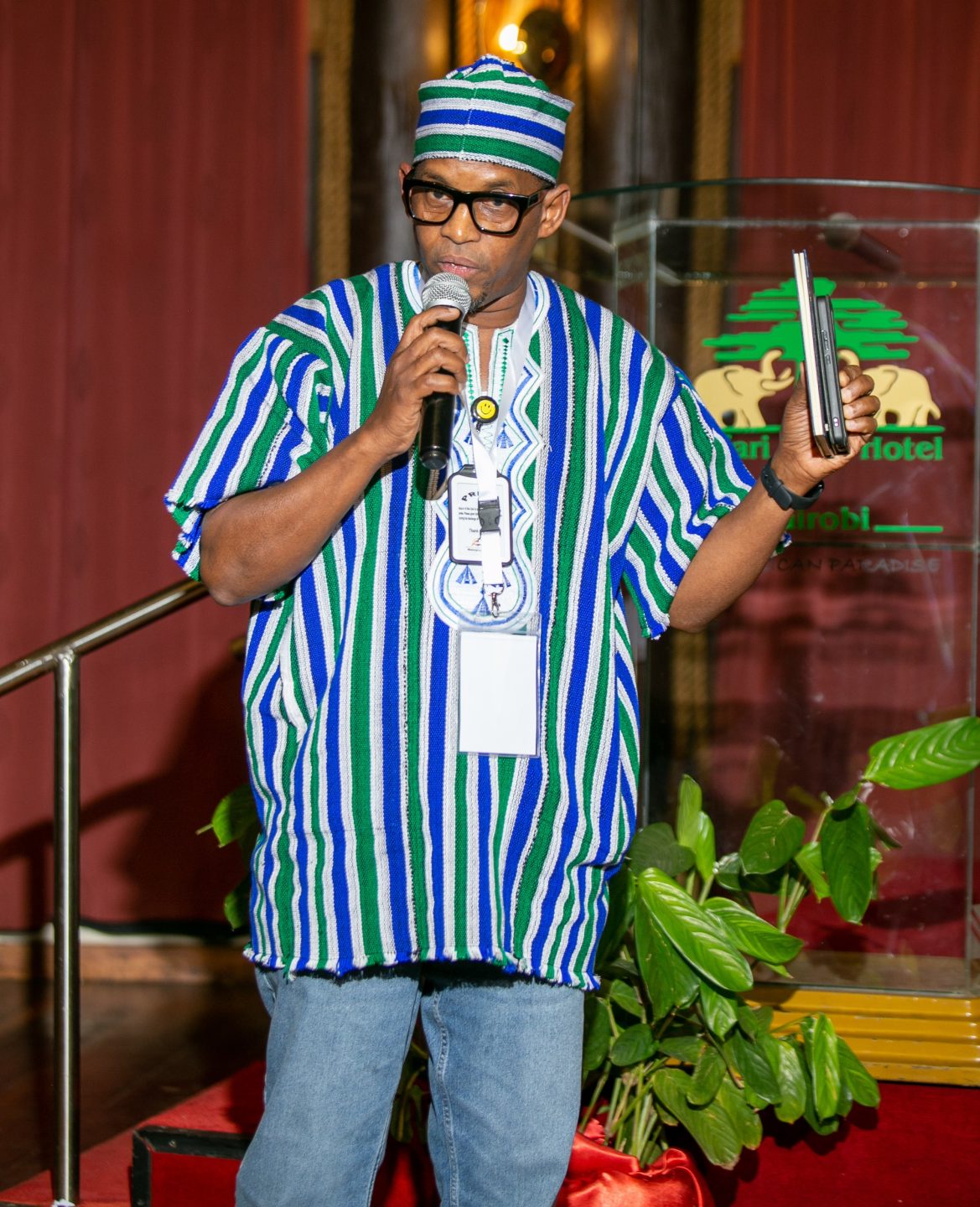
Alpha Amadu Jalloh: Africa Must Tell Its Own Story
For Alpha Amadu Jalloh, a Sierra Leonean author and public intellectual based in Australia, Africa’s story is inseparable from questions of identity, governance, social justice and the relationship between citizens and power. His work has consistently engaged with the realities shaping African societies, challenging readers to examine leadership, inequality, governance and the lived experiences of ordinary people.
Jalloh brought that perspective to the 2nd Annual Scholar Media Africa Conference 2026 gathering, where his participation took on an added literary significance. During the conference, he launched his book, Mr. President, Can We Talk? A Citizen’s Conversation with Power, a work that places the citizen at the centre of conversations about leadership and governance. The book launch became one of the conference’s notable intellectual moments when Prof. PLO Lumumba, SC, formally unveiled the publication, linking Jalloh’s literary intervention with the wider conference conversation on ethical leadership, accountable governance and responsible citizenship.
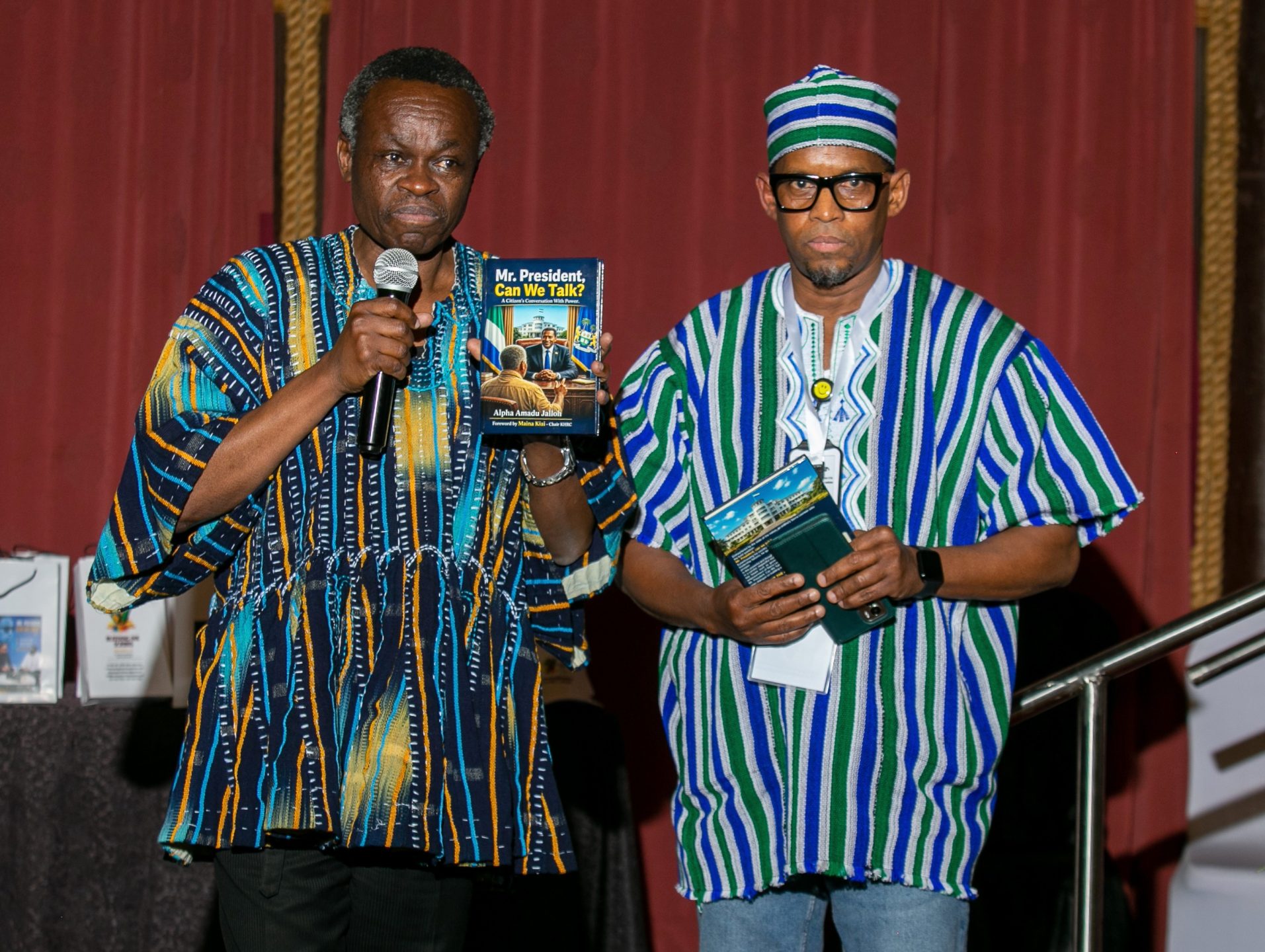
The symbolism of the moment was significant. An African author was placing the voice and questions of the citizen before an international audience, while one of the continent’s prominent voices on governance and ethical leadership unveiled a work centred on the relationship between citizens and those who exercise power.
The launch also demonstrated the important role of literature in advancing public discourse. Through Mr. President, Can We Talk? A Citizen’s Conversation with Power, Jalloh invites reflection on the responsibilities of leaders and citizens alike, and on the need for societies to create space for constructive questioning, accountability and dialogue.
Within the broader context of the 2026 conference, the book became part of a much larger conversation about the Africa that must be built: an Africa where citizens are informed and engaged, institutions are accountable, leaders listen and public power is exercised in service of the people.
“Africa must tell its own story with confidence, honesty and courage. Its citizens must have the freedom to question power, challenge injustice and participate meaningfully in shaping the societies they want to build.”
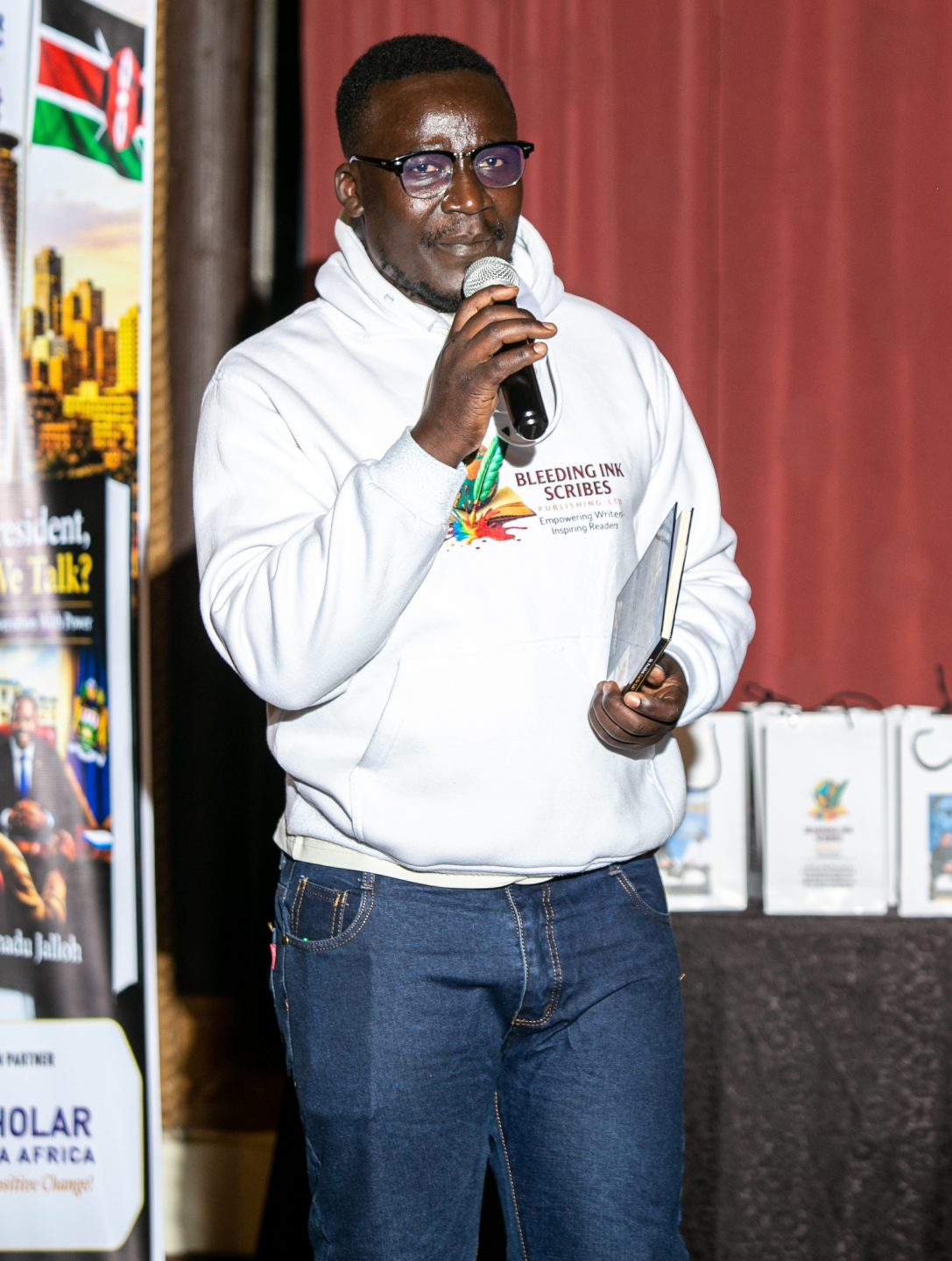
Jalloh’s contribution therefore extended beyond storytelling. His work represents the intersection of literature, citizenship and public consciousness at a time when Africa is increasingly defining its own narratives through books, journalism, digital platforms and public conversations.
In a continent undergoing profound political, economic and social change, the ability to ask difficult questions matters. So does the courage to document the answers.
And perhaps that is the deeper significance of Mr. President, Can We Talk?: a reminder that Africa’s transformation cannot be driven by leaders alone. It must also involve citizens who are willing to engage power, demand accountability and participate in shaping the continent’s future.
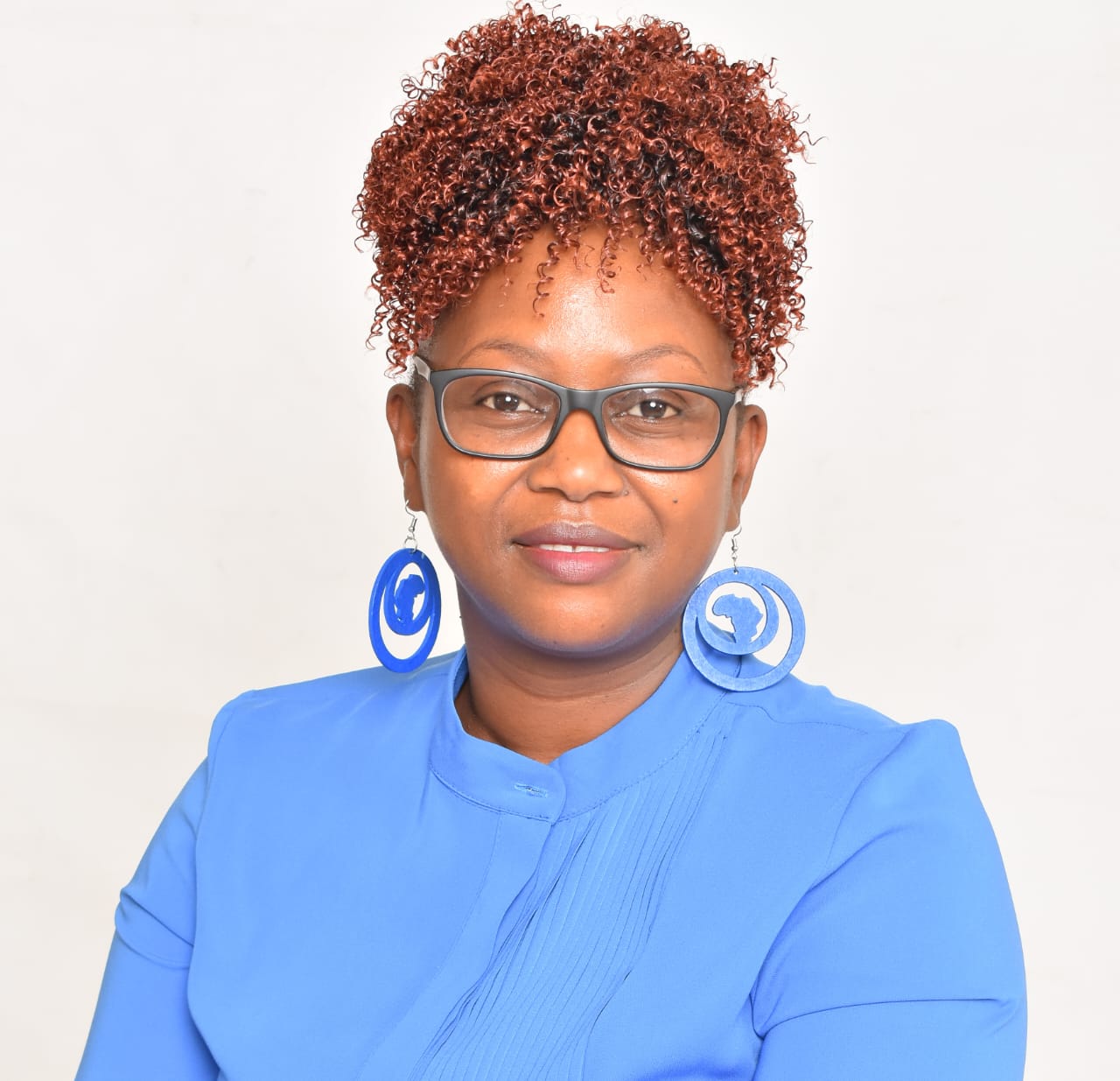

Audrey Chirenje: Stories Can Challenge the Norms That Hold Society Back
Zimbabwean author and publisher Audrey Chirenje, Founder and Managing Editor of Chances Inspiration Incorporated, brought another dimension to the role of storytelling.
Chirenje is an award winning author and has published multiple books. Her writing has explored relationships, family dynamics, social expectations, personal choices and the contradictions within contemporary society. In an interview, she described herself as inquisitive and someone who questions things, while commentary on her work has highlighted her willingness to interrogate social norms and subjects society often prefers to avoid.
That makes her contribution particularly relevant to the broader question of how narratives can influence social transformation.
Her work demonstrates that storytelling does not have to be confined to entertainment. It can become a mirror through which societies examine themselves.
“A powerful story does more than entertain. It makes society confront the questions it would rather avoid, challenges assumptions and reminds people that transformation often begins when we are willing to see ourselves differently.”
Through publishing and storytelling, Chirenje represents the growing community of African creators using literature and narrative to provoke reflection, inspire resilience and challenge inherited social assumptions.
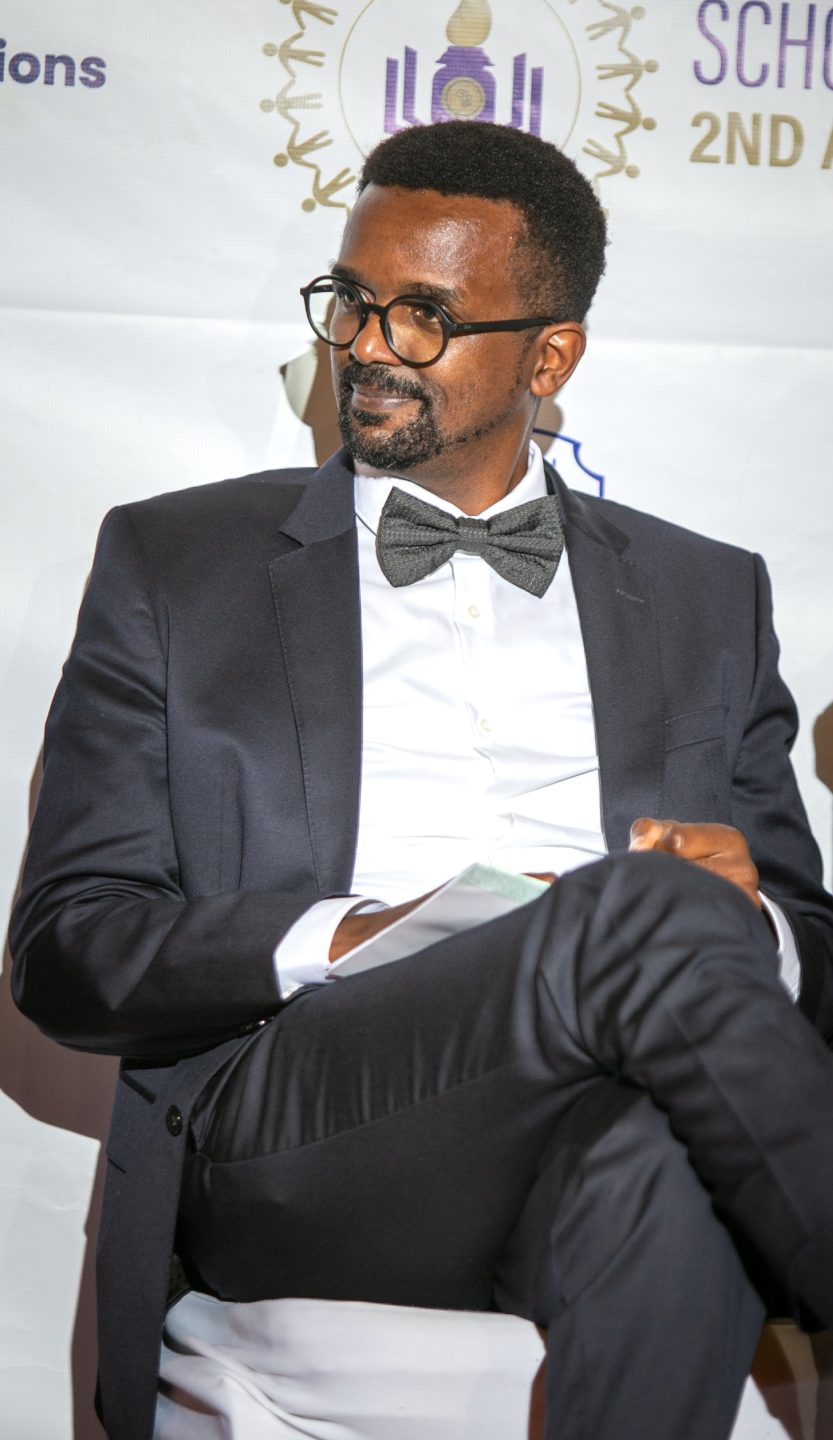
Dr. Joe Njagi: Healthcare Must Restore Dignity, Not Simply Treat Disease
The conversation on transformation became deeply human through the contribution of Dr. Joe Njagi, a Kenyan obstetrician and gynaecologist, laparoscopic surgeon and a leading voice in endometriosis and reproductive health.
His work through the African Centre for Endometriosis focuses on advanced gynaecological surgery, endometriosis care, research and the training of future specialists. The Centre also promotes surgical education and collaboration aimed at improving women’s healthcare in Africa.
His professional work illustrates an important dimension of inclusive development: access to specialised healthcare should not be regarded as a luxury.
Dr. Njagi has also been involved in international scientific forums and efforts to expand surgical expertise within Africa. Recent initiatives associated with the African Centre for Endometriosis have brought together international and African experts around endometriosis research, minimally invasive surgery and women’s health.
“Healthcare transformation must ultimately be measured by the lives and dignity it restores. African women deserve timely diagnosis, specialised treatment, compassionate care and access to medical expertise without having to cross continents to find it.”
This perspective places health firmly within the development agenda. A population cannot be economically productive when preventable or treatable health conditions are ignored, underdiagnosed or left without appropriate care.
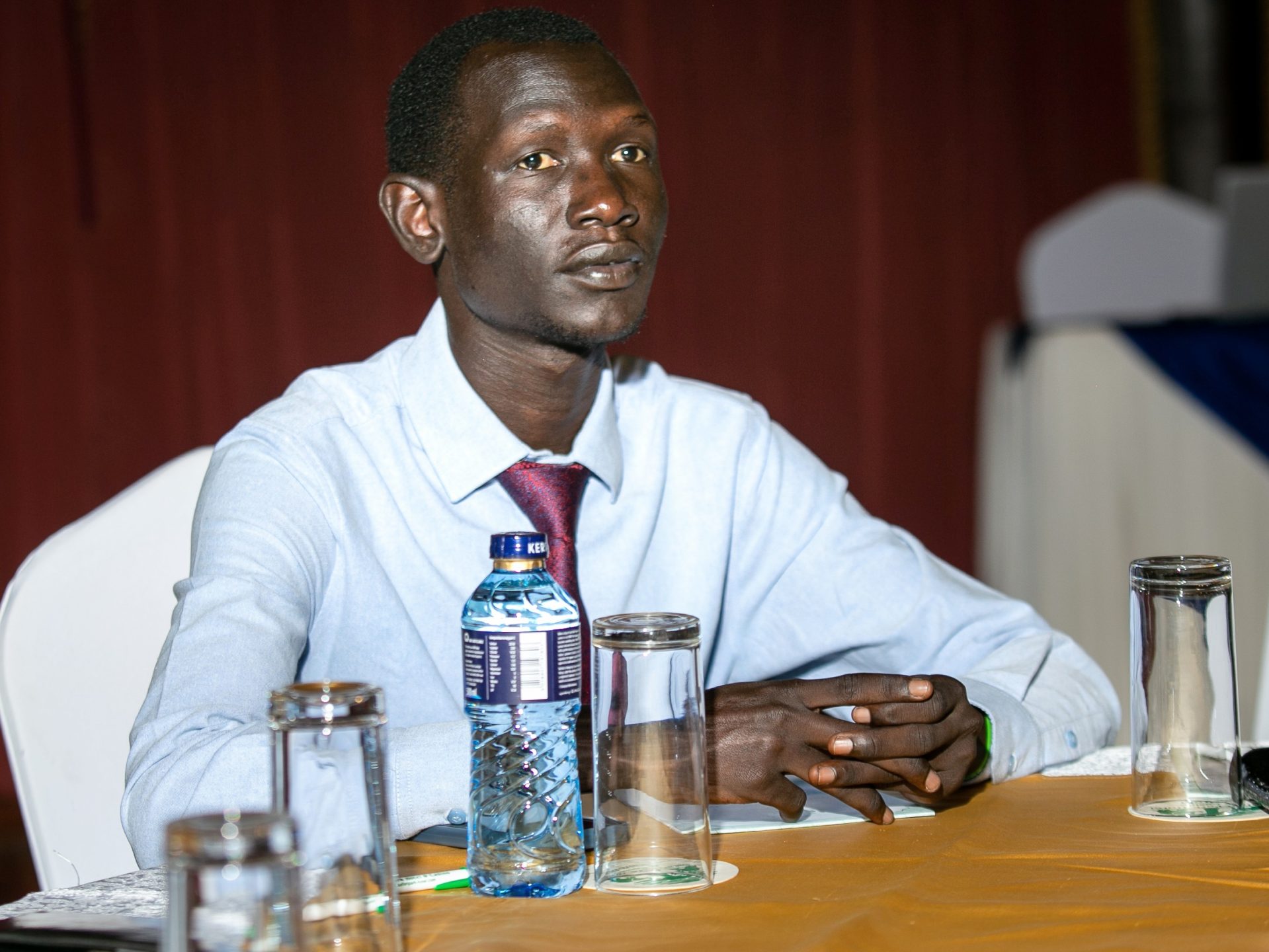
Adut Loi Akok: Education Must Become a Pathway to Transformation
From South Sudan came Adut Loi Akok, a Mastercard Foundation Scholar at the University of Rwanda and part of a generation of young Africans whose educational journeys are intertwined with the continent’s leadership ambitions.
The Mastercard Foundation Scholars Program at the University of Rwanda explicitly seeks to support academically talented and service oriented young people facing social and economic barriers, while helping them transition into dignified work and develop their leadership potential. Its stated mission is to cultivate ethical and transformative leaders capable of contributing to Africa’s transformation.
Akok’s presence therefore represented more than individual academic achievement. It reflected the wider question of what happens when talented young Africans are given access to education, networks and platforms that enable them to participate in shaping the continent.
The University of Rwanda’s Mastercard Foundation programme has also highlighted Akok as a poet and author using his talent to inspire and impact communities.
“Education should not end with personal advancement. It should equip young Africans with the knowledge, confidence and responsibility to return value to their communities and become part of solving the challenges facing the continent.”
His story connects directly with the conference’s wider emphasis on youth leadership. Education becomes most powerful when it produces not only graduates, but citizens capable of creating change.
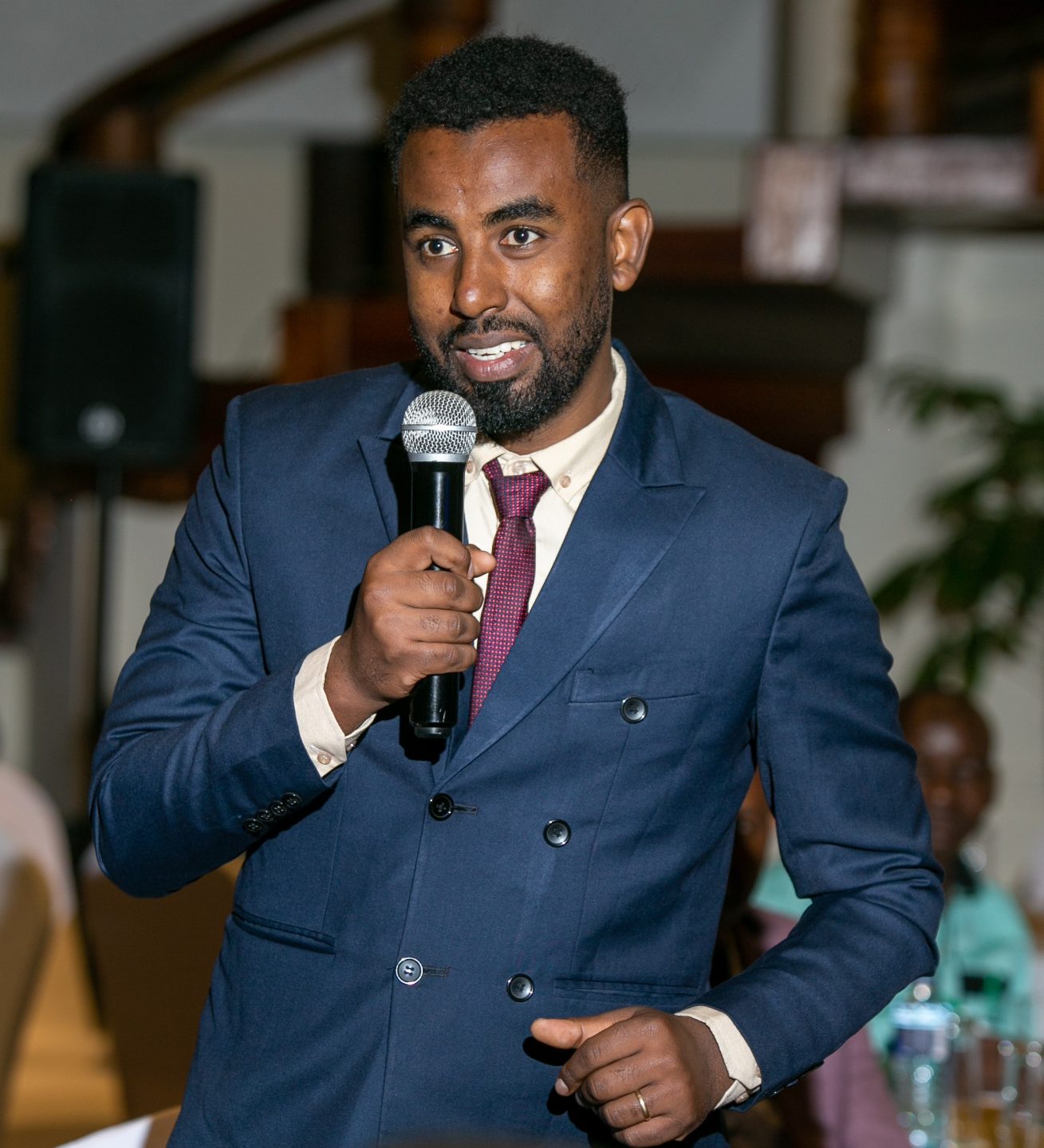
Natnael Dechasa Gemeda: Innovation Must Restore Human Dignity
Ethiopian innovator Natnael Dechasa Gemeda, Founder and CEO of Afrima Wellness, brought a perspective centred on wellness, health and human potential.
His work has also extended into health innovation. Gemeda is identified as the founder of ReMotion Mobility, an initiative developing locally manufactured, 3D printed prosthetics designed specifically for Ethiopia, with the stated aim of making prosthetic care dramatically more affordable and accessible. The initiative reports substantial cost reductions compared with imported alternatives and focuses on expanding access to underserved populations.
This is precisely the kind of innovation that moves beyond technology for its own sake.
It asks a more important question: Who benefits from innovation?
When technology can reduce the cost of prosthetic devices and bring them closer to people who might otherwise struggle to access them, innovation becomes a tool for dignity and inclusion.
“The true measure of innovation is not how sophisticated a solution looks, but how effectively it improves human life. African innovation must make dignity, accessibility and affordability central to the solutions we create.”
Gemeda’s work illustrates the potential of African innovators to design solutions around local realities rather than simply importing models developed elsewhere.
Dr. Taliat Kola Talent: Building Bridges Between Institutions, Communities and Opportunity
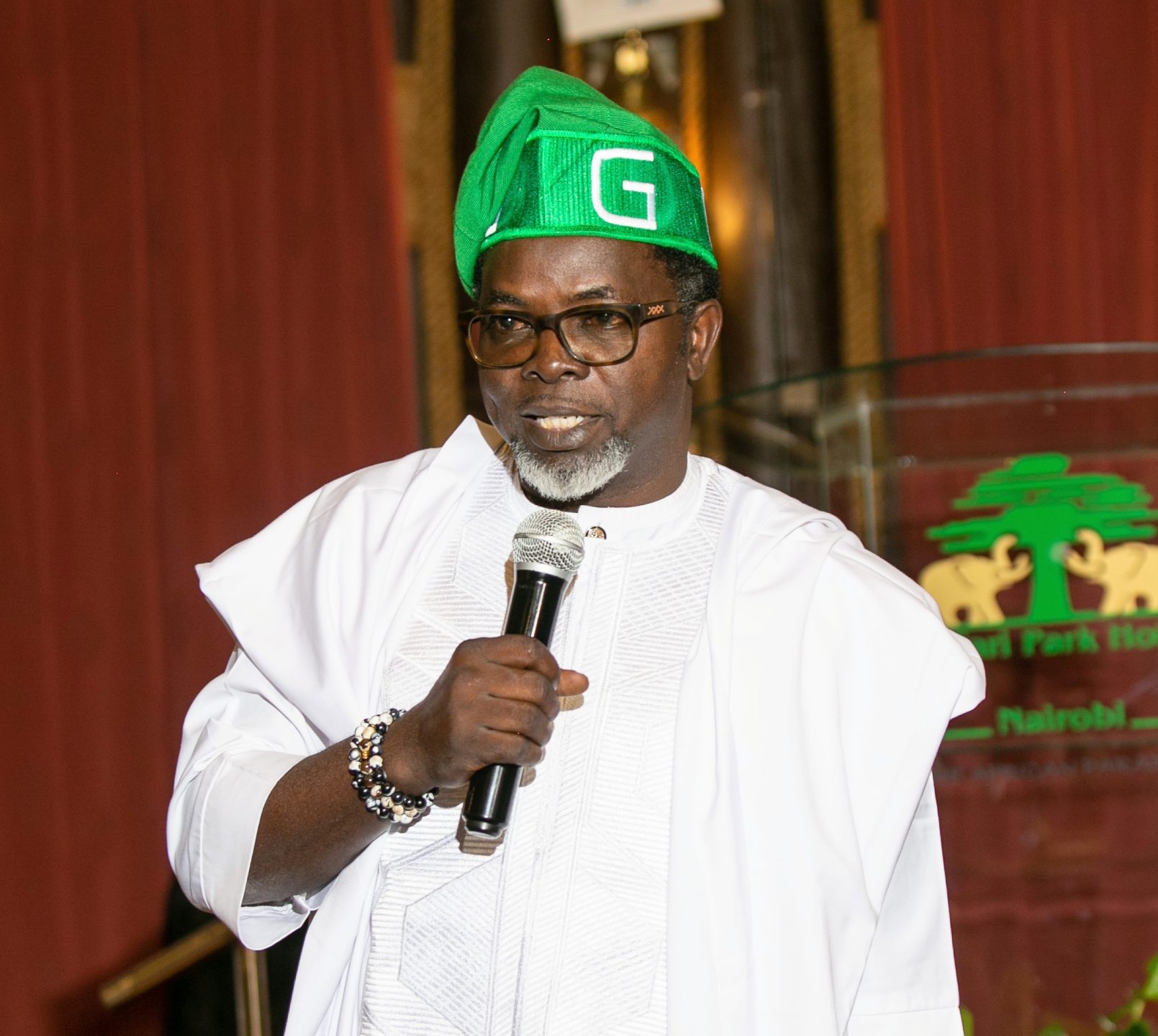
Dr. Taliat Kola Talent, Special Assistant on Special Duties to the Postmaster General and CEO of the Nigerian Postal Service (NIPOST), Abuja, Nigeria, brought to SMEGAfrica 2026 a perspective that extended beyond technology and public service into the broader questions of peace, community engagement, responsible citizenship and inclusive development.
His work reflects an understanding that institutional transformation cannot be separated from the people institutions are created to serve. Equally significant is his leadership within the Police Community Relations Committee (PCRC), where his efforts have contributed to strengthening collaboration between law enforcement agencies and communities through trust building, dialogue, security awareness, peaceful conflict resolution and community participation in public safety.
This bridge building between institutions and citizens represents an important dimension of the servant leadership conversation that ran through the conference. Strong communities are not created by institutions working in isolation. They emerge when citizens, public agencies and other stakeholders develop relationships built on trust, communication, shared responsibility and mutual respect.
Beyond his public service responsibilities, Dr. Talent’s commitment to youth development, education, mentorship, humanitarian service and community empowerment further reflects a broad understanding of leadership as service. His appointment as an African Union Agenda 2063 Ambassador also speaks to his engagement with the continent’s wider aspirations for peace, unity, good governance and sustainable development.
His contribution therefore placed technology and institutional innovation within a much wider development framework. Digital transformation can improve access and efficiency, but sustainable development also requires societies capable of building trust, resolving differences peacefully and ensuring that communities participate in shaping the institutions that affect their lives.
“Africa’s transformation must be built on trust between institutions and the people they serve. Technology can improve systems, but lasting progress requires inclusive leadership, responsible citizenship, peaceful dialogue and communities empowered to participate in their own development.”
Dr. Talent’s work demonstrates that peace is not simply the absence of conflict. It is strengthened through relationships, dialogue, participation and a shared sense of responsibility. His experience in community relations, youth empowerment and public service reinforces the idea that social cohesion is itself an important foundation for inclusive growth.
At SMEGAfrica 2026, his perspective added a human and institutional dimension to the conference’s broader discussions on Africa’s transformation. It underscored the need for leaders who can move between institutions and communities, listen across different constituencies and turn leadership into practical service.
In that sense, Dr. Talent’s contribution speaks to a deeper proposition at the heart of Africa’s development journey: peaceful and prosperous societies are built when leadership becomes a bridge rather than a barrier, institutions earn public trust and citizens are given meaningful space to participate in shaping their communities and continent.

Amb. Dominic Obadiah: Diplomacy, Civility and the Art of Building Bridges
Amb. Dominic Obadiah brought to SMEGAfrica 2026 a perspective grounded in humanitarian diplomacy, civility, peacebuilding and community engagement, areas that have defined much of his work across Kenya and beyond. Scholar Media Africa previously profiled him as a change agent advocating for peace, humanitarian diplomacy, mental health and civility. He has also been recognised as a World Civility Ambassador by iChange Nations, an international organisation focused on building cultures of honour and civility.
Amb. Obadiah is the Founder and President of Civility Voice Diplomats, an organisation whose work places peace, civility and humanitarian values at the centre of leadership and public engagement. Recent Kenyan media reports have also identified him in that capacity.
His diplomatic work is complemented by his role as a Humanitarian Diplomat and his affiliation with the International College of Peace Studies, where he undertook training in humanitarian diplomacy, diplomatic etiquette and protocol, and humanitarian diplomatic chaplaincy. His stated focus has included engaging decision makers and policy leaders on humanitarian issues while promoting principles such as neutrality, impartiality, independence and humanity.
Civility, for Obadiah, is not simply about courtesy. It is a practical tool for building relationships across differences, preventing conflict and creating environments in which people can listen to one another with dignity. His work with young people is particularly significant. He has visited hundreds of schools across Africa, using mentorship and leadership programmes to encourage young people to take responsibility for their ambitions and communities, while also warning against the manipulation of youth into political violence.
His humanitarian work further demonstrates the practical side of his philosophy. Through Civility Voice, he has advocated for vulnerable and underprivileged communities, mobilising support for basic needs, housing and education. He has also been involved in peace parades and youth peace education initiatives.
His international outlook is also reflected in his work connecting people, organisations and communities across borders. His professional profile describes him as a World Civility Ambassador and highlights negotiation, public speaking, strategic planning and leadership development among his areas of expertise.
“Diplomacy begins with the ability to listen, understand and build bridges across differences. Civility gives diplomacy its human face, reminding us that peace is not sustained by agreements alone, but by respect, dialogue, empathy and a willingness to see the humanity in others.”
That perspective fits powerfully within the intellectual architecture of SMEGAfrica 2026. Africa’s transformation requires more than economic growth, technological innovation and stronger institutions. It also requires the social trust necessary for people, communities and nations to work together.
For Obadiah, civility becomes a form of leadership. It challenges leaders to choose dialogue over division, collaboration over confrontation and service over self interest. His work also demonstrates how diplomacy can extend beyond government offices and formal international negotiations into communities, schools, humanitarian initiatives and everyday relationships between citizens.
His broader philosophy is captured in his advocacy for inclusivity and equal opportunity. In an earlier interview with Scholar Media Africa, he argued that inclusivity should be central to development because every child deserves an opportunity to flourish.
At a time when Africa continues to navigate political tensions, social divisions, youth unemployment, inequality and cross border challenges, his contribution offered an important reminder: peace is built in the spaces where people learn to trust, listen and engage one another with dignity.

Amb. Dr. Tabitha Mogonchi: Empowering Girls Through Education
Amb. Dr. Tabitha Mogonchi, Chief Principal of Kereri Girls High School, brought an education and girls’ empowerment perspective to SMEGAfrica 2026 through her contribution to a high level panel discussion.
Her intervention underscored the role of schools in developing not only academically capable students, but also confident, disciplined and responsible young leaders. Her leadership at Kereri Girls reflects a commitment to creating opportunities for girls to discover their abilities and prepare for meaningful participation in society.
“Education must go beyond examinations. It must build confidence, character and leadership, giving every girl the opportunity to discover her potential and use it to transform her community and country.”
Her contribution reinforced the conference’s wider focus on empowering minds as a foundation for Africa’s inclusive development, with education remaining one of the continent’s most powerful tools for unlocking the potential of its young people.

Dr. Kennedy Momanyi Bosire: Preserving Language, Identity and Heritage
Dr. Kennedy Momanyi Bosire, a cultural preservation ambassador, brought to SMEGAfrica 2026 a powerful perspective on the place of language, indigenous knowledge and cultural identity in Africa’s development.
His contribution is anchored in decades of work documenting and preserving Ekegusii, including authoring the first comprehensive Ekegusii English dictionary and linguistic data. His pioneering work has been recognised nationally, with the 2025 Mashujaa honours recognising him for preserving indigenous knowledge and inspiring other writers to produce literature in Ekegusii.
Bosire has also served as the Project Director of the Ekegusii Encyclopedia Project, an initiative dedicated to documenting, preserving, archiving and promoting the language and indigenous knowledge of the Abagusii.
His work demonstrates that cultural preservation is not about resisting modernity. It is about ensuring that communities enter the future without losing the knowledge, language, values and identity that give them a sense of belonging. His scholarship has positioned language as a vessel of history and collective memory, while his community engagement has connected elders, educators and young people in conversations about cultural continuity and development.
“When a people lose their language, they risk losing a significant part of their memory, identity and wisdom. Preserving our indigenous languages and knowledge is therefore not a journey into the past; it is an investment in the generations that will carry Africa’s identity into the future.”
Dr. Bosire’s contribution reinforced a critical dimension of the conference’s theme: Africa cannot truly reimagine itself without understanding and valuing the heritage from which its people draw their identity, resilience and collective strength.

Ptr. Dr. Kennedy Saeta Obondi: Nurturing Character, Faith and Responsible Leadership
Ptr. Dr. Kennedy Saeta Obondi, The Archimandrite and Chief Chaplain at Mwongori Senior School, brought a faith, values and character development perspective to SMEGAfrica 2026.
His contribution highlighted the important role of spiritual and moral guidance in shaping young people into disciplined, responsible and compassionate citizens. As a chaplain working within an educational environment, his role goes beyond religious instruction to include mentorship, counselling, character formation and helping young people navigate the personal and social pressures that accompany their development.
Dr. Obondi’s professional profile also reflects his broader engagement in humanitarian service, chaplaincy and leadership.
“Education must develop more than the intellect. We must nurture character, values, compassion and a sense of responsibility, because the leaders Africa needs tomorrow must be prepared not only to succeed, but also to serve.”
His contribution reinforced a critical dimension of the conference’s focus on empowering minds: Africa’s transformation requires young people who possess knowledge and skills, but who are equally grounded in integrity, empathy, discipline and a commitment to the common good.


Juster Kagendi: Turning Education into a Platform for Empowerment
Juster Kagendi, an English and Literature teacher at Mang’u High School and Co-founder of BloomBells Charity, represents the powerful intersection of education, mentorship and community service.
Her work with BloomBells has focused particularly on keeping girls in school by addressing period poverty, combining the provision of menstrual hygiene products with menstrual health education and efforts to improve sanitation in underserved schools. The organisation has reached thousands of girls and worked with schools across several counties to reduce the barriers that menstruation can create for education.
For Kagendi, the classroom and community are interconnected. Her experience as an educator has informed her commitment to ensuring that vulnerable girls are not forced to choose between their education and basic necessities. Through BloomBells, she has also advocated for breaking the silence and stigma surrounding menstruation and creating environments where girls can pursue their education with confidence and dignity.
“Every girl deserves the opportunity to learn without shame, interruption or barriers created by circumstances beyond her control. When we protect a girl’s dignity and keep her in school, we are not only changing her life; we are investing in the future of our communities.”
Kagendi’s contribution reinforces a central principle of the SMEGAfrica 2026 conversation: inclusive growth begins when education becomes accessible not only in principle, but in the lived realities of young people. Empowering girls requires classrooms, supportive communities and leaders willing to confront the social and economic barriers that prevent them from reaching their potential.

Japhet Nyakenyanya: Putting Psychology at the Heart of Safer Communities
Japhet Nyakenyanya, a Police Psychologist with the National Police Service (NPS), brought a vital mental health, family and youth development perspective to the broader conversation on Africa’s social wellbeing.
His work sits at the intersection of psychology, juvenile behaviour, parenting and community safety. In his professional writing, Nyakenyanya has highlighted the psychological and social factors behind destructive behaviour among young people, including school unrest, while advocating for stronger parenting, mentorship, family relationships and psychosocial support.
His perspective is particularly relevant at a time when schools and communities are confronting increasing concerns around youth behaviour, mental wellbeing, family dynamics and social cohesion. Rather than viewing young people only through the lens of discipline or punishment, his approach emphasises understanding the underlying factors influencing behaviour and creating supportive interventions that can help young people make healthier choices.
“We cannot build safe and resilient communities by responding to young people only when problems emerge. We must understand their psychological and social realities, strengthen families, provide mentorship and create spaces where young people can develop the resilience and responsibility to navigate life’s challenges.”
Nyakenyanya’s contribution reinforces an important dimension of Africa’s transformation: mental and psychosocial wellbeing must be treated as part of community development and public safety, not as an afterthought. When families, schools, communities and institutions work together to understand and support young people, they create stronger foundations for responsible citizenship and peaceful societies.

Multiple Voices, One Larger African Conversation
Taken together, the contributions offered a powerful and multidimensional reflection on Africa’s transformation. Their areas of expertise may differ, but their perspectives converge around one fundamental principle: development must ultimately improve the quality of human life.
This makes the argument that economic growth which leaves people behind cannot be the final definition of development particularly compelling. Africa needs stronger and more resilient economies, but it equally needs healthier citizens, inclusive societies and institutions that place human dignity at the centre of progress.
It needs technology, but technology that solves real problems and serves communities. It needs education, but education that goes beyond qualifications to inspire innovation, leadership and meaningful transformation. It needs stories, but stories that give Africans the confidence and platforms to define themselves and shape how the continent is understood. It needs innovation, but innovation that moves beyond ideas and reaches the people and communities who need it most.
Above all, Africa needs a generation of young people who are not merely invited to conversations about the continent’s future, but are equipped, empowered and trusted to participate meaningfully in building it. In that sense, the diverse contributions formed interconnected pieces of a much larger African conversation, one centred on people, purpose and a more inclusive vision of progress.
The Moral Question at the Centre of Africa’s Transformation
Then came the grand keynote.
Prof. PLO Lumumba, SC, Founder and Chairman of The PLO Lumumba Foundation and Founding Partner of Lumumba & Lumumba Advocates, delivered the Grand Keynote Address on “Advancing Transformational Leadership, Ethical Governance, and Africa’s Moral Renaissance.”
His subject brought the conference back to the question underlying almost every session: Africa’s transformation ultimately depends on the quality of its leadership.
Technology alone cannot transform a continent. Neither can education, entrepreneurship or investment. They require ethical leadership, accountable institutions and citizens committed to the common good.
“Africa’s transformation will ultimately be judged by the character of its leadership. Ethical governance, accountability and a renewed commitment to the common good must stand at the centre of the continent’s development.”
The address provided a fitting intellectual conclusion to a conference that had spent three days examining the building blocks of development.
The Young Must Be Part of the Conversation
The conference deliberately placed young Africans at the centre of the conversation through the Youth Leadership Panel on “Young Africans Shaping the Continent’s Future,” while also giving emerging voices opportunities to contribute through presentations, dialogue and wider conference engagements.
Among the young participants was Quill Omondi, President Emeritus (2025/2026) of the Great Lakes University of Kisumu Students Association (GLUKSA). His participation represented the voice of students and emerging leaders navigating higher education while preparing to take on greater responsibilities in society. His presence reinforced the importance of giving young people platforms where they can articulate their ideas, engage experienced leaders and contribute to conversations about the continent’s direction.

Naomi Moraa, a high school teacher and recipient of the 2025 SMEGAfrica Excellence Voice of Influence Award, brought another important dimension to the youth conversation. Her experience working within the education system places her at the intersection of teaching, mentorship and youth development. Her participation demonstrated that young leadership is not confined to entrepreneurship or technology. It is also expressed in classrooms, through the influence educators have on the confidence, aspirations and values of the next generation.
Mercy Langas, a Youth Advocate, added a further perspective centred on youth participation and representation. Her engagement reflected the growing demand for young Africans to be recognised not merely as recipients of programmes and policies, but as active participants in shaping the decisions and conversations that affect their lives and communities.
Together, these young voices broadened the meaning of youth leadership at 2nd Annual Scholar Media Africa Conference 2026. From university student leadership and education to advocacy and community engagement, their participation demonstrated the many spaces in which young Africans are already exercising influence.
“Africa’s youth are not waiting for permission to participate in the continent’s transformation. They are already leading in classrooms, universities, communities, businesses and civic spaces. What they need is not simply to be spoken about, but to be heard, trusted, equipped and given meaningful room at the table.”

That shift in thinking is important.
For decades, young Africans have often been discussed primarily as a demographic challenge, an employment challenge or a group requiring intervention. Yet the experiences represented by Quill Omondi, Naomi Moraa and Mercy Langas point to a different reality. Young people are already contributing as student leaders, educators, advocates, innovators and community builders.
The more consequential question, therefore, is not whether Africa has a young population, but how deliberately the continent invests in the knowledge, leadership, creativity and agency of that generation.


SMEGAfrica’s decision to place young people within the conference programme was consequently more than a gesture of inclusion. It reflected a recognition that Africa’s transformation must be intergenerational. Experienced leaders bring institutional memory and knowledge, while younger generations bring new perspectives, energy and an intimate understanding of the rapidly changing social, technological and economic landscape.
The challenge is to bring these strengths together.
Africa does not need young people merely sitting in conference halls listening to conversations about their future. It needs them helping to shape those conversations, challenge assumptions, propose solutions and participate in building the institutions and economies they will inherit.


From Conversation to Commitment
The gathering did not end with speeches.
A conference communiqué brought together key learnings, resolutions and the proposed way forward, while the conference identified stronger Africa wide partnerships and collaborations, practical policy and leadership recommendations, enhanced knowledge exchange, increased Africa Diaspora collaboration and recognition of exceptional leaders among its expected outcomes.
The SMEGAfrica Excellence Awards Gala Dinner provided the ceremonial conclusion, recognising exceptional leaders and institutions for their contributions to Africa and the global African community.
But the significance of the gathering extended beyond the awards.
Its deeper contribution was the creation of a space where different sectors could speak to one another.
Where education could meet entrepreneurship.
Where technology could meet inclusion.
Where creativity could meet intellectual property.
Where mental wellness could meet leadership.
Where youth could meet opportunity.
Where African and Diaspora perspectives could meet around shared possibilities.
The conference demonstrated that reimagining Africa cannot be the responsibility of one institution, one sector or one generation.
It requires the scholar who generates knowledge, the teacher who equips minds, the entrepreneur who creates jobs, the researcher who produces evidence, the technologist who builds solutions, the journalist who shapes narratives, the woman who leads against the odds, the young person who refuses to wait for permission and the leader who understands that influence is ultimately a responsibility.
The conversations in Nairobi therefore carried a significance that extended beyond three days.
They reflected a continent wrestling honestly with its contradictions while refusing to surrender its possibilities.


Africa has the people. It has the ideas. It has the talent. It has the creativity.
It has an increasingly connected youth population, a growing technology ecosystem, universities and research institutions, entrepreneurs and a global Diaspora with skills, networks and capital.
The challenge is turning these assets into systems that work.
That requires investment in education and research. It requires stronger institutions. It requires access to capital. It requires policies that allow businesses to grow. It requires protection for creators. It requires meaningful inclusion of women and young people. It requires responsible communication. And above all, it requires leadership that places the public interest above personal gain.
That was the deeper conversation beneath the many conversations at SMEGAfrica 2026.
Reimagining Africa is not about imagining a different continent. It is about making different choices about the continent we already have.
The Nairobi gathering offered ideas, perspectives and partnerships.
The real test now lies beyond the conference hall: whether those ideas will become policies, businesses, research, innovations, institutions, opportunities and measurable improvements in people’s lives.
That is where the work of reimagining Africa truly begins.


Steering the Dialogue: Jairus Kibagendi and Maganda Evans Tabingwa Shape SMEGA’s Pan African Conversation
The conference proceedings were expertly guided by Jairus Kibagendi, a Kenyan psychologist, Co-founder of Ether Wellness and Founder & Executive Director of A Million Hugs, who served as the Conference Master of Ceremonies. Drawing on his experience in psychology, wellness and community engagement, Kibagendi kept the three day programme flowing while connecting speakers, delegates and the diverse conversations that shaped the gathering.
The high level panel discussions were moderated by Maganda Evans Tabingwa of Uganda, CEO of Tanya Innovations Africa and an academic at Cavendish University Uganda, bringing together his experience in innovation, digital literacy, entrepreneurship, education and business development. He is a leader in global business networking, digital literacy and e-learning, while his work with Cavendish University has included mentoring and supporting students pursuing entrepreneurial and technology driven solutions.
Together, Kibagendi from Kenya and Tabingwa from Uganda helped give the conference a distinctly Pan African character, ensuring that the discussions moved beyond individual presentations into meaningful dialogue, interaction and exchange across disciplines and national borders.

The Journey Continues: Uganda to Host the 2027 Conference
As the curtains came down on the 2026 edition in Nairobi, the SMEGAfrica journey also looked ahead to its next chapter. The 2027 Scholar Media Africa Conference and SMEGAfrica Excellence Awards will take place in Uganda, extending the platform’s growing Pan African footprint and taking the conversation on Africa’s transformation beyond Kenya.
The decision to move the conference to Uganda reflects the spirit of regional collaboration that has defined SMEGA, creating another opportunity for scholars, policymakers, entrepreneurs, innovators, media leaders, young people and development practitioners from across Africa and the diaspora to converge, exchange ideas and forge practical partnerships. From Nairobi to Kampala, the journey will continue with a shared determination to turn conversations into collaboration and Africa’s immense potential into measurable progress.
YOU MAY ALSO LIKE: Africa Rising Boldly: Scholar Media Africa’s Groundbreaking 2025 Conference Heralds a New Era of Empowerment and Inclusion for Youth
PICTORIAL