


























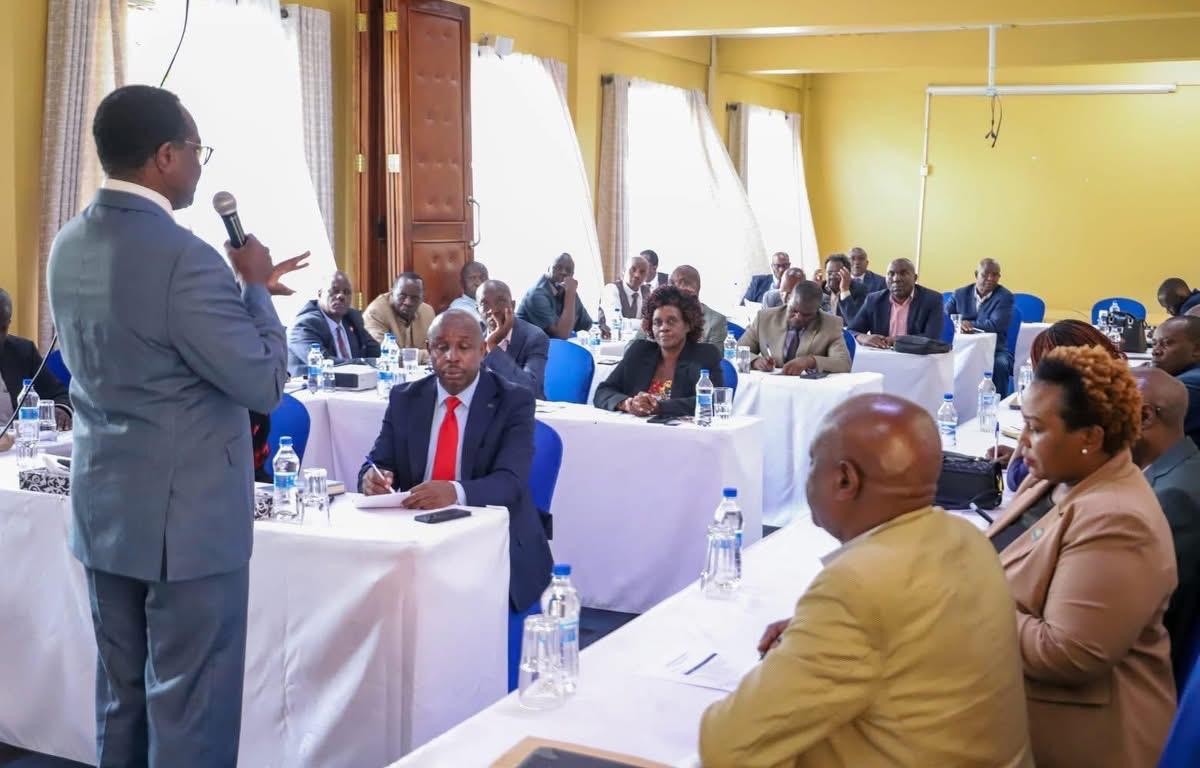
- The Gusii Education Stakeholders Convention 2026 provides a timely platform to bring together diverse stakeholders to confront education challenges and shape a shared vision for the region’s future.
- With collaboration, innovation and evidence at its core, the Convention seeks to turn shared concerns and ideas into practical solutions that improve learning, skills development and educational opportunity.
- Its lasting success, however, will ultimately depend on translating resolutions into sustained implementation, measurable outcomes and meaningful transformation across Kisii, Nyamira and the wider Gusii region.
Our shared responsibility is to strengthen education and secure a brighter future for every learner.
Hon. Julius Migos Ogamba, Cabinet Secretary for Education.
Education has long stood at the heart of the Gusii community’s aspirations for social mobility, professional excellence and economic advancement. Across generations, families have invested heavily in the education of their children, regarding knowledge and skills as among the most enduring pathways to a better future.
Yet, as the education landscape rapidly changes, celebrating past achievements alone is no longer enough.
The region now faces the imperative of examining where its education system stands, identifying the gaps that continue to constrain learners and institutions, and collectively designing practical solutions capable of delivering equitable, inclusive, accessible and quality education.
Against this backdrop, the Gusii Education Stakeholders Convention 2026 provides a timely platform to celebrate educational milestones, interrogate persistent challenges and draw on evidence from the 2025–2026 Baseline Survey to shape a shared and forward-looking agenda for meaningful transformation.
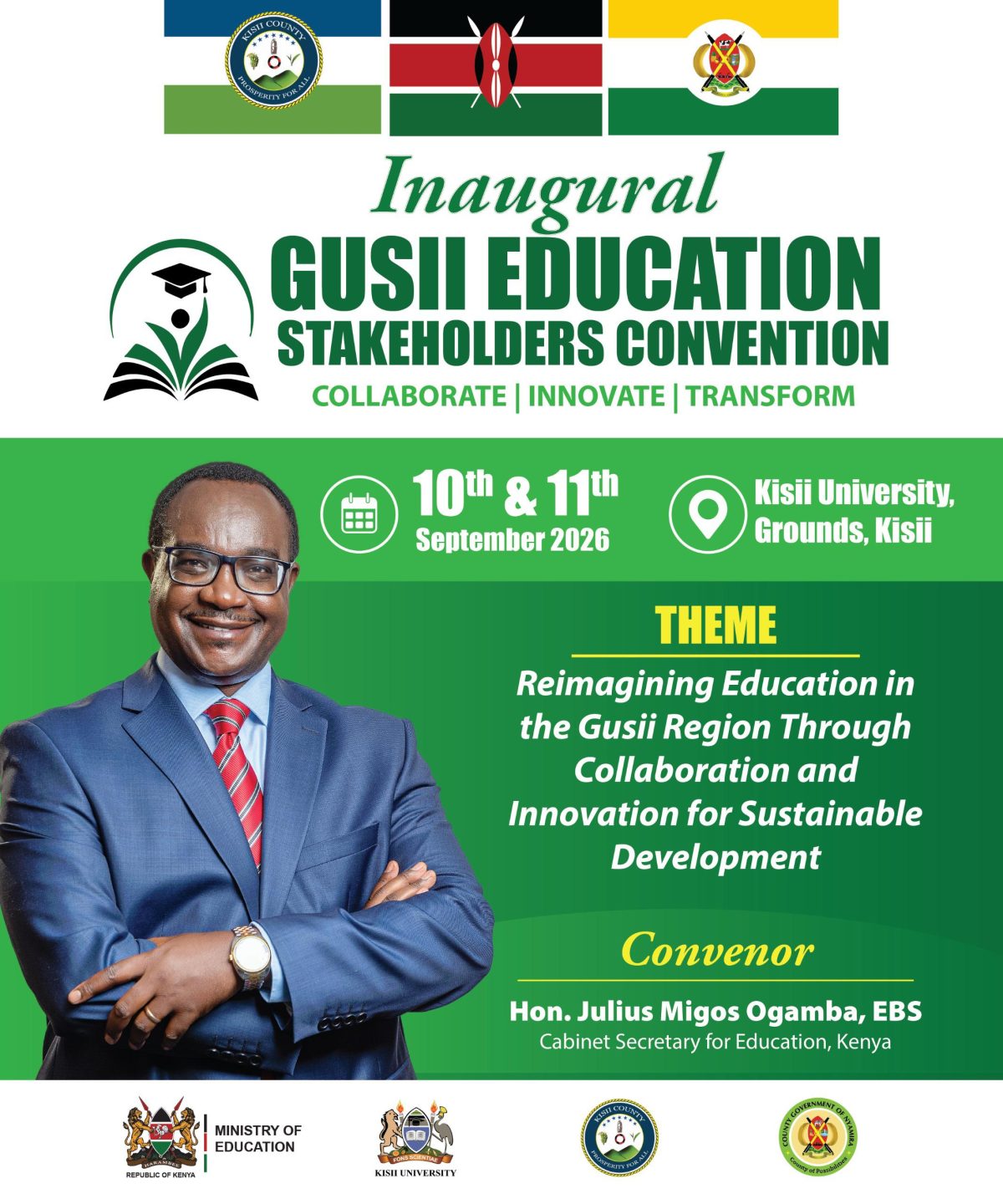
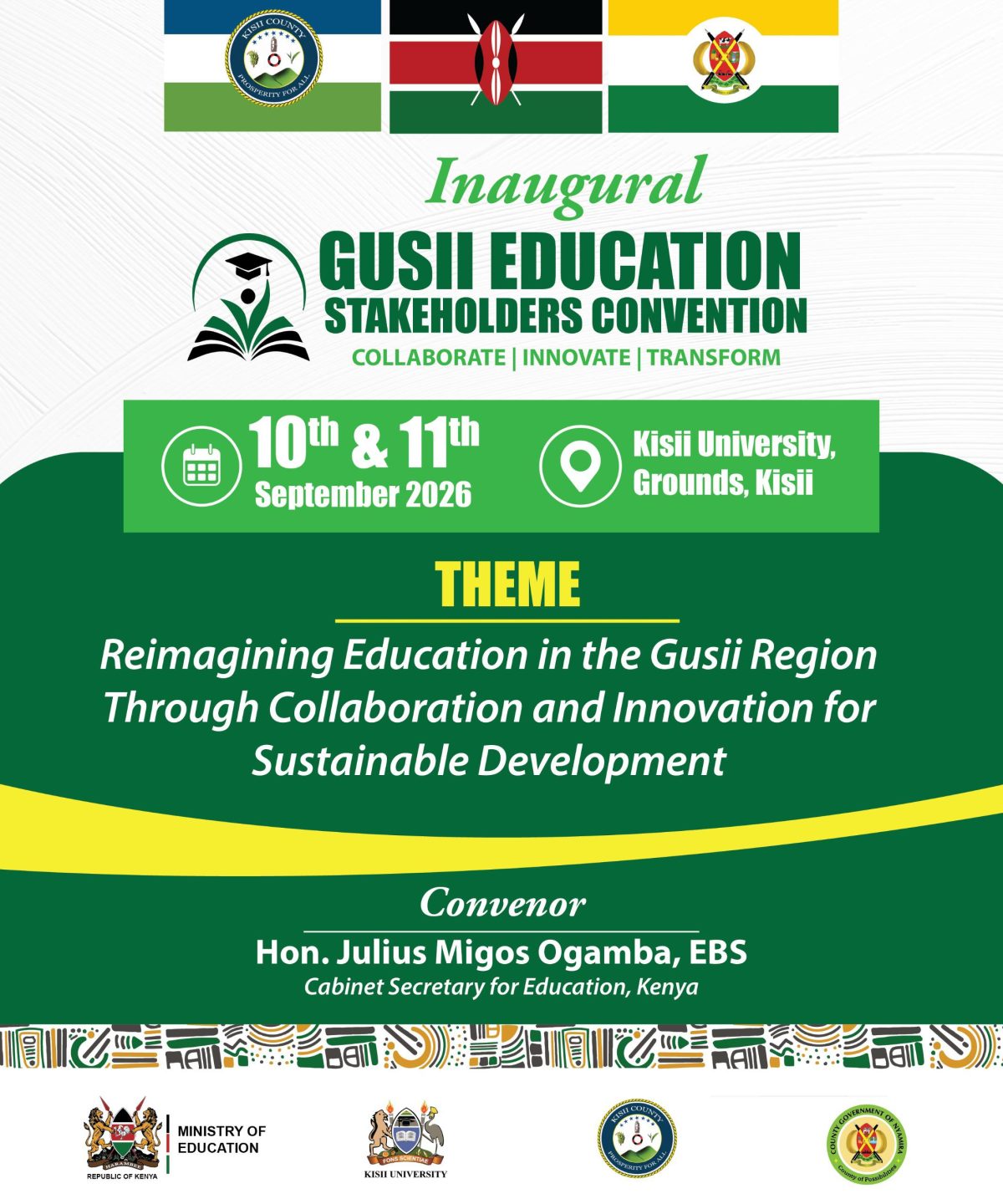
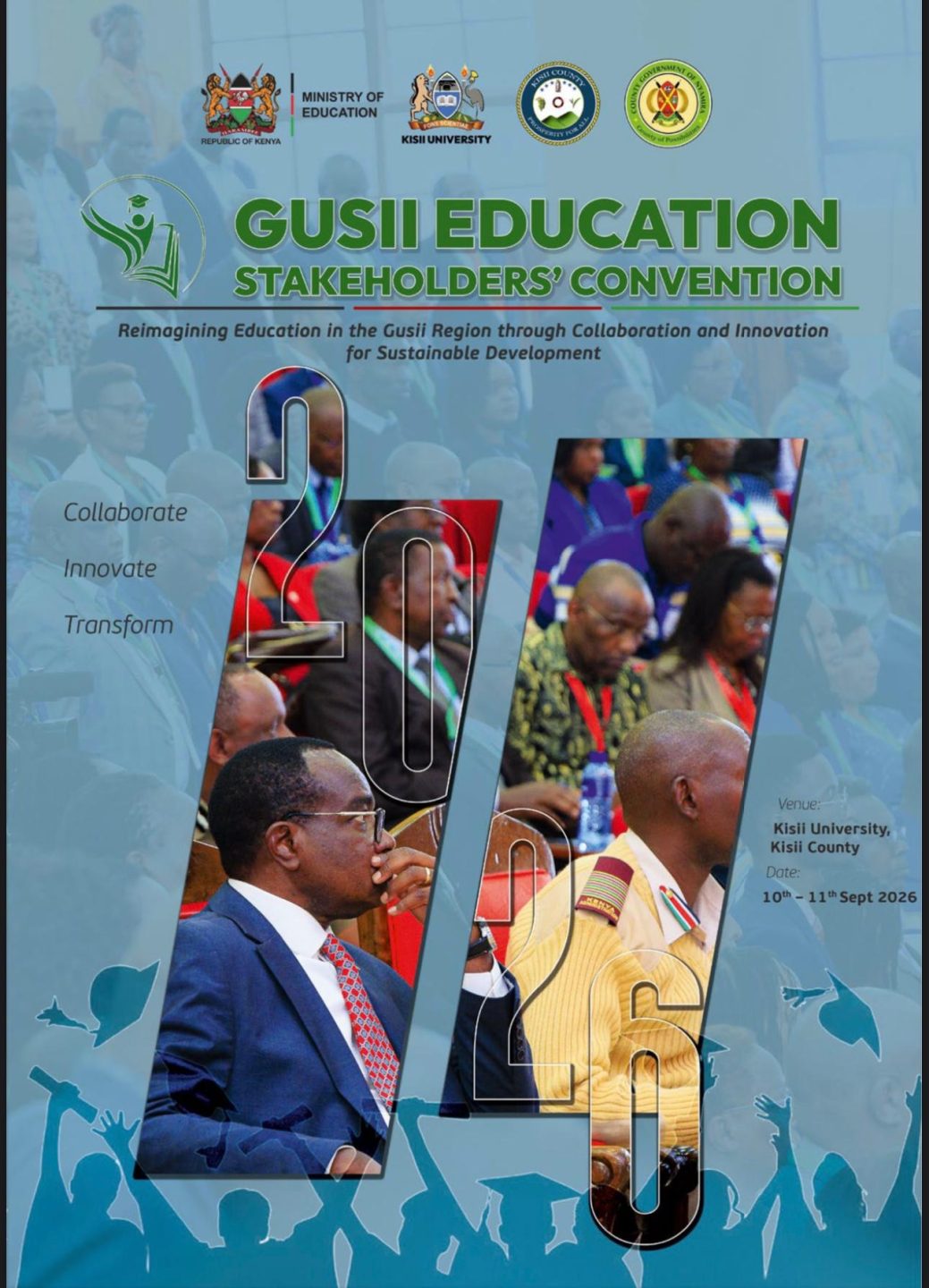
Under the powerful theme, “Reimagining Education in the Gusii Region through Collaboration and Innovation for Sustainable Development,” the Convention seeks to transform shared aspirations into practical solutions, strategic partnerships and sustained action capable of positioning education as a catalyst for inclusive and lasting regional prosperity.
Beyond dialogue, it seeks to co-create practical solutions and policy proposals, culminating in an Outcome Report and Action Roadmap to guide sustained collaboration, implementation and accountability for improved education outcomes across the region.
From Celebration to Honest Reflection
The Gusii Education Stakeholders Convention comes at a critical moment when education systems globally are being reshaped by technology, changing labour-market demands, new approaches to teaching and assessment, inclusion imperatives and the growing need for partnerships.
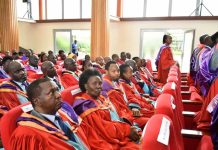
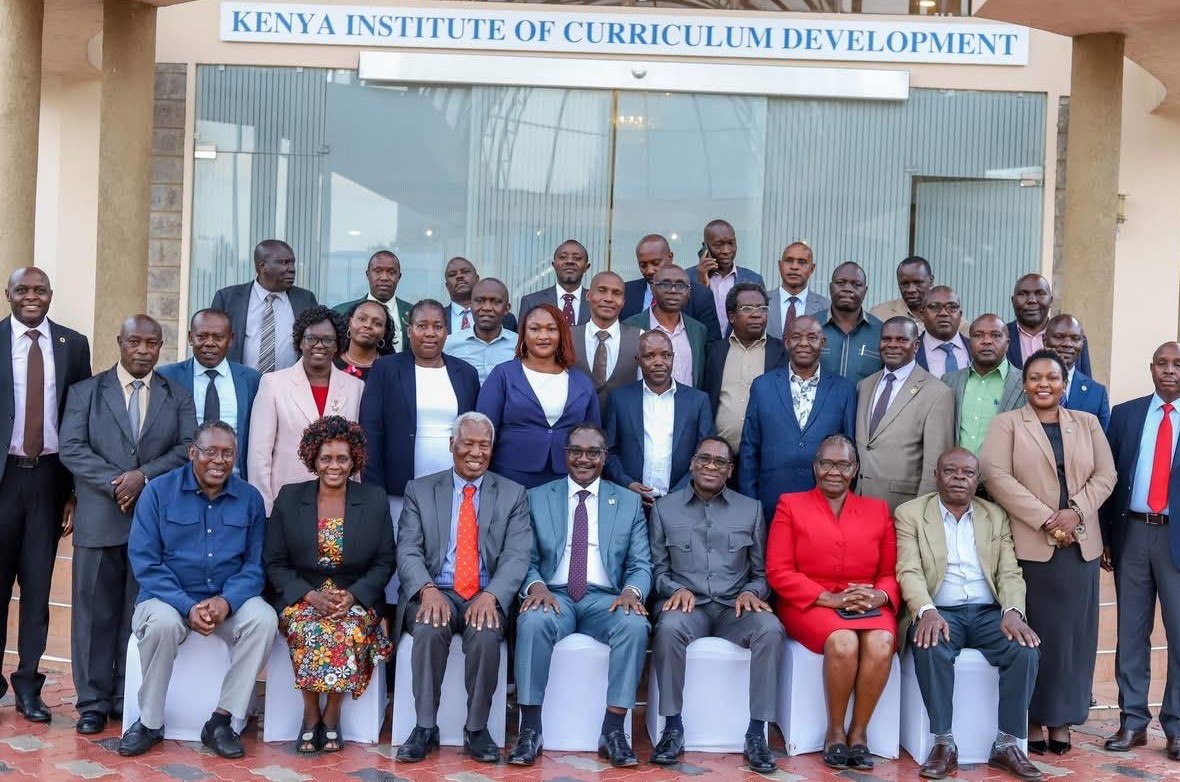
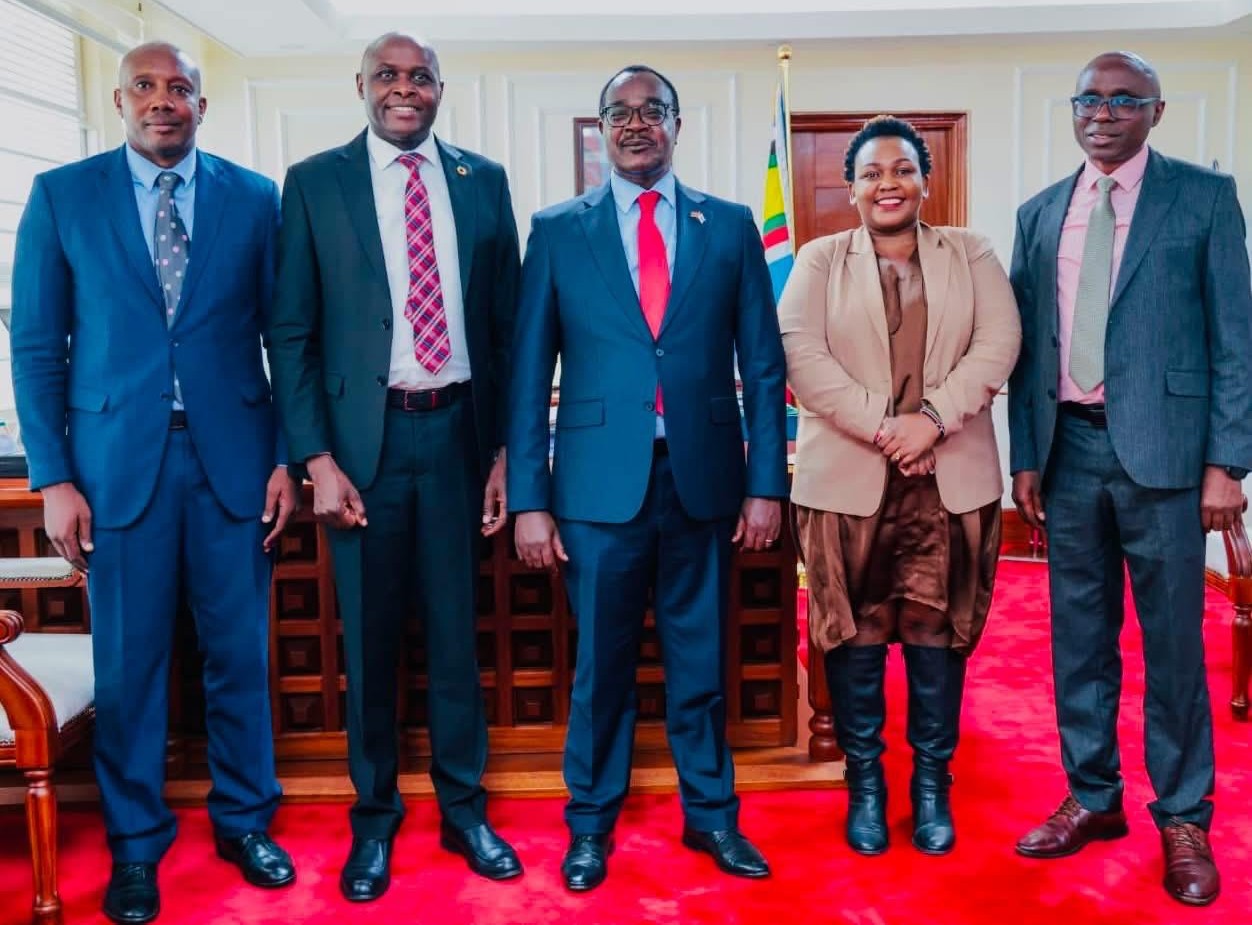
The Convention was commissioned by Hon. Julius Migosi Ogamba, Cabinet Secretary for Education, during a graduation ceremony at Riragia in 2025. A Steering Committee was subsequently constituted, chaired by CPM Patrick Nyagosia and bringing together Prof. Dr. Nathan Ogechi, Dr. Edinah Kangwana, Dr. Peter Kereri and Dr. Walter Okibo Bichang’a.
The Committee was mandated to bring on board other professionals and stakeholders, including the Gusii diaspora, and steer preparations for the inaugural Gusii Education Stakeholders Convention.
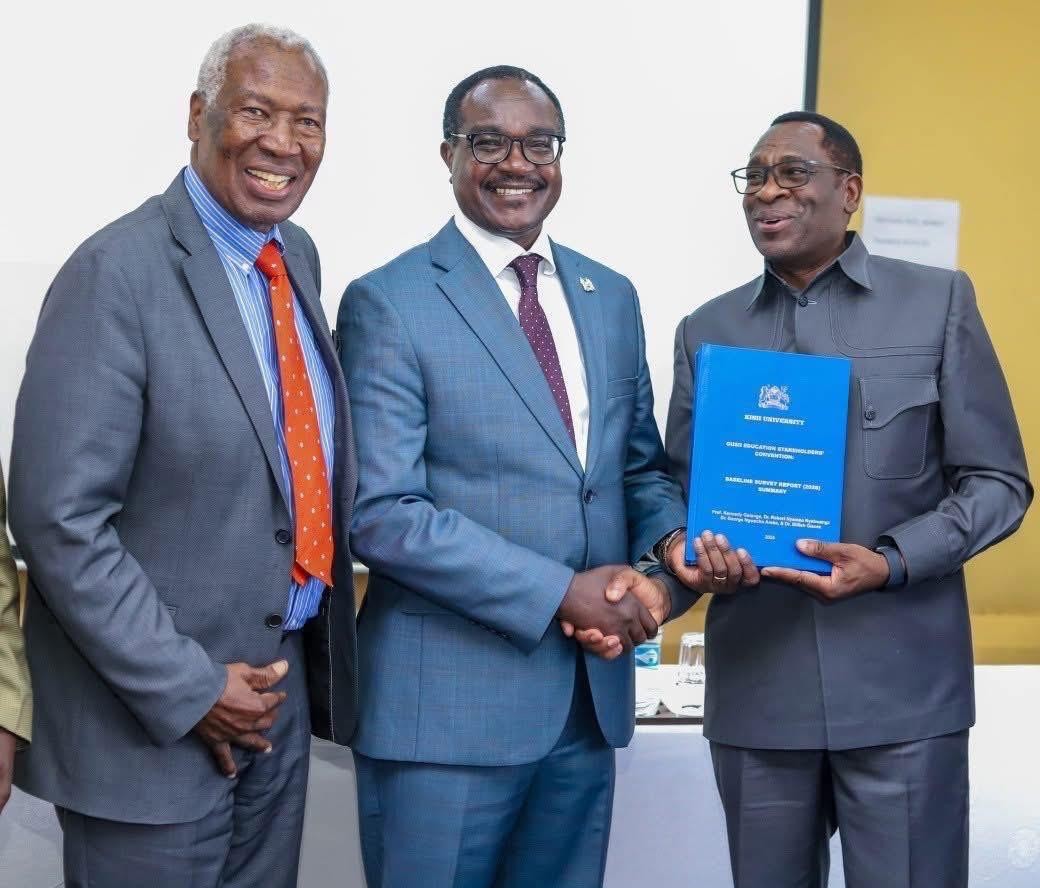
Its first major assignment was to undertake a baseline survey providing an evidence-based assessment of education in the Gusii region and informing the Convention’s deliberations and outcomes.
Kisii University was designated to lead and coordinate the survey under Prof. Dr. Ogechi. The University will also host the Convention scheduled for September 10–11, 2026, and serve as the institutional repository for its findings and key outputs, supporting continued policy dialogue, collaboration and action beyond the event.
The convention will bring together education leaders, policymakers, teachers, learners, innovators and development partners from Kisii and Nyamira Counties to confront systemic gaps, celebrate progress, forge strategic partnerships and chart a bold, inclusive and transformative future for education across the Gusii region.
The emphasis is deliberately practical.
The Convention is expected to facilitate the co-creation of solutions and policy proposals aligned with national and global education frameworks, while also developing an actionable roadmap of resolutions and recommendations for multi-sectoral resourcing and implementation.
This approach shifts the conversation from simply asking what is wrong with education? to asking a more consequential question: What can stakeholders collectively do about it?
That distinction could define the Convention’s significance.
A Regional Education Agenda with National and Global Connections
Although rooted in the Gusii region, the Convention is designed within a much broader policy and development context.
Its agenda directly aligns with Competence-Based Education (CBE), the Bottom-Up Economic Transformation Agenda (BETA), Kenya Vision 2030, the East African Community Vision 2050, the African Union Agenda 2063 and Sustainable Development Goal 4, which focuses on inclusive and equitable quality education and lifelong learning opportunities.
This alignment gives the gathering a significance beyond the two counties.
The Convention presents the Gusii region as a potential laboratory for bringing together policy, practice, innovation, community participation and investment around education.
It also recognises that the future of education cannot be shaped by government alone.
Teachers, parents, learners, universities, TVET institutions, private-sector players, development partners, civil society, financial institutions, communities, innovators and policymakers all have roles to play.
Thirteen Conversations That Could Define the Future
One of the Convention’s strongest features is the breadth of its thematic agenda.
Rather than concentrating on academic performance alone, the programme seeks to interrogate education as a complete ecosystem, from curriculum and teachers to financing, technology, mental well-being, climate change and social cohesion.
1. Competency-Based Education
At the centre of the education conversation is Competency-Based Education (CBE).
The Convention will examine how CBE works at basic education level, competency-based education and training, competency-based assessment, pedagogical content knowledge, STEM, inclusive classrooms and teacher and principal professionalism.
The focus acknowledges that curriculum reform is only meaningful when supported by capable educators, appropriate assessment systems, inclusive learning environments and effective institutional leadership.
2. Educational Performance Beyond Examination Scores
Educational performance will form another major pillar.
Discussions will explore national assessment trends, transitions to universities, TVETs and colleges, learner retention, completion and dropout prevention, data-driven decision-making and best practices for improving learning outcomes.
This is particularly important because educational success is not simply about producing examination results. It is also about ensuring that learners remain in school, transition successfully, acquire relevant competencies and eventually participate meaningfully in society and the economy.
3. Quality, Accountability and Institutional Leadership
Quality education requires more than classrooms and teachers.
The Convention will examine quality assurance and standards, infrastructure and learning environments, teacher capacity development, continuous professional development, school leadership, governance, management and institutional accountability.
These conversations recognise that sustainable improvement requires strong institutions capable of translating policy into practice.
4. Digital Transformation and Artificial Intelligence
Perhaps no force is changing education as rapidly as technology.
The Convention will explore ICT integration, artificial intelligence in education, digital learning resources, content development, cybersecurity and digital safety.
The inclusion of AI is particularly timely as educational institutions globally grapple with the opportunities and risks presented by rapidly advancing technologies.
For the Gusii region, the conversation presents an opportunity to consider how technology can expand access, improve teaching and learning, support educators and prepare young people for an increasingly digital economy.
5. Equity and Inclusion
The Convention also places equity at the centre of the education agenda.
Inclusive education policies, universal design for learners with disabilities, gender equity, support for vulnerable and marginalised learners and rural–urban disparities will be examined.
The underlying message is clear: educational progress cannot be considered complete if significant groups of learners remain excluded or disadvantaged.
6. Teachers: The Human Capital Behind Education
No education system can outperform the people entrusted with delivering it.
Teacher recruitment, deployment and retention, professional development, welfare, motivation, future competencies and performance will therefore receive dedicated attention.
The Convention recognises that discussions about education reform must also address the professional and welfare realities of teachers.
7. TVET, Higher Education and the Future of Work
As economies evolve, education institutions are under growing pressure to produce graduates with relevant and marketable skills.
The Convention will examine TVET reforms, university education reforms, industry linkages, work-based learning, research, innovation, entrepreneurship, employability and future skills.
The proposed discussions place particular emphasis on strengthening connections between education and industry, ensuring that learning translates into productive opportunities.
8. Financing Education Through Partnerships
Education requires resources, and the Convention recognises that sustainable financing cannot rest on a single actor.
Education financing models, resource mobilisation, community resource mapping, donor engagement and financial accountability will form part of the discussions.
The agenda also opens space for banks, foundations, development partners, county governments and other institutions to explore practical ways of supporting education.
9. Unlocking Public–Private Partnerships
The private sector can play a significant role in expanding educational opportunities.
The Convention will examine public–private partnership models, private-sector investment, corporate social responsibility, technology partnerships and sustainable education partnerships.
Such collaboration could help bridge gaps in infrastructure, technology, skills development, innovation and resource mobilisation.
10. The Well-being of Learners and Teachers
Education cannot thrive where learners and teachers are struggling emotionally and psychologically.
The Convention will address learner mental health, teacher mental wellness, guidance and counselling, psychosocial support, positive school culture, suicide prevention and early intervention strategies.
This expands the definition of educational success beyond academic achievement to include the overall well-being and safety of those within learning environments.
11. Education in the Era of Climate Change
Climate change is increasingly influencing communities, economies and institutions.
The Convention will therefore explore climate-change education, environmental conservation, indigenous tree growing, green schools, disaster-risk reduction and renewable energy for sustainable schools.
The inclusion of environmental sustainability signals an understanding that today’s learners are inheriting a world whose environmental challenges require informed and responsible citizens.
12. Tackling Drug and Substance Abuse
The Convention will also confront the challenge of drug and substance abuse through discussions on emerging trends, prevention, early intervention, school-based programmes, community and parental engagement, rehabilitation and reintegration.
The approach recognises that protecting education outcomes requires addressing the social factors that can disrupt learners’ lives and educational journeys.
13. Managing Conflict and Protecting Learning Spaces
The final thematic area focuses on strategic management of educational conflicts.
Conflict prevention, crisis management, alternative dispute resolution, child protection, safe learning environments, peace education and social cohesion will be examined.
This places safety, stability and peaceful coexistence at the heart of sustainable education.
A Convention Designed for Dialogue, and Action
The Convention will not be limited to keynote speeches.
Its programme is expected to include keynote addresses, symposiums and workshops, panel discussions, exhibition booths, research presentations and showcases by Kisii and Nyamira Counties.
Sponsors, exhibitors and innovators will have an opportunity to showcase their work, while researchers will have platforms for oral and poster presentations.
This structure creates space for different forms of knowledge.
Policy leaders can articulate priorities. Researchers can present evidence. Teachers can share experiences from classrooms. Students can contribute their perspectives. Innovators can demonstrate solutions. Communities can articulate their needs. Businesses can explore investment opportunities.
The resulting conversation has the potential to become more grounded, diverse and practical.
Bringing the Education Ecosystem Around One Table
The Convention’s proposed audience reflects the scale of the challenge it seeks to address.
Government and policymakers, ministries and agencies, governors, legislators, county leaders, education institutions, teachers and teacher associations, unions, student councils, youth organisations, PTAs, communities, private-sector actors, civil society, NGOs, development partners, religious and cultural organisations, media professionals, representatives of persons with disabilities, private education institutions, financial institutions, children’s organisations, the National Lands Commission and members of the diaspora are among the targeted stakeholders.
Such diversity is important because educational challenges rarely exist in isolation.
A school may need infrastructure. A teacher may require professional development. A learner may need psychosocial support. A university graduate may need employability skills. An innovator may need financing. A community may require stronger partnerships.
These are interconnected challenges requiring interconnected solutions.
From Resolutions to a Regional Roadmap
Perhaps the Convention’s most ambitious proposition is what happens after the delegates leave.
The organisers envisage a series of tangible outcomes, including publication of a Gusii Education Action Report and Resolutions, defined terms of reference for long-term follow-up, a national education policy brief or communiqué, a directory of education stakeholders and innovators, and a stakeholder collaboration framework.
The Convention also seeks to secure actionable commitments for resource mobilisation, establish thematic working groups around inclusivity, resourcing and innovation, develop a roadmap for implementing resolutions and establish monitoring and evaluation criteria.
This follow-through mechanism is critical.
Too often, conferences generate powerful speeches and impressive resolutions that fade once participants return to their institutions.
The Gusii Education Stakeholders Convention seeks to create structures that can carry the conversation beyond the event itself.
A Platform for Collaboration and Investment
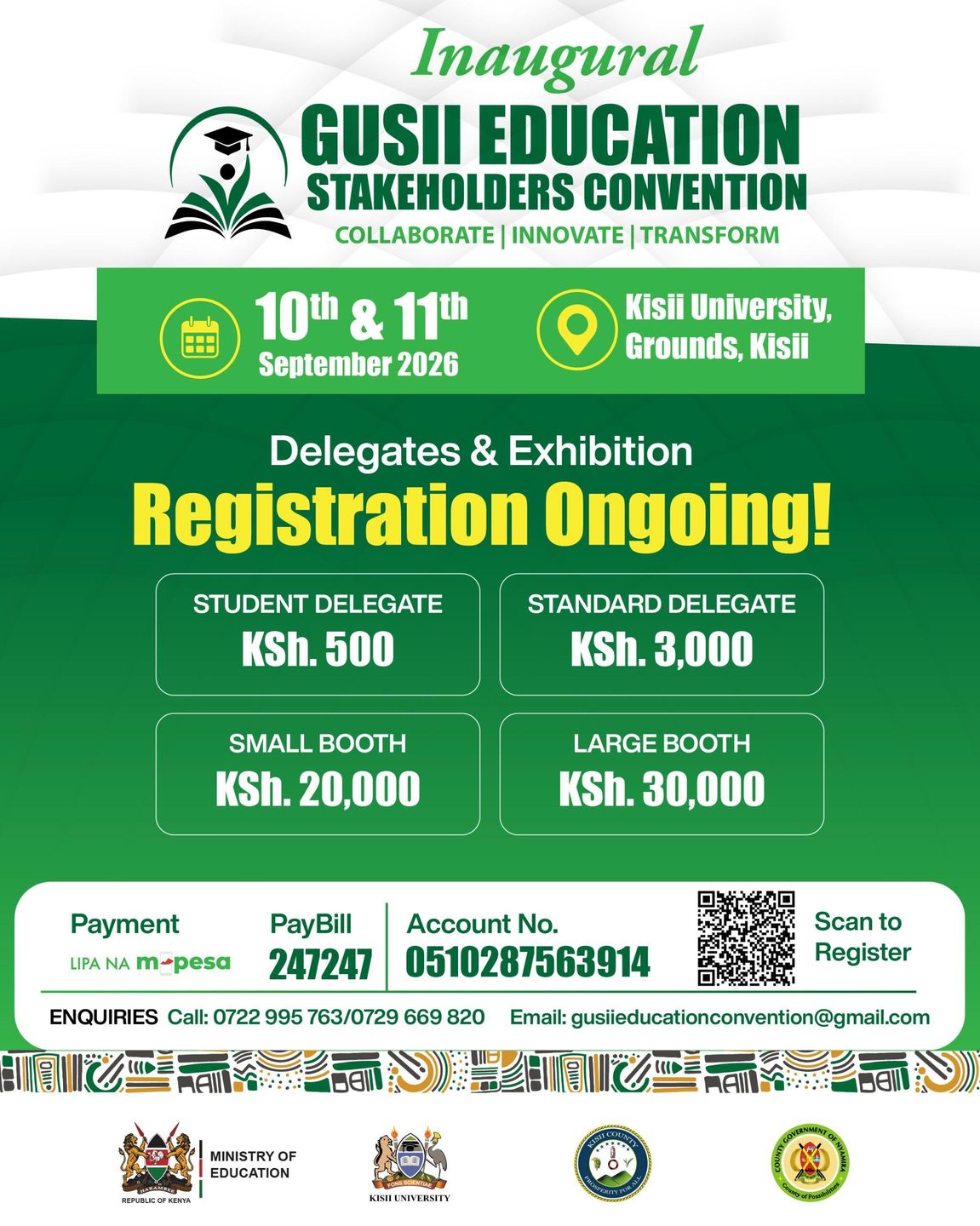
The Convention also creates opportunities for institutions and organisations seeking to support education transformation.
The packages are structured to provide visibility, exhibition opportunities, complimentary delegate registrations, social-media promotion and recognition in the Convention report, with Diamond sponsors additionally receiving a featured-speaker opportunity and premier exhibition booth.
For organisations whose mandate intersects with education, skills, technology, financing, innovation, youth development, infrastructure or community transformation, the Convention offers a platform for engagement with a broad education ecosystem.
A Defining Moment for Gusii Education
The significance of the Gusii Education Stakeholders Convention lies ultimately in its ambition.
It does not merely seek to discuss the challenges confronting education. It seeks to bring together the people and institutions capable of addressing them.
It does not merely celebrate the region’s educational heritage. It seeks to use that heritage as a foundation upon which a more responsive future can be built.
And it does not treat education as the responsibility of schools alone. Instead, it presents education as a shared regional enterprise involving government, families, communities, educators, learners, business, researchers, development partners and innovators.
The Convention’s conclusion captures this aspiration: it is envisioned as a moment of regional clarity, unity and action, where stakeholders acknowledge their strengths, confront challenges and mobilise resources to secure the educational future of children and youth across the larger Gusii region.
The Bigger Question
On September 10 and 11, the Kisii University Grounds will become more than a venue for speeches and presentations.
They will become a meeting point for ideas, experiences, evidence, partnerships and possibilities.
The question facing participants will not simply be whether Gusii education has made progress, but whether that progress can be translated into a coordinated, inclusive and sustainable education system capable of preparing the region’s children and young people for the realities of tomorrow.
That is the promise of the Gusii Education Stakeholders Convention 2026.
To celebrate what has been achieved. To confront what remains unresolved. To bring the right people to the same table. And, most importantly, to transform conversation into action.
If successfully translated into long-term programmes, partnerships, policy interventions and measurable commitments, the Convention could mark an important chapter in the region’s continuing education story, one in which collaboration and innovation become not simply conference themes, but the foundations of sustainable development and shared prosperity.
YOU MAY ALSO READ: Understanding social dysfunction, stunted development in Gusii region
PICTORIAL