

























- This thought provoking article reflects on how time serves as an impartial witness, recording humanity’s commitment or failure to uphold justice, integrity, and moral responsibility.
- Drawing on the wisdom of renowned thinkers and leaders, it examines the consequences of silence, indifference, and inaction in the face of injustice while highlighting the transformative power of moral courage.
- Ultimately, the article calls on individuals and societies to choose justice, compassion, and responsible citizenship, reminding us that the legacy we leave will be defined by the values we defend and the humanity we preserve.
From afar, I sense an invisible journal, one that faithfully records our vigilance or neglect toward justice, fairness, and faithfulness. Every day, in silence and in motion, it observes the conduct of humanity. It writes down the deeds of both the powerful and the powerless, recording not only what we do, but also what we fail to do. As Omar Khayyam wrote, “The moving finger writes; and, having writ, moves on”. That unseen hand neither pauses nor erases, for once recorded, our actions become permanent entries in the archive of time.
As time moves forward, we may cry out for its hand to stop or turn back, but fate has made the clock deaf and ever rushing forward. The past is sealed, and tomorrow waits for none. Shakespeare reminds us that “There is a tide in the affairs of men, which, taken at the flood, leads on to fortune”. Yet the tide in Kenyan affairs, much like that of humanity at large, rages on. Our desperate pleas to pause, to reflect, or to amend the course of events often vanish into the deaf silence of time. We remain swept along, sometimes willingly, sometimes helplessly.
Still, amid ignorance, wisdom urges us to seek a way forward. We are constantly reminded, “We have a choice today; nonviolent coexistence or violent co-annihilation”. The challenge lies not in recognizing the choice but in mustering the courage to make the right one. So, which path shall we take? Shall we choose to destroy one another through hatred and indifference, or shall we rise to the moral height of coexistence, anchored in justice and mutual respect?
If we choose annihilation, whether by will or by neglect, history will judge us harshly. Before we can mend the damage, the clock’s hand may already read: “Too late”. Such a fate would entangle us in endless cycles of conflict and despair, halting not only a nation’s progress but the very soul of its people. Yet before that grim hour strikes, we must confront the deeper question: what truly ails us, and what must be healed? The search for answers must begin with an honest reflection on who we are and what we value.
Robert F. Kennedy once warned, “Every time we turn our heads the other way when we see the law flouted; when we tolerate what we know to be wrong; when we close our eyes and ears to the corrupt because we are too busy or too frightened; when we fail to speak up and speak out, we strike a blow against freedom, decency, and justice”. These words ring true across generations and continents. They are a mirror held up to our conscience, asking: are we guilty of this silent complicity?
Africans, through generations, have endured injustices that both indict and vindicate us. It is a paradox that sustains our democratic ideals while testing their limits. Our endurance speaks to resilience, yet our silence often shelters wrongdoing. This paradox introduces a profound challenge: to develop frameworks that not only confront existing injustices but also anticipate those that lie ahead. Leadership, civic responsibility, and moral conviction must converge if we are to overcome the heavy weight of history.
Though our challenges are many, they are not insurmountable if we embrace John F. Kennedy’s call for every individual to stand up and be counted. True progress begins not in the corridors of power but in the conscience of each citizen. The question is not whether others will act, but whether we will. Can we rise, together, to reclaim integrity, equity, and hope?
Hopefully yes. But as history reminds us, “Few men are willing to brave the disapproval of their peers, the censure of their colleagues, or the wrath of their society to do the right thing. Moral courage is rarer than bravery in battle or great intelligence, yet it is the one essential quality for those who seek to change a world that resists change”. These words echo across time because they speak to a universal truth: moral courage remains the cornerstone of transformation.
As we brace ourselves for change, it is our moral duty to act with conviction, knowing that time, though deaf, still records every deed worthy of remembrance. The invisible journal of time does not discriminate; it writes down the names of those who stood for justice and those who remained indifferent. It chronicles both courage and cowardice with impartial precision.
May it never be written in that invisible journal that we were too late. Let it instead be recorded that, in our time, we chose justice over complacency, compassion over cruelty, and courage over fear. For in the end, the legacy we leave will not be measured by the wealth we amassed or the titles we bore, but by the truth we upheld and the humanity we preserved.
YOU MAY ALSO LIKE: Britain Lied, Sierra Leone Paid: The Empire’s Hidden Crime
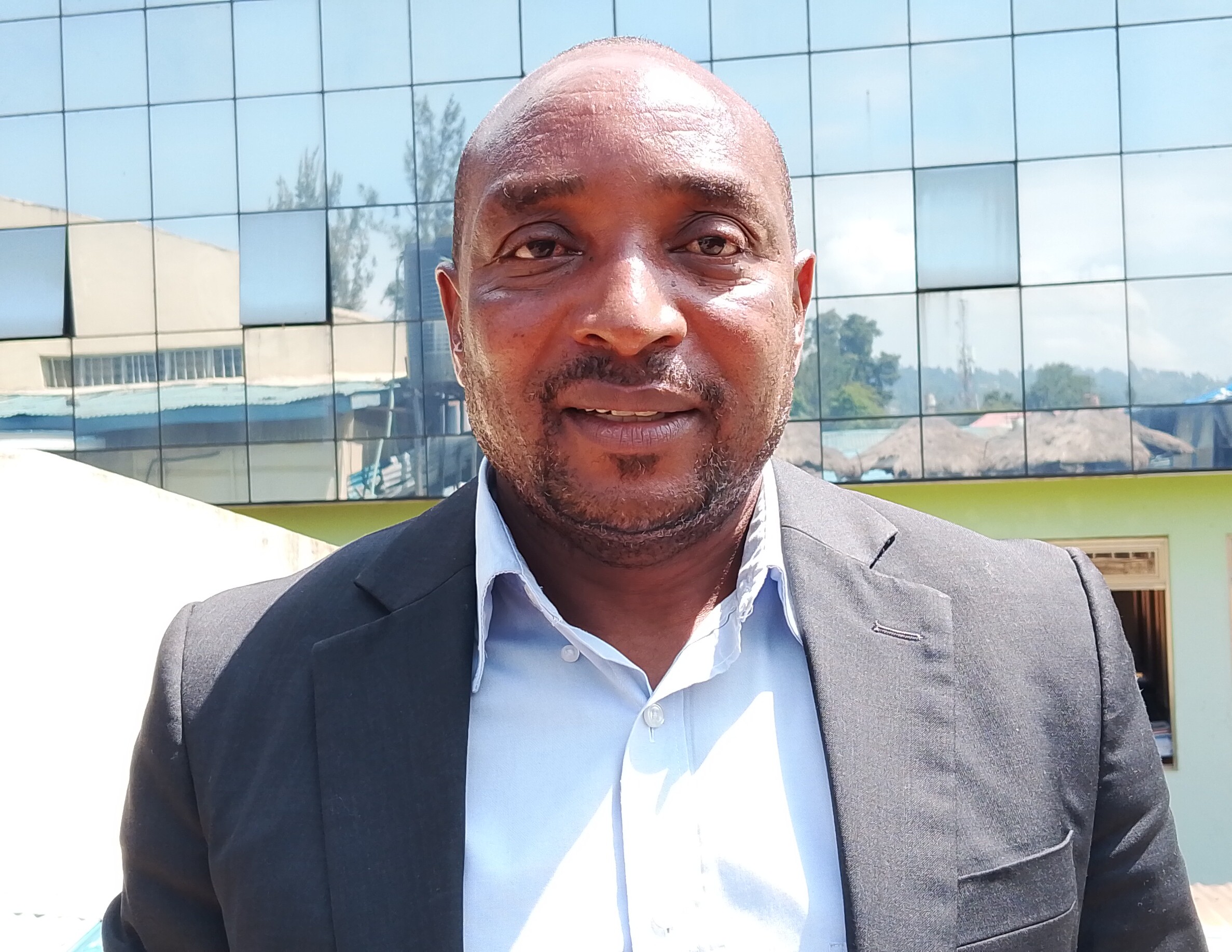
The author is a member of faculty in the Department of Computing at USIU–Africa and holds a terminal degree from the Computer Science and Software Engineering Department at Auburn University’s Samuel Ginn College of Engineering, Alabama, USA.