





























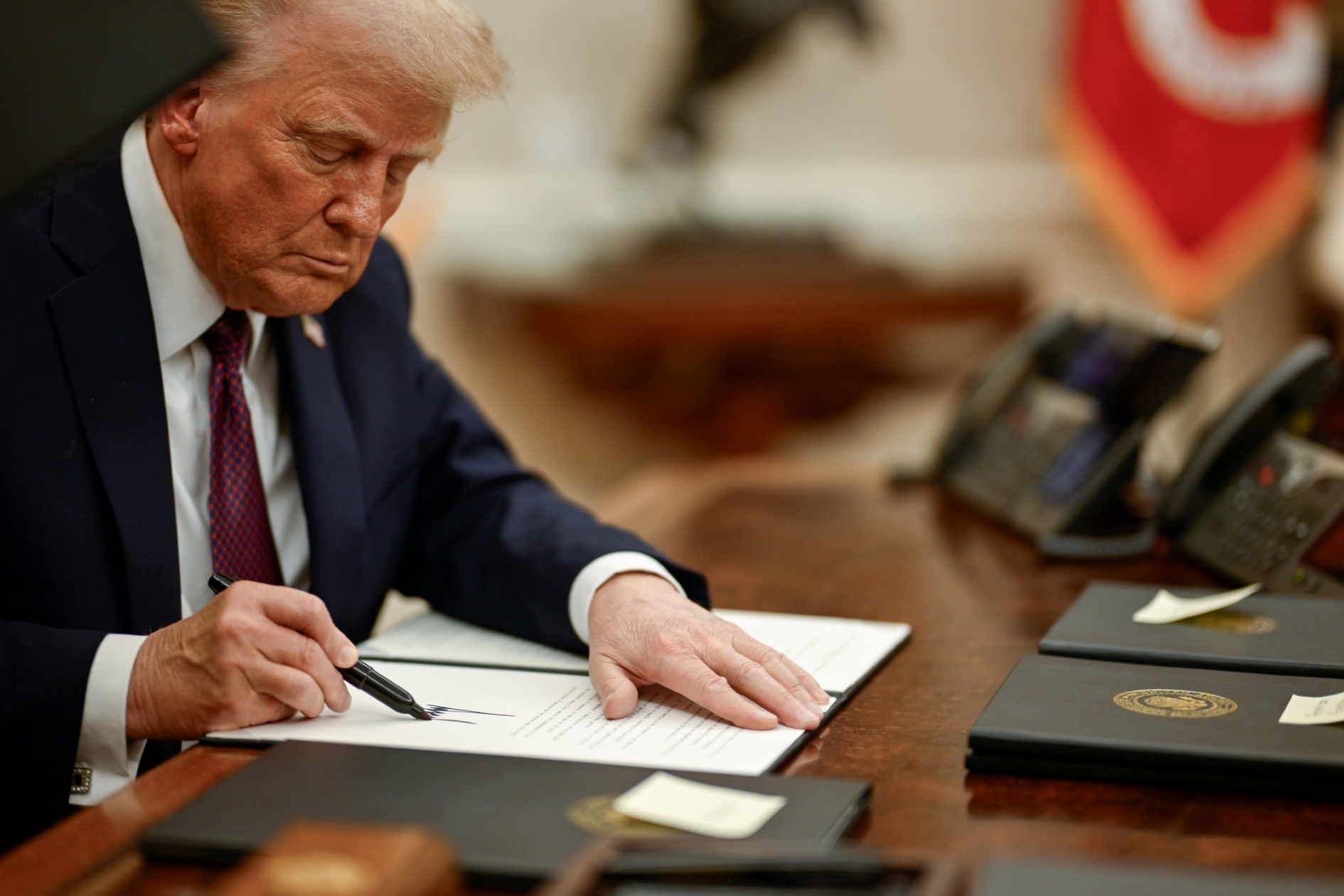
- Trump’s administration made immigration reform a central part of its agenda, with policies aimed at curbing illegal immigration and encouraging the repatriation of undocumented migrants.
- His foreign policy has emphasized reducing U.S. military involvement in conflicts abroad.
- Given the possible shocks of a second Trump presidency, Kenya must adopt a flexible and adaptive approach to its foreign and economic policies.
Donald Trump second presidency for United States of America has significant implications for global politics, particularly for developing countries like Kenya.
As an emerging economy in East Africa, Kenya has benefited from various forms of cooperation with the U.S. under the previous administration, including trade deals, security partnerships, and development assistance. However, Trump’s foreign and domestic policies, which are often guided by an “America First” doctrine, could alter the course of U.S.-Kenya relations in ways that present both challenges and opportunities.
This article delves into the potential impact of Trump’s second presidency on Kenya, focusing on areas such as trade, security, foreign aid, and migration, while offering viable recommendations for how Kenya can navigate the associated shocks and benefits.
Trump’s “America First” Doctrine: Implications for Foreign Aid and Development Assistance
One of the most consistent features of Trump’s presidency was his “America First” approach, which prioritized U.S. interests and often resulted in reduced engagement with international partners on shared challenges.
Under this policy, President Trump made significant cuts to foreign aid, with the health and education sectors among the hardest hit. In his second presidency, Trump is likely to continue or intensify these cuts, reducing funding for global health initiatives and education programs that benefit countries like Kenya.
For example, during Trump’s first term, the U.S. withdrew from the World Health Organization (WHO) and reduced its contributions to various international health programs. For Kenya, a country that has benefited from U.S. support in combating diseases like HIV/AIDS, tuberculosis, and malaria, this could mean reduced access to critical funding.
Similarly, Kenya’s education sector, which has also relied on U.S. assistance for programs targeting marginalized communities and vocational training, could experience funding cuts or redirection toward U.S. priorities.
Reduced Involvement in Wars: A Double-Edged Sword for Kenya’s Security
Trump’s foreign policy has emphasized reducing U.S. military involvement in conflicts abroad. His administration has repeatedly argued for bringing U.S. troops home from overseas engagements.
While this stance might reduce U.S. military entanglements globally, it could also have unintended consequences for Kenya, particularly in terms of security and counterterrorism cooperation.
On the one hand, Trump’s reluctance to engage in foreign conflicts could lead to a reduction in U.S. military presence in Africa, including in Kenya. While Kenya’s military is largely self-reliant, U.S. military assistance in the form of training, intelligence sharing, and counterterrorism support, especially in the fight against al-Shabaab, has been valuable.
A decline in this cooperation could force Kenya to find alternative partners or assume greater responsibility for regional security. On the other hand, Trump’s policy could allow Kenya more autonomy in its security affairs and enable it to deepen its security ties with regional powers and other global allies.
U.S. Taxation of Trade Partners: Economic Shocks and Trade Relations
Under Trump’s first term, the administration imposed tariffs on various goods from key trading partners, including China and the European Union. This protectionist policy, which aimed to reduce America’s trade deficit, could extend to countries like Kenya, particularly in sectors where Kenya has a competitive advantage, such as agriculture and textiles.
The introduction of tariffs on Kenyan goods could make exports more expensive and less competitive in the U.S. market, undermining the benefits of trade agreements like the African Growth and Opportunity Act (AGOA), which has facilitated Kenyan exports to the U.S.
However, Trump’s approach of taxing trading countries instead of Americans could offer Kenya an opportunity to negotiate more favorable trade deals with the U.S. If Kenya positions itself as a key partner in U.S. efforts to curb Chinese influence in Africa, it may be able to secure better terms for its goods and services, ensuring continued access to U.S. markets.
Repatriation of Illegal Migrants: Strained Diplomatic Relations
Trump’s administration made immigration reform a central part of its agenda, with policies aimed at curbing illegal immigration and encouraging the repatriation of undocumented migrants.
Kenya, which has a significant diaspora in the U.S., could be affected by Trump’s immigration policies, particularly regarding the deportation of undocumented migrants. This could strain diplomatic relations between the two countries, especially if a significant number of Kenyans are impacted by these measures.
Furthermore, Trump’s policies could lead to a reduction in remittances sent by the Kenyan diaspora, which plays a crucial role in the country’s economy. With fewer migrants in the U.S. and heightened deportation pressures, the overall flow of remittances could decline, impacting Kenya’s domestic consumption, investment in education, and support for local businesses.
The U.S. Approach to Security Funding: A Potential Reduction in Aid
Another significant area of concern for Kenya under a second Trump presidency is the potential reduction or review of U.S. security aid. In the past, the U.S. has been a crucial partner in supporting Kenya’s security forces, particularly in their fight against terrorism.
However, Trump’s budget proposals have often included cuts to foreign security assistance, such as the one proposed for Haiti, where the U.S. reduced it’s funding for peacekeeping and law enforcement. This may affect Kenya which has already sent its law enforcement officers to Haiti through support from the immediate former Joe Biden administration.
A reduction in U.S. security aid could force Kenya to seek alternative sources of funding for its military and police forces. This might involve deepening partnerships with other global powers like China and Russia or expanding Kenya’s regional security engagements. However, these shifts could come with their own set of challenges, including balancing relations with the U.S. while pursuing new alliances.
Review of Biden’s “Goodies” and the Balance of Trade
Trump is likely to reassess and potentially reverse some of the “goodies” extended to Kenya under the Biden administration. For instance, President Biden had sought to enhance U.S.-Africa ties through initiatives like the U.S.-Africa Leaders’ Summit and boosting trade ties with African countries. Trump’s more transactional approach to foreign relations could mean that these engagements are scaled back, which would require Kenya to rely on alternative partnerships.
Moreover, the balance of trade between the U.S. and Kenya has often been in Kenya’s favor, with Kenyan exports such as tea, flowers, and textiles benefitting from preferential treatment under AGOA.
Under Trump’s protectionist policies, however, Kenya’s trade balance could be affected, as the U.S. might impose tariffs or revise trade agreements, leading to fewer opportunities for Kenyan goods to enter the American market.
U.S. Diplomacy
The resignation of Meg Whitman, a key figure in the former regime diplomatic efforts, reflects a broader trend of instability and unpredictability in U.S. foreign policy. Under Trump, U.S. diplomatic missions have often been marked by abrupt shifts in policy and a reliance on personal relationships rather than multilateral cooperation. This could create uncertainty for Kenya, which has relied on stable diplomatic ties with the U.S. to secure investments and partnerships in trade, security, and development.
Solutions for Kenya to Navigate these Challenges
Given the possible shocks of a second Trump presidency, Kenya must adopt a flexible and adaptive approach to its foreign and economic policies. Here are some strategies for Kenya to navigate these challenges:
- Diversify Trade Relationships: Kenya should continue expanding its trade ties with other global markets, particularly the European Union, China, and India. This will reduce dependency on the U.S. and ensure more stability in trade relationships.
- Strengthen Regional Cooperation: Kenya should enhance regional cooperation within the East African Community (EAC) and the African Union (AU), fostering intra-Africa trade and reducing vulnerability to external shocks.
- Invest in Local Security Capabilities: Kenya must continue to invest in its own security infrastructure and build stronger regional security partnerships with neighboring countries to reduce dependence on U.S. security assistance.
- Engage with the Kenyan Diaspora: Kenya should strengthen its diplomatic and economic ties with the Kenyan diaspora to ensure continued remittances, despite potential challenges posed by U.S. immigration policies.
- Promote Multilateral Diplomacy: While maintaining a constructive relationship with the U.S., Kenya should continue to advocate for multilateralism, positioning itself as a leader in global conversations on issues like climate change, peacekeeping, and trade.
- Invest in Education and Research: To mitigate the potential challenges posed by reduced foreign aid and shifting global dynamics, Kenya must prioritize investment in its education and research sectors. By fostering homegrown innovation, promoting higher education, and supporting research and development, Kenya can build a resilient economy that is less reliant on foreign aid. Investing in education and research will not only help create a skilled workforce but also position Kenya as a knowledge hub in Africa, attracting investment in technology and innovation-driven industries.
In conclusion, while a second Trump presidency could bring a mix of opportunities and challenges for Kenya, with strategic planning and diversified partnerships, Kenya can navigate the changing landscape and continue to thrive on the global stage.
YOU MAY ALSO LIKE: The Populism Trap: Why Kenya’s Future Demands a Shift from Populist Ideologies
Dr. Daniel Karanja, PhD is a Policy Actor, Researcher & Educator.













From a critical point of view, while there definitely will be several ongoing programs that will suffer from the new policies, there still is a small window of opportunity to assure some sense of continuity..
We hope for the best .
From a critical point of view, while there definitely will be several ongoing programs that will suffer from the new policies, there still is a small window of opportunity to assure some sense of continuity..we are hopeful for the future.