
























- Global science is facing a shift toward inward looking policies that risk limiting international co authorship and weakening long standing collaboration frameworks that have driven major scientific breakthroughs.
- Evidence from programs such as NASA SERVIR and drought resilience initiatives in Africa shows that co creation and co design between global and local researchers produce practical solutions that improve lives and strengthen scientific capacity.
- For Africa, these emerging restrictions signal the need to urgently invest in research sovereignty, strengthen domestic funding, and deepen collaborative models that protect knowledge sharing while building long term scientific independence.
Recent reporting in Science magazine reveals a troubling new reality for global science. Researchers funded by the United States National Aeronautics and Space Administration (NASA) and the National Institutes of Health (NHI) now face growing restrictions on publishing papers with foreign co authors.
The directives, reportedly communicated privately to grantees rather than through transparent policy, reinterpret “foreign components” to include co authorship even where the research itself was conducted within the United States. Papers risk exclusion from progress reports. Collaborations now require pre approval. Some NASA grantees have also reportedly been warned about possible legal consequences linked to the Wolf Amendment, especially concerning China.
This is not just bureaucracy. It threatens decades of co creation, co design, and co authorship that have accelerated scientific breakthroughs and strengthened developing nations. Kenya and Africa stand to lose greatly if this inward looking approach spreads across major global funders.
The Proven Power of Co-Authorship
History shows that open collaboration works. NASA’s SERVIR program, developed jointly with USAID, has partnered with regional hubs across Africa to deliver satellite based tools for disaster management, agriculture, water security, and climate resilience.
African scientists and institutions have co designed these solutions by combining satellite data with local knowledge. The results are practical tools that save lives and strengthen vulnerable communities. The projects have also produced peer reviewed publications and long term scientific capacity building. This is exactly the kind of co authorship now under threat.
Another strong example is the NASA funded Decision Support System for Drought Response in Angola. Developed in partnership with MIT and Angolan institutions, the initiative used satellite data, GIS technology, and local socio economic knowledge to create practical drought monitoring tools. The project improved food security and climate resilience in southern Angola. It demonstrated how American technology and African realities can work together to produce solutions no single country could achieve alone.
Broader evidence continues to confirm the value of international collaboration. Co-authored research increases citation impact, strengthens creativity, encourages resource sharing, and improves responses to global challenges such as pandemics, climate change, and food insecurity. Nearly 40 percent of NIH funded papers have historically involved international co authors. NASA itself has long promoted citizen science and international partnerships through programs such as the International Space Station and global Earth observation initiatives.
Restricting these partnerships will not protect scientific excellence. Instead, it weakens the global knowledge ecosystem that has benefited the United States and the wider world for decades.
A Dangerous Shift Toward Isolation
Why are major American funders suddenly turning inward? National security concerns, especially around China, are often cited. However, the broad approach affects all foreign collaborators, including African researchers and institutions that pose no security threat.
This shift reflects a wider “America First” philosophy seen in previous decisions such as the withdrawal from the World Health Organization and the Paris Climate Agreement. More recently, massive USAID funding freezes and cuts have disrupted critical humanitarian and development programs across Africa. The effects have included increased risks linked to cholera, malaria, Ebola, malnutrition, and interruptions in HIV treatment programs.
Some commentators argue that these restrictions are necessary to protect American taxpayer investments and technological leadership in fields such as artificial intelligence, health innovation, and advanced manufacturing. Yet when applied broadly to science, this risks becoming scientific isolationism.
Limiting co authorship does not only protect technological advantages. It also blocks emerging regions from accessing collaborative opportunities that helped drive global scientific advancement in the first place. Open knowledge sharing, open source innovation, and international collaboration have historically accelerated discovery and development worldwide. Reversing that tradition sends a worrying signal to developing nations.
Africa Cannot Afford to Wait
Kenya and Africa have long viewed the United States as a key partner in science, education, and development. These growing restrictions, combined with reductions in development assistance, demonstrate the dangers of over reliance on external funding.
The shifting policy environment makes long term planning difficult for African researchers and institutions. This should serve as a wake up call for governments, universities, and policy makers across the continent.
As former United Nations Secretary General Kofi Annan once stated, education remains the greatest equalizer of our time. Restricting collaborative research opportunities denies African youth, innovators, and institutions access to the tools needed to solve pressing local challenges. These include climate adaptation, disease control, food security, and the integration of indigenous knowledge into modern scientific systems.
Africa must therefore accelerate investment in research sovereignty. Governments should move toward allocating at least 2 percent of GDP to research and development. Kenya’s growing emphasis on evidence based policy making, multidisciplinary collaboration, citizen science, and public participation offers a strong foundation for future progress.
The continent should also champion co design approaches that combine indigenous knowledge with modern scientific data. African leaders must diplomatically challenge restrictive policies while simultaneously building domestic research funding systems that cannot be abruptly withdrawn by foreign donors.
The Future Depends on Openness
Multidisciplinary, multi institutional, and international collaboration remains essential for solving global problems. Citizen science and open knowledge systems are becoming increasingly important in shaping the future of research and innovation.
Africa must lead boldly where others hesitate. The emerging restrictions do not simply inconvenience researchers. They threaten the open and collaborative spirit that drives humanity’s greatest scientific achievements.
Kenya and Africa should interpret this moment as a call to action. The continent must invest confidently in its own research systems, strengthen scientific independence, integrate indigenous knowledge, and continue co creating solutions with global partners who value openness and shared progress.
Science thrives through collaboration, not walls. Africa must rise accordingly.
YOU MAY ALSO READ: Research on the Brink: Kenya’s Institutions in Financial Freefall
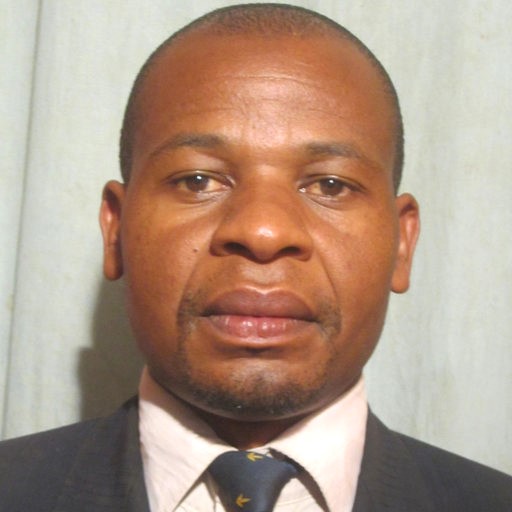
The writer, Prof. George Manyali, is a Professor of Physics at Kaimosi Friends University (KAFU) and a leading voice in participatory environmental stewardship through the Kaimosi Forest Citizen Science Project. His work promotes conservation as a collaborative process that actively involves local communities, students, elders, and indigenous knowledge holders as co researchers and co creators of environmental solutions. His Contact: gmanyali@kafu.ac.ke