





















- Africa’s greatest education challenge is ensuring every learner benefits from artificial intelligence and quality education.
- The Dakar conversations show that Africa’s education future depends on inclusion, innovation, and strong partnerships.
- True progress is measured not by technology alone but by the opportunities education creates for everyone.
Education: Africa’s Greatest Investment
Education has always been humanity’s most powerful instrument for shaping the future. It influences how societies evolve, how economies grow, how communities respond to crises, and how generations realise their full potential. For Africa, a continent with the world’s youngest and fastest-growing population, education is more than a policy priority. It is the foundation upon which the continent’s next chapter of development will be built.
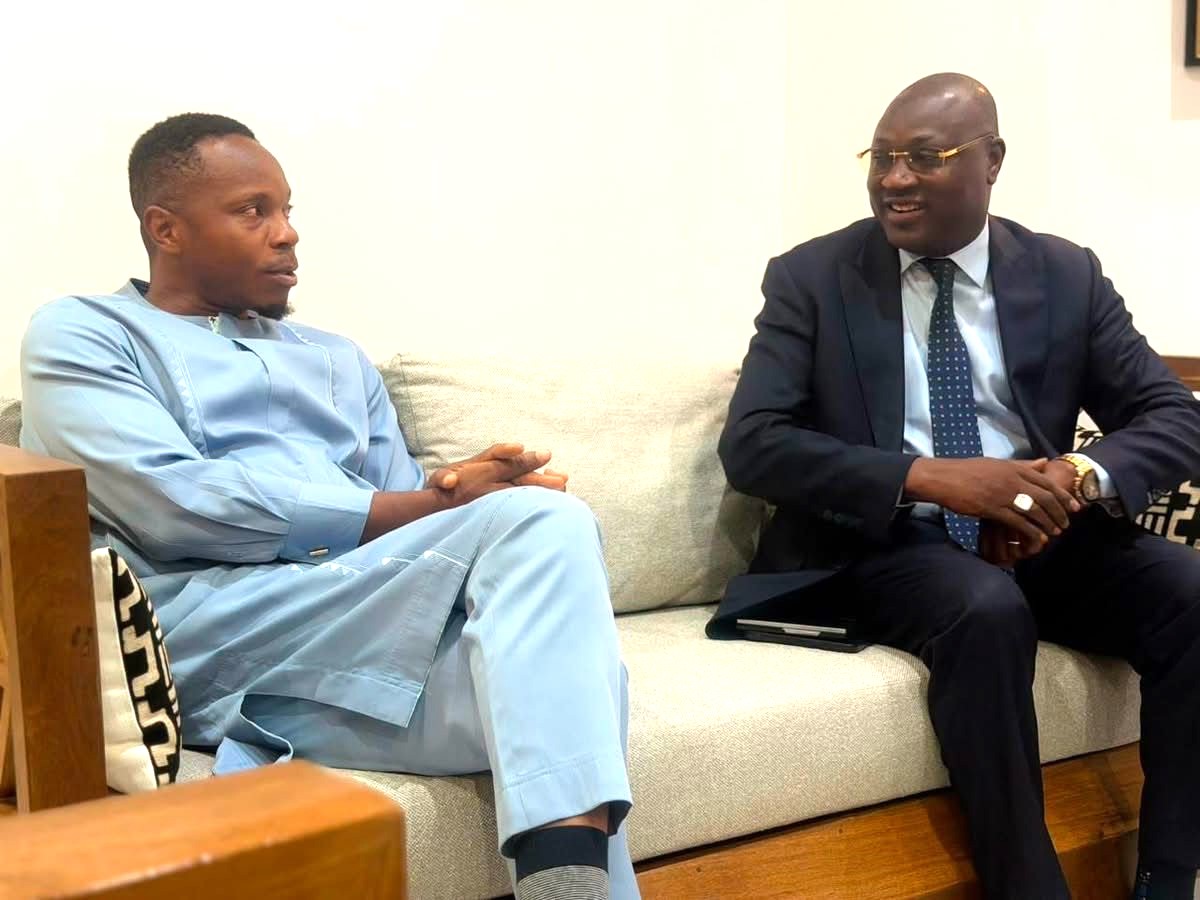
Against this backdrop, June 29, 2026 marked an important moment for African education as the Hon. Chief Minister of Sierra Leone, Dr. David Moinina Sengeh, arrived in Dakar, Senegal, to participate in the 2026 Yidan Prize Conference. His presence signalled more than attendance at an international gathering; it reflected Africa’s growing influence in shaping global conversations on the future of learning.
At the heart of Dr. Sengeh’s participation is his keynote address, “Radical Inclusion in an Era of Artificial Intelligence,” a timely reflection on one of the defining questions of our time: How can education systems unlock Africa’s immense human potential while preparing learners for a rapidly changing world?
A Defining Moment for African Education
The discussions in Dakar come at a time when artificial intelligence (AI) is transforming how knowledge is created, accessed, and applied. Across the world, education systems are adapting to technological change, yet innovation alone does not guarantee progress. The true measure of technological advancement lies in whether it expands opportunity for all.
If AI remains accessible only to those with privilege and resources, existing inequalities will deepen. However, when guided by inclusion, responsible leadership, and human dignity, it has the potential to become one of Africa’s greatest educational equalisers.
Radical inclusion therefore extends beyond a policy slogan. It is a development philosophy that challenges governments, institutions, educators, and communities to build education systems that deliberately reach every learner, regardless of geography, disability, language, gender, or economic background.
Putting Africa at the Centre of Global Conversations
The 2026 Yidan Prize Conference provides an important platform by placing African leadership and innovation at the centre of global education dialogue.
The conference explores how education research, innovative practice, and strategic partnerships can accelerate transformation across Africa while contributing to broader global goals, including economic growth, public health, climate resilience, nutrition, and social cohesion.
It reinforces an important reality: education remains the foundation upon which sustainable development depends.
Language, Identity and Inclusive Learning
Among the conference’s strongest messages is the recognition that language is central to meaningful learning.
Language shapes identity, belonging, confidence, and dignity. Children learn best when education reflects their linguistic and cultural realities rather than expecting them to abandon their identities in pursuit of academic success.
This philosophy is reflected in the work of the Associates in Research and Education for Development (ARED), led by 2025 Yidan Prize for Education Development Laureate Mamadou Amadou Ly, whose efforts continue to demonstrate the value of multilingual foundational learning across Africa.
The broader lesson is clear: Africa’s languages, cultures, and lived experiences are educational assets that should strengthen—not limit—the continent’s future.
From Continental Vision to Community Impact
The conference’s themes align closely with the African Union’s Decade of Accelerated Action (2025–2034) and the Continental Education Strategy for Africa, both of which prioritise foundational learning, teacher development, school leadership, relevant skills, and stronger education systems.
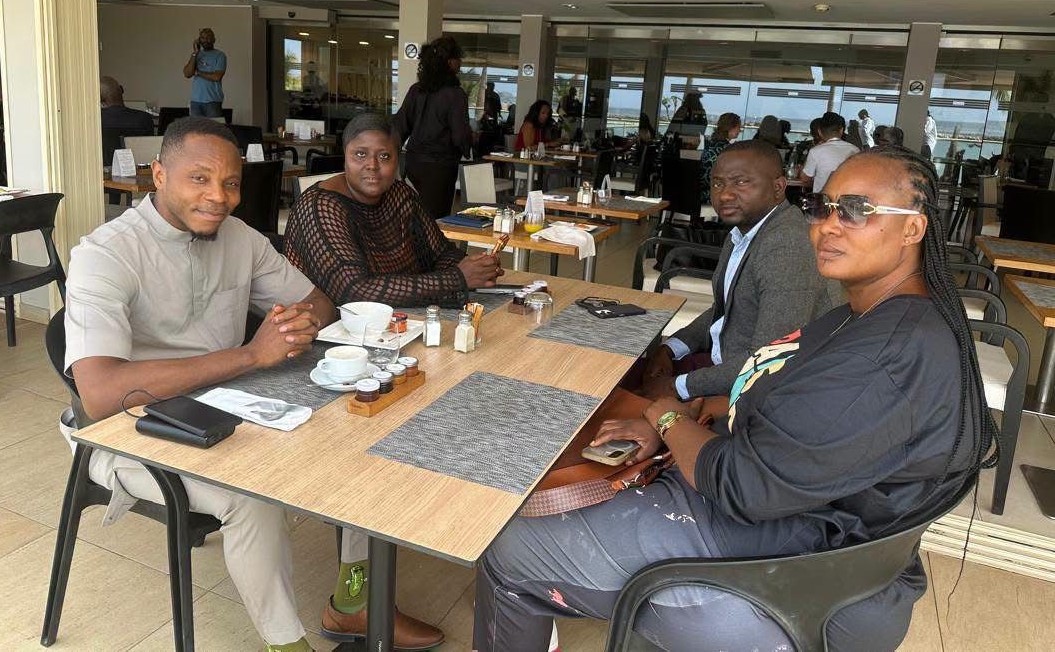
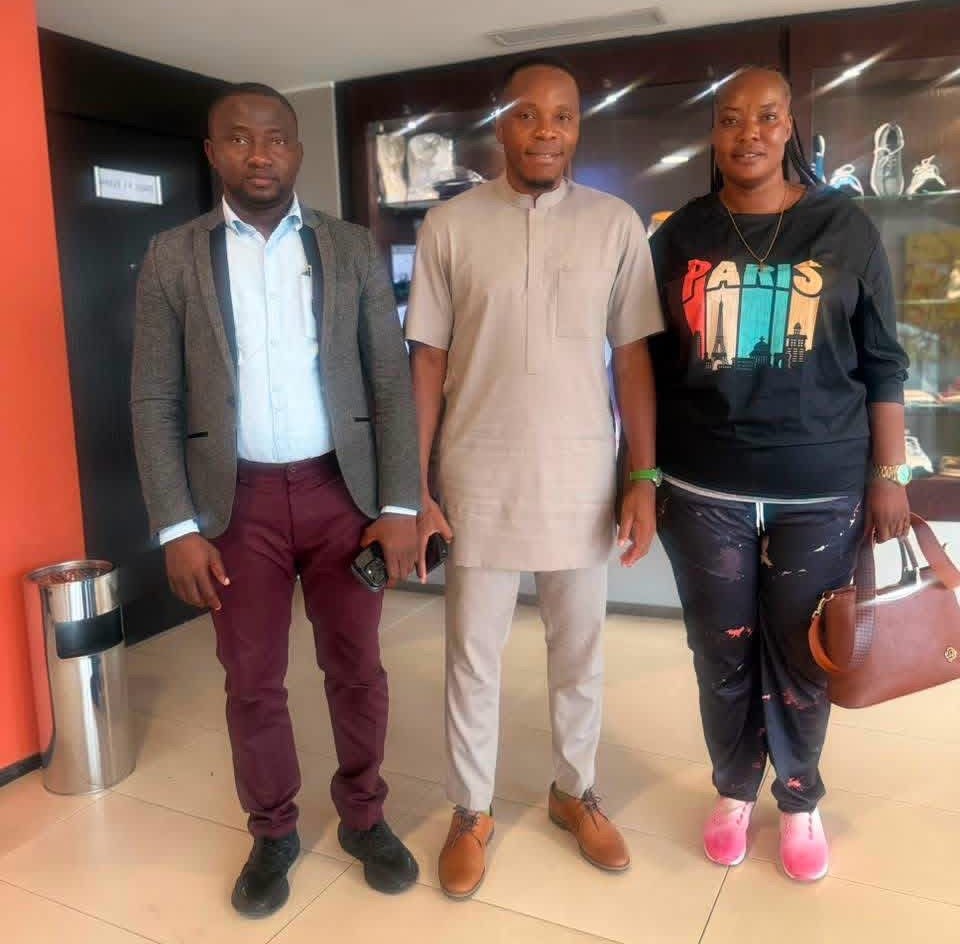
Dr. Sengeh’s participation alongside local government leaders, including councillors Fatu Bockarie of Kenema City Council and Ibrahim Gbla of Freetown City Council, also highlights an essential truth: education transformation ultimately happens in communities.
National policies become meaningful only when they improve classrooms, empower teachers, and create opportunities for learners where they live.
Partnerships that Shape the Future
Education transformation cannot be achieved by governments alone.
Researchers, educators, development partners, philanthropies, technology innovators, and local communities all play complementary roles in building resilient education systems.
The Yidan Prize Conference reflects this collaborative spirit by bringing together organisations such as the Association for the Development of Education in Africa (ADEA), the Global Partnership for Education, the Gates Foundation, the Mastercard Foundation, and other international partners to explore solutions around foundational learning, school leadership, education research, youth transitions, and artificial intelligence.
African Solutions for African Challenges
While international partnerships remain valuable, Africa’s education future must increasingly be driven by African ideas, African research, and African innovation.
The continent’s educators, researchers, policymakers, and communities possess unique insights into local realities that cannot always be addressed through externally developed models.
Artificial intelligence presents a historic opportunity—not merely to adopt technologies developed elsewhere, but to shape AI in ways that reflect Africa’s priorities, values, and educational needs.
Realising this vision will require sustained investment in digital infrastructure, teacher capacity, ethical AI governance, and inclusive innovation.
Every Mind Matters
Africa’s youthful population represents one of the greatest opportunities of the twenty-first century.
Millions of young Africans are preparing for a future that will demand creativity, adaptability, digital literacy, entrepreneurship, and lifelong learning. Education systems must therefore equip learners not only to secure employment but also to create opportunities, solve complex challenges, and contribute meaningfully to society.
The meetings Dr Sengeh is expected to hold with government officials and international development partners during his visit to Senegal further underscore the importance of diplomacy and collaboration in advancing shared educational goals.
Ultimately, the message emerging from Dakar is not simply about education reform.
It is about redefining development itself.
Technology may reshape how learning takes place, but human values will determine whether that transformation benefits everyone.
Africa’s education revolution must therefore be built upon a simple but powerful conviction: Every mind matters. Every learner carries promise. Every community has a role in shaping the continent’s future.
The conversation unfolding in Dakar reminds Africa that lasting progress will not be measured by technological breakthroughs alone, but by whether those breakthroughs expand opportunity, protect dignity, and leave no learner behind.
Through visionary leadership, meaningful partnerships, and an unwavering commitment to radical inclusion, Africa can build an education system where every mind counts, and every learner has the opportunity to thrive.
YOU MAY ALSO READ: Ramba’s journey: Traversing East Africa in search of education