

























- Nyaigwa Girls Senior School excels, achieving top KCSE results despite limited resources.
- Sub-county schools face challenges, with low enrolment and competition from bigger schools.
- Strong leadership drives success, showing even small schools can achieve excellence.
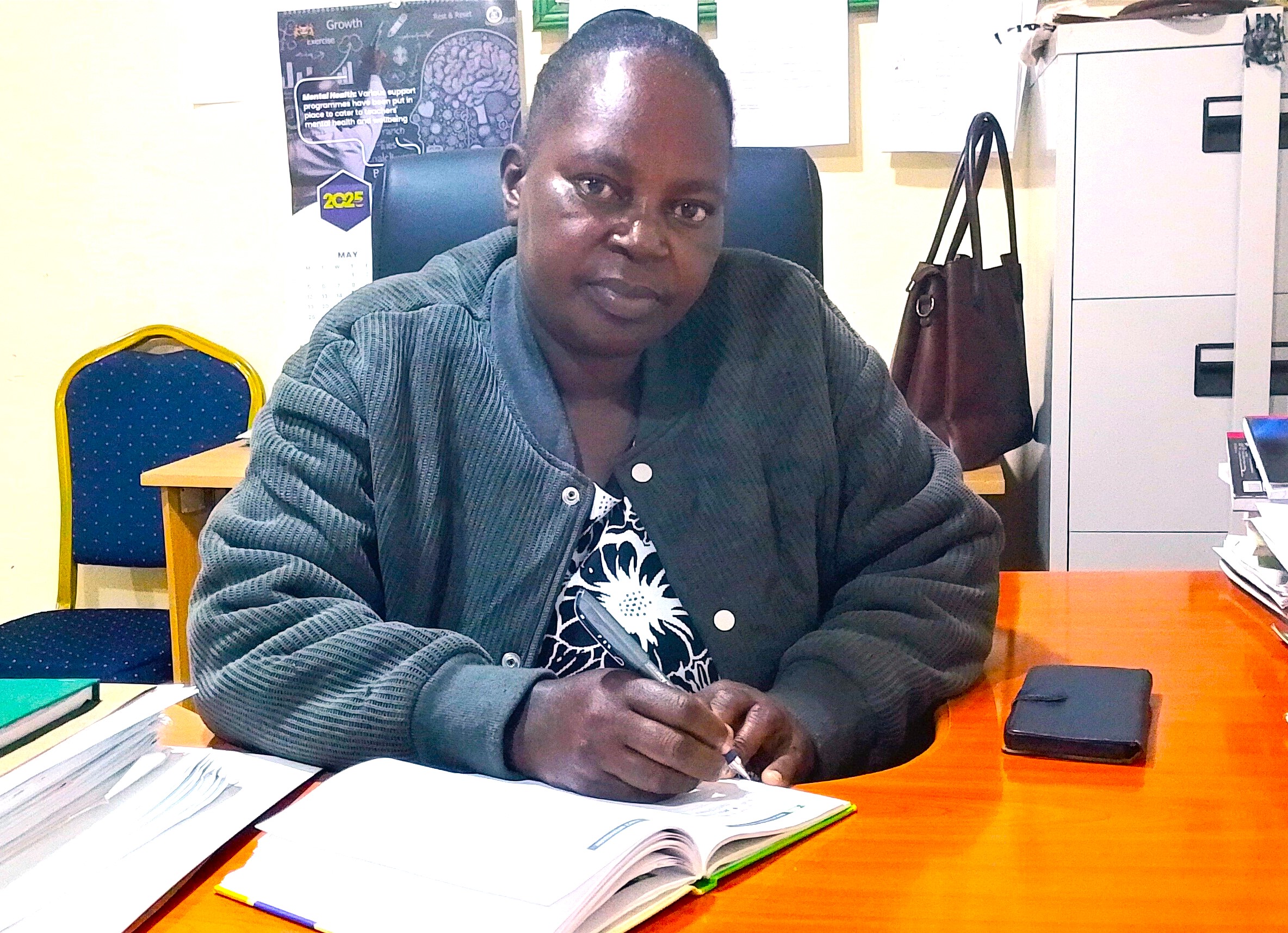
In the heart of Nyamira County, a transformation is quietly unfolding. Nyaigwa Girls Senior School, a sub-county institution, is proving that academic prowess is not the exclusive reserve of national giants. Under the steady leadership of its Principal, Madam Carren Ratemo, the school is navigating the turbulent waters of educational reforms and infrastructure challenges to emerge as a beacon of hope for the girl child.
A Legacy of Strategic Growth
The story of Nyaigwa is one of resilience. The school’s journey has been deeply influenced by visionary leadership and significant support from local leaders. Madam Ratemo recalls the pivotal role played by Prof. Sam Ongeri, who, during his tenure as Education Minister, helped register several schools in the region, providing the legal and administrative foundation for Nyaigwa to flourish.
Today, that foundation is bearing fruit. The school boasts a total student population of 392, a testament to the growing trust the community places in the institution. Despite being a sub-county school, its “catchment area” and “strategic potential” are, as Madam Ratemo notes, “very good.”
Navigating the Double Intake Storm
The transition under the CBE system left senior schools with one class less, creating a gap in student placement and class organization. In response, school heads took the initiative to manage a “double intake”. Bigger schools, particularly those in the C1 category, admitted not only the new Grade 10 cohort but also accepted transfers of students whose marks qualified them for smaller sub-county schools. Many parents opted to transfer their children to these bigger schools, seeking better facilities, boarding options, and perceived academic advantage.
Sub-county schools like Nyaigwa, classified as C4, faced a different reality. Despite being suitable only for day students, the school received placement allocations from as far as Kisii and other neighbouring counties, even though it lacked boarding facilities. This mismatch limited the school’s intake, which saw only 61 students admitted, less than 50 percent of the approved capacity of 135.
Madam Ratemo highlights the challenge: “While the bigger schools were managing double intake surges, our sub-county school was disadvantaged by placement policies that didn’t consider infrastructure and student welfare. We had to carefully plan and adapt to ensure our students could settle in and thrive.”
Breaking Academic Ceilings
Despite these challenges, Nyaigwa Girls Senior School continues to shatter expectations academically. In the 2025 KCSE examinations, the school achieved remarkable results. Out of 87 candidates, 73 students scored C+ and above, securing direct entry into universities. The school achieved a Mean Score of 7.8 (B-), a significant improvement from 6.16 in 2024.
“This achievement is not accidental; it reflects a deliberate culture of excellence,” says Madam Ratemo. Initially, neighboring primary schools contributed fewer than 10 students, and community support was limited. Yet, by drawing students from a wider catchment area and maintaining high standards, Nyaigwa has steadily gained recognition and trust.
A Vision for the Future
Despite its successes, the school continues to require support. While Nyaigwa has “good potential,” it remains a sub-county school with specific needs. The approved intake capacity of 135 students is still below what the school aspires to accommodate.
As Nyaigwa Girls Senior School rises, it demonstrates that with visionary leadership, resilience, and community engagement, even modest sub-county schools can achieve excellence on par with the country’s top institutions. Madam Carren Ratemo and her team are not merely teaching; they are redefining what is possible for the girls of Nyamira, proving that the sky is no longer the limit, it is the starting point.
Despite the remarkable achievements of schools like Nyaigwa Girls Senior School, many sub-county schools classified as C4 continue to struggle. Diminishing student numbers, limited infrastructure, and intense competition from bigger schools have pushed several institutions to the brink of closure. Examples include Manga and Mosando Secondary Schools, which have seen enrolment drop dramatically in recent years.
Addressing the challenge, Education Cabinet Secretary Julius Ogamba recently emphasized at a stakeholders’ meeting at Kisii University: “The government will continue to support schools that demonstrate the capacity to thrive. Those that cannot sustain themselves must be allowed to phase out naturally. Our focus is on ensuring quality education for every child, not merely preserving structures that no longer serve students effectively.”
This reality underscores the importance of visionary leadership, strategic planning, and community support in ensuring that sub-county schools not only survive but excel, setting a benchmark for others to follow.
YOU MAY ALSO LIKE: Higher Education Under Siege: A Crisis of Academic Conmanship