






























- Africa’s digital future will be built on strong infrastructure, bold investment and strategic partnerships. Nairobi is at the centre of that conversation.
- From data centres to fibre connectivity and AI, Kenya is positioning itself to power the next chapter of Africa’s digital economy.
- The future is digital, and Africa must build the infrastructure, skills and partnerships needed to ensure no one is left behind.
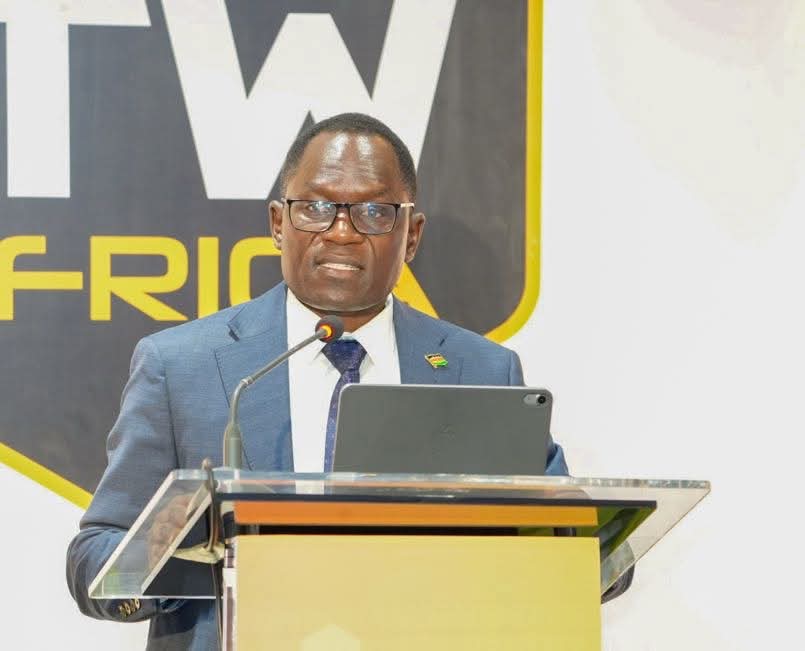
Nairobi, on September 8, 2026, became the focal point of Africa’s digital future as Principal Secretary for Broadcasting and Telecommunications Stephen Motari Isaboke, EBS, officially opened the ITW and Datacloud Africa Conference, bringing together more than 1,800 industry leaders, technology experts, investors, policymakers and digital infrastructure professionals from across the world.
The conference comes at a pivotal moment in Africa’s digital transformation journey, with demand for digital services, cloud computing, artificial intelligence, fintech solutions and online platforms accelerating across the continent.
Yet, Africa currently hosts only about 0.6 percent of the world’s data centres, highlighting both the infrastructure deficit and the enormous investment opportunity available to governments, technology companies and investors.
Data Centres as the Backbone of the Digital Economy
Addressing delegates, PS Isaboke emphasized that data centres have become critical infrastructure for modern economies, supporting digital services, innovation, e-commerce and the delivery of government services.
“Data centres have become the backbone of modern economies. Expanding digital infrastructure is no longer a luxury but a necessity for countries seeking to remain competitive in the global economy,” Isaboke said.
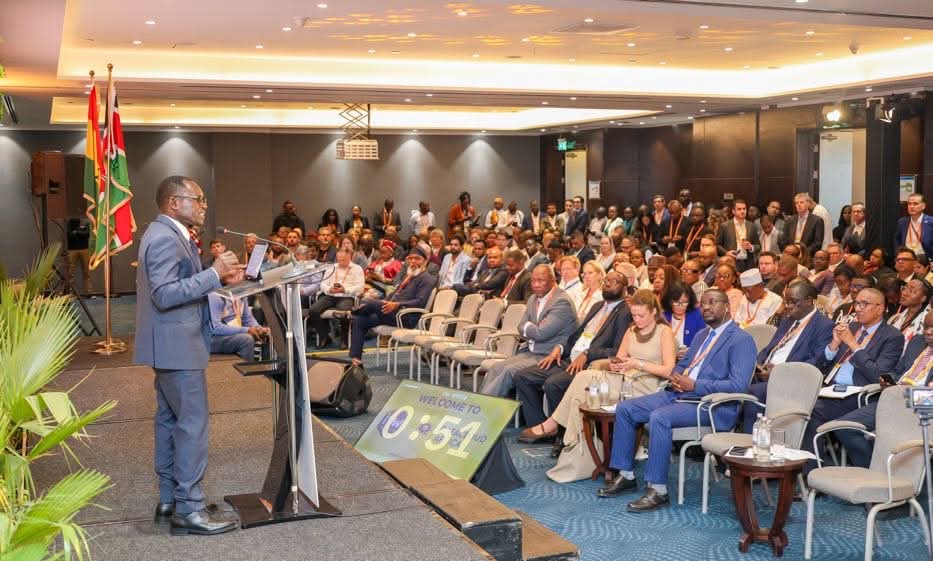
He noted that Africa’s growing digital economy requires sustained investment in infrastructure capable of supporting increasing demand for connectivity, cloud services, artificial intelligence and other emerging technologies.
Kenya’s Strategic Digital Position
Kenya is increasingly positioning itself as a regional connectivity and digital infrastructure hub.
The country has more than 20 operational data centres, an expanding national fibre-optic network and multiple international submarine fibre-optic cables landing in Mombasa, strengthening its role as a gateway for digital connectivity across East and Central Africa.
According to PS Isaboke, Kenya’s strategic location, regulatory environment, skilled workforce and commitment to technological innovation continue to make the country attractive to global technology companies and infrastructure providers.
“Kenya is strategically positioned to serve as a gateway for digital connectivity in the region, and we remain committed to creating an environment that attracts investment in digital infrastructure,” he said.
The country’s growing digital infrastructure ecosystem is expected to support sectors ranging from financial technology and e-commerce to artificial intelligence, education, healthcare and government services.
Government Push for the Digital Superhighway
PS Isaboke also reaffirmed the Government’s commitment to implementing the Digital Superhighway Programme under the Bottom-Up Economic Transformation Agenda.
The programme seeks to expand broadband connectivity, enhance digital inclusion and create opportunities for innovation and entrepreneurship across Kenya.
Its key pillars include the rollout of 100,000 kilometres of fibre-optic infrastructure, establishment of 1,450 digital hubs across all wards, deployment of 25,000 public Wi-Fi hotspots and continued investment in digital literacy programmes.
“Our objective is not only to expand connectivity, but also to ensure that Kenyans have the skills and opportunities to participate meaningfully in the digital economy,” Isaboke noted.
The initiatives are particularly significant for rural and underserved communities, where limited connectivity continues to constrain access to education, financial services, government services and digital employment opportunities.

Partnerships Key to Africa’s Digital Future
The Principal Secretary stressed that Africa’s digital transformation cannot be achieved by governments acting alone.
He called for stronger partnerships between governments, investors, technology companies and development partners to mobilize capital, foster innovation and expand access to digital infrastructure.
“The success of Africa’s digital transformation will depend on strong partnerships between governments, investors, technology firms and development partners,” he said.
The conference is therefore providing a platform for stakeholders to explore investment opportunities, share emerging technologies and develop partnerships that can accelerate the continent’s digital infrastructure development.
The gathering was attended by Hon. Adjil Ali Salatou, Minister for Communication and New Information Technologies of Niger; Eng. John Tanui, Principal Secretary for ICT and the Digital Economy; John Mwendwa, Chief Executive Officer of the Kenya Investment Authority; and other distinguished local and international leaders in the ICT sector.
The presence of senior government officials, investors and technology leaders underscores the growing importance of digital infrastructure in Africa’s economic development agenda.

Positioning Kenya for the Next Digital Era
As discussions continue, Kenya is expected to showcase its progress in digital infrastructure while strengthening partnerships aimed at accelerating investment in data centres, cloud services, connectivity solutions and emerging technologies.
The conference reinforces Kenya’s ambition to become a leading regional hub for innovation, digital infrastructure and technology-driven economic growth.
For Africa, however, the conversation extends beyond data centres and connectivity. It is increasingly about building the infrastructure that will underpin the continent’s future economy, create jobs, drive innovation and unlock opportunities for millions of people.
As digital demand continues to grow, the countries that successfully attract investment, expand connectivity and build resilient digital infrastructure will be better positioned to shape Africa’s next phase of economic transformation.